










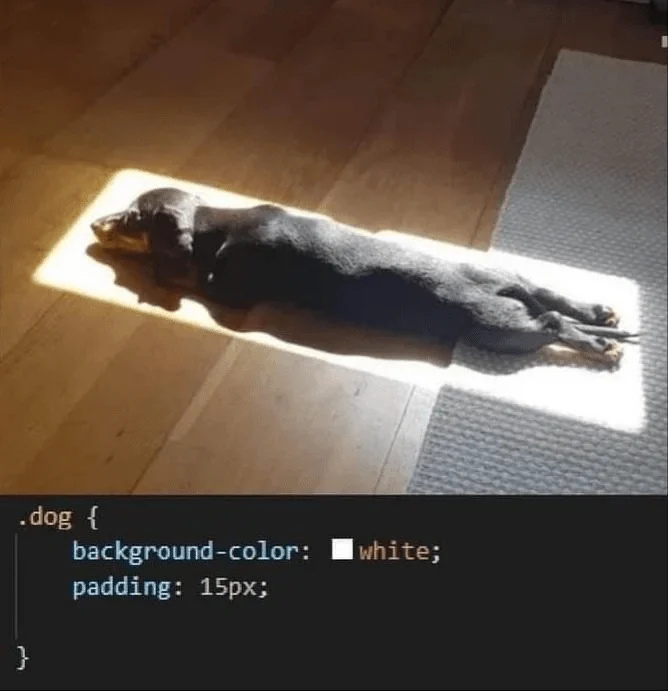
Welcome to DEV, your essential monthly deep dive into the evolving ecosystem of WordPress. Before you step away from your workstation to enjoy that fleeting patch of sunlight, take a moment to digest the critical updates, community milestones, and emerging trends shaping the world’s most popular CMS. From the heat of Phoenix to the digital evolution of AI-driven development, here is your comprehensive update.
1. WordCamp US: Phoenix Rises
The WordPress community converged on Phoenix, Arizona, this August for WordCamp US, a four-day summit that defied the desert heat. With temperatures peaking at a staggering 111°F (44°C), over 1,100 attendees demonstrated remarkable dedication, turning the city into a global hub for open-source innovation.
Chronology of the Event
- The Proclamation: In a historic gesture, Chief Innovation Officer Michael Hammett officially declared August 19th as "Phoenix WordPress Day," cementing the city’s role in the platform’s 2026 legacy.
- Collaborative Innovation: Beyond technical sessions, the event fostered a spirit of community, highlighted by the collaborative construction of a massive WordPress logo crafted entirely from Lego bricks—a fitting, physical metaphor for the modular, open-source nature of the WordPress project.
Implications for the Community
The event signaled a shift toward more physical, community-led "maker" culture. Attendees reported that the high-density networking sessions were instrumental in bridging the gap between core contributors and agency-level developers. If you missed the event, the consensus is clear: the focus is moving toward hyper-local community building to complement the global scale of the software.
2. WordPress 7.1 "Mary Lou" Debuts
The long-anticipated release of WordPress 7.1, codenamed "Mary Lou" in honor of the legendary jazz pianist Mary Lou Williams, has arrived. This update marks a significant shift in how developers handle design and layout, effectively reducing reliance on external CSS and custom plugins.
Core Technical Enhancements
While the individual updates within 7.1 may appear incremental, their cumulative effect is substantial. Key features include:
- Expanded Design Tokens: New, granular control over spacing, typography, and color variables.
- Refined Block Logic: Improved responsiveness for core blocks, allowing for more complex layouts without the need for additional plugins.
- Security Patching: Alongside the main release, WordPress 7.0.4 was rolled out simultaneously to address critical security vulnerabilities. Users are strongly advised to verify their site status and update immediately to ensure site integrity.
The "Defensive Data" Philosophy
The release of 7.1 is not just about features; it is about architecture. The development team has signaled a move toward "defensive data design," prioritizing user safety by making disruptive changes harder to execute accidentally and ensuring that all modifications are easily reversible.
3. The AI Integration: Balancing Power and Safety
Perhaps the most contentious and exciting development this month is the release of AI 1.3.0. As artificial intelligence becomes a standard fixture in the WordPress dashboard, the community is grappling with the ethical and practical implications of automated content generation.
Official Stance on Defensive Data Design
On the Make WordPress Core blog, lead contributors have initiated a vital conversation regarding "Defensive Data Design." The guiding question is simple yet profound: How do we make the defaults as safe and secure as possible?

Proposed strategies currently under review by the community include:
- Human-in-the-Loop Constraints: Implementing "circuit breakers" for AI agents where the system identifies its own limitations and pauses for human verification.
- Reversibility Protocols: Ensuring that any AI-generated structural change to a site can be reverted with a single click, maintaining the integrity of the original database.
- Support Integration: The recent rollout of the WordPress support assistant, which intelligently routes users to human agents when complex technical queries exceed AI capabilities, serves as a blueprint for future AI-human collaboration.
4. Industry Trends: The Changing Freelance Landscape
The digital economy surrounding WordPress is experiencing a period of recalibration. A recent analysis of the freelance market, featuring industry insights from professionals like Adrian Sticea, highlights a notable shift: the decline of traditional platforms like Upwork as the primary source of high-quality WordPress work.
Data Points and Observations
- Platform Fatigue: Freelancers are increasingly moving toward personal branding and niche consulting, as the "race to the bottom" on massive freelance marketplaces becomes less sustainable.
- The Real-Time Future: Industry thought leaders, such as Jared Rethman, are advocating for a "Real-Time WordPress" experience, arguing that the future of the platform lies in collaboration tools similar to Google Docs.
- Bot Traffic Awareness: A growing concern for site owners is the inflation of analytics. A recent study by JNK Plugins revealed that a significant percentage of "impressions" on many sites are driven by automated bots, prompting a push for more transparent and authentic metric tracking.
5. Curated Resources for the Modern Developer
To stay ahead of the curve, developers are encouraged to explore these key resources and discussions currently trending in the community:
- UX Design Standards: A vibrant Reddit discussion has cataloged the most common UX mistakes found even on "polished" websites. It is a mandatory audit for anyone currently managing a client build.
- Mobile Optimization: As mobile-first indexing remains paramount, new guides on hiding specific WordPress blocks based on device constraints are essential reading for those struggling with desktop-to-mobile parity.
- Content Equity: A timely reminder from the WPShout team emphasizes that "rescuing" old, high-authority content is often more valuable for SEO than churning out new, unproven blog posts.
- Digital Sovereignty: Jonathan Bossenger’s recent essay on "home ownership" and the World Wide Web provides a sobering, necessary perspective on the importance of owning one’s platform rather than renting space on social media giants.
6. Closing Thoughts: The Human Factor
As we look toward the final quarter of 2026, the intersection of WordPress, AI, and human creativity remains the most dynamic space in web development. Whether it is the technical precision of a core update or the philosophical debates regarding AI ethics, the common thread is the need for a "human-centric" approach.
The "Hamster Metric"
On a lighter note, we leave you with a reminder that no matter how advanced your tracking software or how optimized your site’s performance metrics may be, perspective is everything. This month, we were humbled by Mollie the Hamster, whose dedicated fitness tracking (and speed-distance output) has effectively put many of our professional productivity stats to shame.
Stay curious, stay updated, and keep building.
Do you have a project or an insight that deserves to be in next month’s edition? Reach out to our editorial team, and let’s keep the conversation moving.



