


Welcome to DEV, your definitive monthly deep dive into the evolving WordPress ecosystem. As we move through the heat of late summer, the WordPress community has been busier than ever—balancing major architectural shifts, the integration of generative AI, and the continued professionalization of the platform.
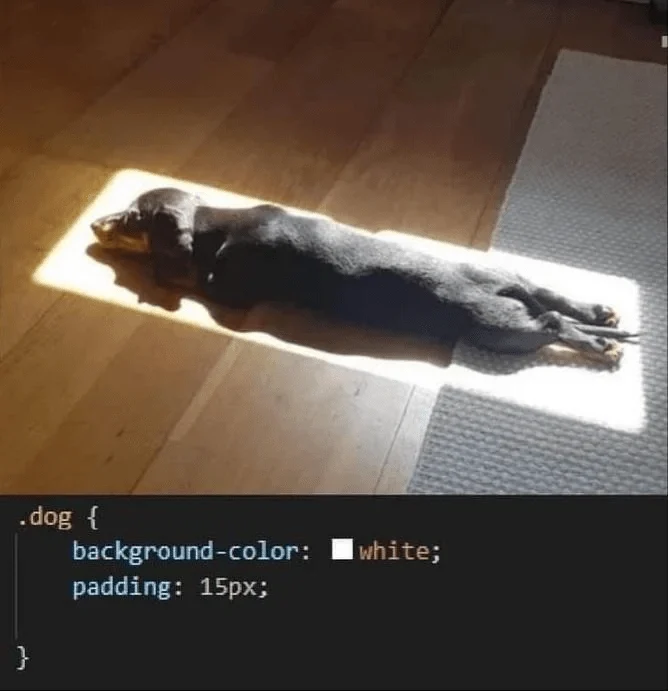
Before you clock off and find your own "patch of sunlight" for some well-deserved debugging time, let’s unpack the critical developments, community milestones, and technical shifts that defined this month in WordPress. And, as always, stick around until the end for a dose of levity that might just put your fitness tracker to shame.
1. WordCamp US: A Phoenix Rising
The desert heat of Phoenix, Arizona, proved no match for the passion of the WordPress community this past month. With temperatures peaking at a blistering 111°F (44°C), over 1,100 attendees converged for WordCamp US. The event was not merely a conference; it was a testament to the resilience and growth of the open-source community.
Chronology of the Event
The four-day summit served as a melting pot of developers, designers, agency owners, and content creators. A significant highlight occurred when the city’s Chief Innovation Officer, Michael Hammett, officially proclaimed August 19th as "Phoenix WordPress Day." This recognition underscores the economic and social impact the WordPress ecosystem now holds in major metropolitan centers.
The Community Pulse
Beyond the keynote stages, the event featured interactive installations that highlighted the collaborative nature of the platform. One notable highlight was the collective construction of a massive WordPress logo composed entirely of Lego bricks—a poignant metaphor for the modular, community-driven nature of open-source development.
2. Technical Evolution: WordPress 7.1 "Mary Lou"
The long-awaited release of WordPress 7.1, codenamed "Mary Lou" in honor of jazz pioneer Mary Lou Williams, has officially landed. This update represents a calculated stride toward minimizing reliance on external CSS overrides, third-party plugins, and the occasional frustration-induced profanity.
Key Enhancements
While individual changes in 7.1 may appear incremental, the aggregate effect is a significant reduction in technical debt for site builders. Key features include:
- Refined Block Controls: Enhanced precision in block positioning and responsiveness.
- Improved Asset Loading: Optimized performance metrics for core blocks, ensuring faster Time to Interactive (TTI).
- Expanded Design Tokens: Greater consistency in theme development, allowing for a more unified design language across varying device types.
Security and Maintenance
In parallel with the 7.1 rollout, the WordPress security team released version 7.0.4. This critical patch addresses several vulnerabilities identified in the core framework. Site administrators are urged to prioritize this update immediately to ensure site integrity. For a granular breakdown of the technical changelog, visit the official release announcement.
3. The AI Frontier: Defensive Data Design
The integration of Artificial Intelligence into WordPress continues to accelerate, marked by the release of AI 1.3.0 on August 18th. This update significantly bolsters the canonical AI plugin’s capabilities, introducing native content translation, automated slug generation, and sophisticated category/tag suggestions.

The "HAL 9000" Paradox
As AI agents assume more autonomy, the community is grappling with "Defensive Data Design." In a recent post on the Make WordPress Core blog, Matt Mullenweg posed a critical question: "How can we make the defaults as safe and secure as possible?"
The discussion centers on the inherent risks of automated systems—specifically, the potential for irreversible actions. Proposed solutions include:
- Mandatory Human-in-the-Loop (HITL) checkpoints for all destructive data operations.
- Visual confirmation overlays for AI-suggested content edits.
- Reversibility protocols that allow for instant "undo" states in AI-driven workflows.
Official Stance on Automation
WordPress has already begun implementing these philosophies in its support assistant, which is now programmed to detect when a query exceeds its scope. In such instances, the system is designed to gracefully degrade to human support, ensuring that technical assistance remains accurate and empathetic. This shift toward "Human-Centric AI" will likely remain the primary focus of the WordPress roadmap through 2027.
4. Supporting Data and Industry Trends
To understand the broader landscape of the WordPress economy, we analyzed recent freelance and agency data.
- The Upwork Shift: Long-time WordPress freelancer Adrian Sticea reported a sharp decline in lead volume via platforms like Upwork in 2026. Experts suggest this is not a decline in demand, but a shift toward specialized, high-value contracts that bypass traditional gig marketplaces in favor of professional network referrals.
- Bot Traffic Metrics: A recent study by JNK Plugins highlights a worrying trend: site owners are seeing inflated impressions graphs driven primarily by bot traffic. This emphasizes the need for more robust, server-side analytics that distinguish between human users and automated scrapers.
5. Strategic Implications for Site Owners
The convergence of these events suggests a clear trajectory for the WordPress ecosystem. We are moving away from the "plugin-heavy" architecture of the early 2020s toward a more robust, core-integrated, and AI-assisted environment.
Recommendations for the Modern Developer:
- Prioritize "Real-Time" Architecture: As argued by industry experts like Jared Rethman, the future of WordPress lies in real-time, collaborative editing (similar to Google Docs). Embracing these technologies now will future-proof your development workflow.
- Audit Your Mobile Experience: Desktop-first design is a legacy approach. If your site performs as a "hot mess" on mobile, you are losing more than just rankings; you are losing trust. Use media queries to selectively hide or display blocks based on device constraints.
- Rescue Your Old Content: Before drafting a new 2,000-word SEO post, look at your existing library. Updating and "rescuing" old, underperforming content is often more effective for domain authority than creating new, unproven assets.
- Data Ownership: As the web becomes increasingly centralized, prioritize platforms that allow you to own your data. Jonathan Bossenger’s recent advocacy for true digital homeownership is a reminder that WordPress remains one of the few platforms where you, not the platform provider, maintain full control.
6. Coffee Break Distractions & Community Oddities
As we wrap up, we encourage you to step away from the IDE.
- Space Update: Did you know that the last time the entire human race was on Earth was November 2nd, 2000? Currently, there are 10 humans in space. Keep that in perspective next time you’re frustrated by a CSS bug.
- Skill Building: For those looking to improve their workflow efficiency, check out ReadnType. It’s essentially a "gym" for your fingers and eyes, featuring a leaderboard to challenge your colleagues.
- Digital Nostalgia: Are you feeling a longing for the early 2000s? The "Frutiger Aero" aesthetic is currently undergoing a massive cultural revival. It’s worth exploring how these visual styles can influence modern UI/UX design.
And Finally: The Athlete of the Month
We all have fitness goals. Some of us hit the gym, others go for a run. But we felt significantly humbled this month by "Mollie the Hamster," a rodent who, via a custom-built speed/distance tracker, has absolutely annihilated the fitness records of most the DEV editorial team.
Whether you’re a developer, a designer, or just someone who loves the web, remember: even the smallest contributor can set the pace.
Love this mix of technical nerdery and industry nonsense? Share this edition of DEV with your favorite WordPress weirdo. Until next time, happy coding.