In the modern digital landscape, the online advertisement is often dismissed as a minor nuisance—a flickering banner for consumer goods or a fleeting distraction during a video stream. However, a groundbreaking investigation by Citizen Lab has unmasked a far more sinister reality: the world’s multi-billion-dollar advertising ecosystem has been weaponized by state-linked actors to conduct precise, large-scale, and "zero-click" cyber-espionage.
At the center of this controversy is Discover-Tech, a firm whose "MyDSP" platform was systematically used to profile, track, and potentially compromise the devices of high-value targets. By exploiting the complex, automated architecture of real-time bidding (RTB) in digital advertising, this infrastructure allowed spyware vendors to turn the ubiquity of the internet into a surveillance dragnet.
The Anatomy of an Invisible Threat
The operation identified by Citizen Lab, which has been dubbed "AdFection" by security analysts, represents a paradigm shift in how spyware is deployed. Traditionally, malware required a user to interact with a malicious link or file. The new breed of spyware, however, leverages the mechanics of the AdTech industry to deliver payloads without any user interaction whatsoever.
The mechanism is deceptively simple: by participating in the ad-bidding process, the attackers could identify specific users based on their digital footprints—such as IP addresses, device identifiers, and browser characteristics. Once a "target" was identified, the attacker’s server would deliver a customized ad impression designed to execute an exploit. Because the exploit occurs within the browser or app’s ad-loading environment, the user remains entirely unaware that their device has been probed or compromised.
The Links to Established Surveillance Firms
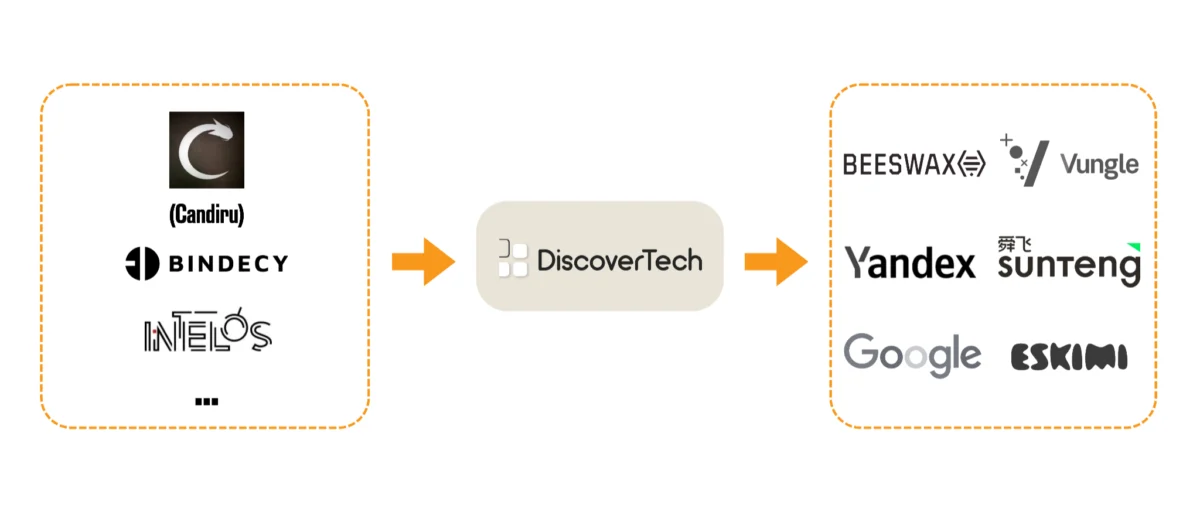
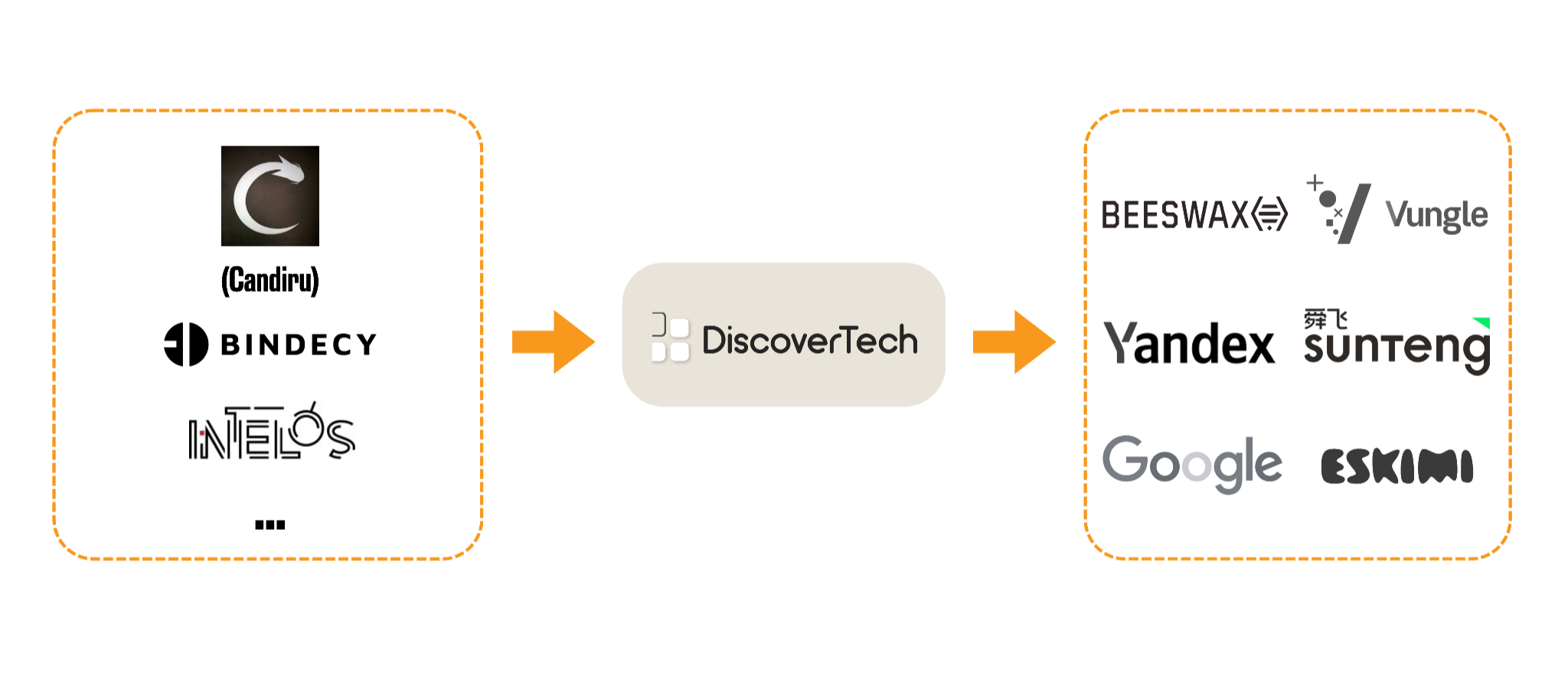
The investigation has drawn a direct line between Discover-Tech and Candiru, an Israeli spyware firm already notorious for its presence on the United States government’s "Entity List." Since facing U.S. sanctions in 2021, Candiru has allegedly rebranded under the moniker "Integrity Labs." Citizen Lab’s findings suggest that Discover-Tech served as the logistical backbone for not only Candiru but also other surveillance-focused entities, including Bindecy and Intelos. This consolidation of infrastructure points to a collaborative "surveillance-as-a-service" model, where a single ad-buying entity provides the "pipes" for multiple vendors to conduct global espionage.
Chronology of the Surveillance Campaign
The evidence compiled by Citizen Lab spans a critical window of activity, revealing a sustained and methodical effort to infiltrate sensitive environments.
- 2024–2025: The Targeting of Al Jazeera: Researchers identified a series of zero-click attacks directed at the media network Al Jazeera. By analyzing internal network logs, the team confirmed with high confidence that at least 45 devices belonging to employees were targeted using spyware delivered via Discover-Tech’s advertising network.
- March – June 2026: The Data Harvest: Researchers conducted a deep-dive analysis into nearly four billion advertising bid records. During this four-month period, Discover-Tech’s MyDSP platform bid on over 3.77 billion impressions, successfully winning 441 million of them. These ads appeared across 120,000 websites and 70,000 mobile applications.
- October 2026: Public Disclosure: Following the coordination of findings with advertising security firm Confiant and media partners, the full extent of the operation was revealed, triggering a series of emergency suspensions by major tech platforms.
Supporting Data: The Scale of the Intrusion
The sheer volume of data processed by Discover-Tech underscores the difficulty of monitoring such threats. According to the Citizen Lab report, the platform’s bidding activity was heavily skewed toward mobile environments, with 76.7% of bids targeting mobile apps and 23.3% targeting web browsers.
The "win rate"—the frequency at which the attacker’s ad was successfully displayed to a user—was approximately 11.7%. While not every impression was malicious, the infrastructure provided a "pre-filtering" mechanism. Attackers used the ad-bidding process to identify the devices of individuals working for, or connected to, sensitive entities.
Sensitive Networks Exposed
The audit of advertising records revealed that the infrastructure was not merely hitting random consumers. Impressions were tracked on networks associated with:
- The Pentagon and NATO: High-level defense and military intelligence conduits.
- The United Nations: International diplomatic and humanitarian channels.
- The European Commission: Regulatory and administrative hubs of the EU.
- The International Criminal Court (ICC): Legal and justice-focused organizations.
These findings confirm that the ad-targeting capabilities were sufficiently precise to allow operators to focus on individuals with high intelligence value, turning the global advertising market into a battlefield for corporate and state-sponsored espionage.
Official Responses and Industry Cleanup
The revelations regarding Discover-Tech sent shockwaves through the advertising and cybersecurity industries, forcing major stakeholders to address the vulnerability of their platforms.
Google, the world’s largest advertising exchange, took immediate action upon the publication of the findings, terminating Discover-Tech’s access to its advertising exchanges. This move effectively severed the company’s ability to use Google’s massive publisher network as a vehicle for its operations.
Similarly, IAB Europe—the leading industry association for digital advertising in Europe—suspended Discover-Tech’s vendor status. Other entities involved in the digital supply chain, including Beeswax, Vungle (operated by Liftoff), and Eskimi, moved to block the company’s accounts and domains.
Despite these rapid responses, the incident has highlighted a structural weakness in the AdTech industry. The ecosystem is defined by "blind" auctions where publishers often do not know who is ultimately buying their space, and buyers do not know the full extent of the scripts being run. This lack of transparency provides the "fog of war" that sophisticated spyware vendors require to operate undetected.

Implications for Global Cybersecurity
The "AdFection" findings have profound implications for security professionals, government agencies, and the general public.
A New Attack Surface
Security teams have long focused on hardening perimeters against malicious emails, suspicious downloads, and unauthorized access. However, this investigation proves that the standard user experience—browsing a news site or playing a game—can now serve as a silent entry point for professional-grade espionage. Because the ads are delivered through legitimate, trusted channels, traditional firewalls and security software often fail to flag them as malicious.
The Intelligence Value of Advertising Identifiers
The ability to distinguish one device from another via advertising identifiers (like Apple’s IDFA or Google’s AAID) allows operators to build a profile of a target over time. When combined with behavioral targeting, an adversary doesn’t need to "hack" a network; they simply need to ensure that their malicious ad reaches a specific device that is already known to be in the "right" place at the "right" time.
Recommendations for Mitigation
Citizen Lab and security agencies like CISA have long advocated for a more defensive posture regarding web advertisements. Key recommendations for high-risk organizations include:
- Ad-Blocking at the Gateway: Deploying network-level ad blocking to prevent the loading of third-party advertising scripts, which are the primary vehicles for these exploits.
- Browser Hardening: Utilizing privacy-focused browsers that automatically block cross-site tracking and unauthorized scripts.
- Strict Content Controls: For organizations involved in sensitive intelligence or national security, restricting the use of third-party content and browser extensions on systems handling confidential information is now an operational imperative.
- Traffic Analysis: Security teams should proactively monitor for "out-of-band" connections initiated by advertising scripts that attempt to communicate with suspicious or unrecognized command-and-control infrastructure.
Conclusion: The End of Innocence in Digital Advertising
The investigation into Discover-Tech and its cohorts signals the end of the era where online advertising could be treated merely as a privacy concern. The shift from "annoying tracking" to "operational espionage" is now complete.
As Citizen Lab noted in its conclusion, the distribution of spyware via targeted ads is not just a threat to individual privacy; it is a systemic risk to states, critical infrastructure, and civil society. The advertising industry, which has prioritized scale and automation, must now reckon with the reality that its infrastructure has been repurposed into one of the most effective, silent, and pervasive tools for modern-day intelligence gathering. The warning is clear: in an age where every ad impression can be a potential exploit, the safest path is to assume that the web, by default, is no longer a neutral space.