While Halloween candy still occupies prime shelf space, the machinery of the 2026 holiday shopping season has been in motion for weeks. In an era where the “shopping season” has stretched from a post-Thanksgiving sprint into a months-long marathon, brands are facing a paradox: more opportunities to connect with consumers, but significantly higher stakes as household budgets tighten under the weight of economic uncertainty.
According to the Sprout Social Q3 2026 Pulse Survey, the upcoming season will be defined by three critical pillars: strategic campaign timing, heightened price sensitivity, and the emergence of social media as the primary theater for both gift discovery and customer service. As marketers finalize their strategies, the data suggests that the traditional "all-in" approach to holiday advertising is no longer the most effective path forward.
The Chronology of Consumption: When to Engage
There is a fundamental disconnect between how consumers shop and when they want to be marketed to. The Sprout Social data reveals a nuance that sophisticated brands are leveraging: nearly half (49%) of consumers report that campaigns launched as early as August increase their likelihood of purchasing. However, when asked for their "ideal" launch window, the plurality (50%) points to October or November, with only 21% preferring an August or September start.
The “Early Awareness” Strategy
This discrepancy highlights a clear distinction between seasonal domination and gentle discovery. Consumers are open to seeing new products and gift ideas in late summer, but they are resistant to an aggressive, “jingle-bell-heavy” holiday aesthetic that early in the year.
The most successful brands are adopting a tiered rollout:
- August–September (The Awareness Phase): Brands utilize these months for subtle product drops and lifestyle content. By building brand awareness and interest early, companies can test which messaging resonates before the peak holiday spend begins.
- October–November (The Conversion Phase): Once the calendar flips to October, the "holiday" messaging ramps up. By this point, the groundwork has been laid, and the brand is already top-of-mind for the consumer.
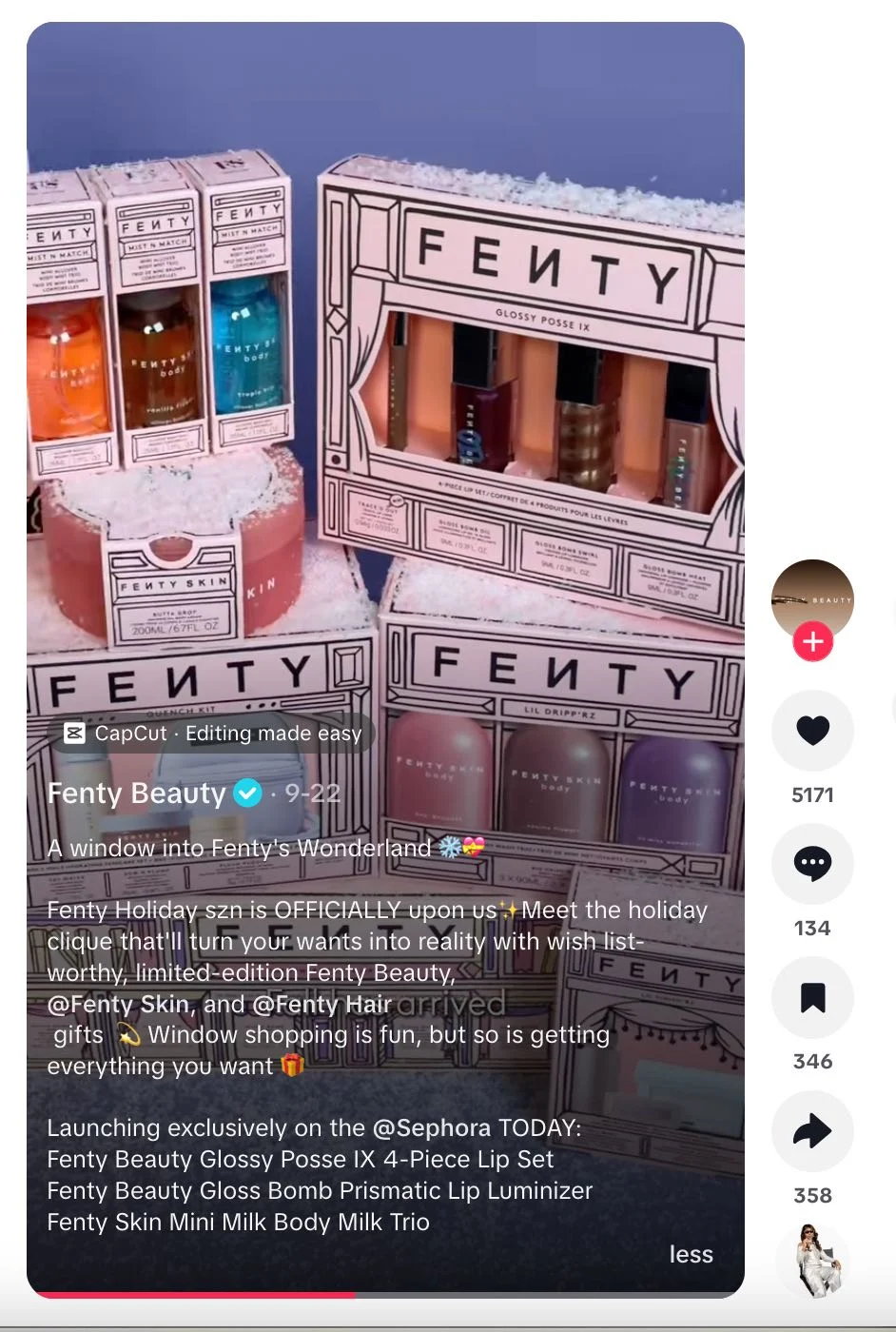
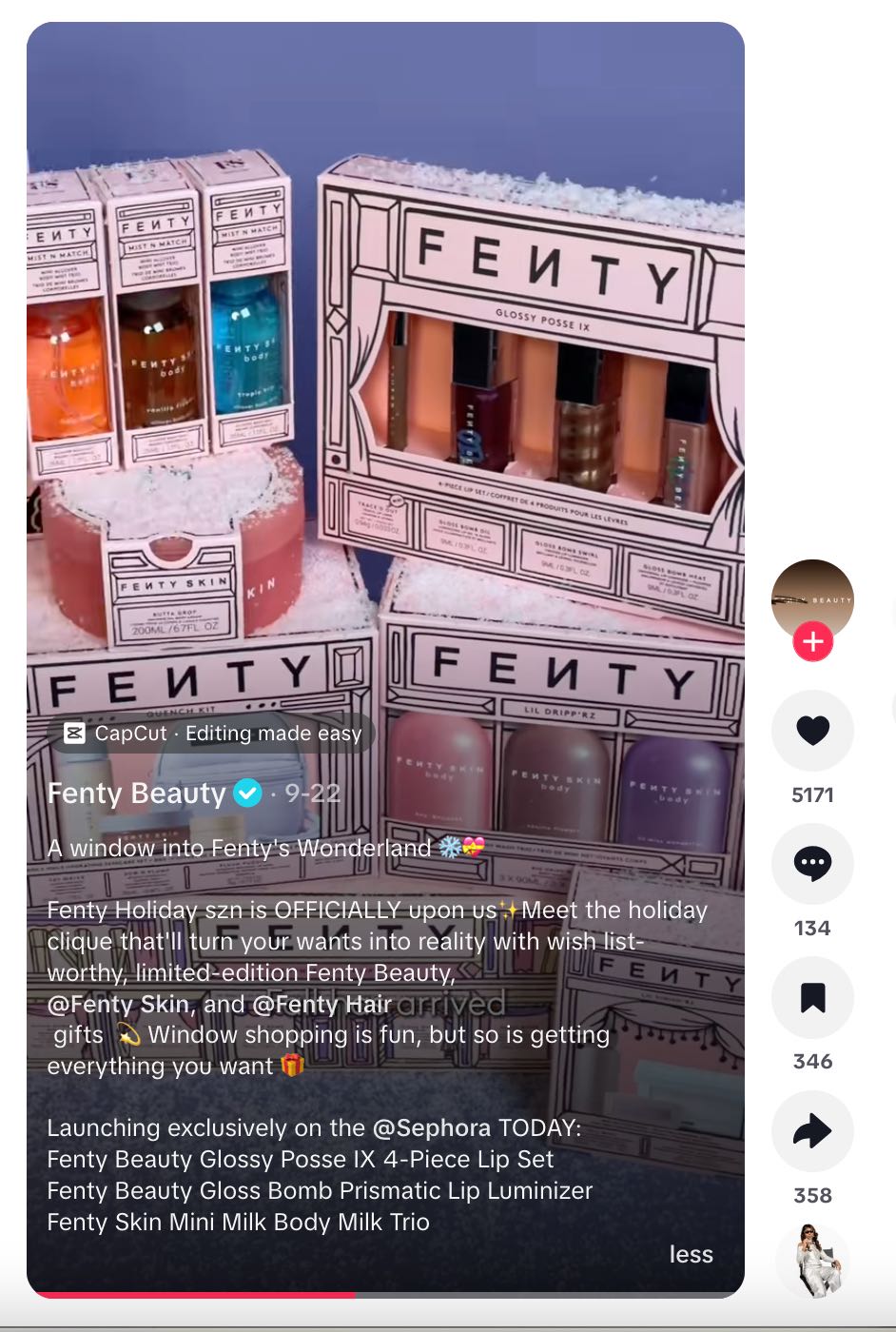
Fenty Beauty provides a masterclass in this approach, having launched its limited-edition holiday collection in September. By offering an early look at seasonal products, they managed to generate over 100,000 views and 5,000 likes on a single TikTok post, proving that demand can be cultivated long before the traditional retail calendar demands it. This strategy is particularly effective for Gen Z, with 66% of younger consumers stating that early-start campaigns influence their buying decisions.
Economic Headwinds: The Shadow of Tariffs and Inflation
The 2026 shopping season is being fundamentally reshaped by economic pressures. With inflation and concerns over tariff-related price hikes looming, consumers are shifting their behavioral patterns to protect their wallets.
The Rise of Proactive Purchasing
More than one-third (36%) of shoppers confirmed they are starting their holiday shopping earlier specifically to circumvent potential price increases. When combined with the 27% of shoppers who are worried about prices but have yet to start, it becomes clear that 63% of the market is operating under a cloud of economic anxiety.
This translates into a direct impact on holiday budgets. Over half (56%) of respondents to the survey expect to decrease their total holiday spending compared to previous years. For brands, this means the competition for every remaining dollar is fiercer than ever.
Strategic Pricing and Value Signaling
Price sensitivity does not necessarily dictate a race to the bottom. Instead, it demands a pivot toward "value communication." Brands that can clearly articulate why their product is a smart investment—emphasizing durability, versatility, or quality—are seeing higher conversion rates.
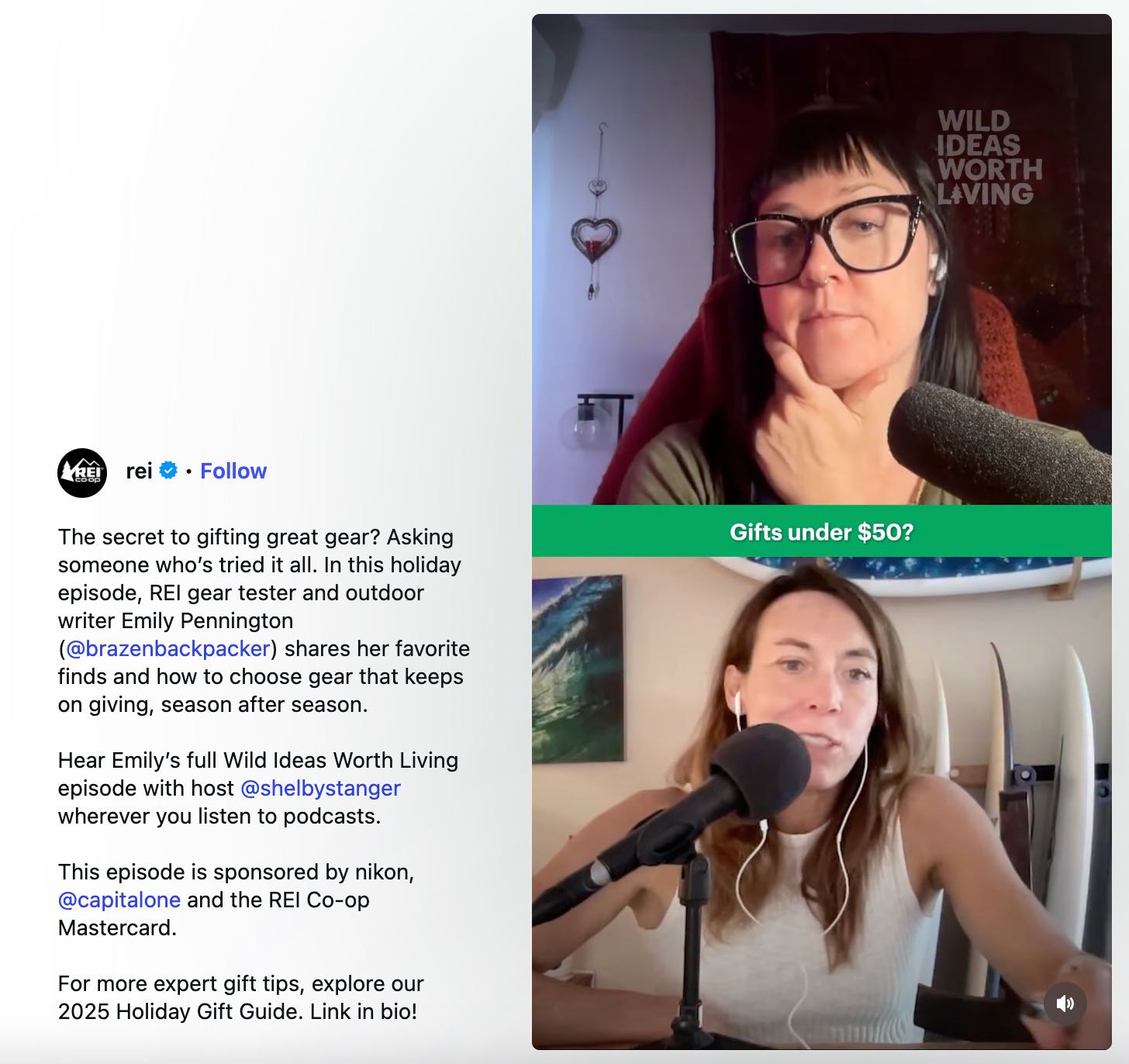
Tactical promotions remain the ultimate tie-breaker. Promo codes distributed via influencers or official brand channels are the top purchase driver, cited by 30% of consumers. Furthermore, curation by budget has become a best practice. REI, for example, successfully utilized Instagram last season to share “Expert Picks Under $50,” lowering the barrier to entry for shoppers who are hesitant to browse expensive catalogs during a belt-tightening season.
The Social Media Revolution: From Discovery to Transaction
Perhaps the most significant shift in the 2026 landscape is the maturation of social media from a branding tool into a full-funnel commerce engine. Social media now stands shoulder-to-shoulder with physical retail as a primary source for gift discovery, with 46% of consumers turning to their feeds to find the perfect present.
The Growth of Social Discovery
The influence of social media is not static; it is growing. Compared to the 2025 holiday season, 28% of consumers report they plan to use social media more frequently to find gifts this year. This provides a critical opportunity for brands to insert themselves into the conversation before a consumer has even decided what they want to buy.
To win this space, brands are organizing their content around:
- Recipient Personas: Tailoring gift guides to specific interests (e.g., "For the Home Chef" or "For the Tech Enthusiast").
- Occasion-Based Curation: Creating content that highlights products for specific holiday moments, from Thanksgiving dinners to New Year’s parties.
- Influencer Partnerships: Collaborating with creators who can provide the context necessary to justify a purchase. Paid partnerships, such as those that showcase luxury gift sets in a single, comprehensive video, help to alleviate the "analysis paralysis" that plagues many shoppers.
Implications for 2026: Seamless Commerce and Customer Care
As social media evolves into a storefront, the friction points between discovery and purchase are vanishing. This year, 57% of consumers expressed an openness to completing a purchase directly within a social app—a metric that suggests the "social-to-cart" pipeline is finally reaching mainstream adoption.
The Overlap of Commerce and Care
The final hurdle for brands is the integration of customer service into the social experience. Commerce and care are no longer distinct departments; they are two sides of the same coin. A shopper inquiring about a size or shipping time in a social comment section is a high-intent lead. If that question goes unanswered, the sale is likely lost.
Data indicates that 27% of consumers expect to use social media more for customer service this year than they did previously. Consequently, brands must treat their social inbox with the same urgency as their physical store service desks. This means:
- Adequate Coverage: Scaling support teams to match the volume of Q4, rather than focusing solely on the Black Friday/Cyber Monday window.
- Operational Transparency: Ensuring that shipping timelines, return policies, and stock availability are easily accessible within the social ecosystem.
- Workflow Optimization: Implementing clear escalation paths so that complex queries—which often stand between a customer and a "Buy Now" button—are resolved in minutes, not hours.
Conclusion: The Path Forward
The 2026 holiday season is not a singular event; it is a complex, data-driven journey that begins in late summer and concludes with the final shipping deadline. The brands that will emerge victorious are those that recognize the need for a bifurcated strategy: early-stage awareness built through subtle discovery, followed by late-stage conversion driven by value-focused messaging and social-first convenience.
By leveraging social commerce, preparing for a high-volume social customer service environment, and respecting the consumer’s desire for value in an inflationary climate, brands can turn the challenges of 2026 into a sustainable competitive advantage. The season is already underway—and the data is clear: the winners will be those who meet the consumer exactly where they are, long before the first snow falls.
Frequently Asked Questions
When should brands start their holiday marketing campaigns?
Most consumers (50%) indicate that October or November is the ideal window for aggressive holiday marketing. However, brands should not remain silent in August and September. Nearly half of consumers (49%) are receptive to holiday messaging in late summer; use this time to build awareness and interest without pushing a "holiday-first" aesthetic.
Are consumers spending more or less on holiday shopping this year?
Economic indicators are pointing toward a contraction. More than half of consumers (56%) report that they plan to reduce their holiday spending in 2026 due to cost-of-living increases and concerns over tariffs.
Is social media a bigger part of holiday shopping in 2026?
Yes. Social media has become a primary destination for gift discovery, rivaling physical stores. Furthermore, with 57% of consumers willing to purchase directly within social apps, the platform has moved from being a top-of-funnel discovery tool to a critical point of conversion.