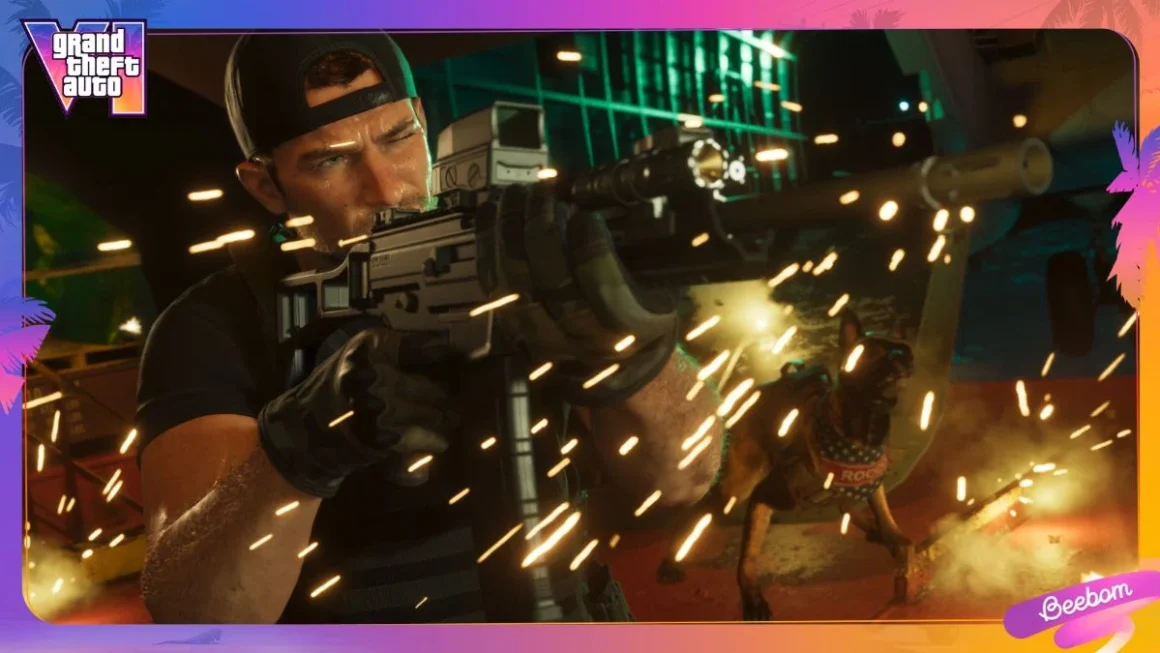








The contemporary video game industry is currently gripped by a profound and unsettling paradox. On one side of the ledger, the medium has reached a commercial zenith: Grand Theft Auto VI, the most anticipated title in history, has just arrived with projected first-day sales nearing $2 billion. On the other side, the sector is hemorrhaging talent at a historic rate. From the struggle-prone offices of Ubisoft to the gleaming, high-revenue corridors of Rockstar Games, the message to developers is clear: neither financial failure nor record-shattering success guarantees job security.
The New Reality: Ubisoft’s Latest Cuts
On Thursday, the gaming world was reminded that the "restructuring" era of the industry is far from over. Ubisoft announced it is laying off 166 employees across its Montreal and Quebec City studios. According to reports from GamesIndustry.biz, these cuts primarily target production and support roles, signaling a continued effort to streamline operations following a series of canceled or reconfigured projects.
For Ubisoft, this is not a new development, but rather a continuation of a painful trend. Despite previous executive assertions in January that workforce reductions had reached their "final" phase, the company has spent the better part of the year closing various satellite studios and shedding staff. Data indicates that between April and September alone, Ubisoft’s global headcount shrunk by approximately 1,100 people.
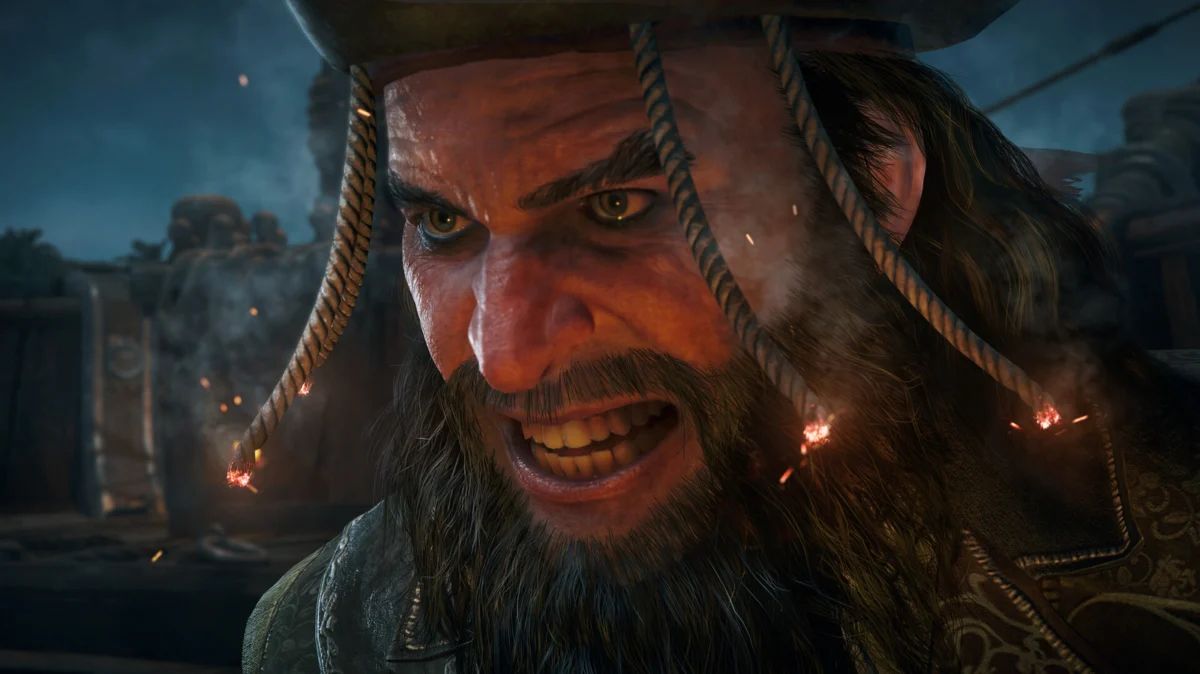
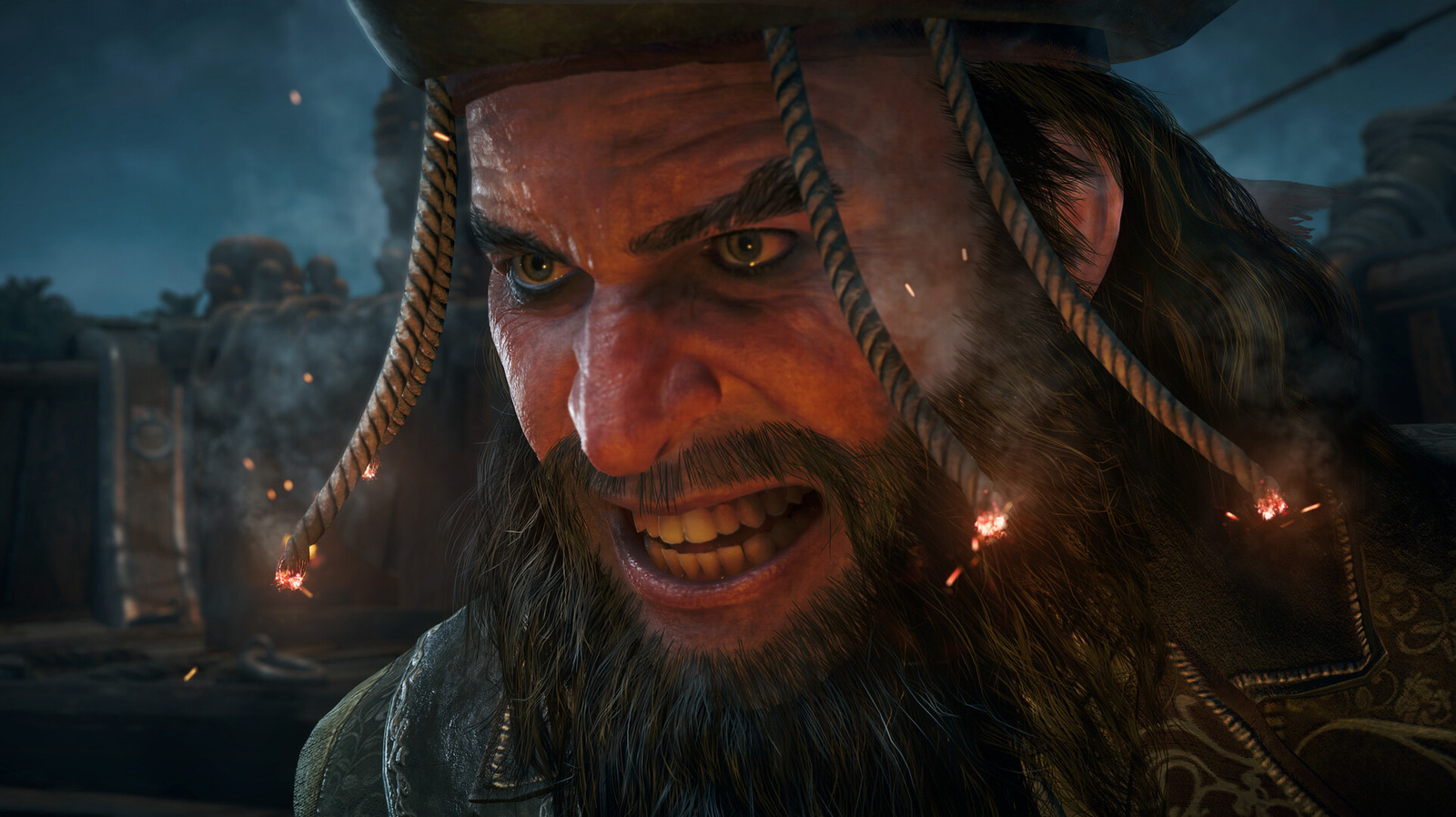
These latest layoffs impact staff at Vantage Studios, the Tencent-backed venture responsible for powerhouse franchises like Assassin’s Creed, Far Cry, and Rainbow Six. The irony is sharp: in the same earnings report detailing these cuts, Ubisoft touted the Assassin’s Creed Black Flag remake as a "strong commercial success." For the hundreds of employees who have exited the company this year, the "tangible benefits" of Ubisoft’s new corporate structure remain elusive.
The Pivot to Generative AI
As traditional roles are phased out, Ubisoft is doubling down on a different kind of workforce: artificial intelligence. The company has announced the launch of "Motherbrain," a new subsidiary dedicated to "AI for gameplay innovation."
Ubisoft is clearly positioning itself to be at the forefront of this technological shift, having already debuted Teammates—a prototype showcasing generative AI-driven characters. However, this pivot arrives at a time of deep industry skepticism. A recent GDC survey revealed that 55% of gaming industry workers believe generative AI is having a net-negative impact on the field. To many, the simultaneous announcement of layoffs and the creation of an AI-focused studio feels like a direct signal that the company’s future vision relies on automation rather than human labor.
The Rockstar Paradox: When Success Doesn’t Feel Like Safety
Perhaps the most harrowing narrative of the current cycle is the situation at Rockstar Games. While Ubisoft has faced years of operational turbulence, Take-Two Interactive—the parent company of Rockstar—has operated in a different stratosphere of profitability. Earlier this week, another Take-Two subsidiary, the venerable Firaxis Games (the studio behind Civilization and XCOM), announced that it was laying off one-third of its staff.
The timing of this news, coinciding with the global launch of Grand Theft Auto VI, has sent shockwaves through the industry. Preorders for GTA VI have reached what the company calls "unprecedented levels." Yet, the proximity of this historic release to the layoffs at its sister studio has shattered the myth that developers working on "blockbuster" projects are insulated from corporate austerity.
Nestor Uriarte, a programmer at Rockstar North, articulated the mood within the walls of the industry’s most elite studio in a Guardian op-ed. "It says a lot about the industry that even my colleagues and I, working on the biggest game of all time, are worried about getting laid off," Uriarte wrote. This anxiety has served as a catalyst for a burgeoning labor movement.
Chronology of the Crisis: A Two-Year Retrospective
The current instability is not an overnight phenomenon; it is the culmination of two years of aggressive market corrections. Following the pandemic-era hiring boom, the industry has seen a massive contraction.
- 2023: The year began with a series of high-profile layoffs across major publishers, as companies sought to reduce overhead costs ballooned during the COVID-19 lockdowns.
- Early 2024: Ubisoft and other major players declared "final" rounds of layoffs, yet these promises proved ephemeral as market conditions tightened further.
- Late 2024–2025: The closure of mid-sized studios and the shuttering of experimental projects became commonplace, with headcount reductions becoming a quarterly expectation rather than an emergency measure.
- November 2026: The current moment. The release of GTA VI serves as a focal point for the industry’s identity crisis, highlighting the gap between massive consumer demand and the instability of the people who build these products.
The Labor Response: Unionization as a Shield
In response to this volatility, labor organization has become the primary defensive strategy for developers. The situation at Rockstar UK is particularly illustrative. Over 1,600 employees are currently in the midst of a vote on whether to formally recognize a union—which would represent the largest labor organization in the history of the UK gaming industry.
This vote is not occurring in a vacuum. A UK tribunal is currently evaluating accusations that Rockstar engaged in "union-busting" practices last year, when the company fired over 30 employees—most of whom were known union organizers. Rockstar maintains that these terminations were due to the leaking of confidential information, but for the staff, the timing and targeting of the layoffs were too precise to be coincidental.
The push for unionization is an attempt to introduce checks and balances into an industry that has historically operated with little oversight. Workers are seeking job security, transparency regarding AI implementation, and a voice in the strategic direction of their studios.
Industry Implications: A System in Transition
The implications of this cycle are vast. When even the architects of a $2 billion product fear for their livelihoods, the long-term sustainability of the gaming talent pool is called into question.
1. The Erosion of Institutional Knowledge
Frequent, mass-scale layoffs lead to a "brain drain." When companies prioritize short-term profit margins over long-term stability, they lose the veteran developers who possess the deep institutional knowledge required to build complex, high-fidelity games.
2. The AI Integration Conflict
The shift toward AI, as seen with Ubisoft’s Motherbrain, creates a cultural friction point. While AI may offer efficiency in technical tasks, the creative backbone of the industry relies on human intuition. The tension between management, which sees AI as a cost-saving measure, and workers, who see it as a threat to their roles, will likely define labor relations for the remainder of the decade.
3. The Shift in Power Dynamics
For years, the "prestige" of working at a major studio like Rockstar or Ubisoft was considered a form of currency. Developers accepted long hours and high-pressure environments for the honor of contributing to industry-defining games. That social contract has effectively broken. The modern developer is now prioritizing collective bargaining, legal protections, and stability over the allure of the "AAA" brand name.
4. Market Volatility and Investor Pressure
The industry is currently caught in a cycle of meeting investor expectations for growth while consumer markets show signs of fatigue. With one in three gaming workers having been laid off in the past two years, the industry is operating in a state of perpetual triage. The success of GTA VI may provide a temporary revenue boost, but it does little to solve the structural imbalances that have led to the current environment.
Conclusion: The Road Ahead
The state of the video game industry in late 2026 is one of profound contradiction. Technology has never been more advanced, and consumer interest has never been higher. Yet, the human element—the developers, artists, writers, and engineers—remains in a state of high-alert.
As the industry pivots toward AI and continues to prioritize aggressive restructuring, the question of how to retain talent while satisfying shareholders will only grow louder. The ongoing unionization efforts, particularly at a titan like Rockstar, indicate that the workforce is no longer content to be a disposable variable in the industry’s growth equation.
The industry is reaching an inflection point. If the goal of the next generation of gaming is to deliver "groundbreaking experiences," the developers argue that those experiences must be built on a foundation of dignity and security. Until that balance is struck, the industry will continue to struggle with the paradox of its own success.