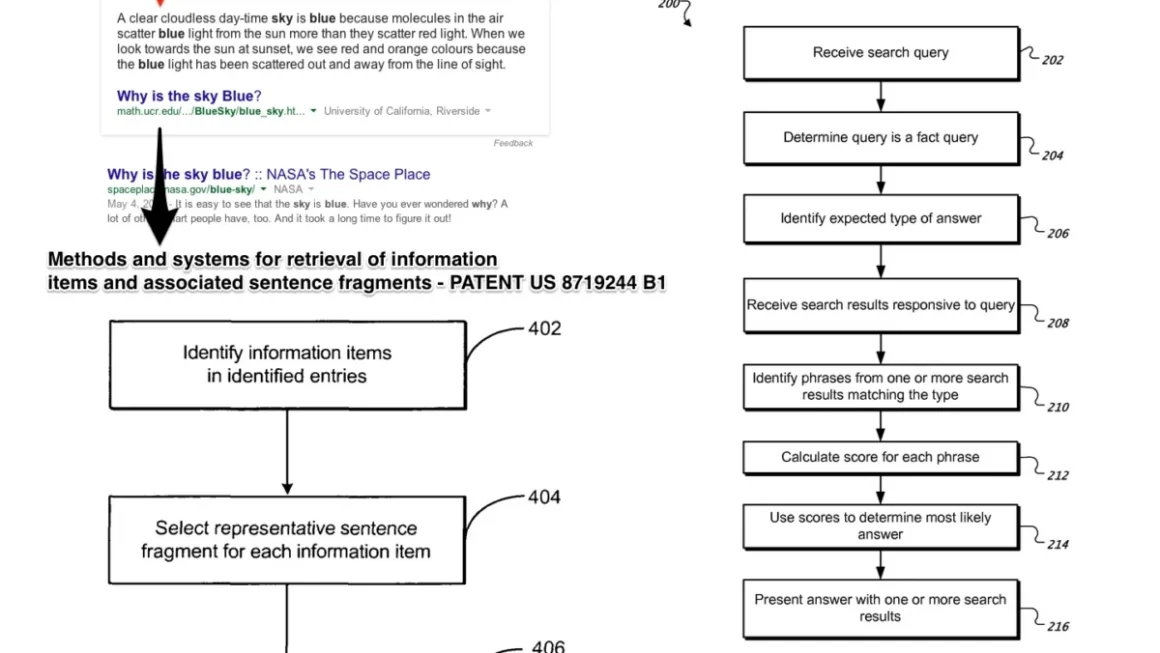







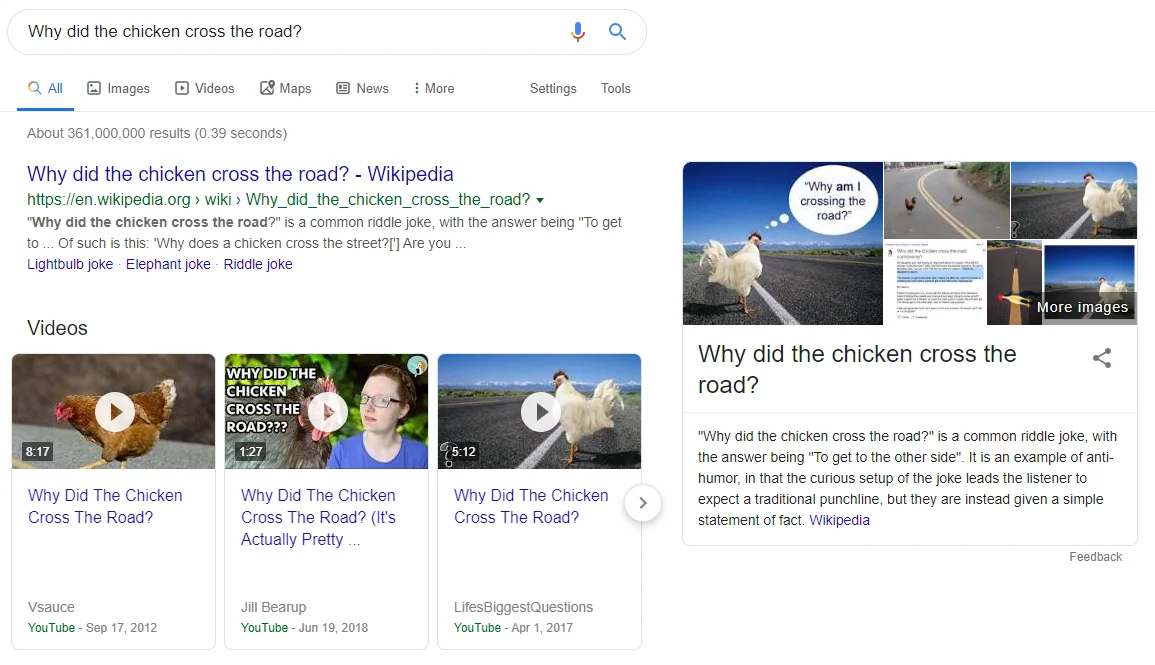
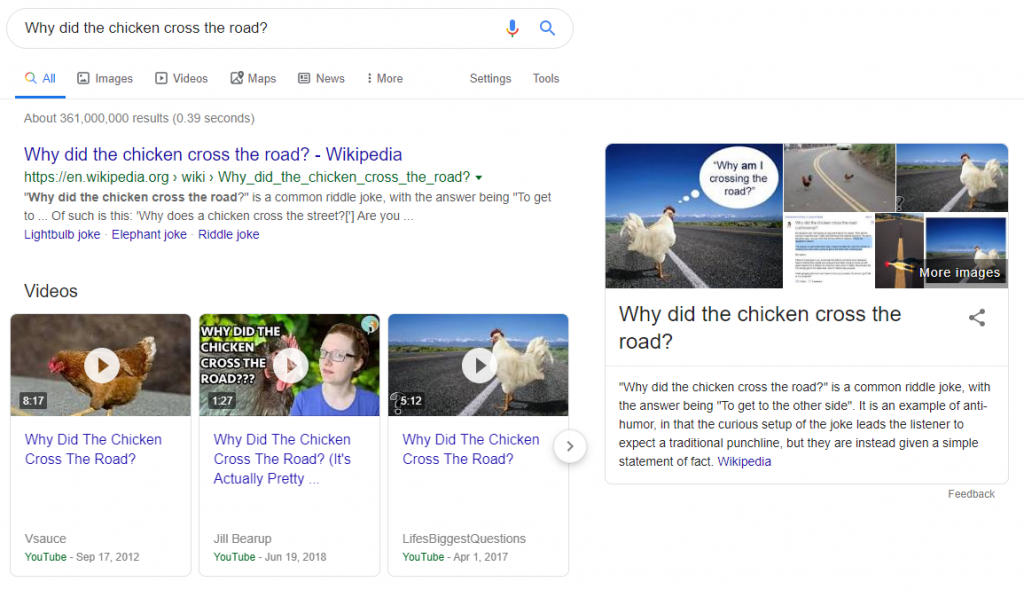
Why did the chicken cross the road? While the punchline remains a mystery, the reason behind the search for that riddle is not. If you type that query into Google today, you won’t just get a random collection of links; you will receive a curated selection of videos, featured snippets, and direct answers. This isn’t magic—it is the manifestation of Search Intent.
In the modern digital landscape, search intent—the "why" behind a user’s query—has evolved from a secondary metric into the primary North Star for search engine algorithms. Understanding this concept is no longer optional; it is the difference between ranking on the first page of Google and becoming invisible in the vast expanse of the internet.
1. Defining Search Intent: The Core of Modern SEO
At its simplest, search intent (or keyword intent) is the underlying goal of a person conducting a search. When a user inputs a query, what are they hoping to achieve? Are they seeking information, attempting to navigate to a specific website, or looking to complete a transaction?
Historically, search engines were primitive matching machines. If you searched for "running shoes," the algorithm looked for pages containing those exact words. Today, Google has transcended literal keyword matching. It now utilizes sophisticated AI and machine learning to interpret the nuance, context, and sentiment behind a query. Google’s primary mission is to provide the most relevant content that satisfies the user’s underlying need, often providing that answer directly on the search engine results page (SERP) without the user ever having to click a link.
2. A Chronology: From Keyword Matching to AI-Driven Context
The history of search intent is a timeline of increasing sophistication.
- The Early 2000s: The foundation was laid in 2002 when Andrei Broder, a researcher at AltaVista, published a seminal paper defining the three primary categories of search: Informational, Navigational, and Transactional. This framework remains the gold standard for how search engines categorize user behavior.
- The Mid-2010s: Google shifted from being a keyword-focused engine to an "entity-based" engine. With the introduction of the Knowledge Graph, the focus moved toward understanding the relationship between concepts rather than just strings of text.
- The Modern Era: Today, we are in the age of Contextual Intent. AI systems analyze sentiment, brand reputation, and user behavior across the entire web. It is no longer enough for your website to claim authority; the broader internet must validate that authority through social signals, mentions, and reputable backlinks. This is the era of Answer Engine Optimization (AEO), where the goal is to be the definitive answer that the AI provides to the user.
3. Supporting Data: The Anatomy of User Queries
Data confirms that mastering intent is a high-stakes game. There are approximately 3.5 billion Google searches performed daily, and the average query consists of only three words. This brevity places a massive burden on the search engine to accurately decode the user’s hidden desires.
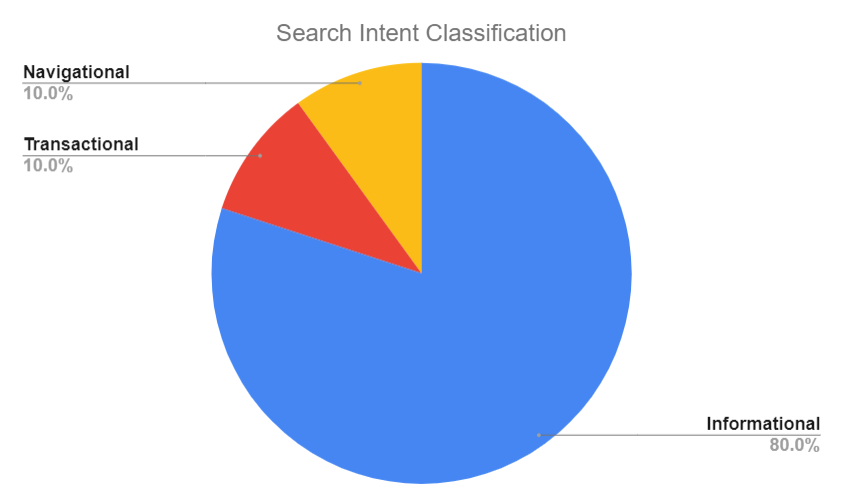
According to industry studies, search intent distribution typically falls into the following proportions:
- 80% Informational: Users are looking to learn, discover, or solve a problem.
- 20% Split: The remaining volume is divided between Navigational (finding a specific site) and Transactional (making a purchase).
Because informational queries dominate the search volume, many marketers mistakenly view them as low-value. However, the data suggests otherwise: capturing the informational stage is the first step in the buyer’s journey. By appearing in "Featured Snippets" or "People Also Ask" boxes, brands establish trust early, significantly increasing the likelihood of conversion when the user eventually reaches the transactional phase.
4. Understanding the Three Pillars of Intent
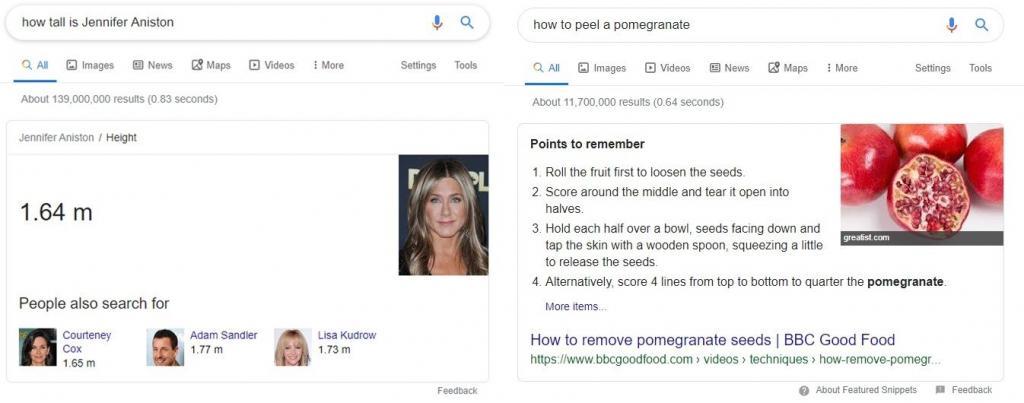
To effectively optimize content, one must distinguish between the three primary categories:
Informational Intent
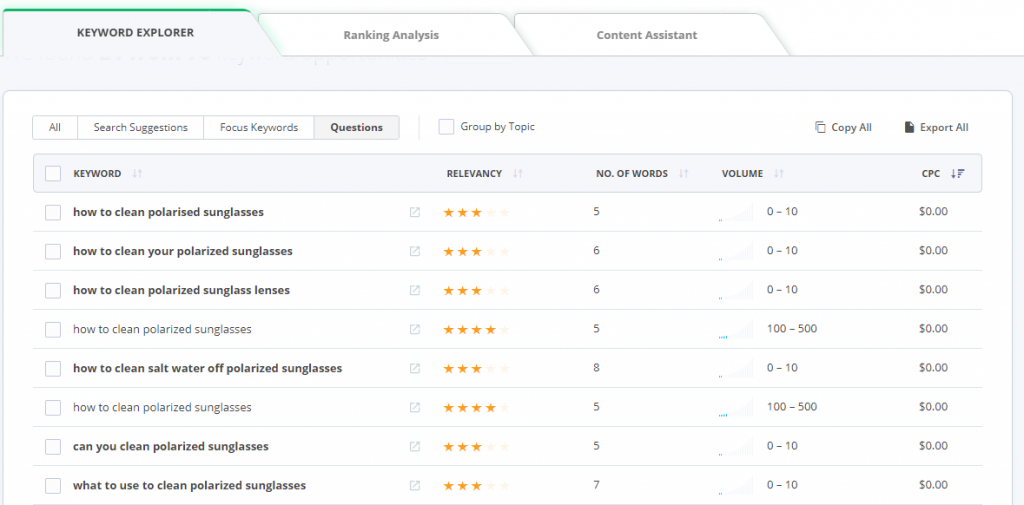
These users are in the "learning" phase. Queries often start with "how to," "what is," or "why."
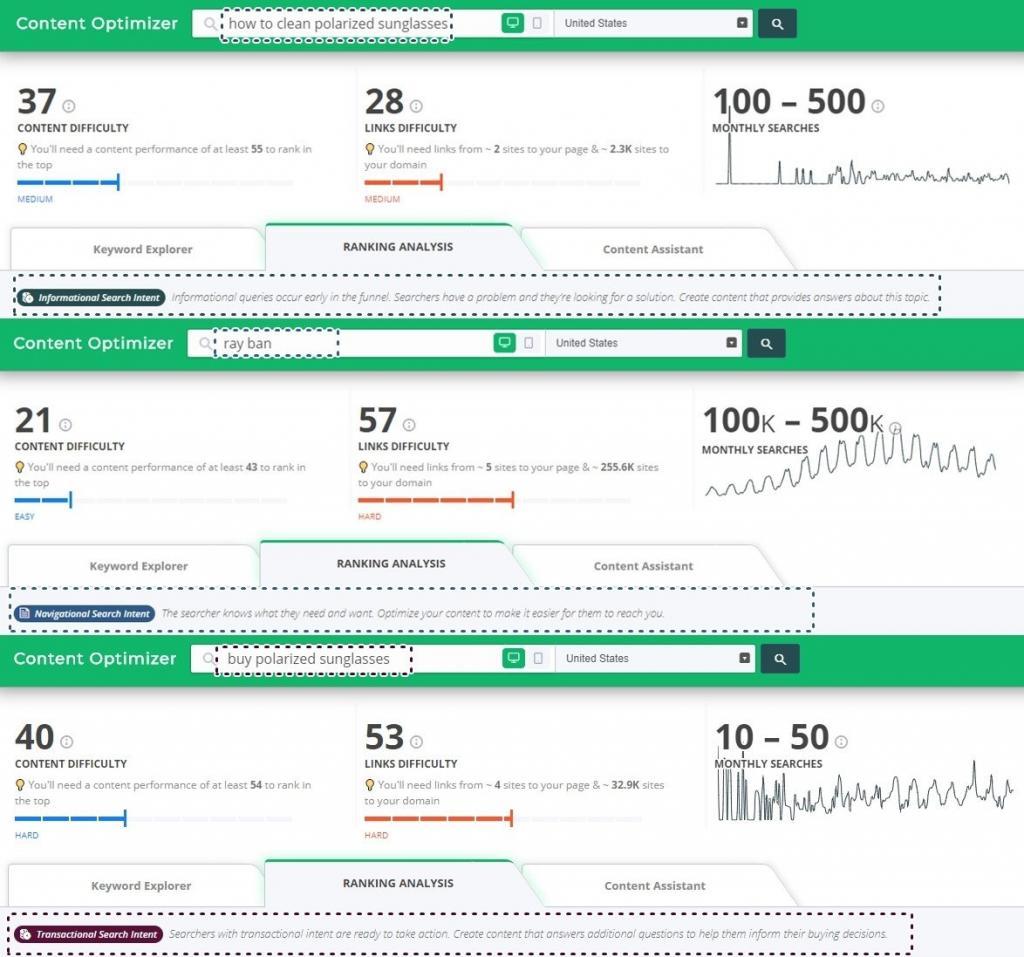
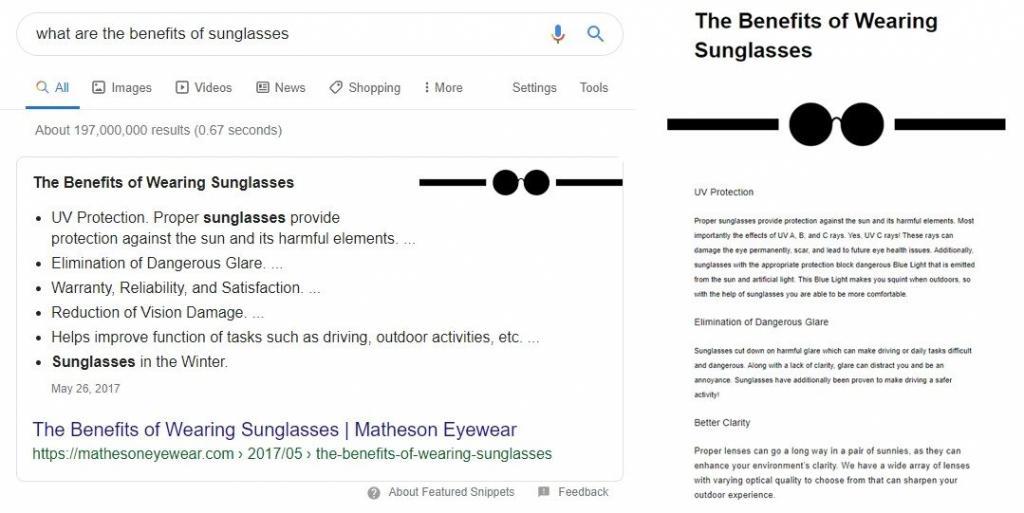
- Strategy: Create high-quality, comprehensive content that provides direct, concise answers. Utilize bullet points, lists, and clear headers to help Google’s algorithm easily extract your content for answer boxes.
Navigational Intent
These users know exactly where they want to go. They search for "Facebook login" or "Amazon."
- Strategy: While you cannot "steal" a brand’s navigational traffic, you must ensure your own brand is optimized for its own name. Protect your territory by managing your brand footprint and ensuring your site is the clear destination for your branded searches.
Transactional Intent
The user is ready to buy. Queries include "discount," "buy," "order," or "shipping."
- Strategy: These pages must be high-intent product pages. The focus should be on clear calls-to-action (CTAs), social proof, and seamless UX. Local SEO is critical here, as many transactional searches have a geographical component (e.g., "coffee shop near me").
5. Official Responses and Industry Implications
The consensus among SEO experts and search engine engineers is clear: Google does not rank pages; it ranks solutions.
When a brand fails to match the search intent, they suffer from high bounce rates and low "dwell time," both of which serve as negative signals to Google. If a user searches for a product and arrives at a vague blog post instead of a shop page, they will immediately return to the search results. Google tracks this "pogo-sticking" behavior and will eventually demote the non-relevant page.
The Rise of Brand-Centric SEO
Because AI systems now evaluate brand reputation, the implication is that off-page presence matters as much as on-page content. Tools like the BrandMentions app allow businesses to track online sentiment across news outlets, forums, and social media. This data provides a pulse on how a brand is perceived, which in turn influences the "authority" signals that search engines weigh when determining rankings.
6. The Challenge: Why Intent is Not Static
The most significant challenge for modern SEO is that intent is fluid. A keyword that is navigational today might become informational tomorrow.
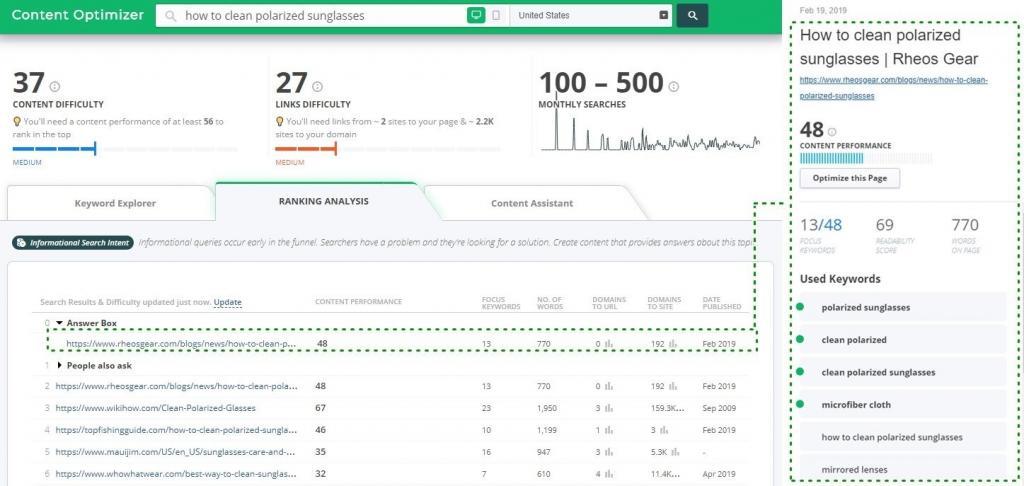
Consider the keyword "Amazon." 90% of the time, it is a navigational search for the e-commerce giant. However, during periods of climate news—such as reports on wildfires in the Amazon rainforest—the search intent shifts dramatically toward "informational."
To remain competitive, SEO professionals must:
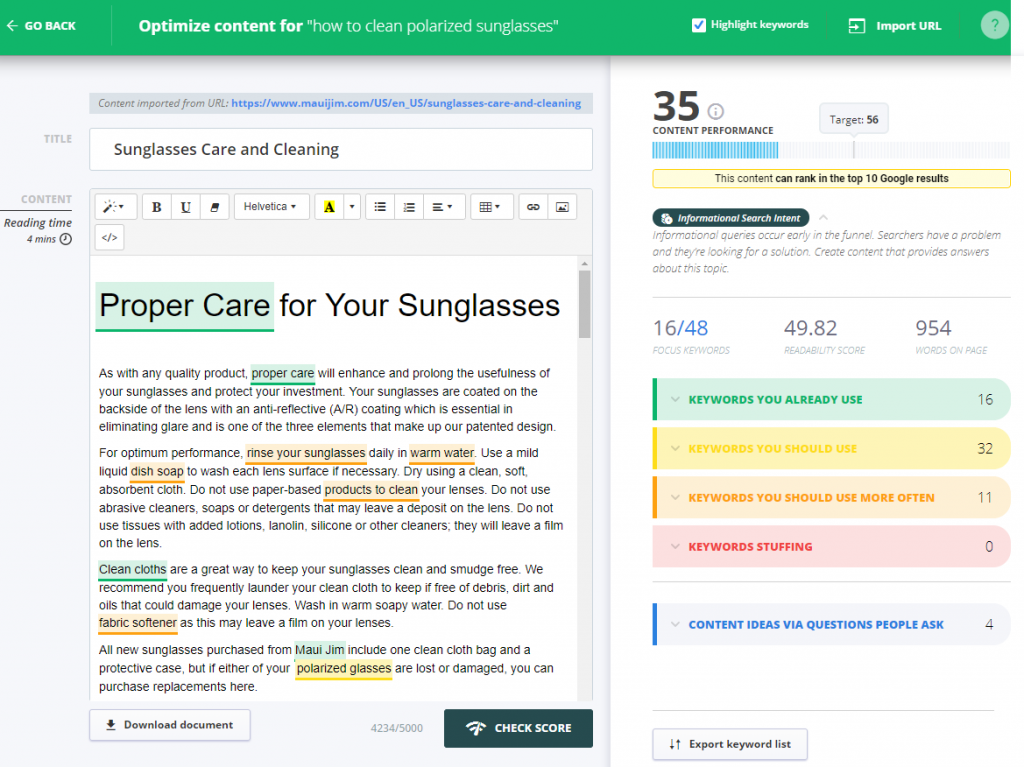
- Perform Regular SERP Analysis: Do not assume your target keyword has a static intent. Check the SERP monthly to see if the type of content ranking has changed.
- Optimize for the "Angle": While structure and format help you reach the first page, your "angle"—your unique value proposition—is what earns you the top spot. Whether it’s the most comprehensive guide or the most original research, your content must offer a perspective that others lack.
- Create Content Cycles: View your content as a map of the customer journey. Use informational blog posts to capture users at the top of the funnel, and link them strategically to your transactional product pages to guide them toward a purchase.
Conclusion: The Path Forward
In the era of AI-driven search, the brands that win are those that provide the most value with the least friction. Understanding search intent is not merely an SEO tactic; it is a fundamental business strategy. It requires empathy—the ability to put yourself in the user’s shoes and anticipate their next question before they even ask it.
Whether you are optimizing for a broad informational topic or a highly specific transactional keyword, remember that there is a human behind every query. By focusing on the intent, you aren’t just pleasing an algorithm; you are building a bridge between your brand and the people who need what you offer. If you find the complexity of this process daunting, remember that modern tools like the Content Optimizer can perform the heavy lifting, providing the insights needed to align your content perfectly with the needs of your audience.
The chicken may never explain why it crossed the road, but your business can be there to provide the answer the moment the question is asked.