




In the rapidly evolving landscape of WordPress development, Yoast SEO has solidified its position as a cornerstone plugin, serving millions of websites. Today, the Yoast team announced a significant update geared specifically toward developers and those building integrations atop the plugin’s framework. This release introduces expanded functionality for "Yoast SEO Abilities"—the company’s AI-integration layer—and completes the essential annual pruning of deprecated code, a move designed to enhance long-term performance and maintainability.
Main Facts: What This Update Means for Developers
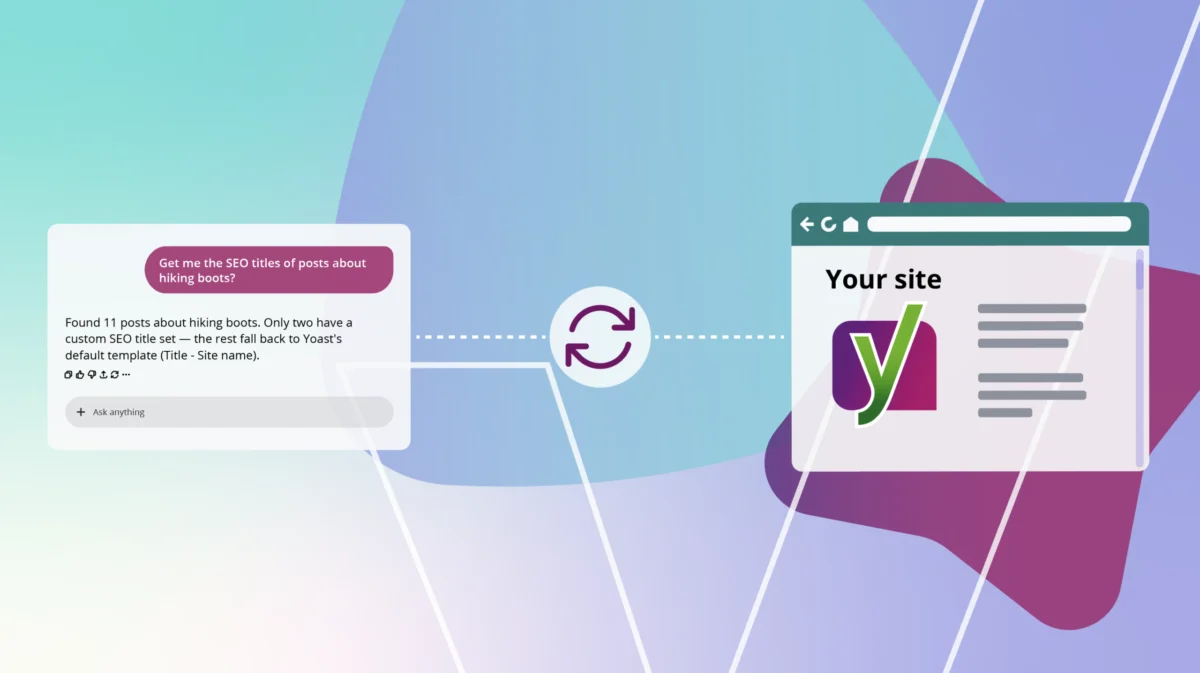
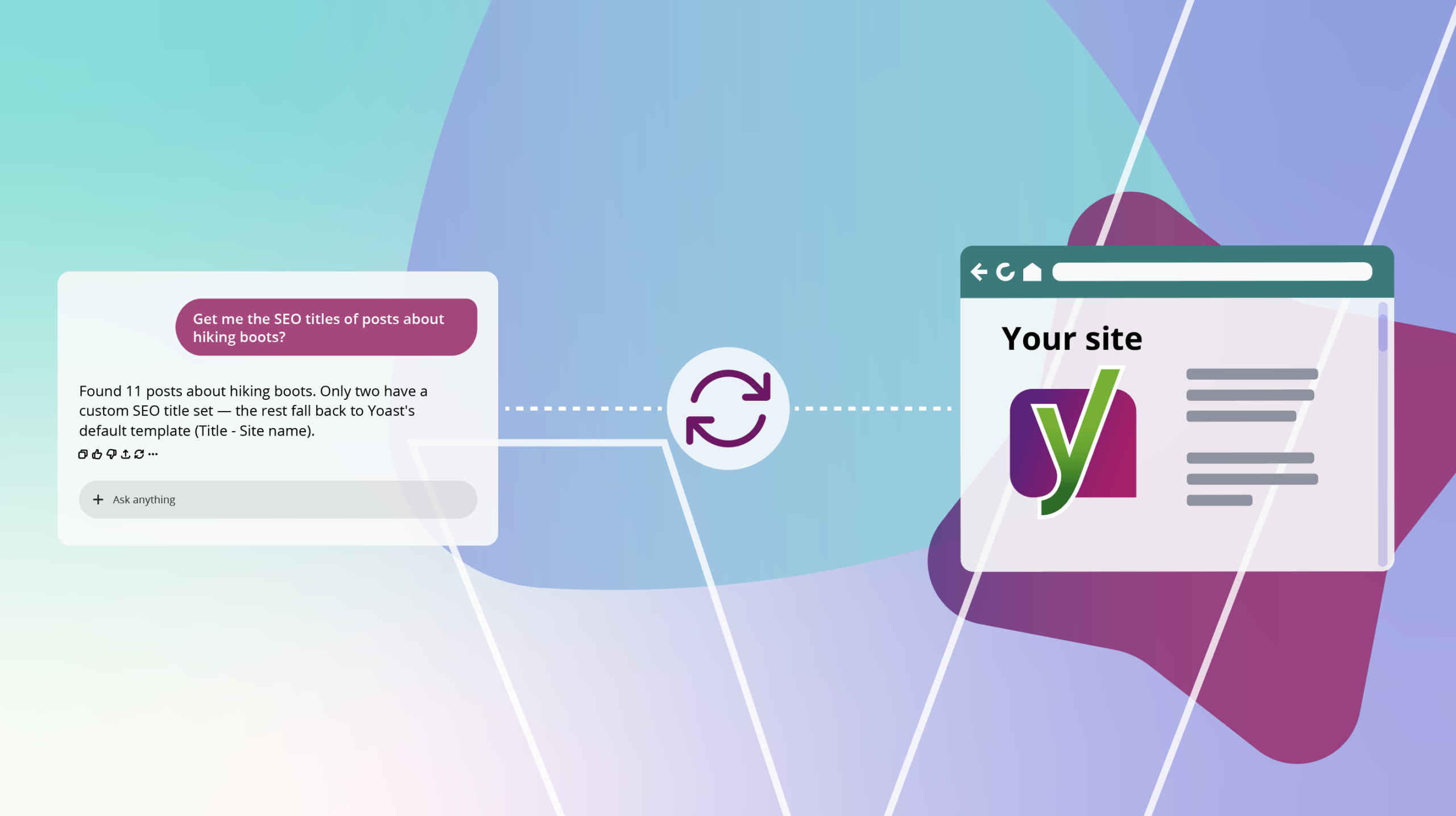
The latest update to the Yoast SEO plugin is primarily a bridge between the existing SEO architecture and modern Large Language Model (LLM) workflows. For developers, the headline feature is the enhancement of the yoast-seo/update-post-seo-data ability.
Historically, Yoast SEO Abilities allowed developers to leverage AI tools to perform sentiment analysis, readability checks, and inclusive language auditing. With this release, the scope of what an AI agent can perform within the WordPress ecosystem expands significantly. Developers can now programmatically trigger updates to core metadata, including:
- SEO Titles: Automated generation and refinement of search engine titles.
- Meta Descriptions: Dynamic updates to the snippets that drive click-through rates.
- Social Previews: Automated adjustments to Open Graph and Twitter (X) card content to ensure consistency across social media platforms.
Importantly, Yoast has maintained a "human-in-the-loop" philosophy. While AI can now suggest and apply these updates, the focus keyphrase remains strictly read-only. This design choice ensures that the fundamental SEO strategy—which requires human nuance and intent—cannot be accidentally overwritten or diluted by an LLM. Furthermore, the integration adheres to native WordPress capability checks, ensuring that only users with the appropriate permissions can trigger these AI-driven modifications.
Chronology: The Evolution of Yoast SEO Abilities
The journey toward AI-native SEO management began in earnest earlier this year. Understanding the chronology of these features helps contextualize why this latest release is a significant milestone for developers.
April 2024: The Foundation
Yoast SEO launched "Abilities," providing an interface for developers to connect their AI tools directly to their WordPress content. Initially, the focus was diagnostic. Developers could pull data to check SEO scores, readability metrics, and adherence to inclusive language standards. This established the baseline for how LLMs could interact with the Yoast backend.
September 2024: Expanding the Reach
In the autumn, Yoast introduced a critical breakthrough: the ability for AI agents to read post SEO data and correct technical settings without the developer needing to log into the wp-admin dashboard. This was a turning point for headless WordPress implementations and automated content management systems, as it allowed for "headless SEO management" where external tools could manage technical metadata remotely.
December 2024/January 2025: Full Metadata Control
The current update represents the third major phase. By adding support for updating titles and descriptions, Yoast has effectively closed the loop. An AI agent can now conduct an audit, identify an outdated product name or a weak meta description, and apply the correction directly to the database—all within a single continuous conversation thread.
Supporting Data and The Technical Architecture
For those integrating these features, the technical requirements are centered around the WordPress Model Context Protocol (MCP) Adapter. The MCP allows LLMs to communicate securely with the WordPress REST API, ensuring that commands sent to the plugin are executed within the defined security parameters.
The update to yoast-seo/update-post-seo-data now supports six additional fields that were previously restricted. This allows for a more granular control over how content is presented in search engine results pages (SERPs).
Performance Implications
The decision to remove deprecated code is not merely a housekeeping exercise; it is a performance imperative. The Yoast engineering team has removed code that was marked as deprecated in version 26.1 and earlier. By purging these legacy functions, the plugin reduces its memory footprint and decreases the potential for "technical debt" conflicts.
Developers who have been following the deprecation notices—which have been active for over a year—will find this transition seamless. However, those who have ignored the warnings may find their legacy plugins or custom themes breaking. The removal of these specific hooks and functions is designed to streamline the codebase, making it easier for the core team to ship faster updates in the future without the burden of supporting outdated architecture.
Official Perspectives and Strategy
Beth Parker, Product Marketing Manager at Yoast, emphasizes that this update is part of a broader strategy to embrace the "Agentic" future of web management. "We are moving beyond simple AI assistance," Parker notes. "By providing developers with the tools to let AI interact with the metadata layer, we are enabling a new class of automated SEO workflows that save time and ensure brand consistency."
The official stance from the Yoast development team is that these changes prioritize security and stability. By tethering all AI capabilities to the existing WordPress permission system, they avoid the "black box" risks often associated with AI plugins. The developer documentation has been fully updated to reflect these changes, offering clear schemas for the new fields and instructions on how to leverage the MCP adapter to handle the data flow.
Implications: The Future of SEO Automation
The implications of this update are profound for three distinct groups:
1. For Agency Owners and Developers
Agencies managing hundreds of client sites can now create internal "SEO agents." These agents can perform site-wide audits on a recurring basis. If a client updates their branding, an AI agent can scan the entire site, identify all occurrences of the old brand name in metadata, and propose—or automatically apply—the changes. This reduces the labor-intensive process of manual metadata updates.
2. For Headless WordPress Users
For those using decoupled architectures (where WordPress acts as a backend and a framework like React or Vue serves the frontend), the ability to update metadata via the API is a game changer. It removes the necessity for a custom-built, parallel metadata management system, allowing developers to rely on Yoast’s robust, battle-tested logic even when they aren’t using the standard WordPress theme system.
3. For the WordPress Ecosystem
The move to remove deprecated code annually is a signal that the WordPress ecosystem is maturing. By forcing the hand of plugin and theme developers to modernize their code, Yoast is contributing to a more stable and secure web. While the immediate effect might be a "breakage" for sites that haven’t kept up with maintenance, the long-term effect is a faster, more predictable environment for all users.
How to Prepare Your Environment
If you are a developer looking to integrate these new capabilities, the following steps are recommended:
- Audit Your Codebase: Search your current plugins and themes for any references to the deprecated functions identified in the Yoast migration guide. The link provided in the official release notes (via GitHub) is the definitive source for what has been removed.
- Update the MCP Adapter: Ensure your implementation of the WordPress MCP Adapter is running the latest version. The communication between your LLM and the WordPress REST API relies on this middleware, and the schema updates for the new fields are contingent on this version.
- Implement Security Checks: Since your AI tool now has the power to change metadata, ensure that your authentication tokens for the API are stored securely and that your system is configured to log all changes made by the AI.
- Test in Staging: Before deploying the Yoast update to a production environment, test the new capabilities in a staging instance. Specifically, trigger an update to a post title and verify that the change reflects correctly in the database and the frontend.
Conclusion
The latest update from Yoast is more than just a list of new features and code cleanup; it is a clear statement on the trajectory of SEO management. By integrating LLMs directly into the metadata layer, Yoast is positioning itself as the infrastructure for the next generation of automated web management.
While the cleanup of deprecated code requires some diligence from the developer community, the trade-off is a leaner, more powerful toolset. As AI tools continue to permeate the WordPress landscape, the ability to safely and programmatically interact with SEO data will become a standard expectation. With this release, Yoast has not only met that expectation but has provided a roadmap for developers to follow. Whether you are managing a small blog or a complex headless application, these tools provide the control and efficiency necessary to stay competitive in an increasingly automated digital world.