







For nearly a decade, a small, subtle vibration on the wrist has served as the digital conscience for millions of desk workers, students, and sedentary professionals. Since the debut of the Fitbit Alta in 2016, the "Reminders to Move" feature—a simple nudge prompting users to complete 250 steps every hour—has been a cornerstone of the Fitbit experience. It was a tangible way to break the monotony of the workday and combat the physiological risks associated with prolonged sitting.
However, users upgrading to the latest Google Fitbit Edge are finding themselves in an uncharacteristically quiet environment. Despite the device’s modern design and premium price point, the feature that many credit with keeping them active has been conspicuously omitted. This absence has sparked a firestorm of complaints across social media platforms, Reddit threads, and official Google support forums, raising questions about Google’s design philosophy for its wearable lineup.
Main Facts: The Disappearing Nudge
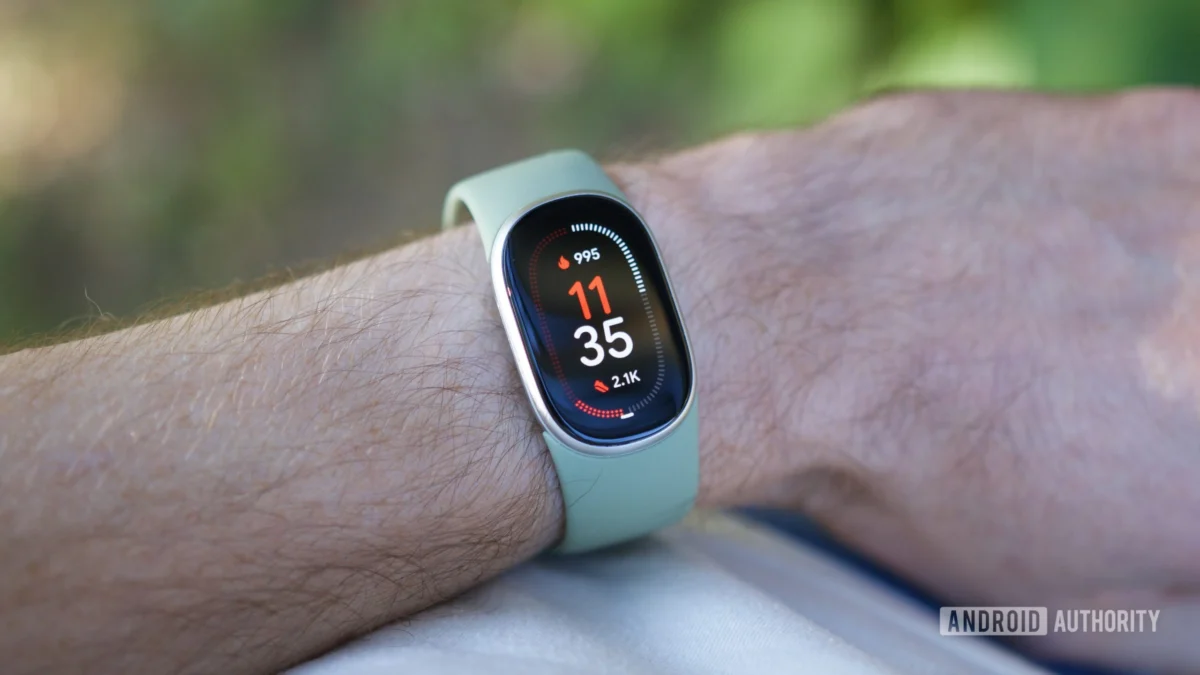
The Fitbit Edge, priced at $180, is being marketed as a core component of Google’s health ecosystem. Yet, owners are discovering that while the device tracks their steps throughout the day, it fails to provide the critical hourly nudge that was once a staple of the Fitbit ecosystem.
Traditionally, Fitbit devices would provide a gentle haptic vibration 10 minutes before the end of an hour if the user had not yet met the 250-step threshold. This goal was designed to encourage "micro-movements," ensuring that physical activity was spread evenly across the day rather than crammed into a single evening workout.
For the Fitbit Edge, this functionality is entirely absent. There is no toggle in the settings, no notification, and no progress tracking for the hourly goal on the device interface. For a generation of users conditioned by years of Fitbit ownership, the lack of this feedback loop feels like a regression in utility.
Chronology: A Pattern of Omission
The discontent surrounding the Fitbit Edge did not emerge in a vacuum; it is the latest chapter in a broader shift in how Google manages the Fitbit brand.
The Fitbit Air Precedent
The conversation regarding the removal of move reminders began in earnest earlier this year with the release of the Fitbit Air. When users realized the Air lacked the feature, they flocked to the Google Health Community for answers. In June, a Google Health Community Specialist provided a justification: the Air, they claimed, was designed to be a "passive" tracker, and its limited screen real estate made it difficult to display the necessary "remaining steps" count.
Later, a secondary clarification suggested that the Air was intentionally designed to minimize "user interruptions" to provide a more streamlined, less "nagging" experience. At the time, many consumers accepted this as a hardware limitation of the cheaper Air model.
The Launch of the Fitbit Edge
When the Fitbit Edge was announced, users assumed the return to a more traditional, screen-equipped form factor would restore the missing functionality. The Edge features a vibrant display and robust notification support, making the previous excuses regarding "screen limitations" effectively null and void.
Upon the device’s release in October 2026, the absence of the feature was immediately flagged. The discrepancy between the device’s hardware capability and its software restrictions has led to widespread confusion. As of today, the feature remains missing, with no timeline for a software patch or a public acknowledgement that it is currently in development.
Supporting Data: The Voice of the Community
The outcry is not merely a matter of personal preference; it is a significant point of contention for long-term users who view the device as a health tool rather than a fashion accessory.
On Reddit’s r/fitbit community, threads dedicated to the "missing" feature have garnered hundreds of upvotes. One common sentiment shared among users is that the feature was the "primary reason" they purchased a Fitbit in the first place. For individuals with chronic health conditions or those recovering from surgery, the hourly reminder is not just a "nice-to-have" feature; it is a medical management tool.
Similarly, the Google Health Community forums contain multiple threads with titles ranging from "Bring back hourly move reminders" to "Feature request: Why was this removed?" The sheer volume of feedback suggests that the decision to remove the feature has alienated a loyal user base that relies on the "gamification" of health to stay motivated.
Official Responses and Corporate Strategy
Google’s communication regarding these changes has been sparse and, at times, inconsistent. While representatives have acknowledged the feedback, they have not provided a definitive roadmap for restoring the feature.
The strategy appears to be rooted in a "minimalist" approach to health tracking. By reducing the number of alerts, Google may be attempting to reduce "notification fatigue." In the modern era, where users are constantly bombarded by emails, pings, and social media alerts, there is a legitimate school of thought that wearables should be less intrusive. However, this philosophy clashes directly with the foundational ethos of Fitbit, which was built on the premise of active, consistent coaching.
Industry analysts suggest that this shift may also be part of a broader consolidation of features between Fitbit and the Google Pixel Watch line. By intentionally stripping down the mid-range Fitbit trackers, Google may be attempting to create a clearer product hierarchy, reserving more sophisticated coaching features for their premium smartwatch offerings.
Implications: A Brand at a Crossroads
The removal of the hourly move reminder has significant implications for both the consumer and the brand.
The Impact on User Behavior
For many users, the "Reminders to Move" feature was the bridge between a sedentary lifestyle and an active one. Removing this prompt removes the external accountability that many need to maintain their health. If a device stops acting as a "coach" and becomes merely a "recorder," its value proposition drops significantly. Users are already reporting that they are less aware of their activity levels throughout the day, leading to a measurable decrease in their daily step counts.
Brand Loyalty and Market Competition
Fitbit, once the undisputed leader in the fitness tracker space, now faces stiff competition from companies like Garmin, Xiaomi, and Oura. These competitors have leaned into customization, allowing users to toggle specific reminders on or off based on their preferences. By removing the option entirely, Google risks alienating the "power users" who have supported the brand since its inception.
If Google continues to prioritize a "passive" experience over an "active" one, it may find that its most loyal customers are the first to defect to brands that still prioritize granular control and proactive health coaching.
The Road Ahead
As of this writing, we have reached out to Google for a formal comment on the status of the Fitbit Edge’s feature set. We are seeking clarification on whether the removal of the hourly move reminder is a permanent design choice or a temporary oversight that will be addressed in a future firmware update.
The current situation with the Fitbit Edge serves as a cautionary tale in product development: when you change a feature that has become a habit for millions, you aren’t just updating software—you are changing the lifestyle of your users. Whether Google chooses to listen to the outcry and restore the feature, or whether they double down on their minimalist vision, remains to be seen.
For now, the thousands of Fitbit Edge users waiting for a vibration that never comes will continue to wonder if their wrist-worn coach has retired, or if it was simply never built for them in the first place. We will continue to monitor this situation and provide updates as more information becomes available.