










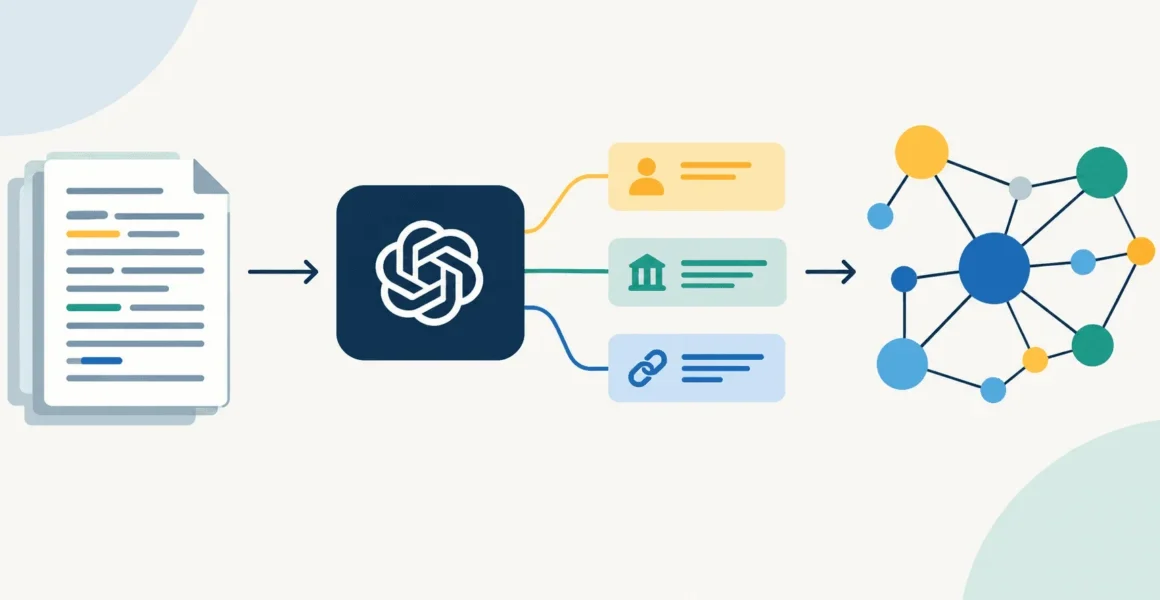
In the evolving landscape of Artificial Intelligence, the transition from unstructured data to actionable, deterministic intelligence remains a primary hurdle for developers. While vector-based Retrieval-Augmented Generation (RAG) systems have revolutionized how machines query information, they are inherently probabilistic—prone to the occasional, yet costly, hallucination. By shifting toward a Graph-RAG architecture, developers are now finding a […]
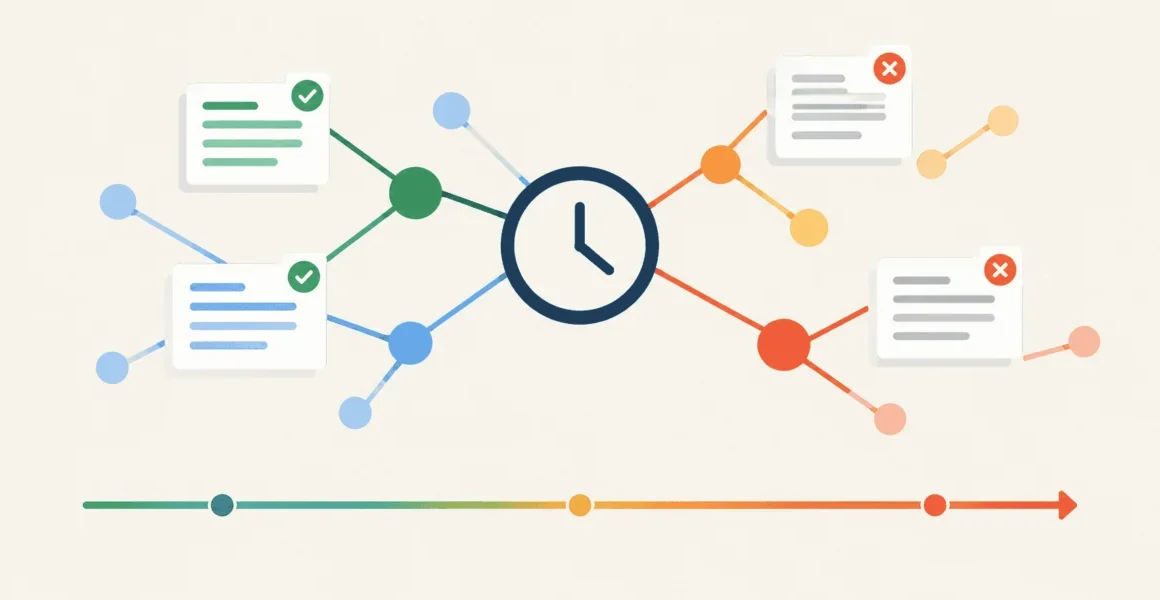
Temporal Intelligence: Mastering Fact Freshness in Graph-RAG Architectures
In the rapidly evolving landscape of Retrieval-Augmented Generation (RAG), the primary challenge has shifted from merely retrieving relevant information to ensuring that the retrieved information is truthful and current. As organizations deploy Large Language Models (LLMs) to navigate complex data environments, they face a silent killer of system performance: "temporal staleness." Standard Knowledge Graphs (KGs) […]
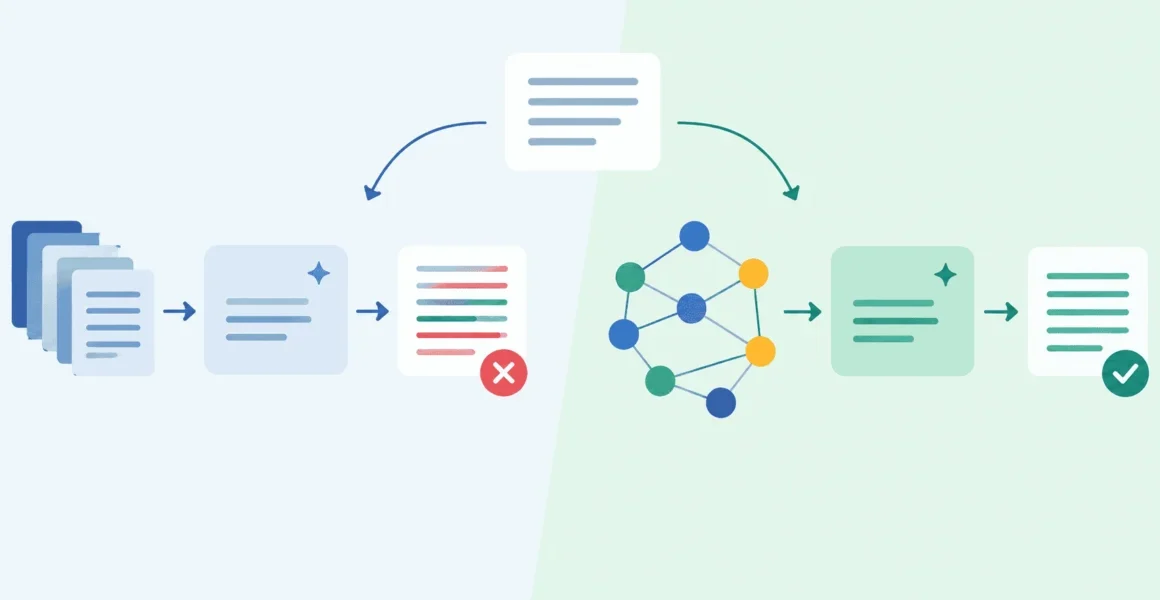
Benchmarking Precision: Graph-RAG vs. Vector RAG in Fact-Dense Environments
In the rapidly evolving landscape of Large Language Model (LLM) applications, Retrieval-Augmented Generation (RAG) has become the gold standard for grounding AI in proprietary data. However, as organizations transition from proof-of-concept chatbots to mission-critical production systems, the "hallucination problem"—where models confidently present incorrect facts—remains a significant hurdle. A primary culprit is the inherent "lossiness" of […]