








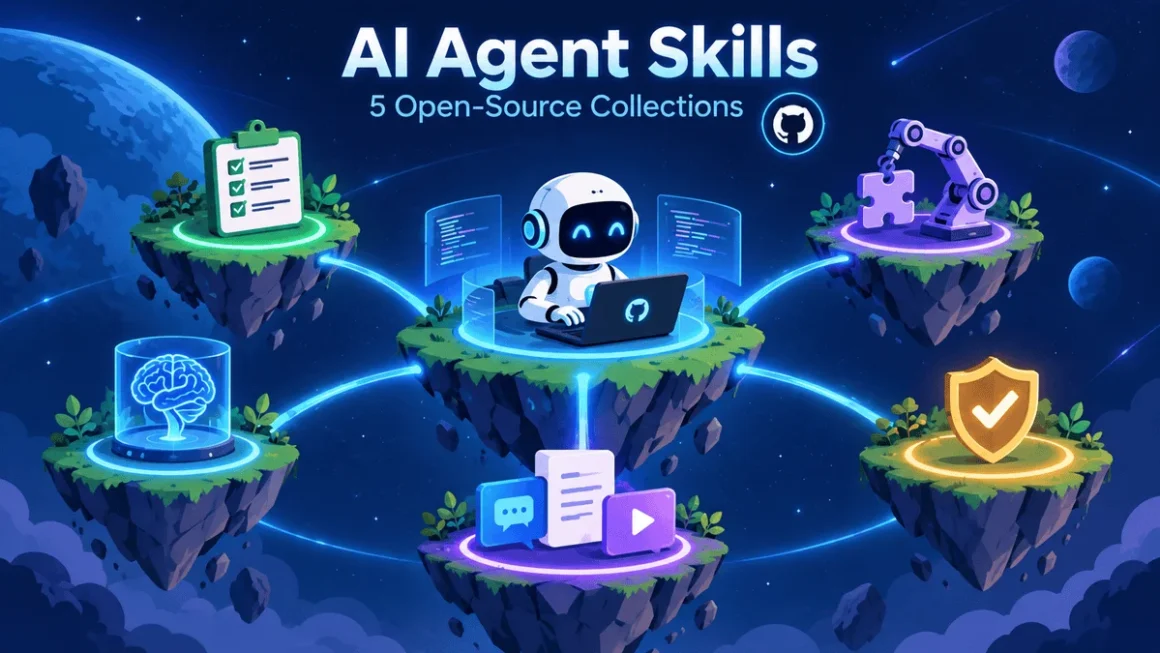
In the rapidly evolving landscape of software development, the conversation has shifted from "Can AI write code?" to "Can AI act as a senior software engineer?" While modern AI coding agents—such as Claude Code, Cursor, and GitHub Copilot—have mastered the art of syntax and boilerplate generation, the actual business of building software remains a complex, […]

The Architectures of Chance: Unearthing the Roots of AI Hallucinations
In the modern era of generative artificial intelligence, “hallucinations”—those moments when a chatbot confidently presents a falsehood as an absolute truth—are often viewed as a technical nuisance, a bug to be patched out by corporate developers. However, a groundbreaking new paper by historian of science and technology Eric Lindquist, published in the journal Past and […]

The State of the Modern Web: AI-Assisted Migrations, Performance Breakthroughs, and Future Architectures
The landscape of web development is shifting at an unprecedented velocity. As we move deeper into the "agentic era"—a period defined by the integration of autonomous AI agents into the software development lifecycle—the fundamental tools we rely on are undergoing radical transformations. From massive code migrations to experimental browser features, the recent weeks have highlighted […]

Beyond the First Pass: The Evolution from Naive RAG to Agentic Architectures
Large language models (LLMs) have fundamentally altered the landscape of artificial intelligence, offering unprecedented capabilities in text generation, summarization, and creative synthesis. However, these models suffer from a persistent, well-documented flaw: the tendency to hallucinate. When operating without access to verified, real-time data, LLMs often generate plausible but factually incorrect assertions. The industry’s primary defense […]
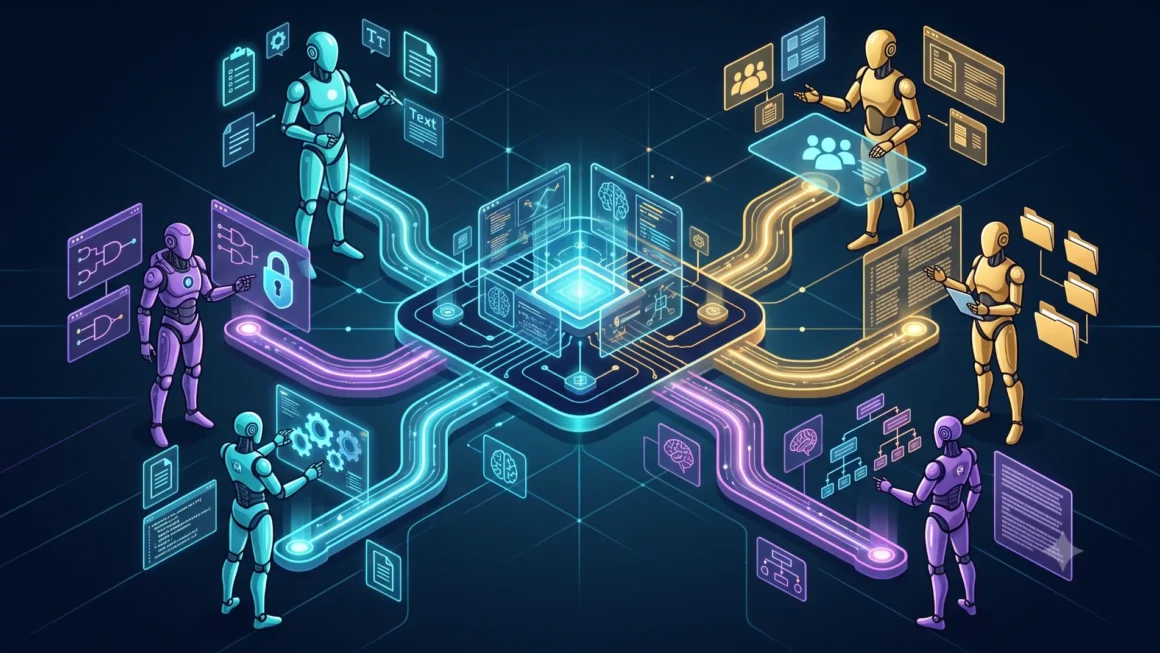
From Sandbox to Scale: A Professional Practitioner’s Guide to Enterprise Agentic AI Architectures
As the artificial intelligence landscape transitions from static conversational bots to dynamic autonomous workflows, enterprise technology leaders face a pressing operational challenge. While conversational AI and standalone large language models (LLMs) have proven their utility for text generation and semantic retrieval, moving an agentic system from a proof-of-concept to a reliable, production-ready enterprise workflow requires […]
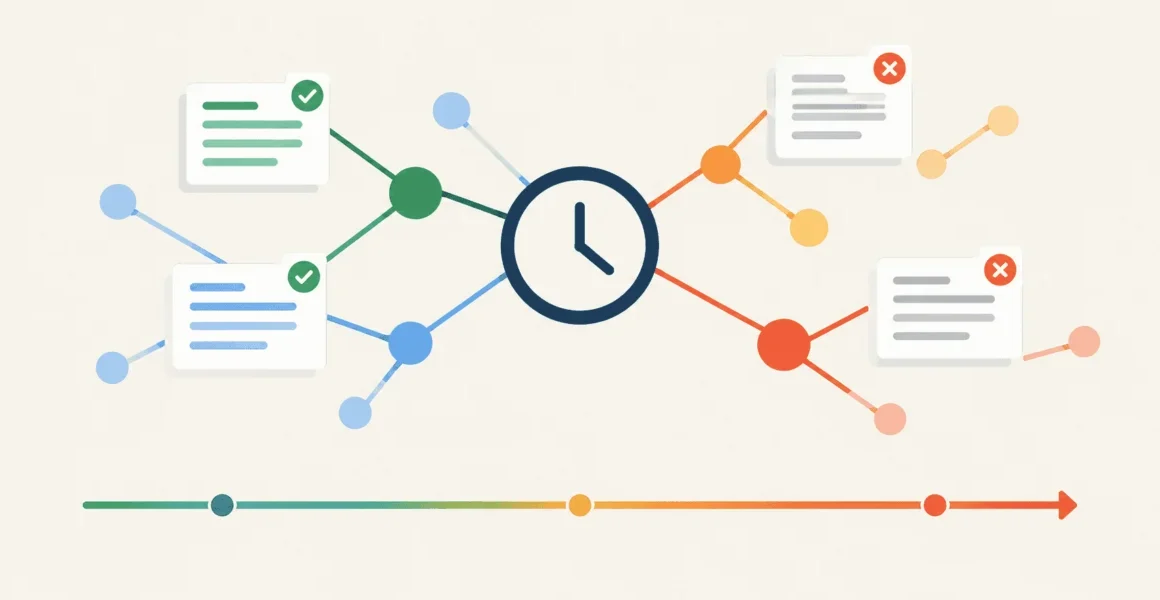
Temporal Intelligence: Mastering Fact Freshness in Graph-RAG Architectures
In the rapidly evolving landscape of Retrieval-Augmented Generation (RAG), the primary challenge has shifted from merely retrieving relevant information to ensuring that the retrieved information is truthful and current. As organizations deploy Large Language Models (LLMs) to navigate complex data environments, they face a silent killer of system performance: "temporal staleness." Standard Knowledge Graphs (KGs) […]
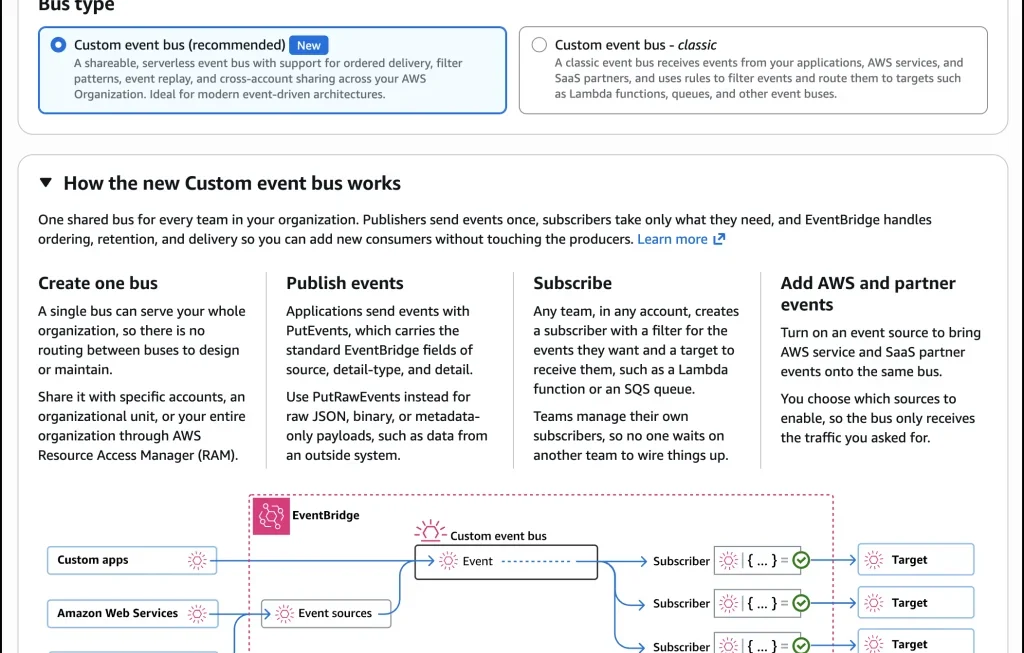
AWS Unveils Enhanced Amazon EventBridge Custom Event Bus to Streamline Multi-Account Serverless Architectures
SEATTLE — In a major development for cloud architects and serverless developers, Amazon Web Services (AWS) has announced the general availability of an enhanced custom event bus in Amazon EventBridge. Purpose-built to address the operational friction of scaling event-driven applications across complex, multi-account enterprise environments, the new offering introduces organization-wide sharing, native event ordering, unified […]
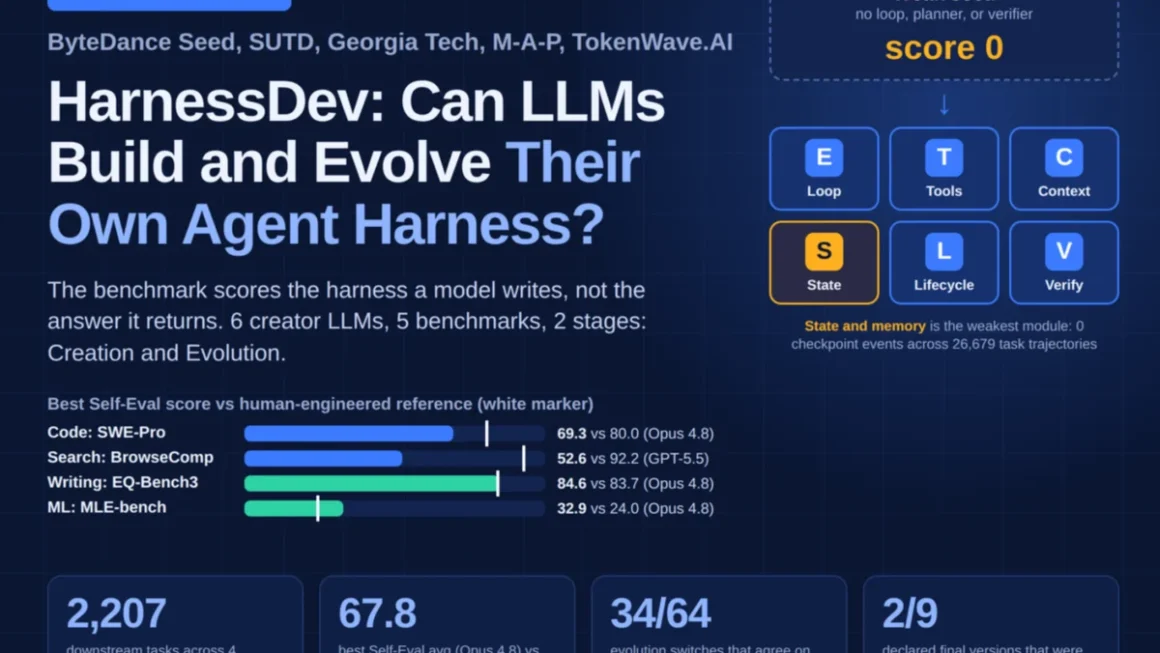
The Harness Revolution: Redefining AI Agent Evaluation through Self-Constructed Architectures
In the rapidly evolving landscape of Large Language Models (LLMs), the industry has long focused on the "brain"—the weights, the training data, and the raw inference capability of the model itself. However, a groundbreaking new study, HarnessDev, suggests that the true bottleneck for AI performance isn’t the model’s intelligence, but the "harness" that surrounds it. […]