





If you have ever daydreamed about carving your own destiny using nothing but the creative power of your intellect, there has never been a more pivotal time to act. As the global media landscape undergoes a seismic shift, the traditional safety nets of the journalism industry are fraying. For many, the path forward is no longer found in a corporate newsroom, but in the autonomy of the open market. This week, we explore the essential architecture of a successful freelance writing career—from selecting a lucrative niche to mastering the art of the pitch.
The State of the Industry: Why Freelancing is the New Standard
The journalism and content industries are currently navigating a turbulent period. With major media organizations announcing significant, sweeping workforce reductions throughout 2025, the "staff writer" model is increasingly viewed as an endangered species. For veteran journalists and aspiring writers alike, this volatility acts as a catalyst for a necessary transition.
The pivot to freelance work is no longer just a "side hustle" mentality; it is a strategic maneuver to stabilize one’s financial and mental well-being. By diversifying your client base, you effectively insulate yourself from the whims of a single employer. As freelance journalist Kate Hutchinson aptly notes, transitioning to professional freelancing requires a fundamental shift in mindset—viewing oneself not merely as a writer, but as a business entity that must be managed with precision.
Chronology of the Shift
The transition toward a gig-based media economy did not happen overnight. It has been a decade-long evolution defined by three distinct phases:
- 2015–2019: The Digital Gold Rush. Content marketing exploded as brands realized they needed to act like publishers. This created an initial surge in demand for freelance copywriters and blog content creators.
- 2020–2023: The Remote Acceleration. The global pandemic forced organizations to embrace remote workflows, effectively normalizing the idea of hiring freelancers from anywhere in the world to replace or augment full-time staff.
- 2024–2025: The Efficiency Correction. Amidst economic tightening, companies began aggressively trimming permanent overhead, opting for "on-demand" talent. This has solidified the freelancer’s position as a vital, flexible component of the modern content engine.
Essential Pillars of the Freelance Mindset
Success in this arena is rarely accidental. It is the result of rigorous professional habits.
Get Thick Skin
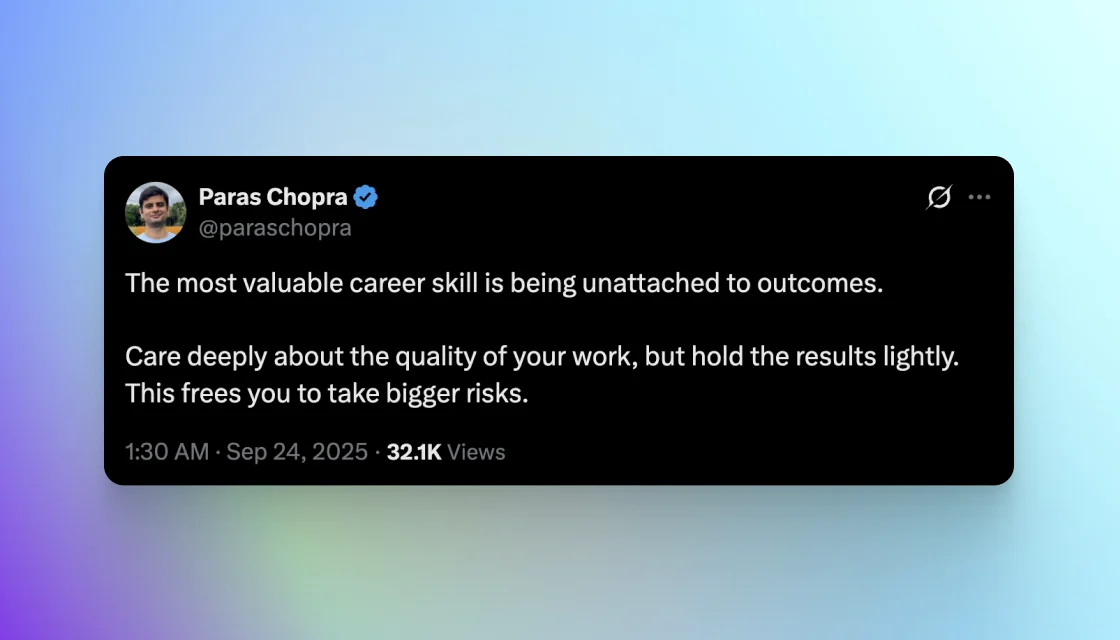
The most common barrier to entry is the psychological weight of rejection. In the freelance world, a "no" from an editor is not a commentary on your worth as a human being; it is a data point regarding a specific publication’s current needs. Developing a professional detachment from your work is essential for long-term survival.

Financial Management
When you become your own boss, you also become your own accounting department. The irregular nature of freelance income necessitates a disciplined approach to savings, tax reserves, and overhead management. Experts recommend keeping at least six months of living expenses in a "dry powder" account to weather the inevitable lean months between major contracts.
Balancing Style and Substance
While your prose should be sharp, stylish, and engaging, your business operations must be even more robust. The most successful freelancers are those who treat their writing as a craft but their administrative processes as a science. Know when to say "no" to low-paying, high-maintenance clients—this is perhaps the most important skill for protecting your creative energy.
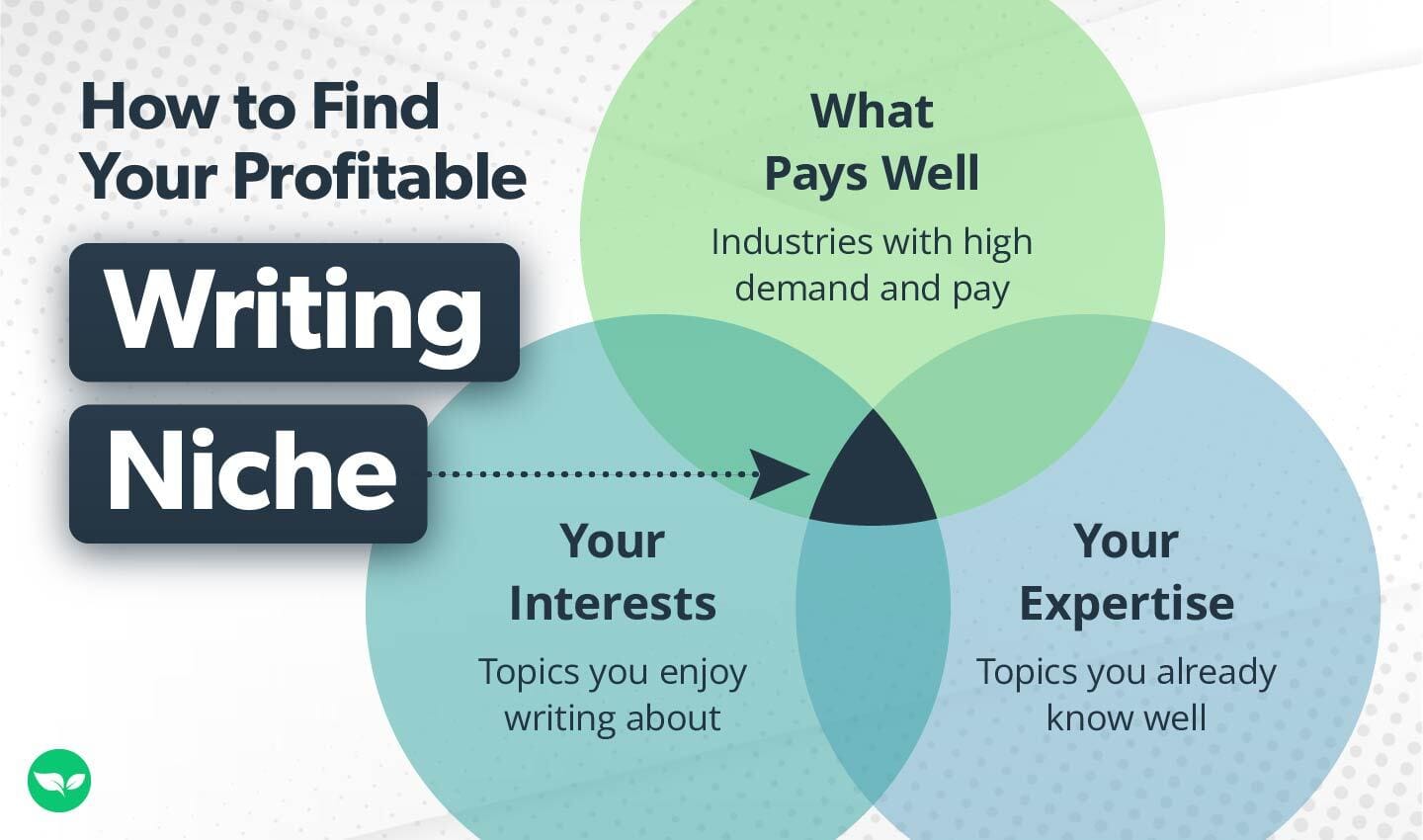
Defining Your Territory: Choosing a Niche
The paradox of freedom is that it can lead to paralysis. With an infinite horizon of topics to cover, how does one choose a path? Choosing a niche is not about limiting your creativity; it is about establishing expertise. Clients do not pay for "generalists"; they pay for specialists who can solve their specific problems.

According to industry insights from platforms like Upwork, the most in-demand niches for 2025 are as follows:
- Technical Writing: As technology becomes increasingly complex, the need for individuals who can translate "developer speak" into human-readable documentation has never been higher. This is one of the most stable and high-paying sectors in the writing industry.
- SEO-Driven Blog Content: Businesses remain desperate for long-form, authoritative content that ranks on search engines. If you can marry journalistic integrity with SEO best practices, you will never be short of work.
- Strategic Copywriting: Unlike journalism, copywriting is designed to convert. If you understand the psychology of a sale, your value to a marketing team is immense.
- News and Current Events: For those with the stamina for the 24-hour news cycle, there remains a persistent need for rapid-response journalists who can verify facts and cite credible sources under pressure.
- Ghostwriting: The ultimate act of service. By helping executives, thought leaders, and founders articulate their ideas, you can command premium rates while staying behind the scenes.
- Resume and Career Coaching: A niche that thrives in volatile economic times. When the job market is tight, people invest heavily in professional branding.
The Art of the Pitch: Opening Doors
Once you have identified your niche, you must master the art of the pitch. Gigs do not fall into your lap; they are won through concise, professional, and persuasive communication.
Best Practices for Editor Outreach
The goal of a pitch is to provide an editor with a solution, not just an idea.
- Be Brief: Editors are inundated with emails. Your subject line should be a headline that communicates exactly what you are offering. Keep the body of the email to three paragraphs or less: Who you are, what you are proposing, and why it matters to their specific audience.
- Show, Don’t Tell: Do not just say you are a great writer—provide links to your best work. If you don’t have clips, create a portfolio site that demonstrates your voice, style, and range.
- Do Your Homework: Nothing kills a pitch faster than a generic "spray and pray" email. Read the publication. Understand their tone. If you are pitching a piece on sustainable tech to a magazine that only covers fashion, you have already failed. Align your pitch with their existing editorial voice.
- The Follow-Up Protocol: If you don’t hear back after two weeks, a polite, single follow-up is perfectly acceptable. After that, assume the answer is no and move on. The "churn" is part of the process; do not let a lack of response discourage your momentum.
Implications for the Future of Work
The rise of the independent writer has profound implications for the media industry. We are witnessing the democratization of the creator economy, where individual writers can build personal brands that rival traditional publications in terms of reach and influence.
However, this shift also places the burden of professional development entirely on the individual. There is no longer a corporate HR department to provide training or professional mentorship. Consequently, the most successful writers of the coming decade will be those who actively seek out communities, attend workshops, and commit to life-long learning.
A Final Thought on Resilience
The transition to freelancing is a journey of self-actualization. While it requires the discipline to manage your own finances and the courage to face constant rejection, it offers a degree of agency that is impossible to find within the rigid structures of legacy media.

If you are currently sitting on the sidelines, waiting for the "right time" to start, consider that the best time to build your own infrastructure was yesterday. The second best time is today. As you navigate the stormy seas of the modern industry, remember that you are the captain of your own ship. By focusing on your niche, refining your pitch, and maintaining the professional resilience to keep moving forward, you are not just surviving—you are building a sustainable, independent career that is truly your own.
For those ready to join a network of like-minded creators, look to community platforms and creator hubs to find the support system that will carry you through your journey. The horizon is wide, and the tools are in your hands. It is time to write your own destiny.