






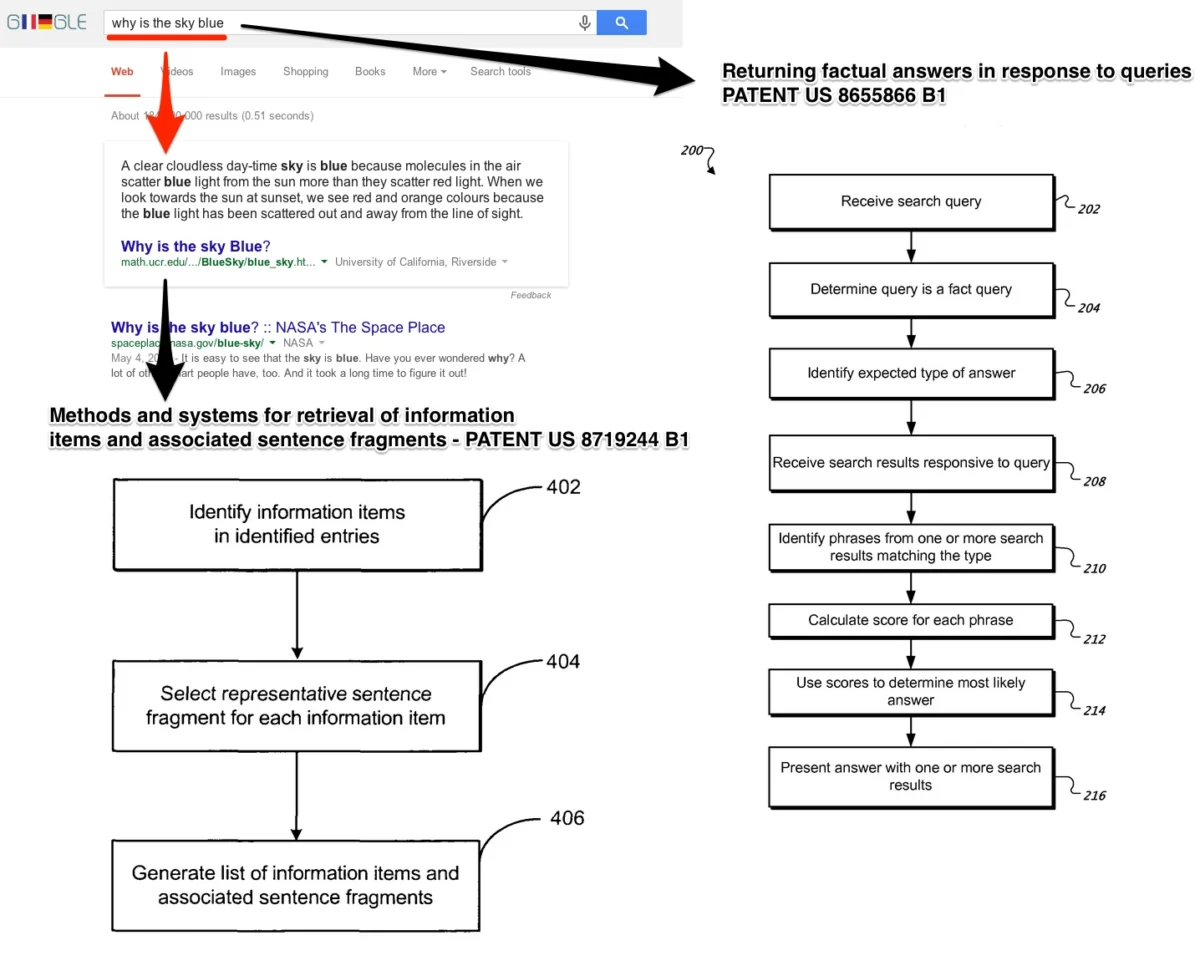
In the landscape of modern Search Engine Optimization (SEO), the goalpost has shifted significantly. For years, the ultimate prize was the top organic spot on Google’s first page. Today, however, that goal has been superseded by "Position Zero"—the coveted Google Answer Box (also known as a Featured Snippet). Securing this prime real estate means your content is displayed at the very top of the search results, providing users with an instant, concise answer to their queries.
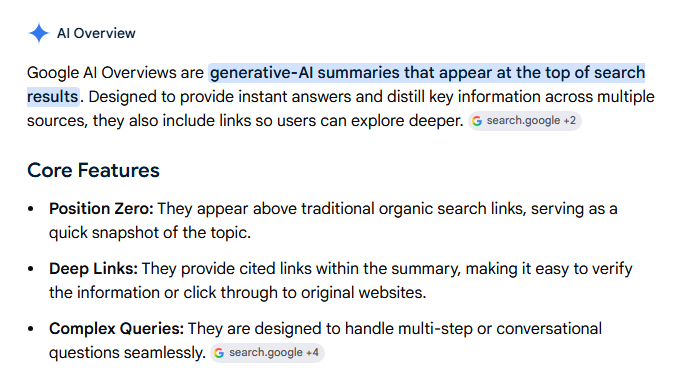
While traditional SEO focused on blue links and site authority, the contemporary search environment is rapidly evolving. We are no longer just looking at static answer boxes; we are moving into an era of AI Overviews, where generative search engines synthesize information from across the web to provide conversational, multi-faceted responses.
The Anatomy of a Google Answer Box
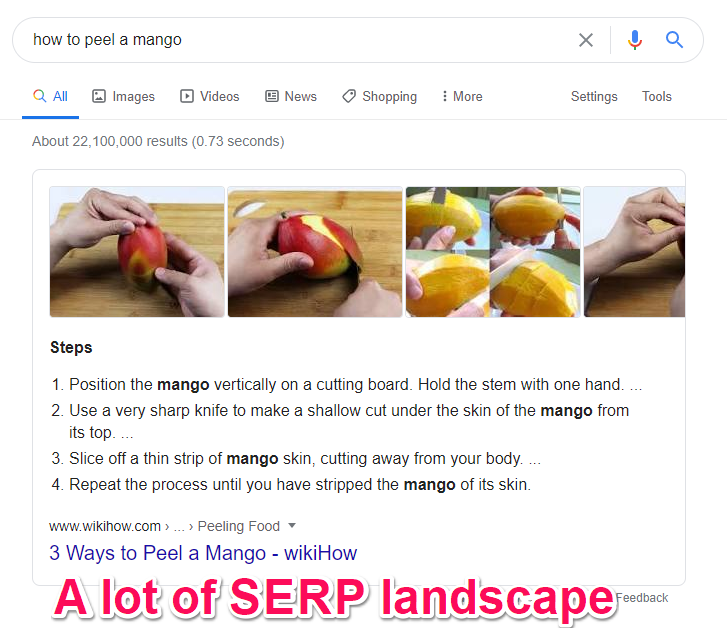
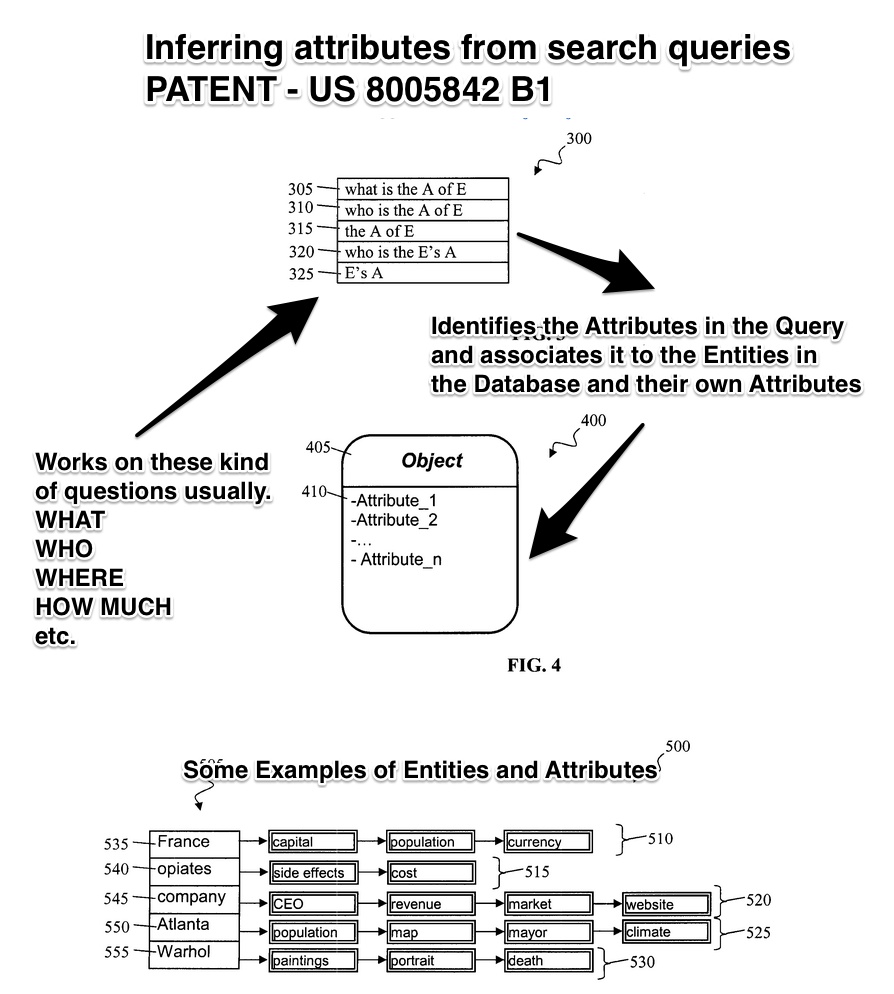
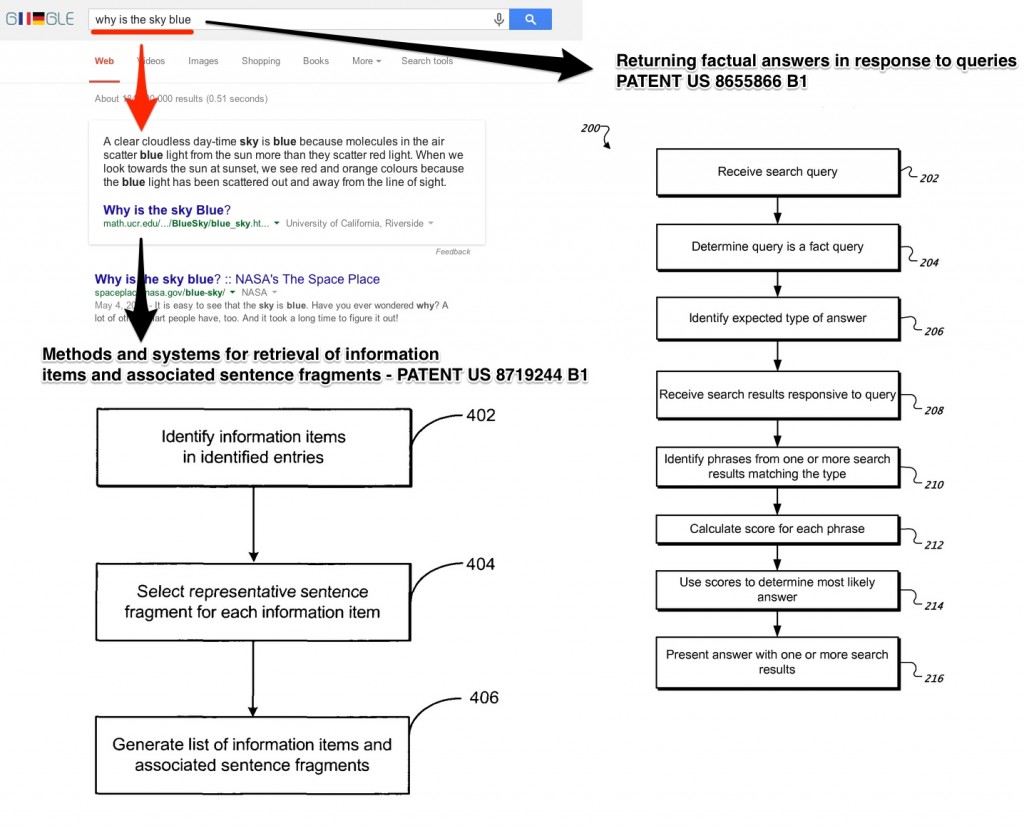
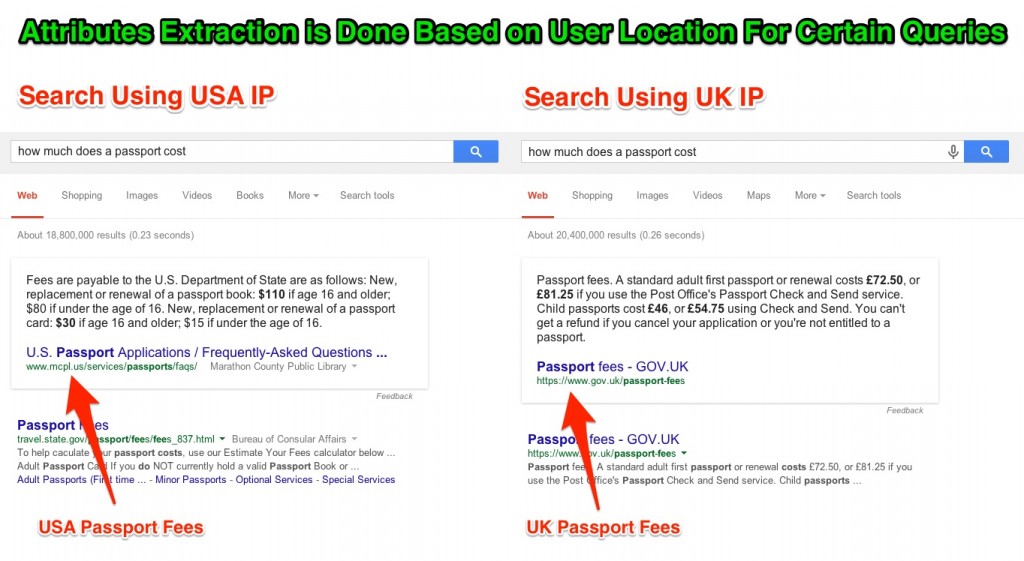
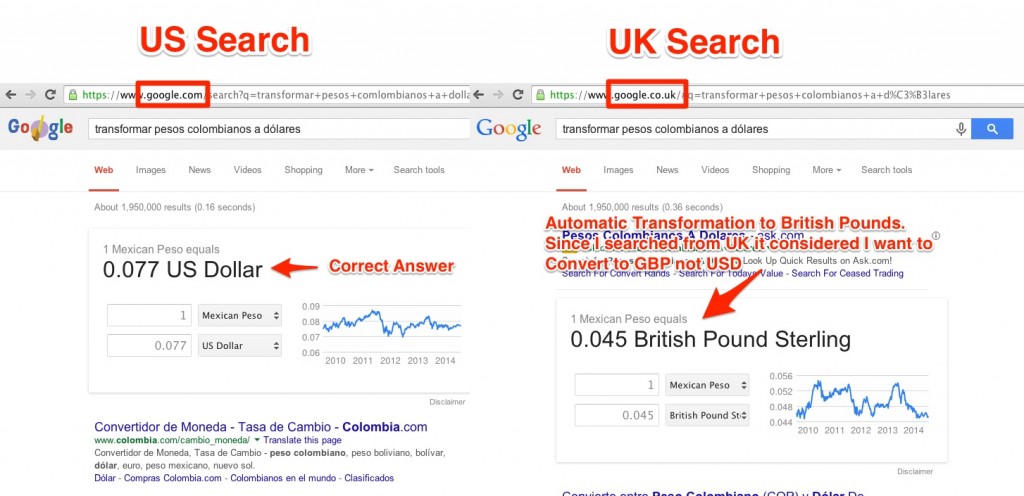
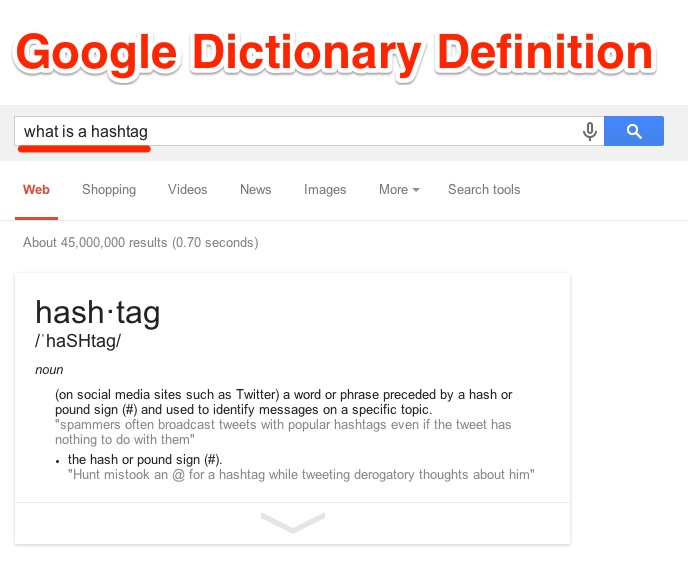
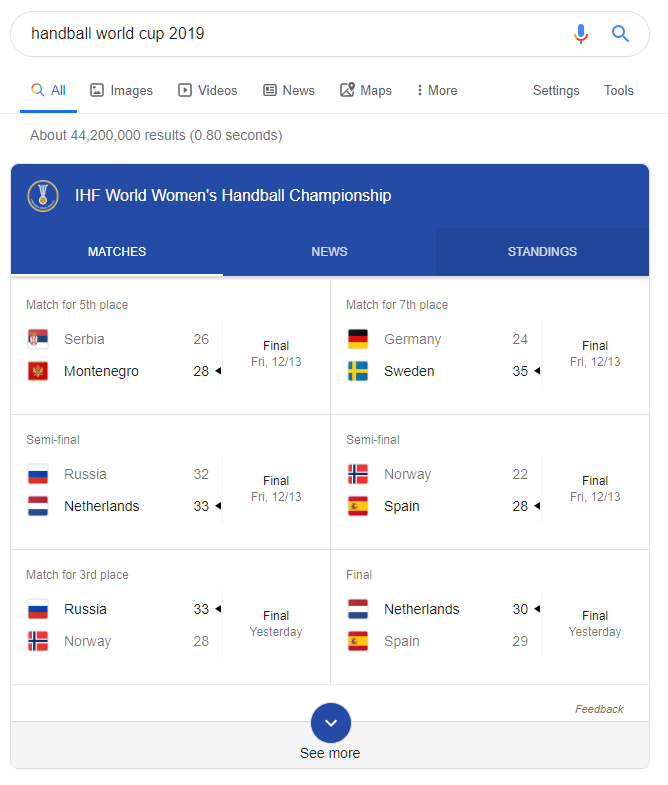
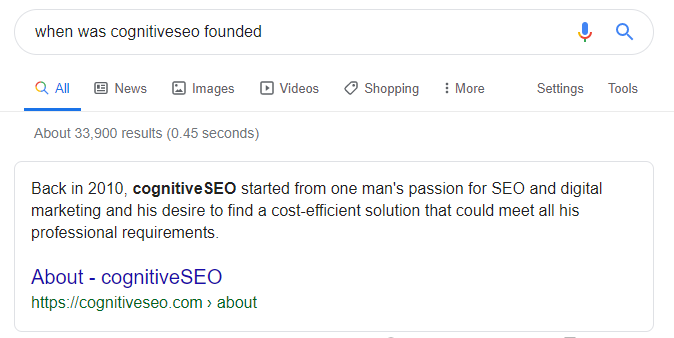
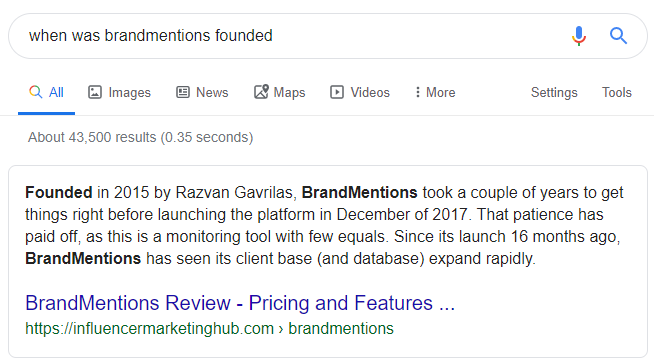
Google’s answer boxes are SERP (Search Engine Results Page) features designed to provide immediate gratification. They are powered by Google’s Knowledge Graph or extracted directly from high-authority websites that offer the most relevant, "fit-for-purpose" answer to a specific user query.
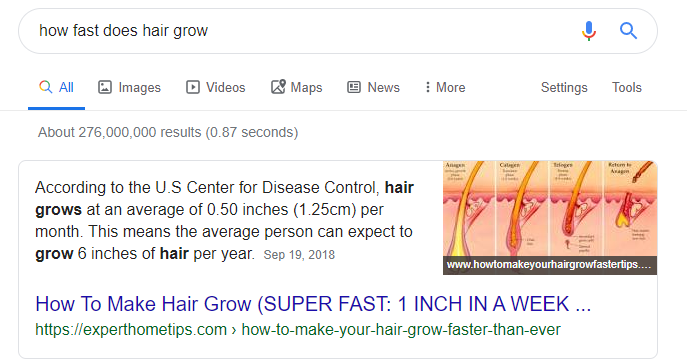
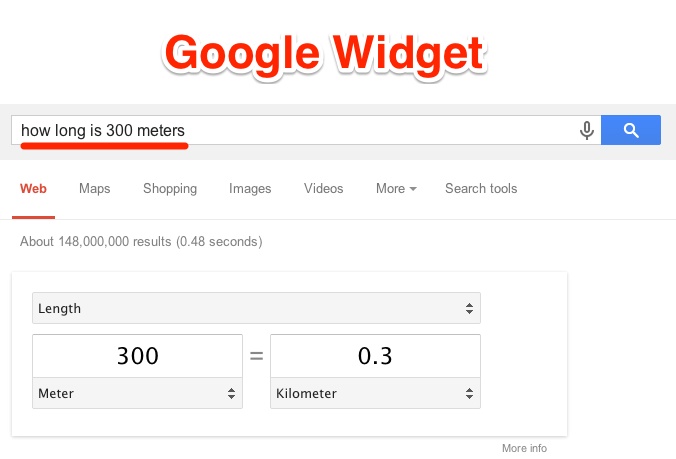
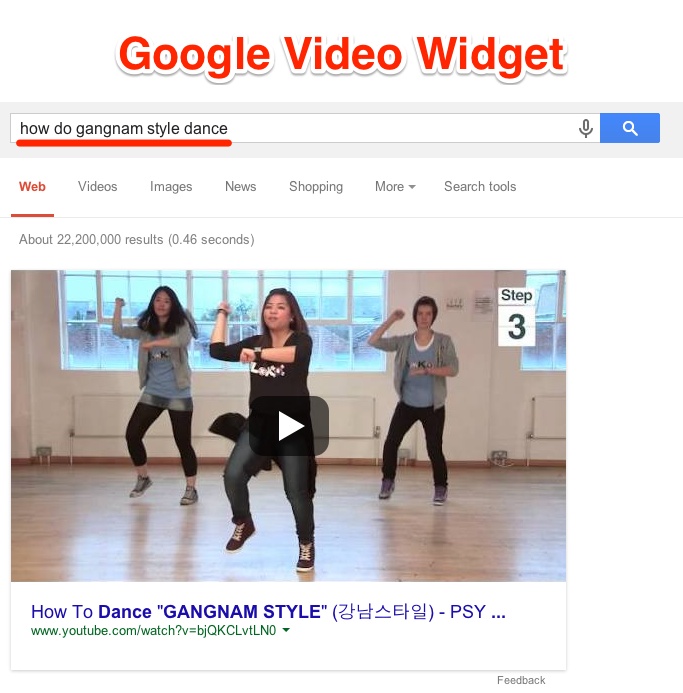
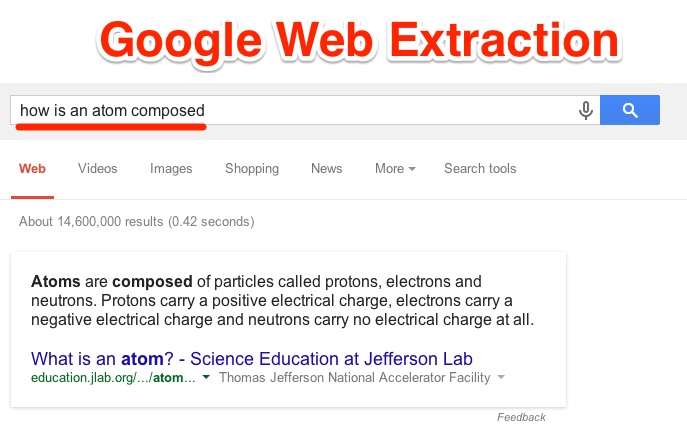
Commonly referred to as direct answers or quick answers, these boxes can manifest in various formats:
- Text snippets: Concise paragraphs answering "what is" or "how to" questions.
- Lists: Bulleted or numbered steps for processes.
- Tables: Structured data for comparisons or pricing.
- Rich Media: Graphs, maps, images, or embedded video widgets.
The primary benefit of occupying this space is visibility. Even if a user doesn’t click through to your site, your brand is established as the primary authority on that topic. In the digital age, this "SERP landscape" dominance is a massive signal of trust to both users and search algorithms.
A Brief Chronology: From Hummingbird to AI Overviews
The journey to Position Zero began in earnest with the Google Hummingbird update in 2013, which allowed Google to better interpret the intent behind queries rather than just matching keywords. This was followed by the 2019 BERT (Bidirectional Encoder Representations from Transformers) update, which significantly improved Google’s ability to understand the context and nuance of human language.
As of 2026, we are witnessing the next phase of this evolution: AI Overviews. Unlike the original Answer Boxes, which typically pulled content from a single source, AI systems now analyze and synthesize information from multiple reputable sources to generate a unique response. This transition fundamentally changes the game for marketers. Where technical SEO and structured on-page content were once sufficient to "win" a snippet, today’s AI-powered search engines assess the collective authority of a brand across the entire digital ecosystem.
Supporting Data: Why Position Zero Matters
Research into over 10,000 queries has shown that the vast majority of answer boxes are generated from content that is well-structured and highly relevant. Here are key findings from industry analysis:
- The Authority Factor: Over 80% of information appearing in answer boxes originates from domains with at least 1,000 referring domains. High authority is a prerequisite for being trusted as a source.
- Ranking Correlation: Approximately 77% of all answer box information comes from pages already ranking in the top five organic search results. It is rare for a low-ranking site to leapfrog into the answer box.
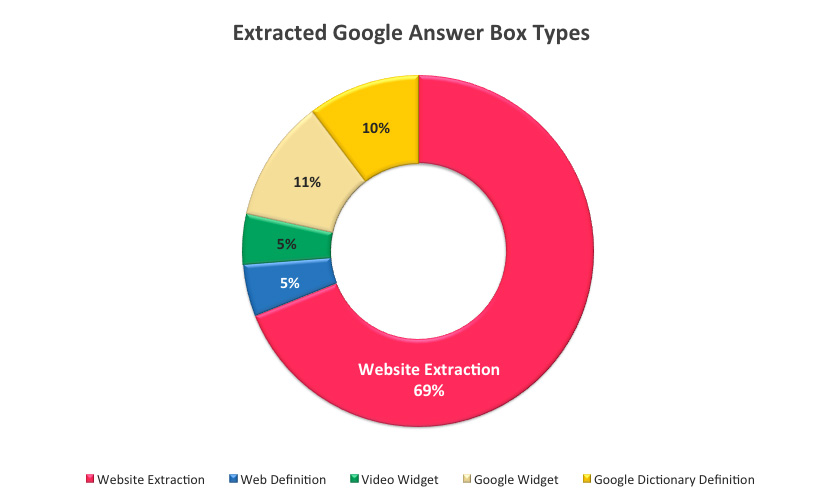
- Content Types: Website extractions account for nearly 70% of answer boxes, proving that if your content is relevant, clean, and well-structured, your site has a high probability of being chosen as the definitive source.
- The "No-Click" Reality: While answer boxes provide immense brand awareness, they can impact click-through rates (CTR) by providing the answer directly on the SERP. However, the trade-off is the significant increase in traffic for high-intent keywords where users seek further reading.
The Strategy: How to Optimize for Position Zero
To win in the era of AI and Answer Boxes, you must adopt a holistic strategy that combines technical precision with brand authority.
1. Identify "Question-Based" Keywords
Use keyword research tools to identify queries that start with "how," "what," "why," or "who." These are the queries most likely to trigger a direct answer box. Look for gaps where current answer boxes provide incomplete or inaccurate information—these are your prime opportunities.
2. Structure Content for Clarity
Google’s algorithms favor "neat" content. Use:
- Clear Headings (H2, H3): Define the question in the header.
- Direct Answers: Provide a concise, 40-to-60-word summary in the first paragraph following the header.
- Lists and Tables: Use HTML list tags (
<ul>,<ol>) or table tags for procedural content.
3. Build Collective Brand Authority
Since AI systems evaluate the "digital ecosystem" of your brand, you cannot rely on your own domain alone. You need to foster mentions in industry publications, participate in forums, manage your social sentiment, and earn high-quality reviews. AI engines look for the "collective consensus" on your brand’s reputation.
4. Leverage Monitoring Tools
Tools like BrandMentions or other social listening platforms are now essential. They track real-time global conversations, helping you understand how your brand is being discussed. By strengthening these signals, you help AI search engines identify your brand as a trusted, authoritative entity.
Official Stances and Ethical Considerations
Google has been clear that answer boxes are intended to be informational, not commercial. John Mueller, Webmaster Trends Analyst at Google, has stated that the search engine actively avoids turning these boxes into advertisements.
However, the line is often blurred. For example, queries like "how much does a dental implant cost" might trigger an answer box that highlights a service provider. While Google tries to remain "more Catholic than the Pope" by favoring unbiased, informative content, companies that provide genuinely helpful, in-depth guides are often the ones rewarded with the Position Zero slot.
The Implications: Why You Must Act Now
The shift from search engines to "answer engines" is not merely a technical update; it is a fundamental change in how information is consumed. If your content is not the source being referenced by AI, you effectively become invisible to a significant portion of the audience.
Key Implications:
- Shift in Metrics: Stop measuring success solely by blue-link rankings. Start measuring "Entity Visibility"—how often your brand is cited as an authority in AI-generated responses.
- The Importance of Trust: Your backlink profile and domain authority are no longer just for rankings; they are your "proof of quality" for AI algorithms.
- Adaptability: Because AI is constantly learning, your content strategy must be dynamic. Regularly revisit your top-performing pages to ensure they remain the most accurate and comprehensive sources on the web.
Conclusion: Preparing for the Future
The question of whether a computer can "think" is secondary to the reality that it can now synthesize human knowledge at an unprecedented scale. For webmasters and content marketers, the mandate is clear: you must become the trusted entity that AI systems choose to reference.
By structuring your data, building external authority, and maintaining a high standard of accuracy, you can position your brand to thrive in this new search environment. Do not treat the Google Answer Box as a static destination, but as a dynamic reflection of your brand’s authority. The future of search belongs to those who provide the most direct, accurate, and trustworthy answers. The era of the answer engine is here; ensure your brand is the one providing the solution.