










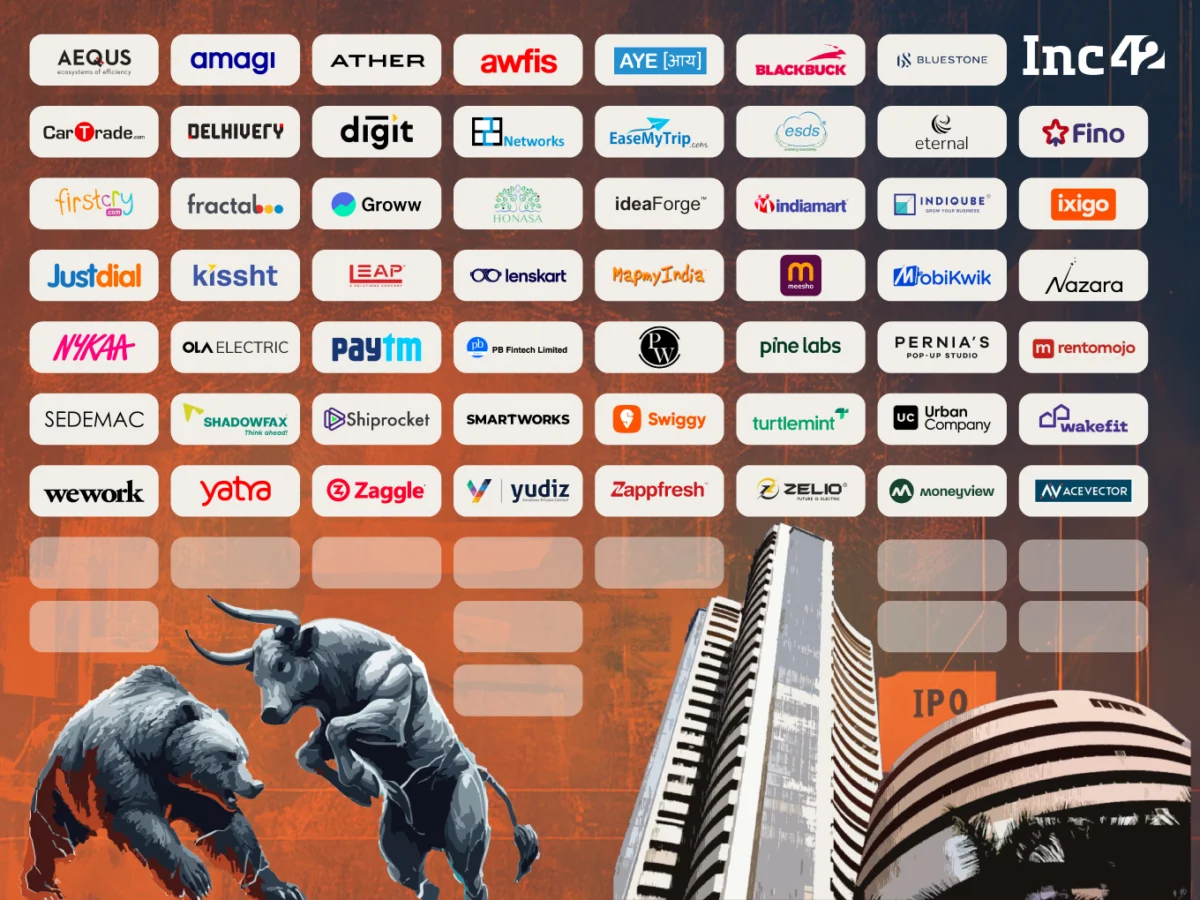
For years, the Indian startup ecosystem was viewed through the lens of rapid, high-burn growth—a landscape defined by "growth at all costs" and the pursuit of market dominance. However, as of October 2026, the narrative has fundamentally shifted. The "kid" of the global startup world has grown into an adult, with the Indian public markets serving as the ultimate proving ground for long-term viability and operational maturity.
With over 70 new-age tech companies now listed on the bourses, the cumulative market capitalization of these entities has crossed the monumental $173 billion threshold. This transition from private venture backing to public market accountability marks a coming-of-age for the ecosystem, signaling a new era of transparency, governance, and wealth creation for early investors and founders alike.
The 2026 Milestone: A Record-Breaking Year
The year 2026 has been a watershed moment for Indian tech listings. Following a peak in 2025, which saw 18 startups make their public debut, the momentum has continued with 15 companies joining the ranks of publicly traded entities in the first three quarters of 2026 alone.
The list of recent debutants includes notable names across diverse sectors, such as AceVector, Moneyview, Rentomojo, ESDS, Purple Style Labs, Turtlemint, Klassroom, Shiprocket, LEAP India, Kissht, Aye Finance, Fractal Analytics, Amagi, Shadowfax, and SEDEMAC. This influx of new-age tech companies underscores a robust investor appetite for scalable, technology-driven business models that have successfully navigated the transition from private capital dependency to operational self-sufficiency.

As the markets look ahead, the pipeline remains packed. High-profile names like Tonbo Imaging and the manufacturing powerhouse Zetwerk are currently preparing for their own public market debuts, signaling that the IPO wave is far from receding.
Chronology of Evolution: From Funding Boom to Public Bourses
The journey to the stock exchange is rarely linear. While companies like Info Edge have been listed since 2006, the majority of the current cohort represents the "next generation" of Indian business.
Historically, the 2020–2022 period represented the zenith of the funding boom. During this era, startups prioritized customer acquisition and geographical expansion over profitability. However, the subsequent "funding winter" of 2022 acted as a vital reality check. Faced with drying liquidity and a shift in global investor sentiment toward cash flow, Indian startups were forced to recalibrate.
The current crop of listed companies reflects this "profitability-first" mandate. Data indicates that the median time taken for a startup to reach the IPO stage is approximately 11 years. While established players like ixigo (18 years) and Fino Payments Bank (19 years) took a longer route, the emergence of companies like ArisInfra—which listed just four years after inception—highlights the accelerating pace of modern Indian business cycles.

Sectoral Dominance and Regional Hubs
The sectoral distribution of these listed companies mirrors the broader trends in private venture funding. The triumvirate of Fintech, Ecommerce, and Enterprise Tech continues to lead the way, each accounting for a significant share of the total listings. Currently, Fintech and Ecommerce stand at 14 listed entities each, with Enterprise Tech following closely at 13.
The Rise of Delhi NCR
While Bengaluru has long been hailed as the "Silicon Valley of India," the geographical center of gravity for listed tech companies has shifted toward the north. Delhi NCR has emerged as the clear leader, housing 25 of the listed new-age tech companies—significantly outpacing Bengaluru (16) and Mumbai (13).
The Delhi NCR region’s dominance is not just in numbers but in valuation. It contributes a staggering $93.4 billion to the total $173 billion market cap of the sector. Gurugram, in particular, has cemented itself as a corporate hub, hosting major entities like Delhivery, Lenskart, and Eternal, while Noida and Delhi proper house players like Paytm, IndiQube, and EaseMyTrip.
Financial Performance: The Profitability Mandate
The most significant change in the ecosystem is the transition from "growth-at-all-costs" to a "profitable growth" model. Today, over 60 of the tracked new-age tech companies are operating in the black.

Leading the charge in absolute profitability is Groww, which reported a net profit of ₹2,083 Cr in FY26. Other major internet players, including Paytm (₹553 Cr) and Eternal (₹366 Cr), have also demonstrated that scale and profitability can coexist.
The turnaround stories are equally compelling. Lenskart, for instance, transformed a ₹10 Cr loss in FY24 into a significant profit of ₹494 Cr in FY26. However, the path to sustained profitability is not without volatility. Urban Company, which achieved a net profit of approximately ₹240 Cr in FY25, saw a dip back into the red in FY26, reporting a loss of ₹234.8 Cr despite a healthy 36% YoY revenue growth. Such fluctuations highlight the complexities of scaling service-heavy tech platforms in a competitive market.
The Strategic Importance of the Inc42 Tracker
To demystify this complex landscape, Inc42 has launched the Indian Listed New-Age Tech Company Tracker. This tool serves as a comprehensive repository for investors, analysts, and stakeholders, providing real-time data on stock movements, financial performance, and operational milestones.
By aggregating information ranging from initial public offering (IPO) prices to current market capitalization and year-on-year (YoY) profit growth, the tracker provides a granular view of how individual companies are performing under the scrutiny of public markets. It effectively bridges the gap between private startup data and public equity research.

Implications for the Future
The implications of this IPO wave are profound for the Indian economy:
- Exit Pathways for VCs: A robust public market provides the necessary exit liquidity for early-stage venture capital and private equity investors. This cycle of investment and exit is critical for the continuous infusion of capital into newer, early-stage startups.
- Governance and Transparency: Public listing forces startups to adopt rigorous financial reporting standards. This evolution in corporate governance is expected to build deeper trust with retail and institutional investors, reducing the information asymmetry that once characterized the private market.
- Wealth Creation: The "wealth effect" generated by ESOPs and public stock ownership is beginning to manifest, creating a new class of investors and entrepreneurs in India who are reinvesting their gains into the ecosystem.
- Global Competitiveness: With Indian companies like MakeMyTrip and Freshworks listed on the Nasdaq, and a growing number of domestic listings on the NSE and BSE, Indian tech is increasingly being viewed as a global asset class.
Conclusion: A Mature Ecosystem
As the dust settles on the funding boom years, the Indian tech ecosystem has matured into a disciplined, profit-conscious, and performance-driven industry. While the journey from a garage-based startup to a publicly listed entity is fraught with challenges—ranging from regulatory hurdles to market volatility—the success of the 70+ companies currently listed proves that India’s new-age tech story is no longer a speculative bet. It is a cornerstone of the nation’s future economic growth.
For founders, the message is clear: the public market is not merely a destination for an exit, but a permanent home for companies that have achieved the scale and maturity required to serve millions of customers while delivering sustainable value to shareholders. As we look toward the remainder of 2026 and into 2027, the focus will likely remain on the quality of earnings and the resilience of these business models in an increasingly globalized competitive landscape.



