










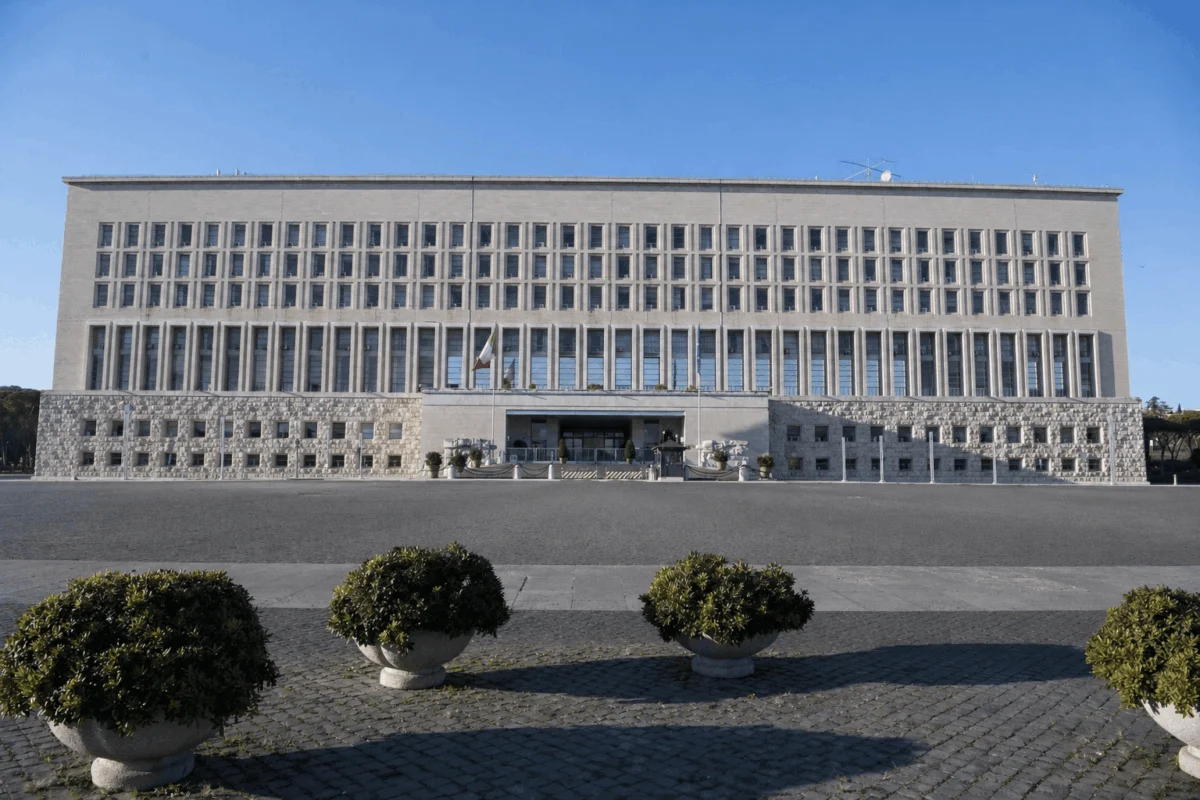
On the morning of October 8, 2026, the Italian Ministry of Foreign Affairs (the Farnesina) confirmed that its digital infrastructure had become the latest target in an ongoing wave of cyber aggression. While government officials reported that their defensive systems successfully mitigated the attempts—ensuring that the ministry’s online presence remained stable and operational—the incident has reignited concerns regarding the vulnerability of Italian state institutions to foreign-aligned hacktivist operations.
This latest assault is not an isolated event but rather the most recent chapter in a broader, high-stakes digital confrontation. As the Farnesina works in tandem with the Polo Strategico Nazionale (the national cloud hub) to monitor the situation, the Italian government is simultaneously pivoting toward a more aggressive diplomatic strategy at the European Union level, aiming to formalize the identification and naming of state-sponsored or state-aligned cyber attackers.
A Chronology of Escalation: Italy in the Crosshairs
The targeting of Italian government assets has become a recurring theme in the European geopolitical landscape since 2022. The pattern of these attacks often mirrors specific diplomatic developments or high-profile political events, suggesting that the timing is rarely coincidental.
- September 2022: The pro-Russian hacktivist group NoName057(16) began utilizing the "Bobik" botnet to launch Distributed Denial of Service (DDoS) attacks against Italian targets, marking the early stages of their campaign.
- December 2024: The Farnesina website was successfully taken offline in a high-profile attack, necessitating a swift recovery operation led by the ministry’s technical teams. During the same period, major infrastructure hubs, including the Malpensa and Linate airports, were targeted.
- January 2025: During a state visit by Ukrainian President Volodymyr Zelensky to Rome, a coordinated wave of attacks crippled government portals, followed by the targeting of major financial institutions like Intesa Sanpaolo and Monte dei Paschi di Siena, as well as critical port facilities in Taranto and Trieste.
- February 2025: Following a public address by Italian President Sergio Mattarella, the group launched a renewed offensive, demonstrating a clear focus on reacting to Italian political discourse.
- October 2026: The current incident involves a widespread attempt to disrupt the Foreign Ministry and various diplomatic outposts, confirming that the threat remains persistent and evolving.
The Mechanics of the Attack: The Role of NoName057(16) and DDoSia
While the Ministry of Foreign Affairs has not officially attributed the October 8 attack to a specific actor, the tactics employed are consistent with the "DDoSia" project. DDoSia is a crowdsourced offensive initiative operated by the pro-Russian hacktivist collective NoName057(16).
Since its emergence in March 2022, NoName057(16) has utilized its Telegram channels to announce targets, mobilize followers, and claim responsibility for disrupting Western government websites. The group’s methodology relies on high-volume traffic flooding, which attempts to overwhelm server capacity.
Evidence gathered from the group’s own activity logs confirms that the current campaign is significantly broader than just the primary Ministry portal. Analysts have identified plans targeting at least five Italian embassy websites, as well as various services managed by the Ministries of Interior and Defense. These attacks are designed to maximize the "noise" surrounding Italian digital infrastructure, creating a perception of vulnerability that outweighs the actual technical damage sustained.
Official Responses and Strategic Reform
Foreign Minister Antonio Tajani has been vocal about the necessity of this ongoing defensive posture. In his recent statements, Tajani highlighted that cybersecurity has been a cornerstone of the ministry’s internal reforms over the past year.
"Cybersecurity is a central element of the reform of the Foreign Ministry approved last year," Tajani noted. "In recent months, we have strengthened our capabilities to prevent, monitor, and respond to threats, adopting all necessary countermeasures, including on the technological side."
The ministry has focused heavily on the CSIRT (Computer Security Incident Response Team) Operations Room, a facility Tajani showcased to German Foreign Minister Johann Wadephul during a recent visit to Rome. By integrating advanced cloud infrastructure via the Polo Strategico Nazionale, Italy is attempting to move away from legacy vulnerabilities.
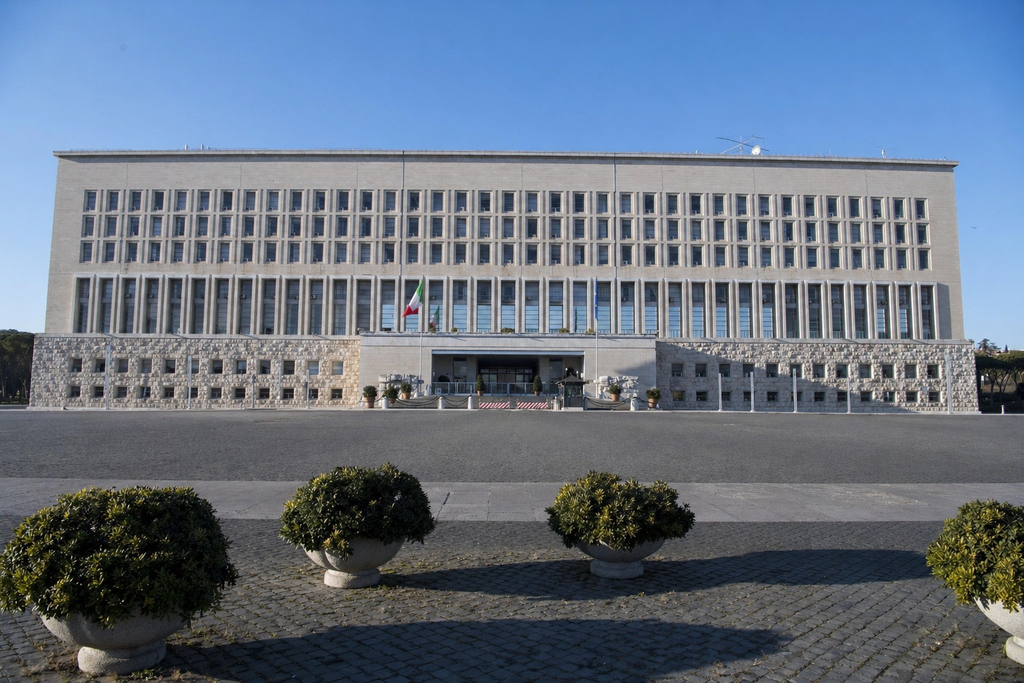
Perhaps most importantly, Italy is now spearheading a diplomatic initiative within the European Union. In collaboration with Romania and other member states, the Italian government is lobbying to implement a mechanism that would officially "designate" the entities behind these attacks. The goal is to move beyond the temporary "blocking" of malicious traffic and toward the creation of an official, recognized list of bad actors, which would carry significant diplomatic and legal weight.
The Implications: Why Embassy Sites Matter
The focus on embassies and consulates is a significant shift in the risk profile of these attacks. While a ministry homepage being "down" is a PR inconvenience, an embassy website being compromised or unreachable creates immediate, real-world consequences for citizens.
Embassies serve as the primary point of contact for citizens abroad seeking urgent assistance, visa processing, and emergency guidance. During a crisis, the inability to access these portals can lead to panic and operational failure. Furthermore, these sites are prime targets for "lookalike" phishing attacks. By mimicking an official consulate site, threat actors can lure stressed or vulnerable citizens into providing sensitive personal information.
There is also the specter of deeper, more covert operations. The 2017 intrusion into the Foreign Ministry—which involved the long-term compromise of staff email accounts—serves as a reminder that DDoS attacks are often "loud" events that can be used to mask more sophisticated, quiet exfiltration of data. The current wave of DDoS attacks forces security teams to allocate massive amounts of attention to the "noise" on the front-end, potentially leaving back-end systems under-monitored.
The Strategic Balance: Visibility vs. Reality
The technical reality of DDoS attacks is that they are rarely "complex" in the traditional sense. For a well-defended, modern infrastructure, they are often easily neutralized. However, the strategic risk lies in the narrative of the attack.
By repeatedly targeting national symbols—the Farnesina, the airports, the banks—the attackers successfully craft a story of government failure. For the public, a website error message is often interpreted as a sign that the "state has been hacked," regardless of whether data was actually compromised.
This creates a psychological victory for the aggressors that is disproportionate to the effort they expended. The challenge for the Italian government, and indeed for all EU nations, is to maintain a robust defense without granting these incidents the status of "major security breaches" that the attackers crave.
As the Farnesina continues to bolster its defenses, the battle is moving into the political arena. By pushing for EU-wide attribution and formal designation of attackers, Italy is signaling that it is tired of playing a defensive game of "whack-a-mole." If the goal of these hacktivists is to disrupt Italian diplomacy, the government’s response suggests that it will only lead to a more unified, and perhaps more retaliatory, European cybersecurity policy.
For now, the Farnesina remains vigilant. The incident on October 8 serves as a stark reminder that in the age of digital warfare, the border between a nation’s physical diplomacy and its digital footprint has completely dissolved. Whether these attacks are the heralds of something more sinister or simply the vanity projects of ideologically motivated hackers remains the central question for the intelligence community. One thing, however, is clear: the Italian government is no longer content to simply reset its servers and wait for the next wave. It is preparing to take the fight to the architects of these disruptions.



