









The landscape of technical SEO is undergoing a seismic shift, and Screaming Frog is positioning itself at the forefront of this evolution. With the official release of the SEO Spider version 24.0—codenamed "Bolus"—the industry-standard auditing tool has transitioned from a purely diagnostic utility into a proactive, intelligent ecosystem.
This major update introduces a suite of features designed to bridge the gap between complex data acquisition and actionable AI-driven insights, while simultaneously enhancing the automation capabilities that enterprise SEOs rely on to maintain large-scale web infrastructures.

Main Facts: What Defines the "Bolus" Release
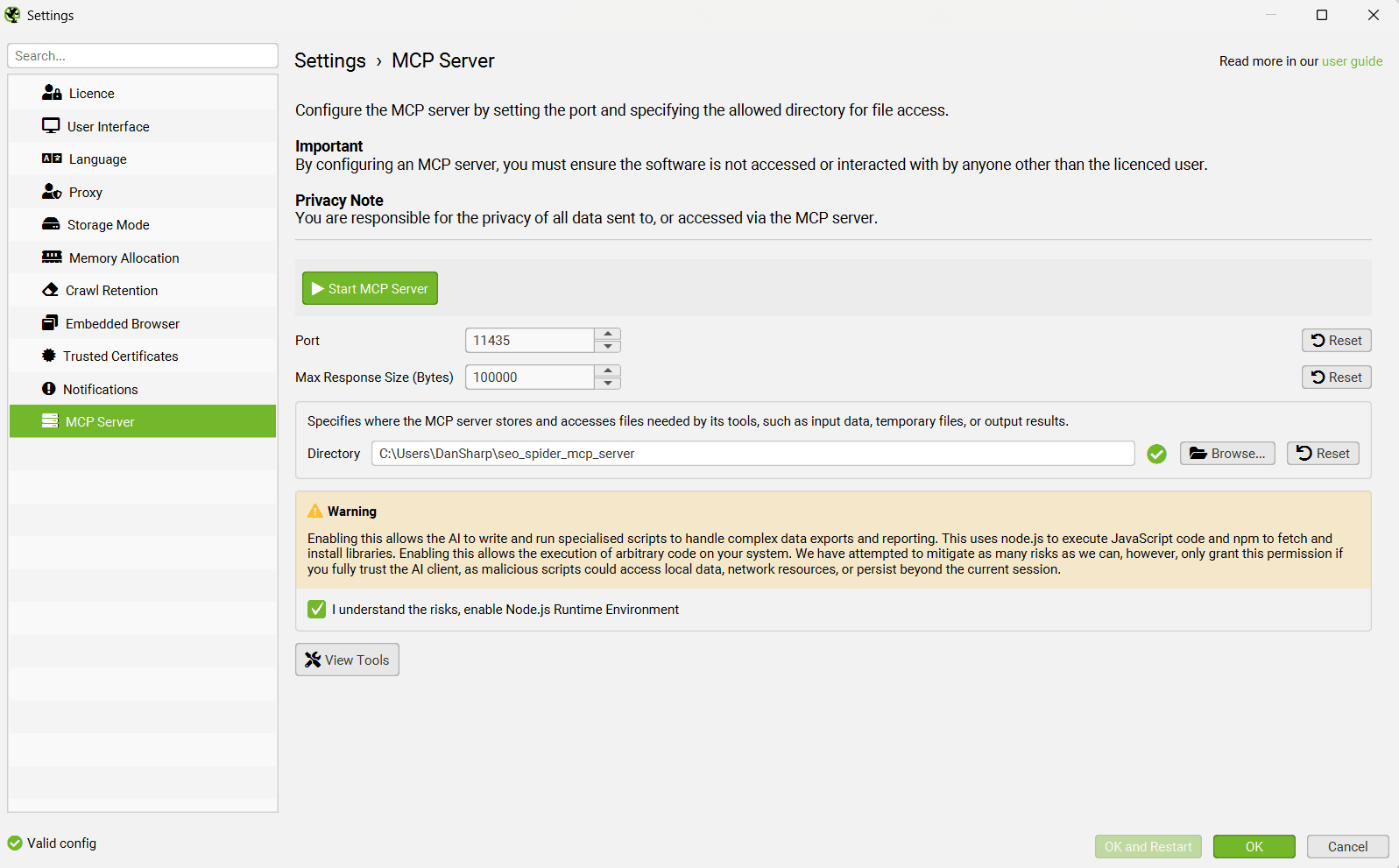
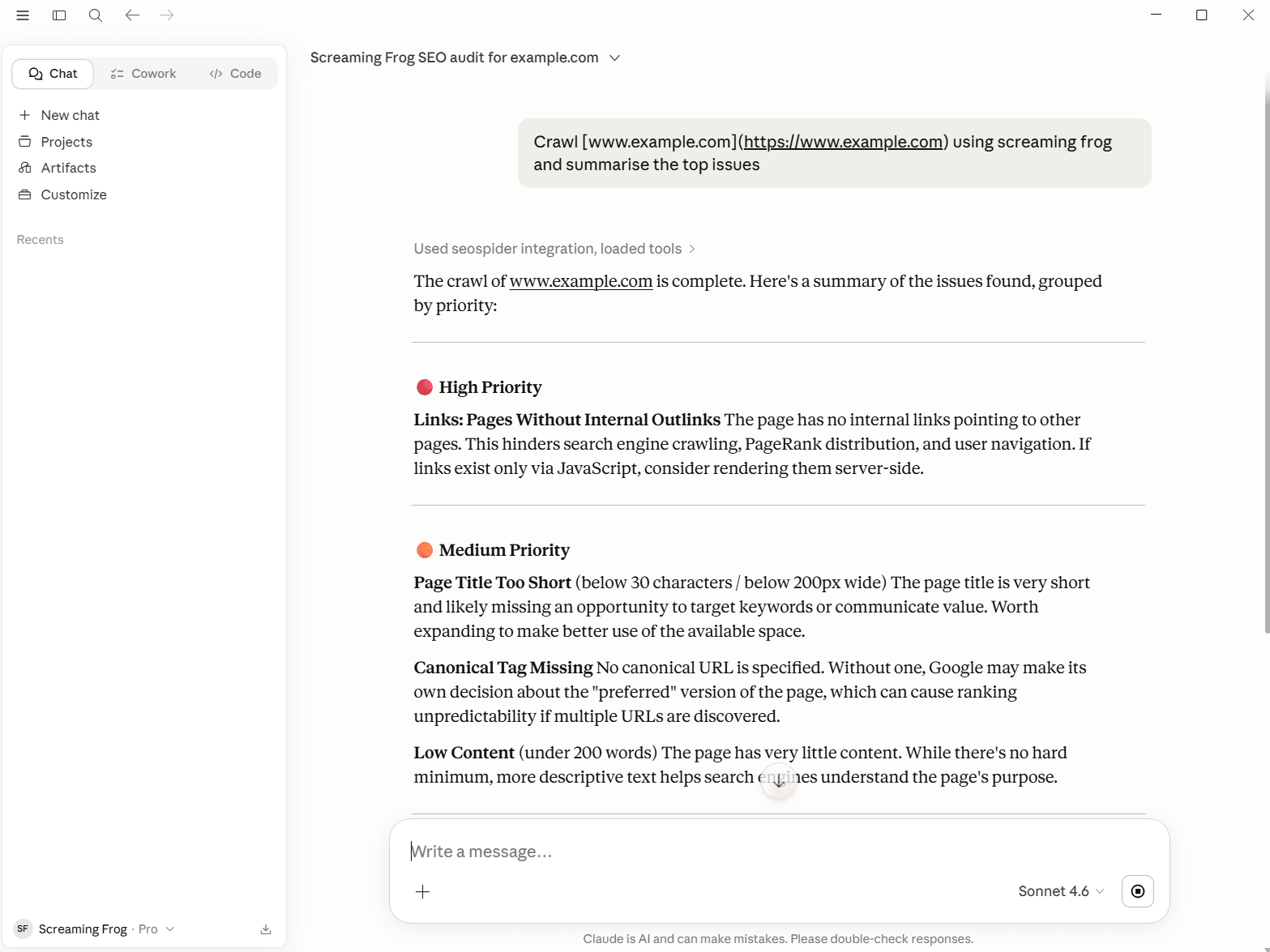
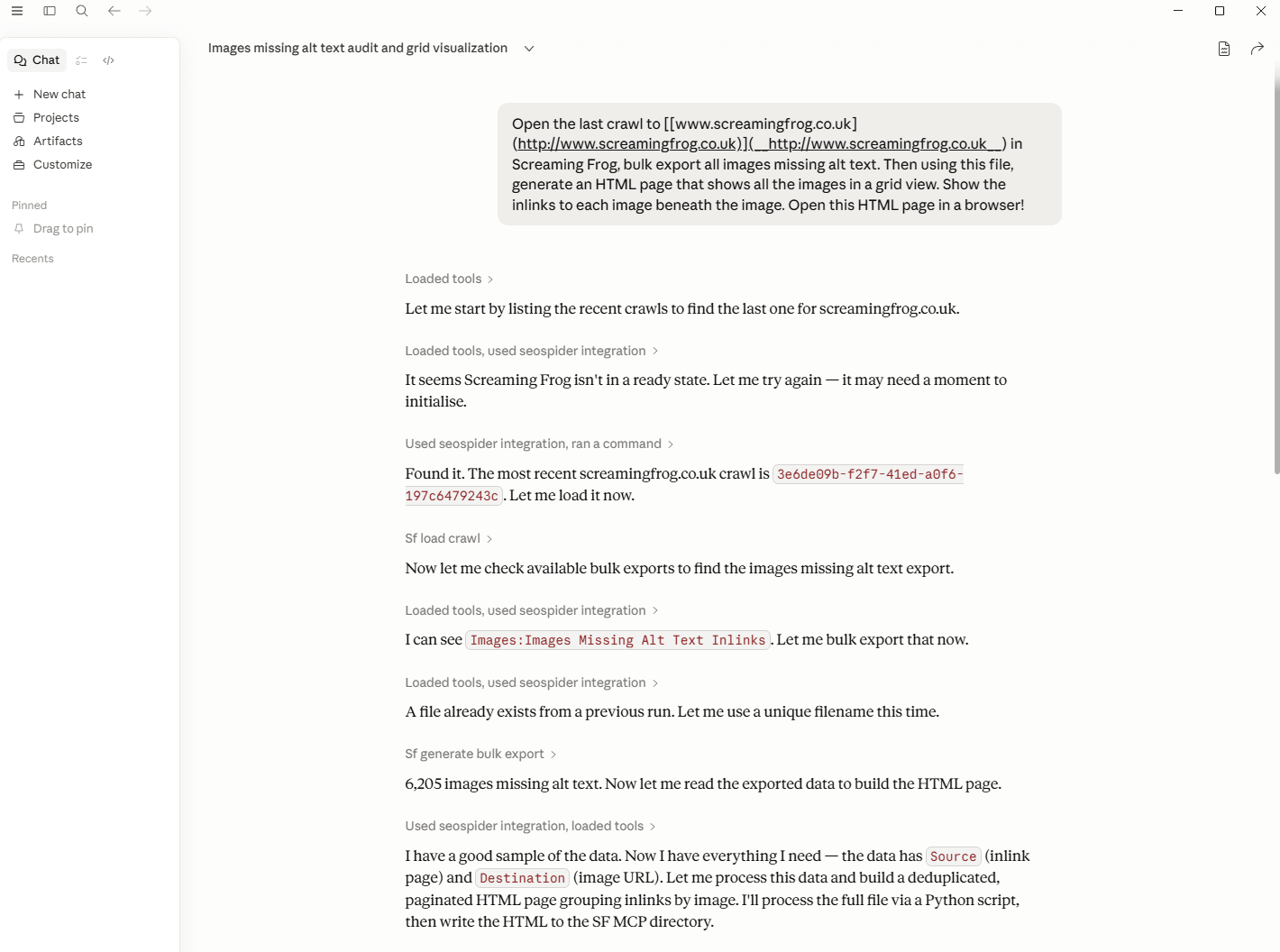
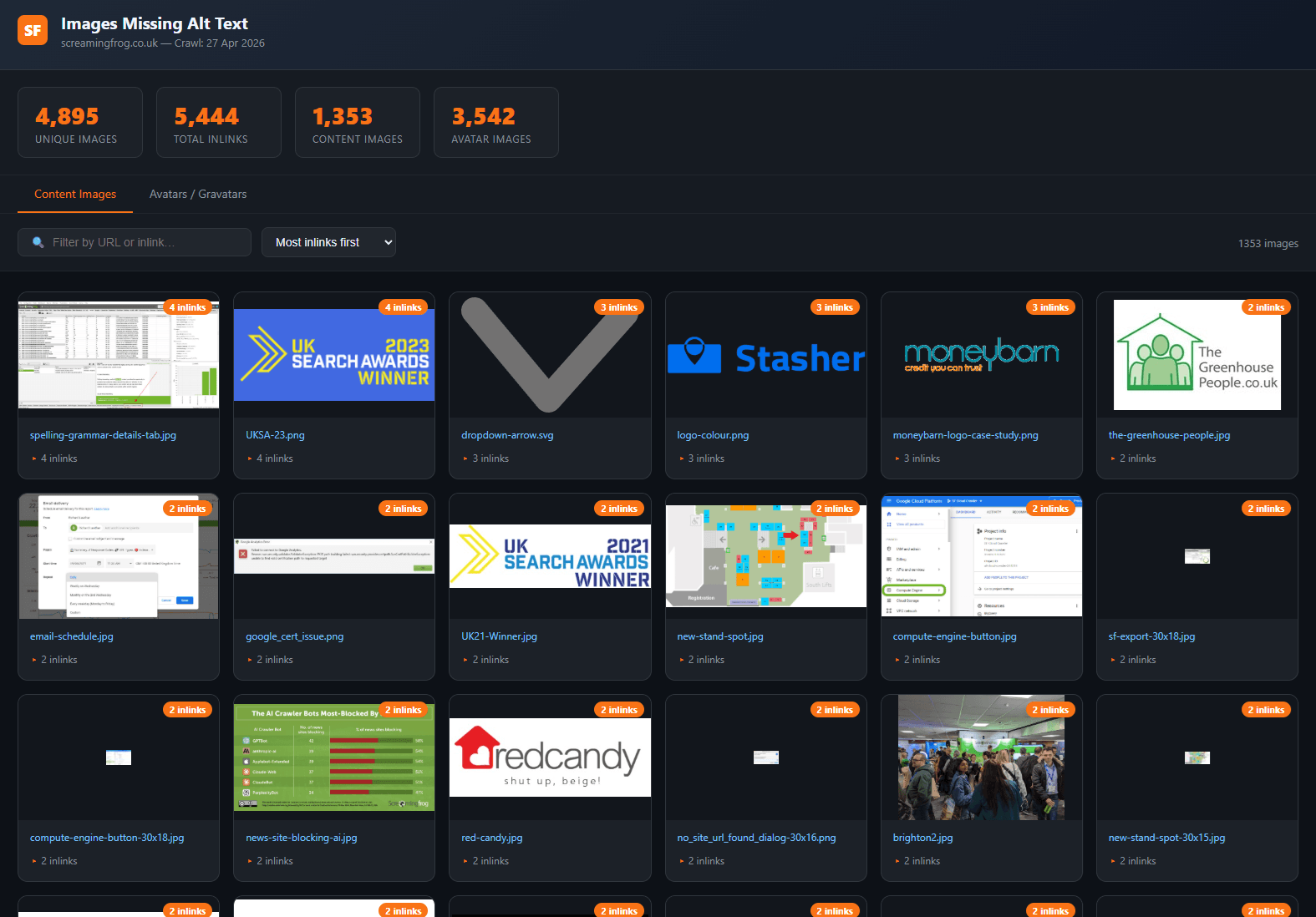
The primary headline of version 24.0 is the introduction of the Model Context Protocol (MCP) server. This integration allows users to connect the SEO Spider directly to AI assistants like Claude, LM Studio, and various Node.js-based environments. This is not merely a data export function; it is a fundamental shift in how SEOs interact with their data. By using natural language, users can now query their crawl data, trigger automated analysis pipelines, and even generate sophisticated visualizations without manual data manipulation.
Beyond AI integration, the update focuses heavily on "intelligence at the edge." New features such as Auto-Compare Crawls, automated email reporting with integrated change tracking, and the identification of non-standard "uncrawlable" link structures ensure that SEO professionals spend less time configuring tools and more time solving high-level architectural problems.
Chronology of Development and Release
The development of version 24.0 represents months of internal R&D focused on the intersection of Large Language Models (LLMs) and technical auditing. Following the major release of 24.0 in May 2026, the development team adopted an aggressive iterative approach to ensure stability and feature refinement.
- May 2026: Release of Version 24.0 (Bolus). Launch of the MCP server and automated reporting features.
- June 8, 2026: Release of Version 24.1. Focused on resolving early-adoption bugs and minor performance enhancements to the newly integrated MCP interface.
- June 22, 2026: Release of Version 24.2. Refinement of the "Auto Compare" logic and improved stability for large-scale enterprise crawls.
- June 29, 2026: Release of Version 24.3. Finalized stability patches for the "Uncrawlable Links" detection filter, ensuring compatibility with varied CMS structures.
Supporting Data and Technical Capabilities
The Power of MCP Integration
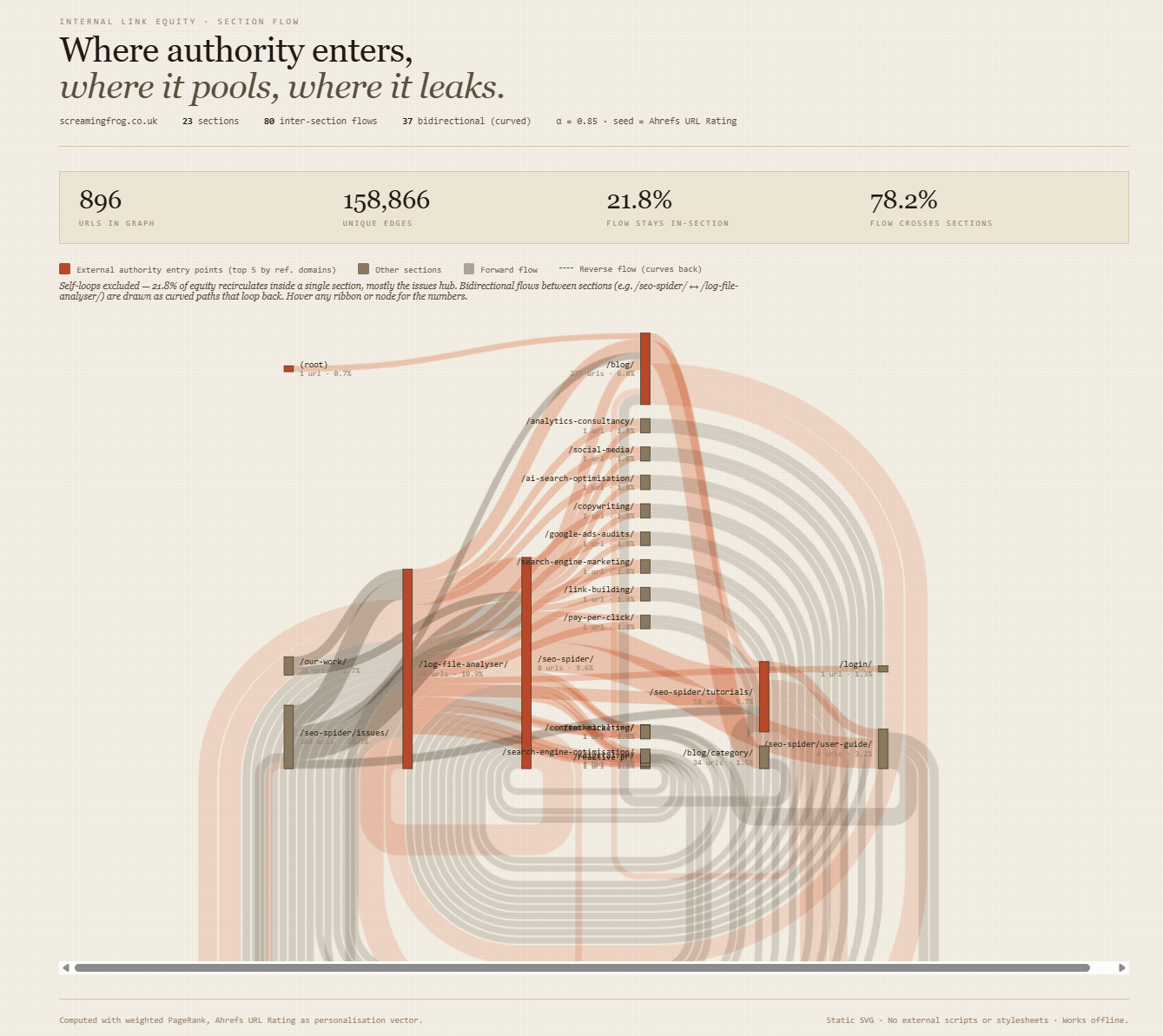
The MCP server is the standout technical achievement of this release. By enabling the SEO Spider to communicate with LLMs, users can now offload the "drudgery" of data synthesis. For example, rather than exporting thousands of rows of data into a spreadsheet to identify common patterns, a user can prompt an AI assistant to: "Analyze this crawl, summarize the primary technical issues impacting indexability, and create a chart visualizing the internal link equity flow."
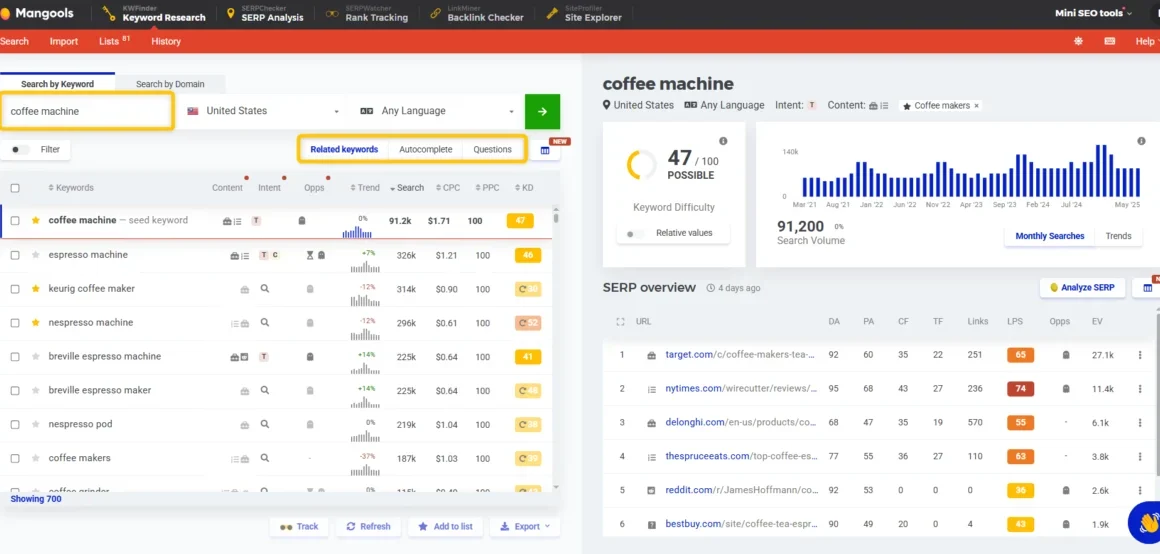
The ability to integrate these results with external tools, such as Ahrefs, allows for a more holistic view of site health, combining internal crawl data with external backlink authority metrics in a single, fluid workflow.
Advanced Automation: The "Auto-Compare" Function
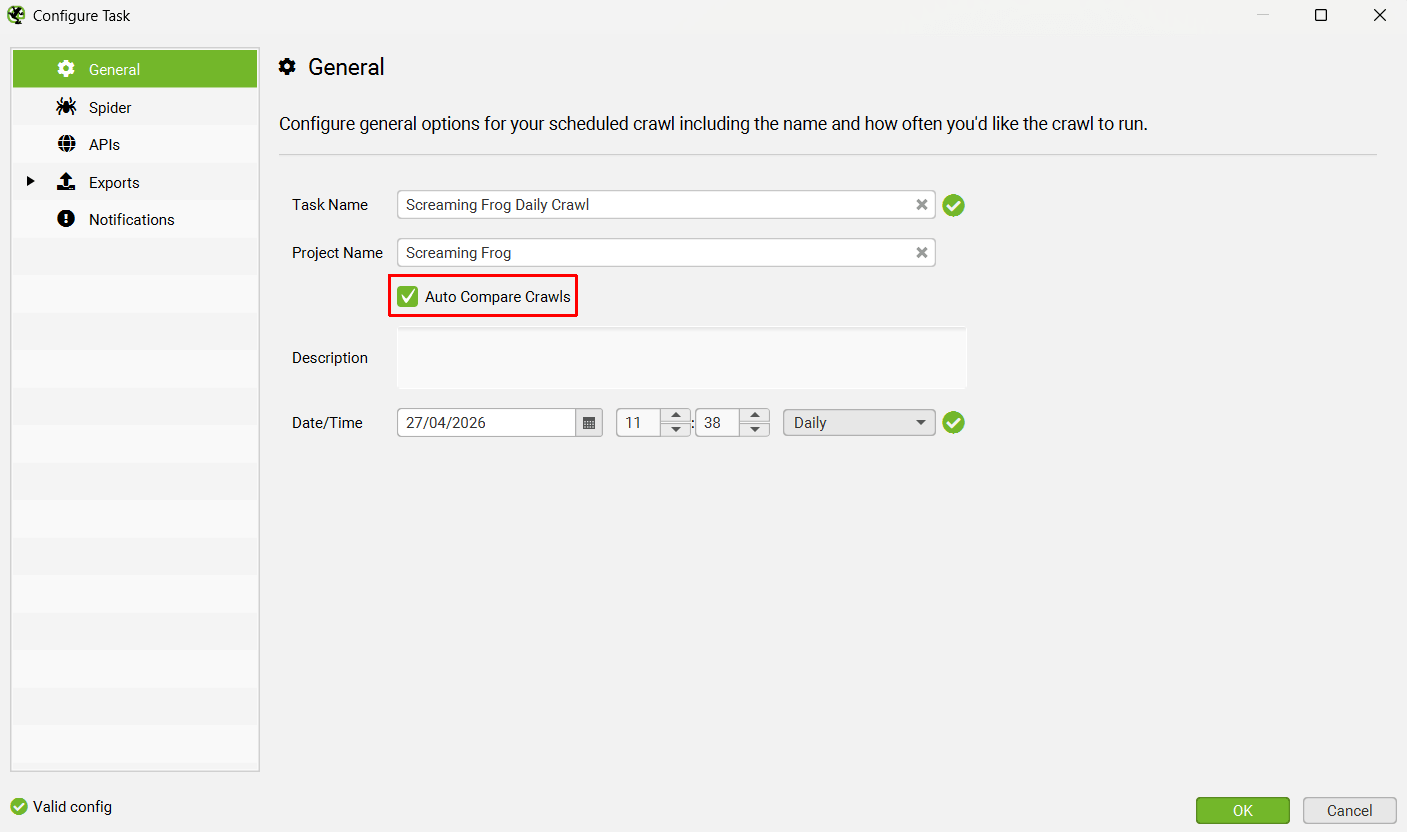
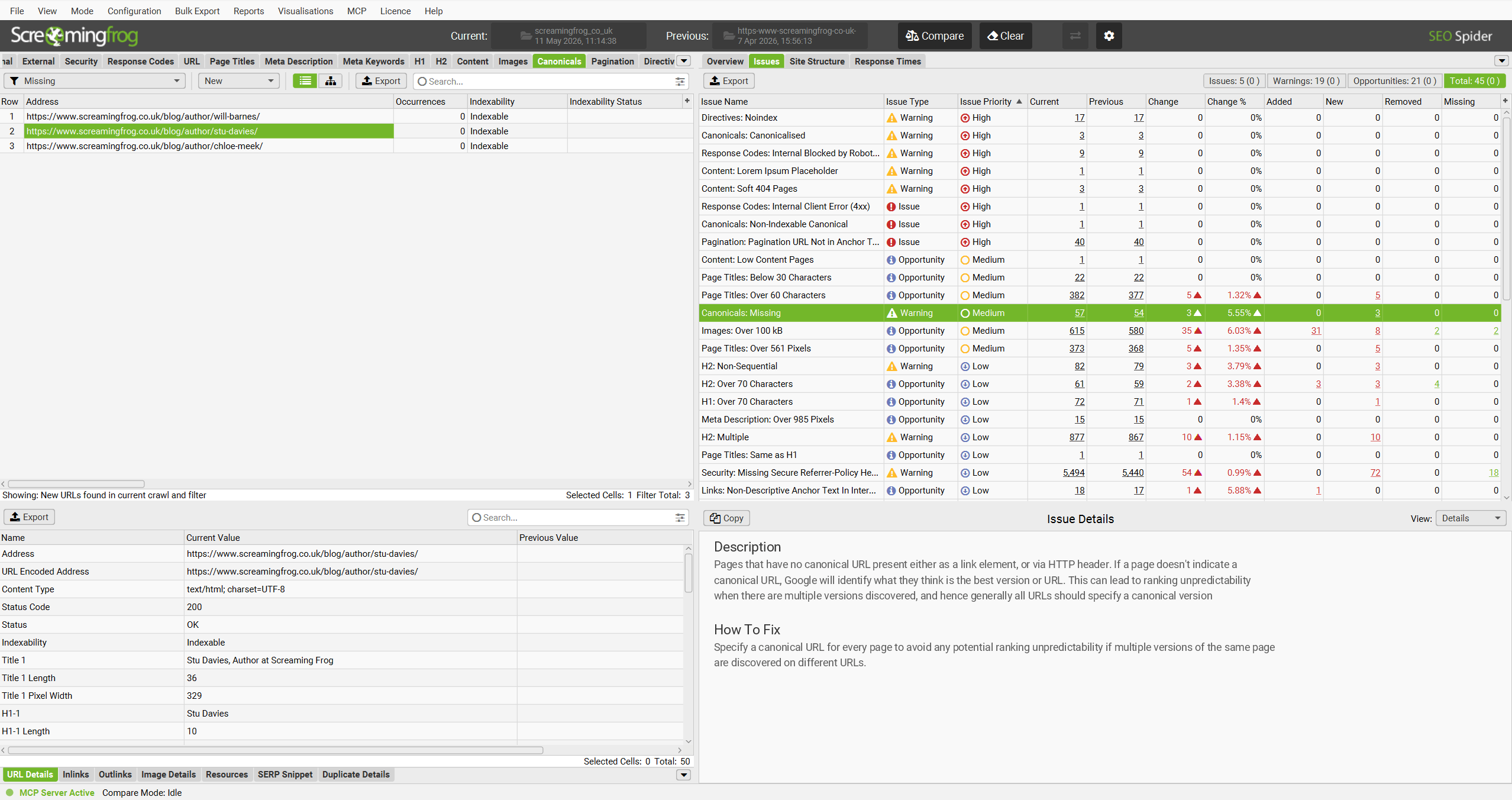
The new Auto-Compare functionality for scheduled and CLI (Command Line Interface) crawls is a game-changer for site monitoring. Historically, comparing two crawls was a manual, time-intensive process. Now, the SEO Spider automatically identifies the two most recent crawls within a project and runs a comparative analysis.
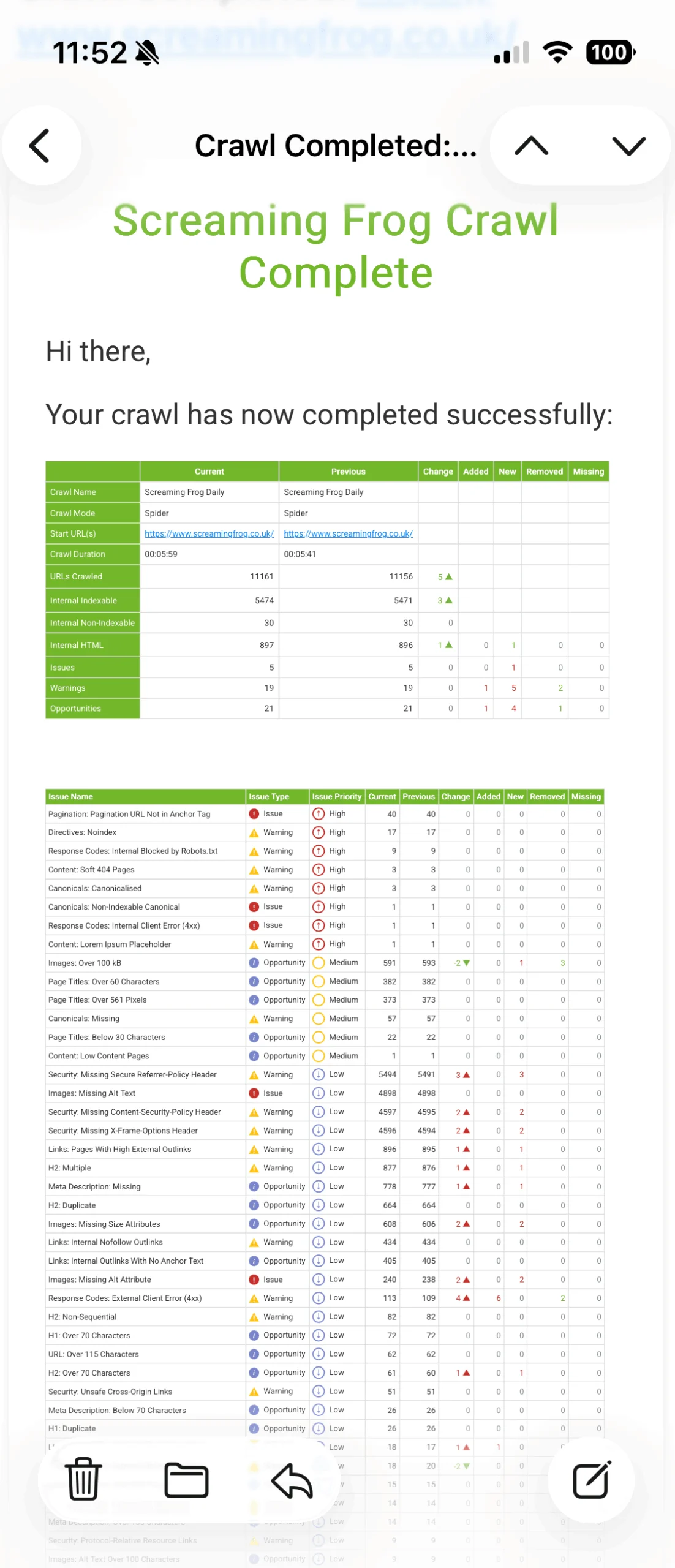
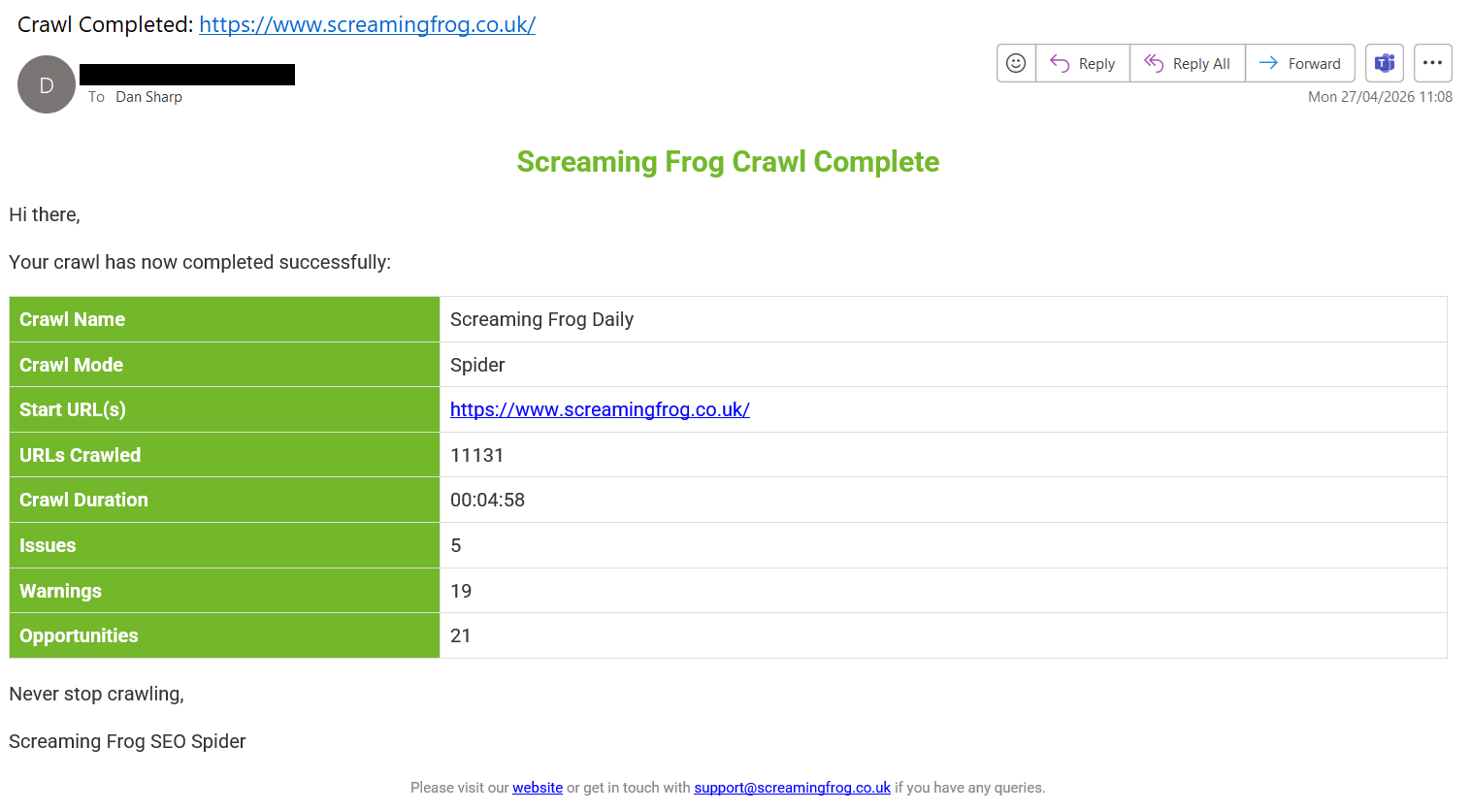
This automation is further bolstered by enhanced email notifications. Users no longer need to open the software to see if a deployment has broken a site; the email summary now includes a table of differences. This provides an instant "health check" on critical KPIs, such as sudden drops in title tags or spikes in non-indexable pages, allowing for near-instantaneous incident response.
Solving for "Uncrawlable" Links
Version 24.0 introduces a specific filter for "Pages With Uncrawlable Internal Outlinks." This addresses the nuance of modern web development, where developers often use non-standard elements—such as <span> or <div> tags with href attributes, or JavaScript-heavy onclick handlers—to simulate navigation.
While Googlebot is increasingly sophisticated and often attempts to parse these unconventional links, they do not adhere to web standards. By highlighting these, Screaming Frog is forcing a conversation between SEOs and developers about best practices, ensuring that link signals are being passed effectively and reliably across the site.
Official Perspectives and User Feedback
The philosophy behind "Bolus" is rooted in efficiency. In official communications, the Screaming Frog team has emphasized that these tools are intended to augment, not replace, the SEO professional. The integration of AI is designed to handle the "leg work"—the cleaning, combining, and visualizing of data—so that human experts can focus on strategy.
"The idea of the integration is to make daily tasks and workflows that much more efficient," the company stated in their release notes. Furthermore, the development team has signaled a commitment to iterative growth, noting that the MCP server functionality will expand based on user-driven feedback. They have encouraged the community to actively request new capabilities, positioning the tool as a community-led development project.
Implications for the SEO Industry
The Rise of the "AI-Augmented SEO"
The introduction of the MCP server marks a turning point where technical SEO tools are no longer isolated silos. By enabling natural language interaction with raw crawl data, Screaming Frog is lowering the barrier to entry for complex data analysis. SEOs who learn to leverage these AI prompts will likely see a significant decrease in the time required to perform audits, allowing them to scale their services to larger, more complex websites.
Increased Accountability for Developers
The inclusion of "Uncrawlable Link" reporting adds a layer of technical accountability. When SEOs can definitively point to specific lines of code that violate best practices, it shifts the narrative from "this looks wrong" to "this is technically non-compliant with search engine standards." This makes the case for technical refactoring much easier to sell to development teams.
Operational Efficiency at Scale
For agencies and in-house teams managing multiple domains, the new email-based automated reporting is a major productivity boost. By pushing summarized, actionable reports—complete with comparative data—directly into the inbox, the tool becomes a silent, automated monitor. It ensures that critical issues are surfaced as soon as they occur, rather than when someone remembers to manually run a report.
A Data-Driven Culture
Finally, the addition of "Usage Stats" may seem like a novelty, but it reflects a broader industry trend toward quantifying the value of SEO work. By tracking time spent crawling, users can better justify the ROI of their SEO tool subscriptions to stakeholders, demonstrating the sheer volume of data being analyzed and the frequency of monitoring being performed.
Conclusion: Looking Ahead
Version 24.0 is more than just a feature update; it is a statement of intent. As search engines continue to evolve, and as the web becomes increasingly complex, tools must become smarter and more integrated. By embracing the Model Context Protocol and refining automated reporting, Screaming Frog has ensured its relevance in a future where AI and automation are non-negotiable components of technical SEO.
For the professional, the message is clear: the tools are ready to handle the data, leaving the professional free to craft the strategy. As the industry digests these changes, the focus will likely shift toward how these new AI-driven workflows can be standardized and scaled, setting the stage for even more profound innovations in the versions to come.