








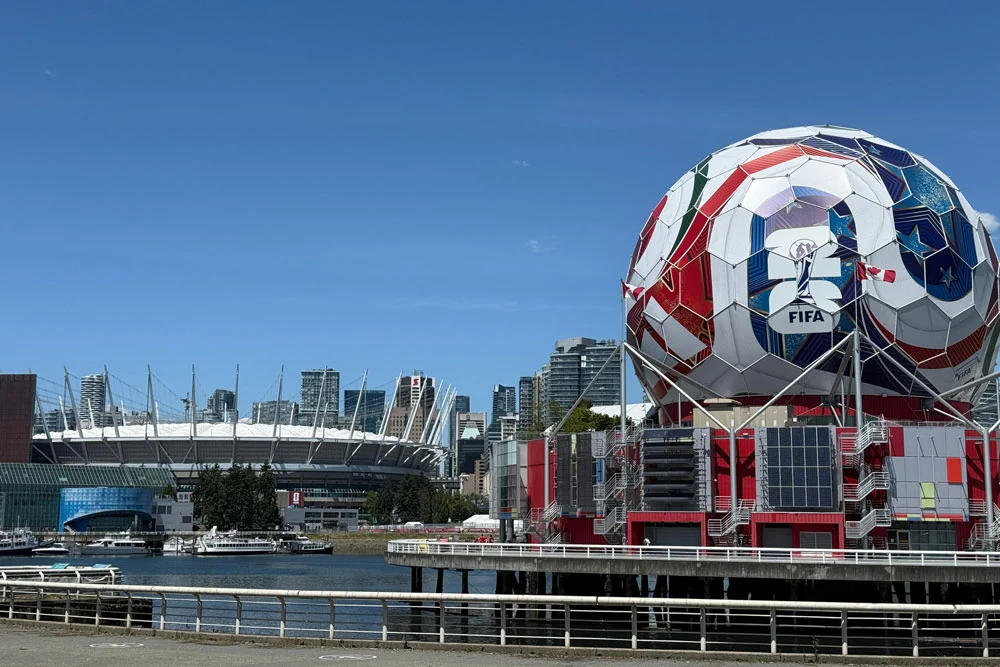
The FIFA World Cup 2026 is currently unfolding across North America, captivating millions of viewers and serving as a global stage for athletic excellence. From the opening ceremonies to the high-stakes drama of the knockout stages, the tournament has provided more than just entertainment; it has provided a masterclass in strategy, resilience, and the necessity of constant evolution.
While the goals scored and the trophies lifted are the immediate focus of the sporting world, the underlying dynamics of the tournament mirror the complex, high-pressure environment of the affiliate marketing landscape. Having observed the tournament’s trajectory—from a flight packed with the vocal, passionate "Tartan Army" to the tense atmosphere of the Round of 16—it becomes clear that the principles governing success on the pitch are remarkably similar to those required to build a world-class affiliate program.
The Synergy of Performance: Understanding the Core Pillars
To understand the intersection of elite sports and performance marketing, one must first recognize that neither is an individual pursuit. The FIFA World Cup 2026 has been defined by moments where singular brilliance was insufficient against a cohesive, well-drilled unit.
The Myth of the "One-Man Team"
In soccer, fans often look to superstars to single-handedly dictate the tempo of a match. However, the 2026 tournament has repeatedly demonstrated the limitations of reliance on individual talent. Even legends like Luka Modrić—whose vision and technical prowess remain unparalleled—could not carry Croatia past a tactically disciplined Portuguese side. Similarly, the narrative surrounding Cristiano Ronaldo’s pursuit of glory often overshadows the reality that even the most prolific goal-scorers are effectively neutralized when the collective tactical structure of their team fails to function.
This is a potent lesson for affiliate managers. In the agency world, particularly at AM Navigator, we have learned over the course of two and a half decades that an organization is only as formidable as its least-supported team member. An affiliate program, too, is a team sport. Your revenue and brand reputation are contingent upon the diverse ecosystem of partners you cultivate. Relying on a single high-performing affiliate or a narrow channel is the tactical equivalent of relying on one star player; it creates a single point of failure that can jeopardize an entire program.
Diversification as a Strategic Defense
To protect long-term growth, affiliate programs must prioritize a multi-channel, multi-type approach. Just as a soccer team requires a balance of defensive stability, midfield creativity, and clinical finishing, a marketing program requires a mix of influencers, content creators, coupon sites, and loyalty partners. By diversifying the affiliate base, programs insulate themselves from algorithm changes, platform volatility, and market shifts, ensuring that the "team" remains resilient regardless of external pressures.
The Underdog Paradox: Lessons in Market Disruption
History is often written by the giants, but the most compelling chapters of the 2026 World Cup have been penned by the underdogs. From the ancient wisdom of Sun Tzu, who warned that "there is no greater danger than underestimating your opponent," to the modern pitch, the message remains clear: complacency is the precursor to failure.
The Shock of the New
The Group Stage of the 2026 tournament provided a stark reminder of this truth. The debutant team from Curaçao delivered a masterclass in discipline, holding Ecuador to a scoreless draw—a result that sent shockwaves through the tournament brackets. Later, the Round of 16 saw Egypt seize a 2-0 lead against Argentina, the defending champions, forcing the titans of the game into a state of total defensive disarray. These moments illustrate that raw power and historical prestige are not guarantees of victory.
The Nectar Sleep Blueprint: From Challenger to Champion
The affiliate marketing industry has witnessed similar "underdog" stories that defy conventional market wisdom. When AM Navigator launched the affiliate program for Nectar Sleep in early 2017, the mattress-in-a-box category was already dominated by entrenched giants like Casper, Saatva, and Purple. The market was saturated, and the prevailing wisdom suggested that a newcomer would, at best, capture a marginal share of the market.
However, by leveraging a strategic approach that prioritized high-quality partner relationships and aggressive, yet calculated, affiliate recruitment, the results were transformative. Just one year and five days after launch, Nectar Sleep’s program rose to become the number one program on the ShareASale network. It surpassed over 5,000 other programs, including household names like Wayfair, Reebok, and the NFL. This victory serves as a cornerstone case study for the industry: being an underdog does not equate to a destiny of mediocrity. It serves as a reminder to larger, established brands that they must never rest on their laurels, as innovation and hunger can overturn even the most dominant market positions.
The Evolution of the Competitive Landscape
The third pillar of success—and perhaps the most crucial—is the necessity of continuous improvement. The 2026 World Cup has been a graveyard for former champions who failed to adapt to the changing tactical trends of the sport.
The High Cost of Stagnation
The absence of Italy, a four-time champion, from the tournament served as a grim reminder that historical success provides no immunity from modern failure. Similarly, the premature exits of the Netherlands and Brazil at the hands of Morocco and Norway, respectively, highlighted the rapid acceleration of parity in global soccer. Norway, a nation that had not qualified for the World Cup in nearly three decades, utilized modern analytics and a refreshed tactical philosophy to reach the Quarterfinals, proving that past performance is not a predictor of future results.
Staying Dynamic in a Fluid Market
In affiliate marketing, the only constant is change. Tactics that drove record-breaking conversions five years ago are often obsolete today. The rise of social commerce, the shifts in privacy regulations, and the evolving nature of consumer behavior require a "dynamic" mindset. If your strategy for 2026 is identical to your strategy from 2023, you are likely already losing ground.
Continuous professional development is no longer an optional perk; it is a business imperative. Whether through attending industry conferences like the Affiliate Summit in New York or engaging in ongoing educational initiatives, the most successful marketers are those who treat their careers as a constant learning journey rather than a destination.
Implications for Future Growth
As we look toward the remainder of the 2026 World Cup and beyond, the implications for the affiliate marketing sector are clear:
- Prioritize Human Capital: Invest in your team. Whether you are building an in-house affiliate department or an external agency, the quality of your human relationships and the synergy of your workforce will determine your ceiling.
- Respect the Challenger: Never underestimate a new entrant to your vertical. If you are a market leader, monitor the "underdogs" closely. Their ability to move fast and challenge the status quo is a threat that requires constant vigilance and innovation.
- Embrace Dynamic Education: The landscape is moving faster than ever. Dedicate time to industry networking, attend conferences, and maintain an open dialogue with peers. The ability to pivot based on new data and industry trends is what separates the winners from those who simply qualify to play.
The FIFA World Cup 2026 will eventually conclude, and the champions will be crowned. But the lessons drawn from the pitch—the value of teamwork, the danger of underestimating the competition, and the necessity of evolving to meet the demands of a new era—will remain the guiding principles for any affiliate professional looking to build a legacy in an increasingly competitive digital marketplace. If you are attending any of the upcoming industry conferences, we invite you to reach out. The dialogue continues, and there is much to be learned from one another as we navigate the next phase of our industry’s evolution.