









Apple has officially pushed the fourth developer beta of iOS 27 to registered testers, marking a pivotal mid-summer milestone in the development cycle of the company’s next-generation mobile operating system. As the software matures, the latest build—identified by the internal designation 23G71—offers a clearer glimpse into the refined interface and the highly anticipated integration of next-generation artificial intelligence.
Since its dramatic unveiling at the Worldwide Developers Conference (WWDC) earlier this summer, iOS 27 has been framed as a paradigm shift for the iPhone. By centering the experience on advanced Siri capabilities, the expansion of Apple Intelligence, and the introduction of "Liquid Glass" design aesthetics, Apple is signaling a move toward a more fluid, context-aware user interface.
Main Facts: What You Need to Know
iOS 27 Beta 4 is currently available to developers through the standard over-the-air update mechanism. Users enrolled in the developer program can navigate to Settings > General > Software Update to pull the build. If "Beta Updates" is toggled to the "iOS 27 Developer Beta" profile, the update will appear immediately.
While the build is now in a more stable state than its predecessors, it remains a work in progress. Apple’s release notes reiterate that users should expect varying degrees of battery drain, occasional system stumbles, and potential incompatibilities with third-party applications that have yet to be optimized for the new APIs.

Key Highlights of the Update:
- Refinement of Liquid Glass: The design language introduced in the initial beta has been polished, with smoother animations and improved light-refraction effects across the UI.
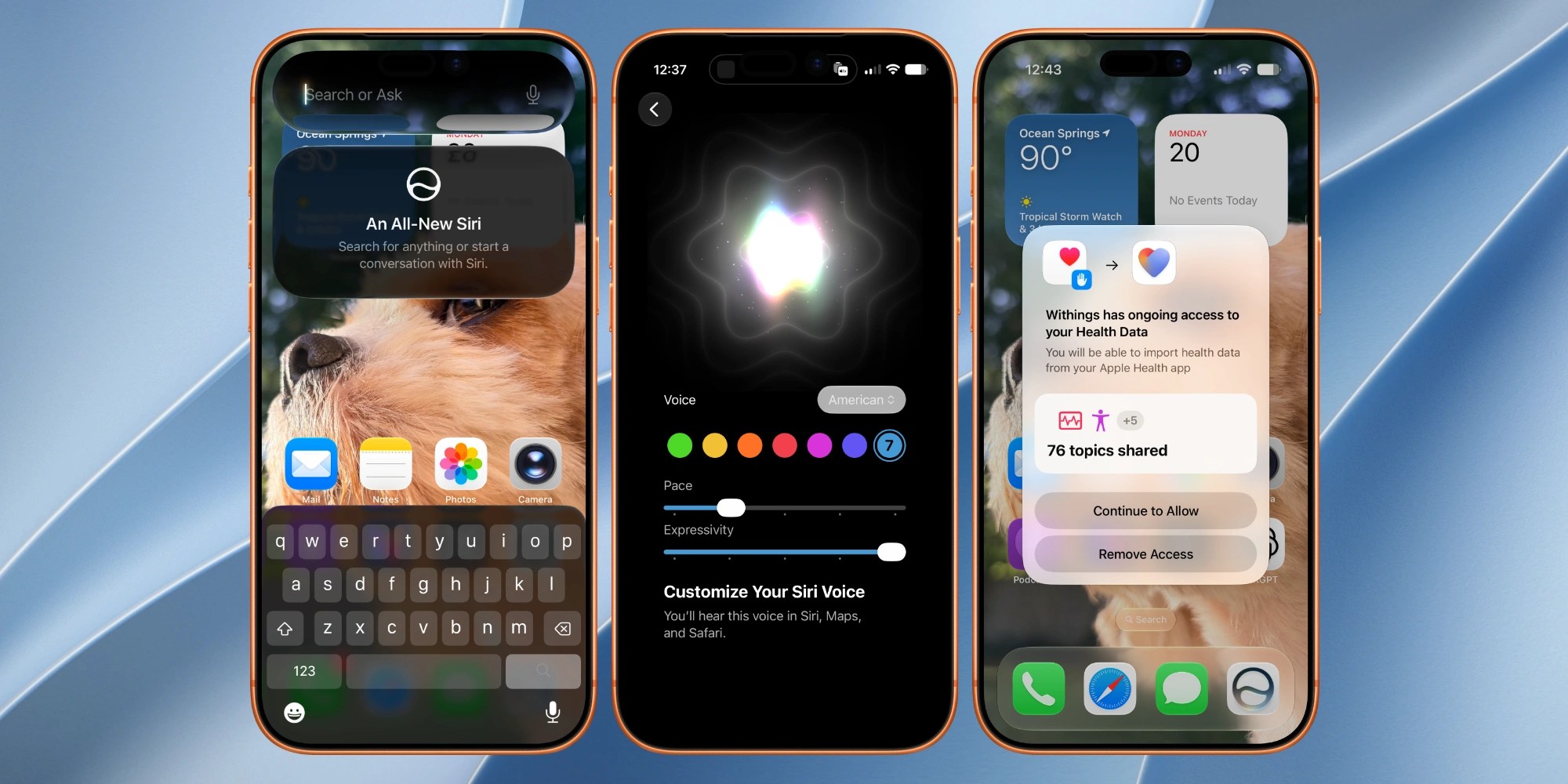
- Apple Intelligence Expansion: This build introduces more granular control over the on-device processing capabilities, allowing users to better manage how Siri interacts with their personal data.
- System Stability: Build 23G71 focuses heavily on squashing the performance regressions found in Beta 3, particularly regarding background task management and thermal throttling.
Chronology: The Road to September
The trajectory of iOS 27 has been consistent with Apple’s historical release cadence, though the technical complexity of integrating generative AI has added a layer of intensity to this year’s testing cycle.
- WWDC Announcement (June 2026): Apple unveiled iOS 27, highlighting the move toward deeper AI integration and the "Liquid Glass" UI refresh.
- Developer Beta 1 (Early June): The initial, raw build was released to developers, providing the first look at the new architecture.
- Public Beta Launch (July 13, 2026): After two rounds of internal refinements, Apple opened the testing pool to the general public, significantly increasing the volume of telemetry data and bug reports.
- Developer Beta 4 (Current Phase): This release marks the transition from "feature addition" to "feature refinement," as engineers focus on polishing the user experience ahead of the upcoming September hardware launch.
Supporting Data: Compatibility and Hardware Requirements
Not every iPhone will see the full suite of features arriving with iOS 27. Apple has maintained a strict hardware tiering strategy, ensuring that the heavy computational requirements of Apple Intelligence are met with the necessary neural engine power.
- Supported Devices: The update is compatible with the iPhone 11 and later, as well as the second-generation iPhone SE and subsequent models.
- AI Constraints: Users looking to utilize the most advanced Siri AI and Apple Intelligence features will require more recent hardware. Specifically, these features are optimized for the processors found in the iPhone 15 Pro series and the upcoming 2026 iPhone lineup. Older devices will retain the core "Liquid Glass" aesthetic changes and quality-of-life updates but will lack the deep generative processing power of the newer flagship models.
This tiered approach reflects Apple’s strategy of balancing legacy device support with the aggressive adoption of high-performance hardware required for its AI-first software roadmap.
Official Responses and Developer Guidance
Apple’s stance on beta software remains firm: it is for testing, not daily driving. In communications to the developer community, Apple has emphasized that Beta 4 represents a significant reduction in known issues but warns that "edge cases" still exist.

The company has specifically encouraged developers to leverage the new Xcode 18 tools to test how their applications interact with the revised multitasking and background processing APIs. "The goal of this phase," a spokesperson noted, "is to ensure that the transition to the new Liquid Glass framework is seamless for both the system and the third-party ecosystem."
For those encountering issues, Apple’s Feedback Assistant remains the primary channel for reporting. By providing logs and specific use-case documentation, developers are playing a crucial role in shaping the final "Gold Master" build that will ship to millions of users in the fall.
Implications for the User Experience
The implications of iOS 27 are profound. By moving toward a "Liquid Glass" design, Apple is signaling a departure from the static, rigid grid layouts that have defined the iPhone since its inception. The UI now feels more organic, with elements that react to light, touch, and system status in real-time.
Furthermore, the deeper integration of Apple Intelligence suggests that the iPhone is evolving from a collection of apps into a proactive assistant. Instead of the user navigating through menus to find information, the OS is being redesigned to anticipate needs, summarize data, and execute complex, multi-step tasks via natural language commands to Siri.
Managing Expectations
For the average user, the temptation to install the Public Beta is high, especially with the buzz surrounding these new features. However, the current iteration of Beta 4, while improved, is not without its pitfalls:
- Battery Performance: Users have noted that battery health statistics may fluctuate during the indexing period immediately following the update.
- App Ecosystem: Critical banking and authentication apps may intermittently crash until developers release updates that specifically target the iOS 27 environment.
- Heat Management: Advanced AI processing can cause noticeable warmth on devices during the initial 24–48 hours post-update as the system re-indexes photos and files for the new intelligence features.
Looking Ahead: The September Launch
As the summer draws to a close, the focus for the Apple engineering team will shift toward final optimization. We expect to see a rapid succession of "Release Candidate" builds in late August. These builds will likely contain final security patches and stability fixes that will define the initial public release.
The official public launch is expected to coincide with the introduction of the next iPhone lineup in September. This alignment is critical, as the new hardware will likely feature exclusive sensors and processing capabilities designed to take full advantage of the iOS 27 architecture.
How to Participate
If you are interested in testing the software, the public beta is the safest route. By signing up at the Apple Beta Software Program website, you can download the configuration profile. However, always perform a full iCloud or Finder backup of your iPhone before proceeding.

In conclusion, iOS 27 Beta 4 is a signal that Apple is hitting its stride. With the core features now implemented, the next few weeks will be defined by the "polish" phase—the final, critical steps required to deliver an experience that feels both innovative and reliable. As always, for those who choose to dive in early, patience is the best companion. The true power of the "Liquid Glass" design and the intelligence overhaul will be fully realized when the update reaches general availability in the coming months.
Have you encountered any unique bugs or discovered hidden features in iOS 27 Beta 4? We want to hear from you. Reach out to our editorial desk at [email protected] to share your findings.