









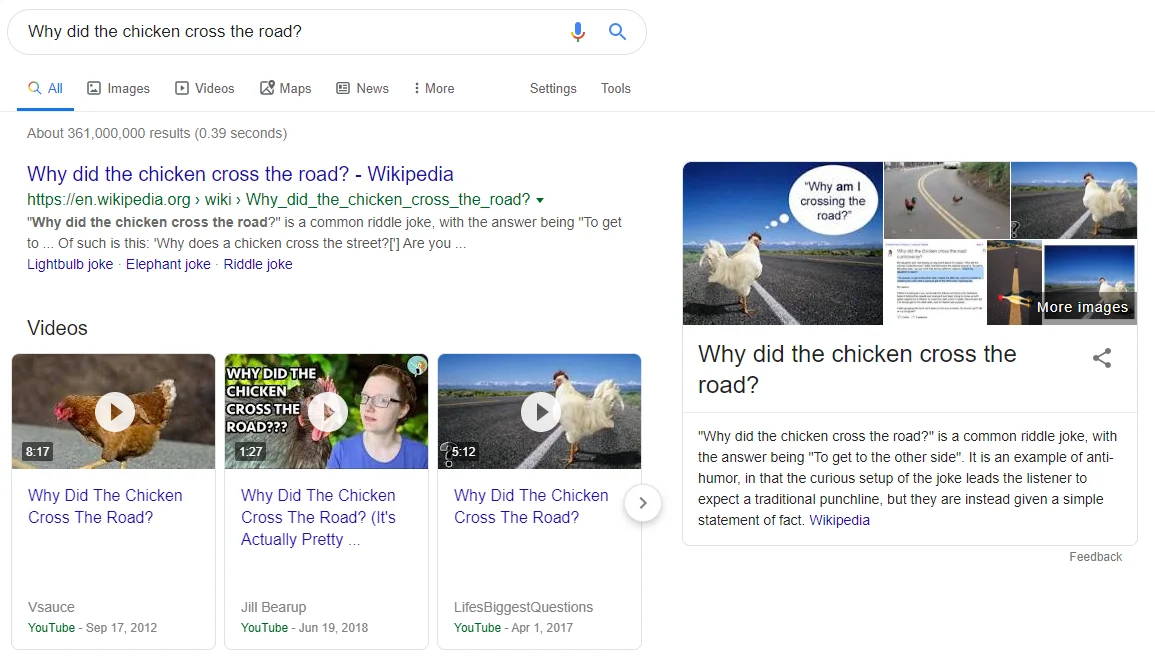
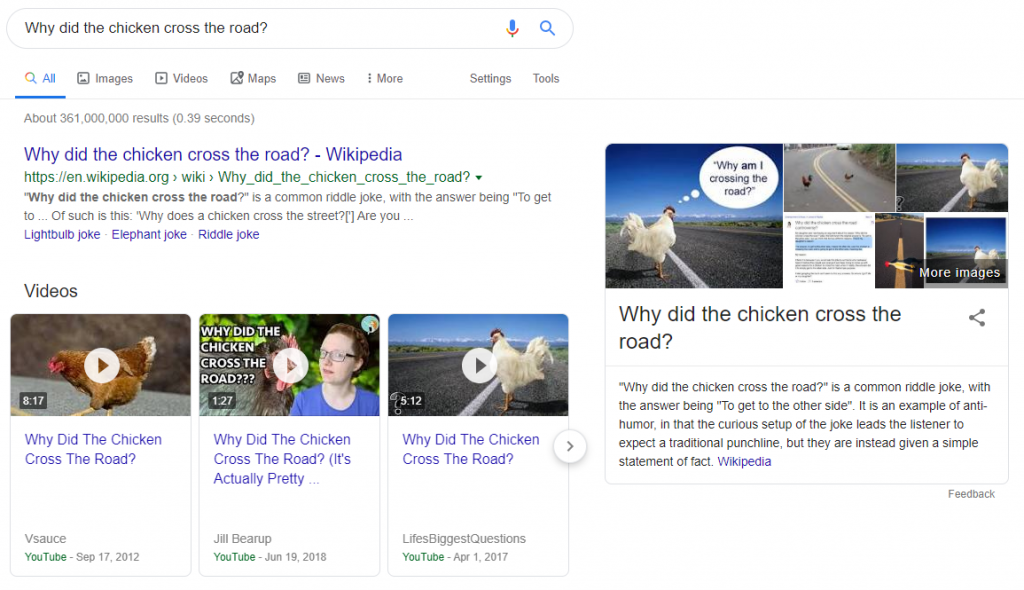
Why did the chicken cross the road? While we may never uncover the chicken’s true motivations, search engines are increasingly obsessed with answering the why behind every query. In the modern digital landscape, "search intent"—the underlying purpose behind a user’s typed request—has evolved from a simple SEO buzzword into the primary engine driving global search results.
As search algorithms transition from keyword-matching machines to sophisticated, AI-driven contextual systems, understanding the psychology of the searcher is no longer just an advantage—it is a prerequisite for survival in the digital economy.

1. What Is Search Intent? The Pulse of Modern Search
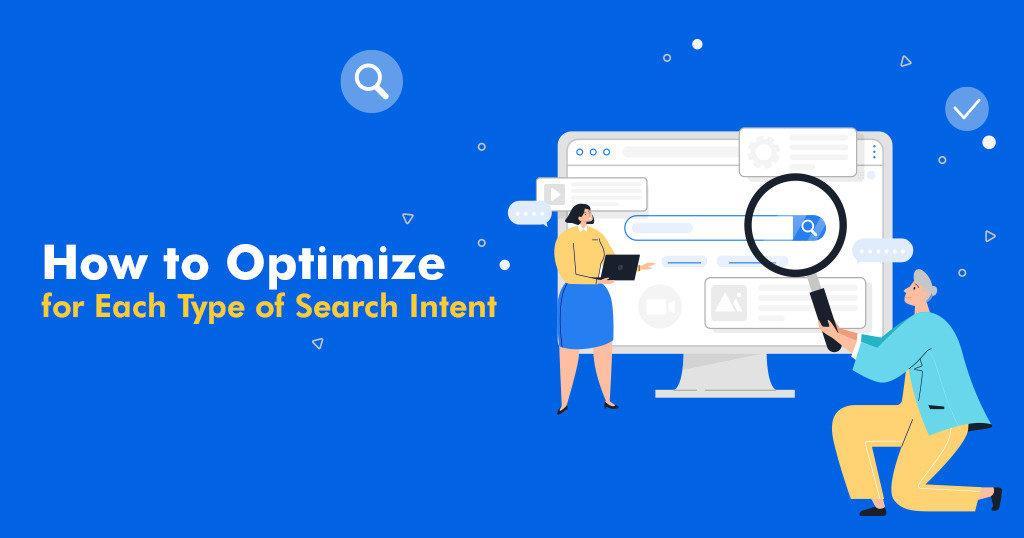
Search intent, often referred to as "keyword intent," is the fundamental reason a user conducts a specific search. It is the bridge between a human desire and a digital solution. When a user inputs a query, they are not just looking for words; they are looking for a specific outcome.
Google’s evolution has been relentless. The search giant no longer prioritizes pages simply because they contain the exact keywords a user typed. In fact, many high-ranking pages today may not even contain the specific search term in their title. Instead, Google’s AI analyzes the "searcher’s goal." Does the user want to learn, go to a specific site, or complete a transaction? By aligning content with this intent, creators can secure their place in the "hall of fame"—the coveted first page of search results.
2. The Chronology of Search: From Keywords to AI Context
The concept of search intent is not new. In 2002, researcher Andrei Broder pioneered the categorization of search queries into three distinct pillars: informational, navigational, and transactional.
- 2002–2010 (The Keyword Era): Search engines operated on literal interpretation. If a user searched "best running shoes," the engine looked for sites stuffed with those exact terms.
- 2010–2019 (The Intent Era): Google introduced RankBrain and Hummingbird, shifting the focus to semantic search. The engine began to recognize that "how to fix a flat tire" and "tire repair guide" represented the same intent.
- 2020–Present (The AI-Driven Contextual Era): With the rise of Generative AI and Large Language Models, search has moved beyond the query. Modern AI evaluates brand sentiment, entity relationships, and the overall digital reputation of a site. It is no longer just about what you say on your page; it is about what the rest of the internet says about you.
3. The Three Pillars of Search Intent: Supporting Data
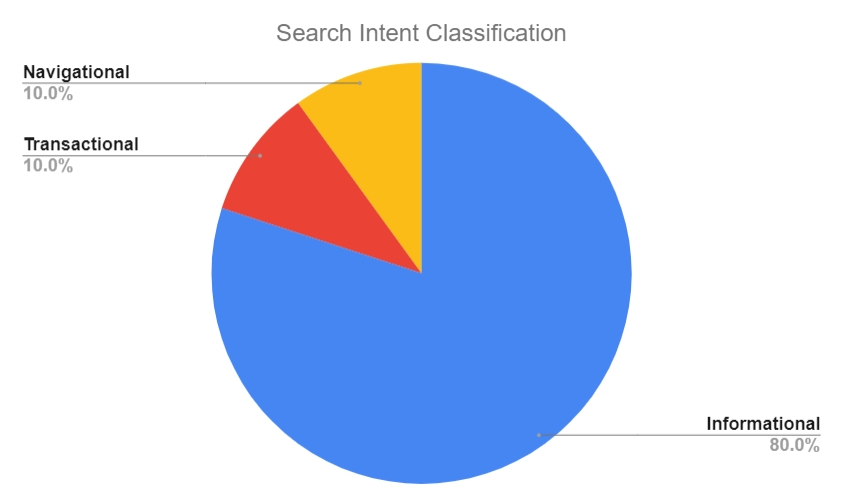
Data suggests that 80% of all search queries are informational in nature. Users are seeking answers, education, or solutions to problems. The remaining 20% is split between navigational (seeking a specific website) and transactional (seeking to buy or act).
Informational Intent
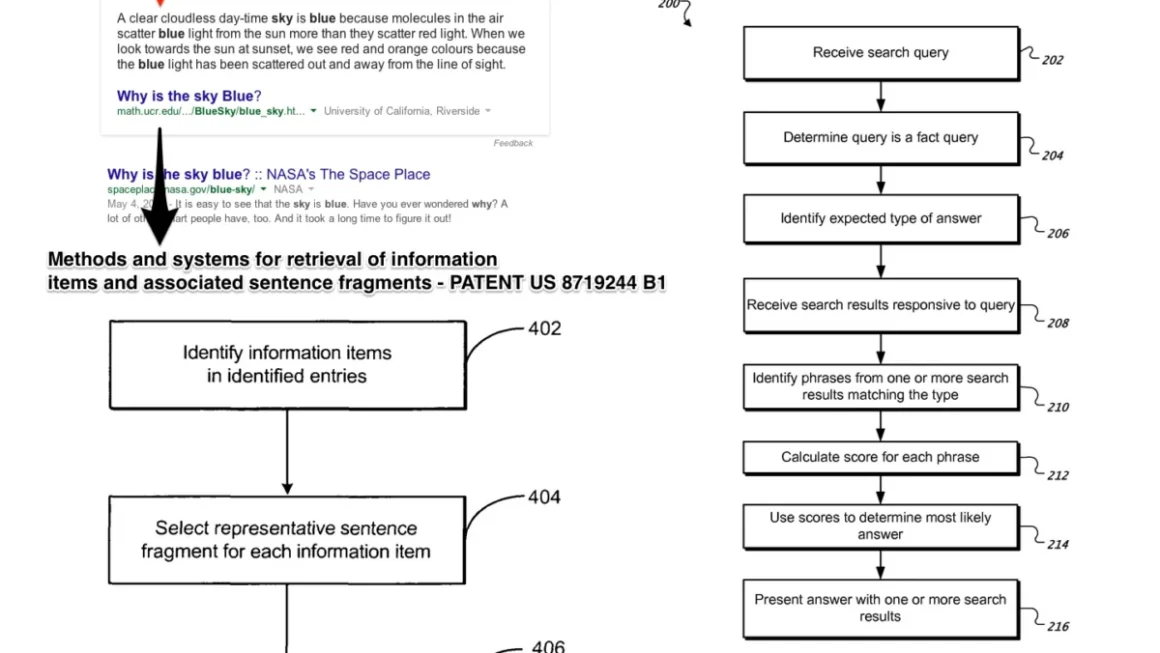
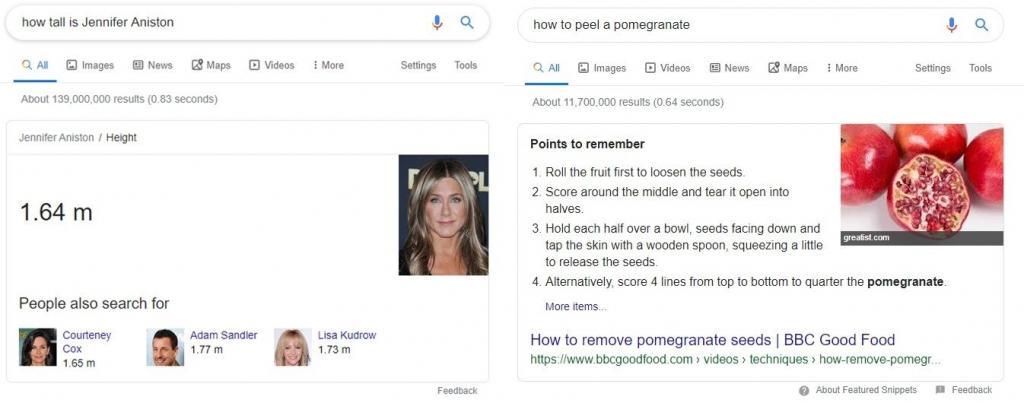
These queries are broad. Users ask questions like "How to peel a pomegranate" or "Why is the sky blue?" These queries are the lifeblood of content marketing. By utilizing "Featured Snippets"—the highlighted boxes at the top of the search results—brands can establish authority and capture traffic that bypasses traditional rankings.
Navigational Intent
This occurs when a user is searching for a specific brand, such as "Facebook login" or "Amazon." While it is difficult to "rank" for a competitor’s brand name, businesses must ensure they dominate the search results for their own brand to prevent traffic leakage.
Transactional Intent
These are the high-value queries. Users are ready to open their wallets. Phrases like "buy running shoes" or "where to purchase X" indicate that the user has moved past the research phase and is ready for conversion.
4. Official Perspectives on Optimization
Industry leaders, including those at cognitiveSEO and BrandMentions, emphasize that search intent should be viewed as a cycle rather than a single event. A user might start with an informational query ("benefits of sunglasses"), move to a comparison phase, and finally end with a transactional search ("buy Ray-Ban sunglasses").
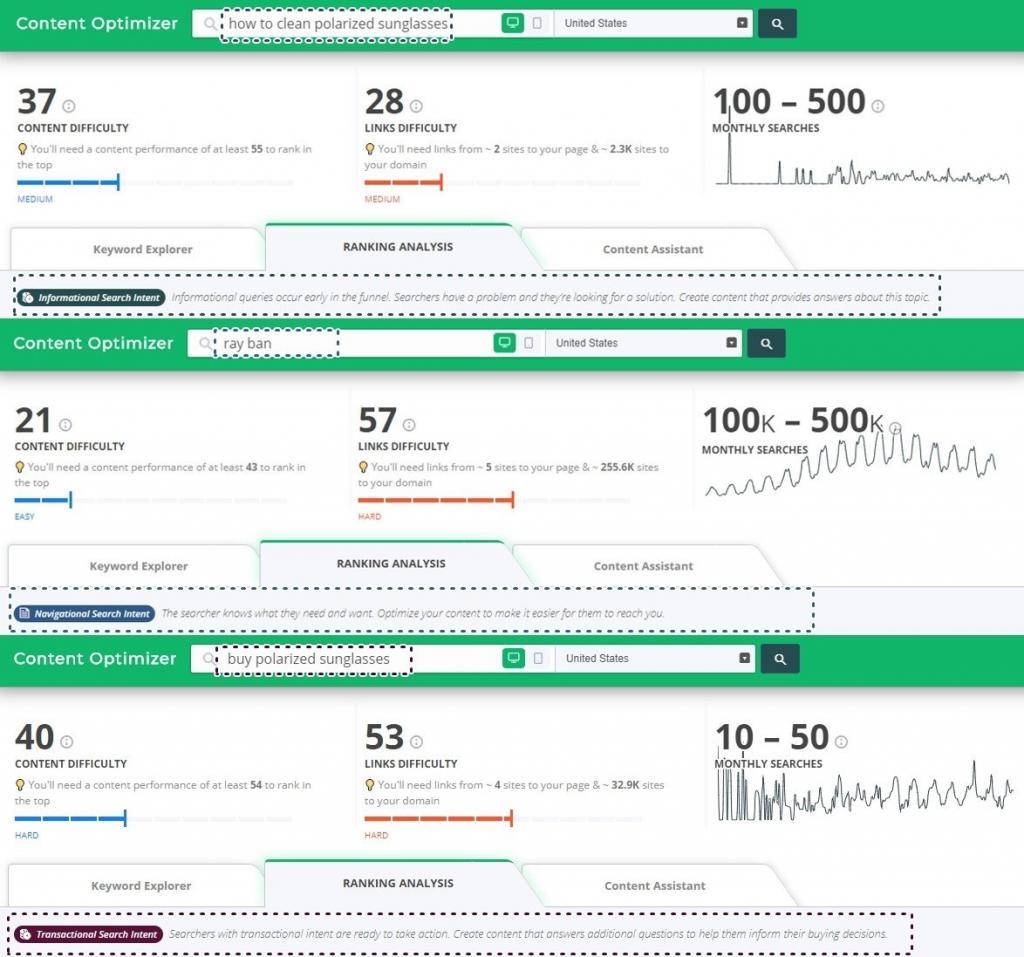
According to search experts, the "formula" for success is: Intent Type + Industry Term. By analyzing the Search Engine Results Page (SERP) before writing, content creators can identify exactly what format (blog post, video, product page) Google currently favors for that specific intent.
5. Strategic Implications: How to Pivot Your Content
To remain competitive, businesses must move away from "keyword-first" strategies and adopt "intent-first" architectures.
Step 1: SERP Analysis
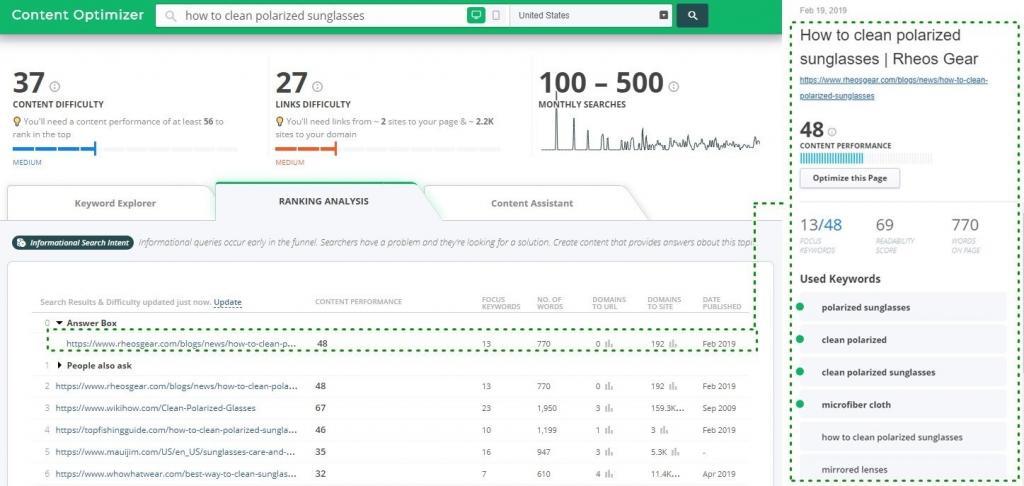
Before drafting content, perform a deep dive into the current top results. If the first page is filled with product pages, your blog post won’t rank. If it’s filled with "how-to" articles, a product page will struggle to gain traction.
Step 2: The "Angle" Advantage
While structure and format help you reach the first page, your "angle" dictates your position. If every result is a "Top 10" list, your unique selling proposition (USP) must provide a fresh perspective or deeper expertise to climb to the number one spot.

Step 3: Monitoring the Digital Footprint
Modern SEO requires more than just internal content optimization. AI systems monitor "contextual brand intent"—how your brand is discussed across forums, social media, and news outlets. Using tools like the BrandMentions app to track these sentiments allows companies to understand their authority signals in real-time.
6. The Challenge of Fluctuating Intent
One of the most complex hurdles in modern SEO is the fact that search intent is not static. Take the keyword "Amazon." Ten years ago, it was purely navigational (the website). Today, during wildfire seasons, the intent shifts to informational (the rainforest).
This fluidity means that content audits must be continuous. A page that ranks today for a specific intent may be pushed aside tomorrow if the search engine detects a shift in user behavior. Brands that fail to update their content to match these shifting currents will see their traffic evaporate, regardless of how well-optimized their site was in the past.
7. Maximizing ROI through Intent Alignment
The ultimate goal of aligning with search intent is to ensure that the people landing on your pages are the people most likely to stay and convert. This leads to several critical business advantages:

- Increased Dwell Time: When users find exactly what they are looking for, they stay longer, sending positive signals to Google.
- Higher Conversion Rates: Transactional content captures users at the moment of peak readiness, directly impacting the bottom line.
- Topical Authority: By answering all related questions in a niche, you move from being a single-page result to being a trusted resource, which boosts your overall site domain authority.
Conclusion: The Future is Human-Centric
As AI continues to dominate the search landscape, the irony is that the most successful SEO strategy is to be more human. Understanding the "why" behind a search is an exercise in empathy. It requires business owners to step into the shoes of their customers, anticipate their needs, and provide solutions before they even ask.
The tools available today—from AI-powered content optimizers to sentiment tracking platforms—provide the data, but the strategy remains the same: define your page’s intent, structure it to meet the user’s needs, and ensure your brand’s reputation supports your content across the entire web. In the race to the top of the search results, the winner is no longer the one with the most keywords, but the one who best understands the human behind the screen.