
Search engines serve as the digital nervous system of the modern world. They are the gateways to the vast, chaotic expanse of the internet, acting as sophisticated filters that distill billions of web pages into precise, relevant answers. From industry titans like Google that have become synonymous with the act of searching itself, to privacy-focused niche players, search engines are as diverse as the queries they process.

Whether you are a casual user looking to switch providers or a digital strategist attempting to navigate the complex world of Search Engine Optimization (SEO), understanding the mechanics behind these tools is essential.
What is a Search Engine?
At its core, a search engine is a software system designed to carry out web searches. It systematically crawls the internet, indexes the content it discovers, and processes user queries to return the most pertinent information. While early iterations—like the 1990 debut of Archie—were limited to indexing file names, modern search engines utilize artificial intelligence, machine learning, and semantic analysis to understand the intent behind a user’s search.
How Search Engines Work: The Three Pillars
To deliver results in milliseconds, search engines perform three continuous, automated processes:

1. Crawling
Search engines use automated programs known as "spiders" or "bots" to discover new or updated web pages. These crawlers follow hyperlinks from one page to another, building a map of the web. This process is iterative; as the crawler discovers new links, it adds them to a queue to be processed later.

2. Indexing
Once a page is discovered, the search engine analyzes its content—text, images, and video—and stores this information in a massive database known as the Index. Think of this index as a library that contains almost every page on the internet. Without being indexed, a website is essentially invisible to the search engine results page (SERP).

3. Ranking
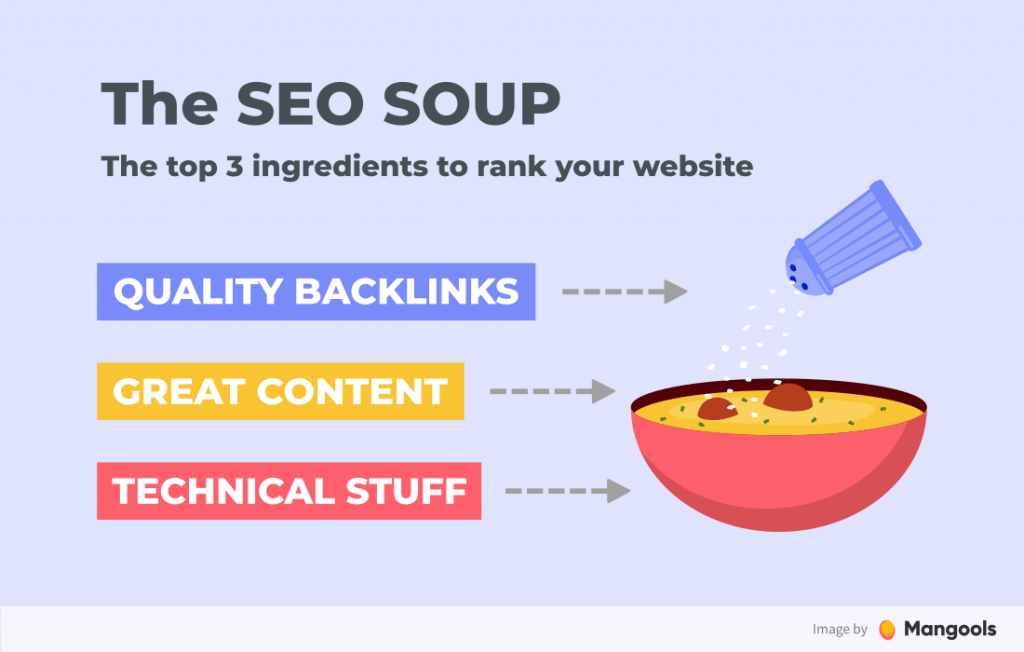
The final step is ranking. When a user submits a query, the search engine must decide which of the billions of pages in its index are the most relevant. It uses complex algorithms—often incorporating over 200 distinct signals—to determine the order of results. These signals include page load speed, mobile-friendliness, content quality, and the presence of high-quality backlinks.

Search Engine Algorithms: The Secret Sauce
An algorithm is the logic that powers a search engine. While companies like Google keep their proprietary code secret to prevent manipulation, we know that modern algorithms prioritize "E-E-A-T": Experience, Expertise, Authoritativeness, and Trustworthiness.

In the era of Generative AI, search algorithms have shifted from simple keyword matching to "Natural Language Processing" (NLP). They no longer just look for the words you typed; they look for the meaning behind your question.

The Global Landscape: Key Players and Market Dominance
While hundreds of search engines exist, a few command the vast majority of global traffic.

1. Google (The Market Leader)
With over 90% of the global search market share, Google remains the undisputed king of information retrieval. Its dominance is driven by superior data processing, a robust advertising ecosystem, and deep integration into mobile devices via Android.

2. Microsoft Bing
Bing has positioned itself as the primary alternative to Google. Since its deep integration with OpenAI’s GPT models, Bing has rebranded its search experience into a "Copilot" functionality, aiming to provide conversational, AI-driven answers rather than just a list of blue links.

3. Privacy-First Engines (DuckDuckGo, Startpage, Qwant)
A significant segment of the population is moving away from data-harvesting engines. DuckDuckGo, for instance, has gained massive traction by promising not to track user data or build "filter bubbles," offering a neutral, private experience.

4. Regional Powerhouses (Baidu, Yandex, Naver)
In countries like China, Russia, and South Korea, local search engines dominate. Baidu (China) and Yandex (Russia) have tailored their algorithms to handle specific linguistic nuances, local regulations, and cultural contexts that global players often overlook.

The Evolution of SEO in an AI-Driven World
Search Engine Optimization (SEO) has changed drastically. Traditionally, SEO involved "keyword stuffing" and link building. Today, it is about content strategy.

The Rise of AI Search Watchers
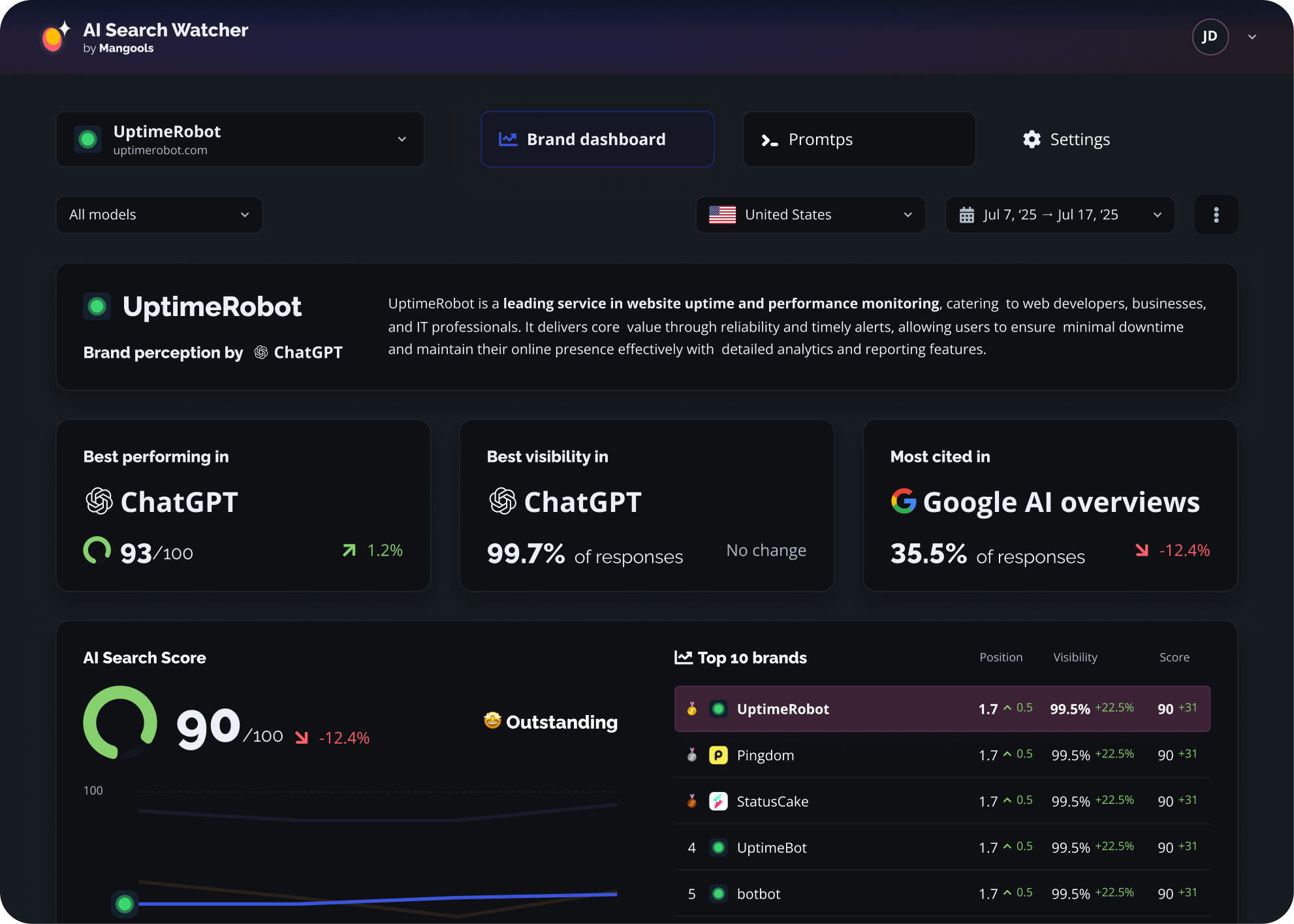
With the emergence of Large Language Models (LLMs) like ChatGPT, Gemini, and Claude, search is moving away from the traditional SERP. Users are now asking AI chatbots for answers. This has created a need for "AI Rank Tracking." Tools like Mangools’ AI Search Watcher allow brands to monitor how they are represented in AI-generated answers, marking a new frontier for digital marketers.

Implications for Users and Businesses
The shift toward AI-powered search has profound implications:

- For Users: Search is becoming faster and more conversational. However, the risk of "hallucinations"—where AI provides false information with high confidence—remains a significant hurdle.
- For Businesses: The "Zero-Click Search" phenomenon is growing. Because search engines (and AI models) are providing answers directly on the results page, users have less incentive to click through to a website. Businesses must now optimize for "Answer Engine Optimization" (AEO) to ensure their brand is cited as a source by AI models.
Chronology of Search Evolution
- 1990: Archie, the first search tool, is created.
- 1994: WebCrawler allows users to search for text within pages, not just titles.
- 1998: Google is founded, revolutionizing search with "PageRank" technology.
- 2009: Microsoft launches Bing, shifting the landscape toward more visual and intent-based results.
- 2022/2023: The "AI Pivot." Perplexity.ai and OpenAI change the paradigm from "link discovery" to "answer generation."
Frequently Asked Questions
What is the difference between a browser and a search engine?
A browser (like Chrome or Safari) is the application you use to access the internet. A search engine (like Google or Bing) is a website you visit within the browser to find information.

How do search engines make money?
The vast majority of search engines monetize through "Search Engine Marketing" (SEM). They sell advertising space at the top and bottom of search results. When a user clicks an ad, the advertiser pays the search engine.

Can you optimize for AI search engines?
Yes, but the tactics are different. While traditional SEO focuses on backlinks and keywords, AI optimization focuses on "authoritative content" and structured data that AI models find easy to parse and summarize.

Conclusion
The search engine is no longer just a list of links; it is becoming an intelligent assistant. As we look toward the future, the boundary between "searching the web" and "consulting an AI" will continue to blur. For businesses and users alike, staying informed about these technological shifts is not just an advantage—it is a necessity for navigating the digital age.