










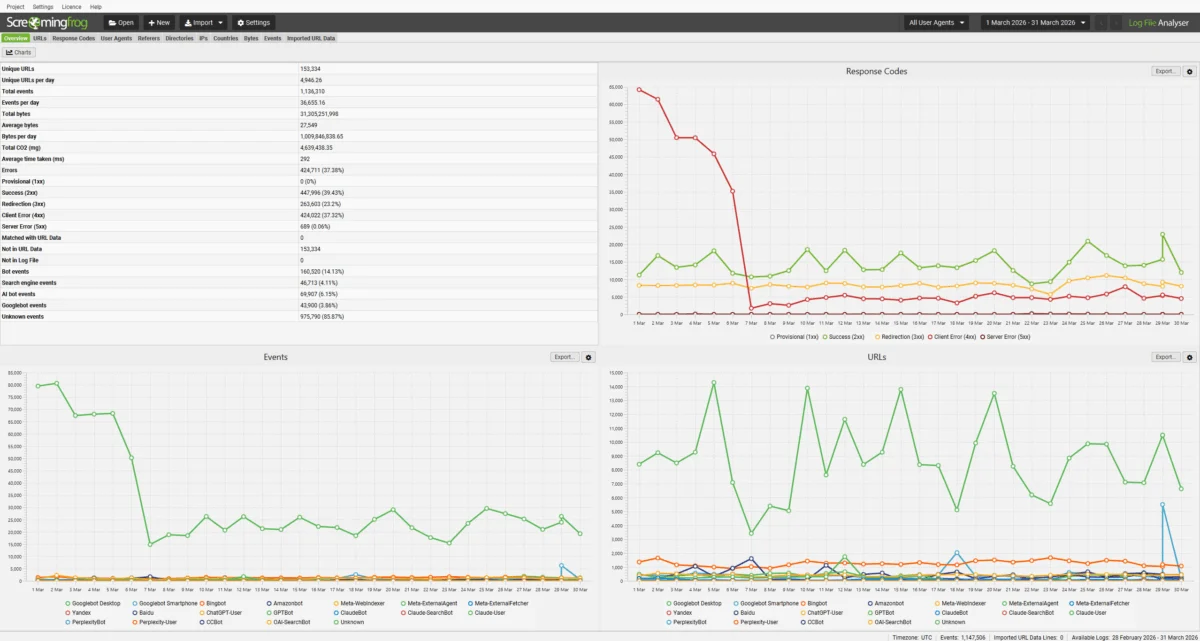
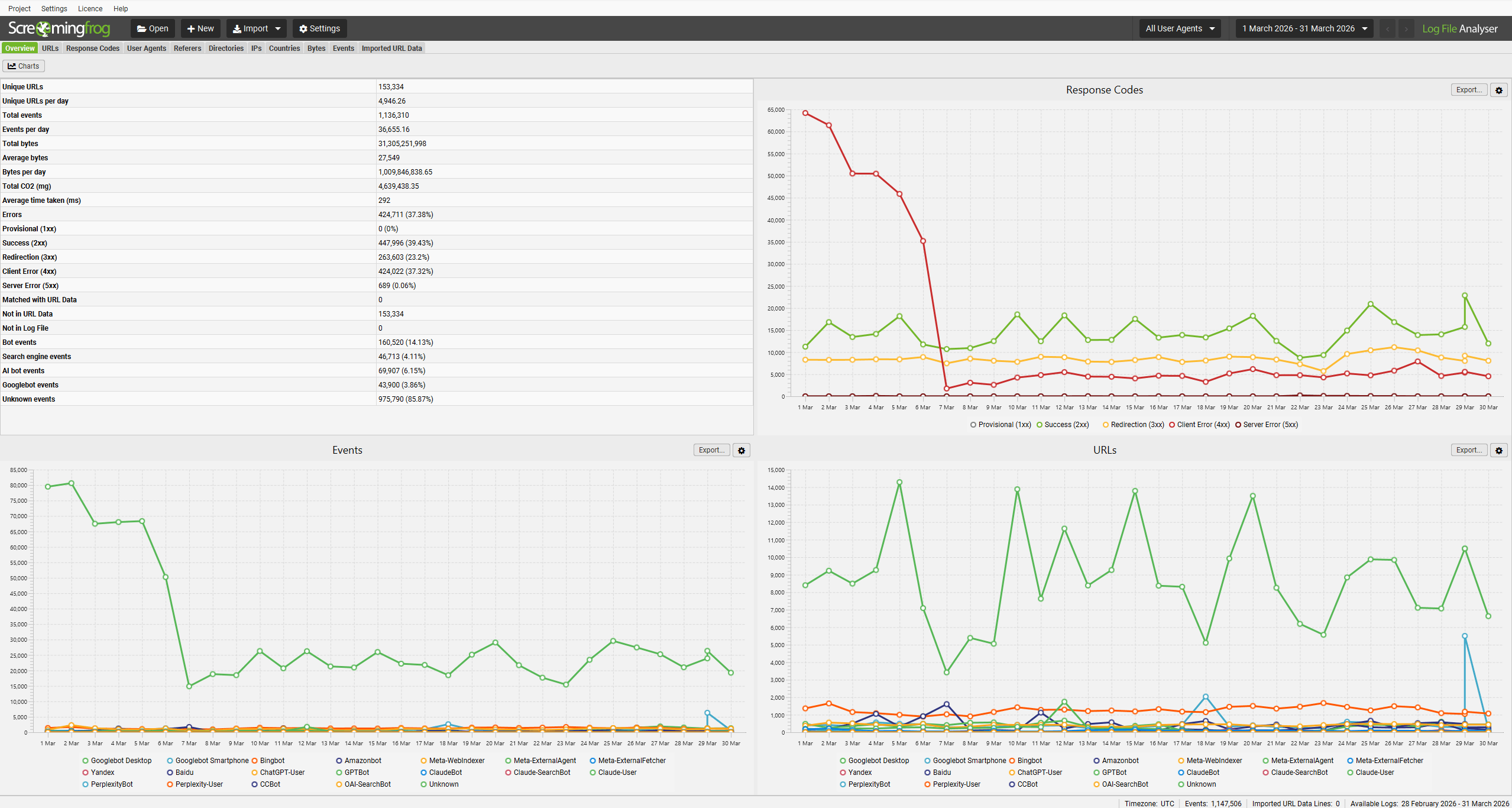
The landscape of web crawling is shifting. As search engines continue to refine their indexing algorithms and the surge of AI-driven bots becomes a permanent fixture of the digital ecosystem, the tools used to monitor server traffic must evolve in lockstep. Today, the industry standard for server log analysis, the Screaming Frog Log File Analyser, has officially launched its 7.0 iteration. This update marks a significant leap forward in how SEO professionals, developers, and data analysts monitor, verify, and understand the bots interacting with their infrastructure.
Main Facts: What Version 7.0 Brings to the Table
The Screaming Frog Log File Analyser has long been the definitive tool for ingesting raw server logs, allowing users to move beyond the surface-level reporting of Google Search Console. Version 7.0 reinforces this position by focusing on the growing complexity of bot traffic.
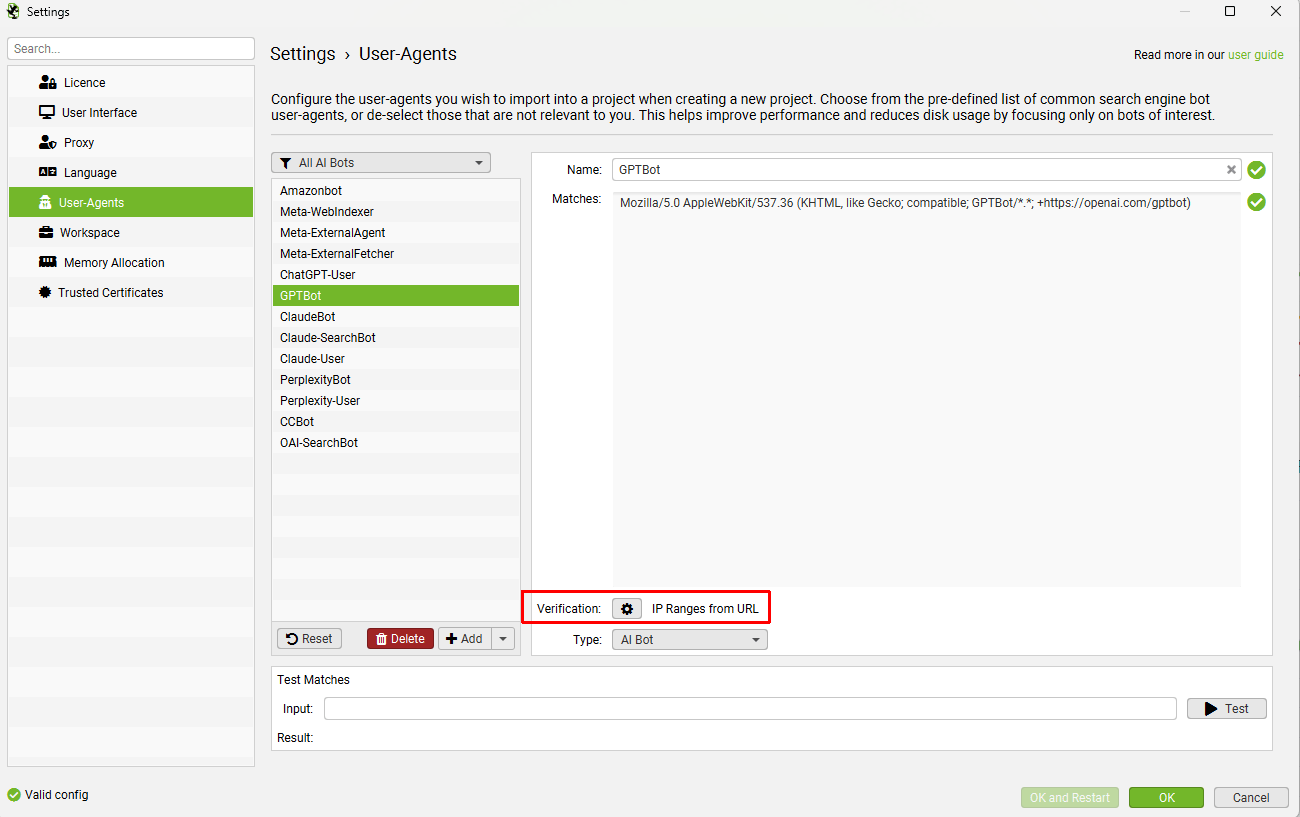
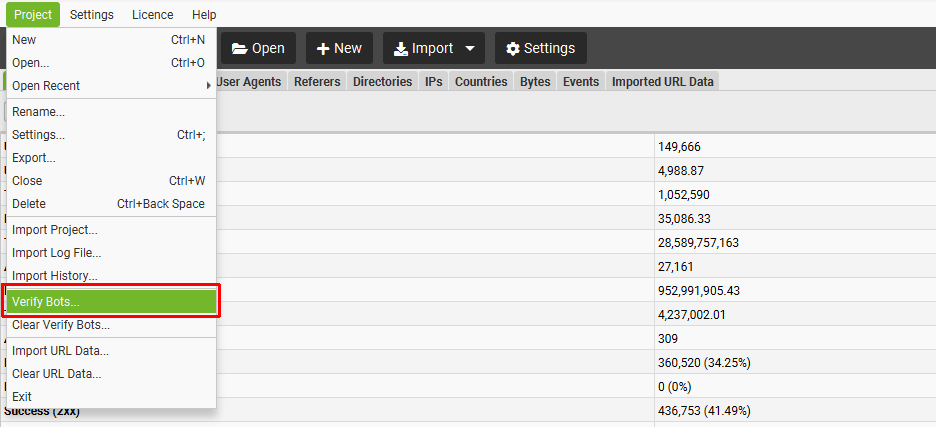
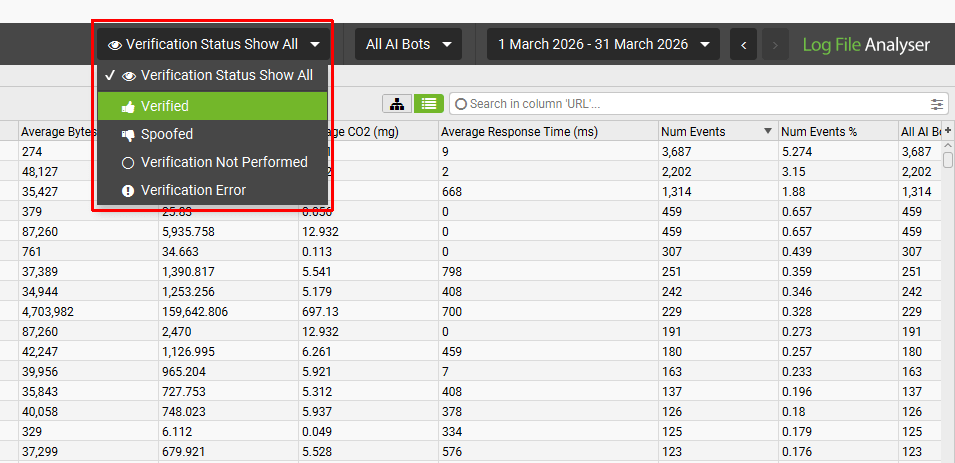
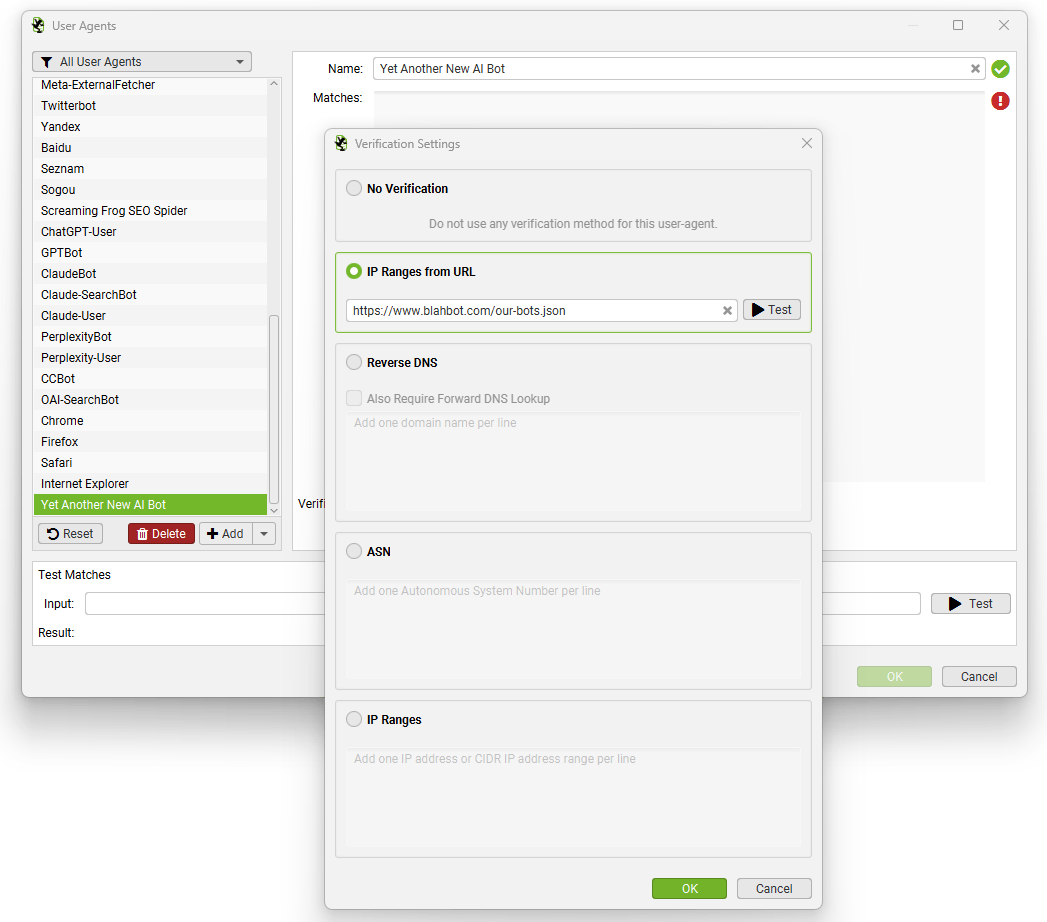
At its core, the update introduces comprehensive AI bot verification. In an era where "scraping" is often conflated with "indexing," the ability to distinguish between legitimate AI entities—such as those powering large language models—and malicious or spoofed traffic is paramount. By expanding their verification protocols, Screaming Frog ensures that users can trust the data they see in their dashboards.
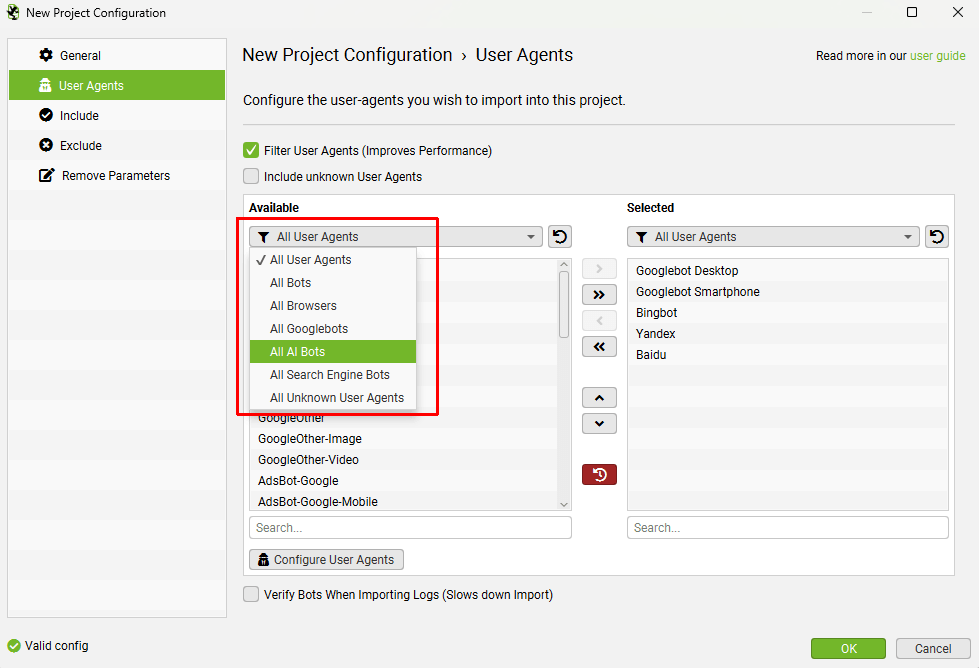
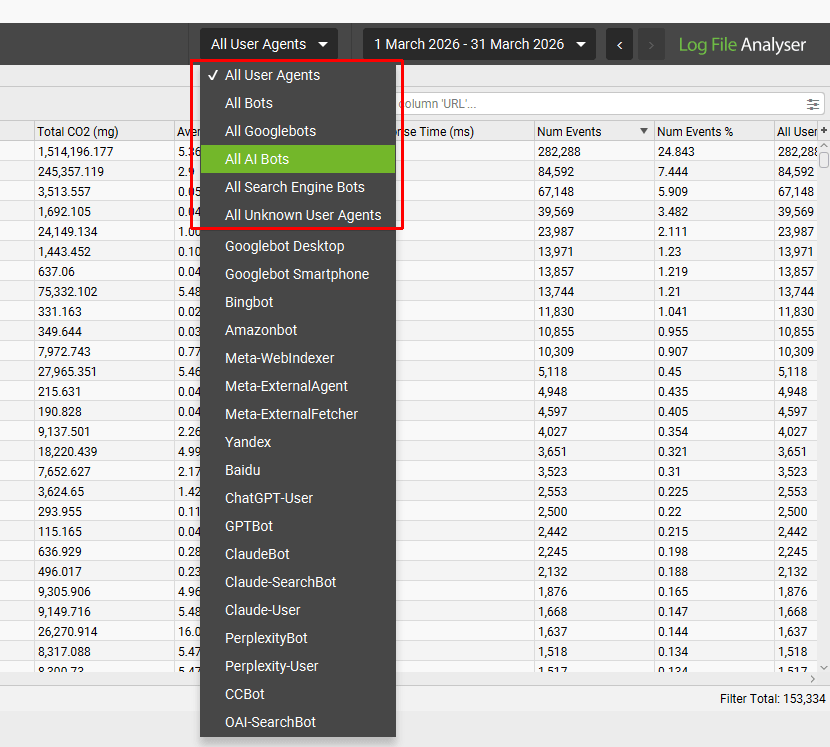
Beyond verification, the software now features robust User Agent Grouping, which simplifies the analysis of high-volume log data. Users can now categorize traffic by intent (e.g., "All Search Bots" vs. "All AI Bots"), facilitating a more strategic approach to log management. Other headline features include direct Google Sheets integration, project portability through import/export functionality, and a powerful new "Time Series" visualization tab that identifies spikes in latency or status code fluctuations with surgical precision.
Chronology: A Path to Version 7.0
The development of the Log File Analyser has always been driven by the specific, often grueling, demands of the SEO community. Following the stable release of the 6.x series, the engineering team at Screaming Frog identified a growing disconnect between traditional "bot" monitoring and the modern reality of massive AI crawling.
- Early 2026: Initial planning for version 7.0 focused on the "AI Problem." The team recognized that standard user-agent strings were no longer sufficient to identify the influx of new AI crawlers.
- Q1 2026: Alpha testing of the new, customizable verification engine began. This was designed to allow users to verify bots using IP ranges, ASN, or reverse DNS, moving away from rigid, hard-coded definitions.
- April 2026: The official launch of version 7.0.
- July 2026: A follow-up maintenance release, version 7.1, was deployed to squash minor bugs and refine the UI based on early user feedback, demonstrating the company’s commitment to rapid iteration.
Supporting Data and Technical Architecture
The technical improvements in version 7.0 are not merely cosmetic. They address the fundamental bottleneck in log analysis: data volume. The introduction of "Time Series" charts allows users to visualize thousands of log lines across a granular timeline. Previously, users had to export data to third-party tools like Tableau or PowerBI to identify trends in response time or error rates. By bringing this functionality in-house, Screaming Frog reduces the friction between data ingestion and actionable insight.
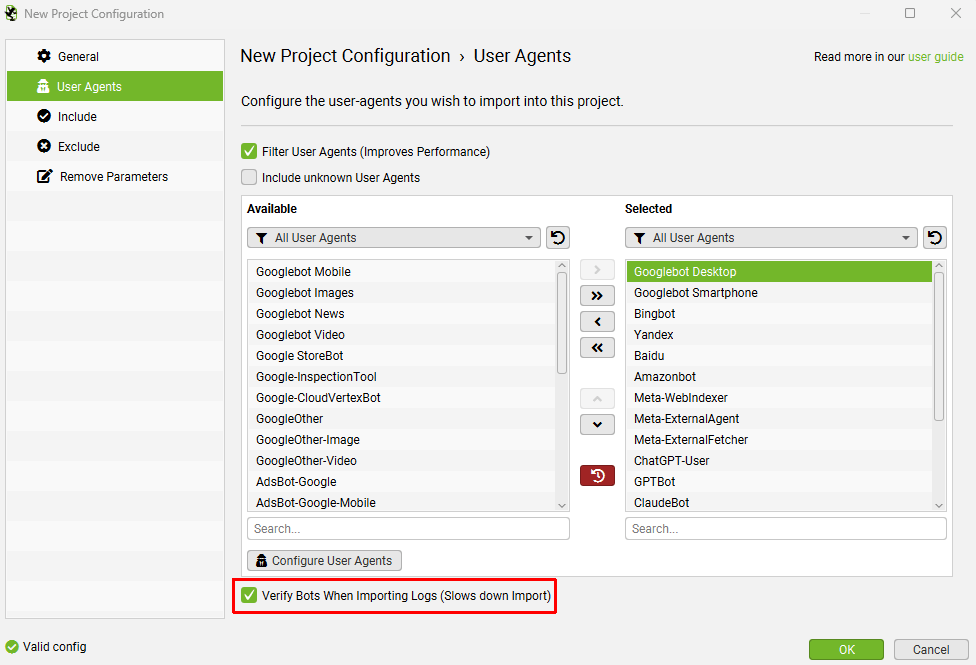
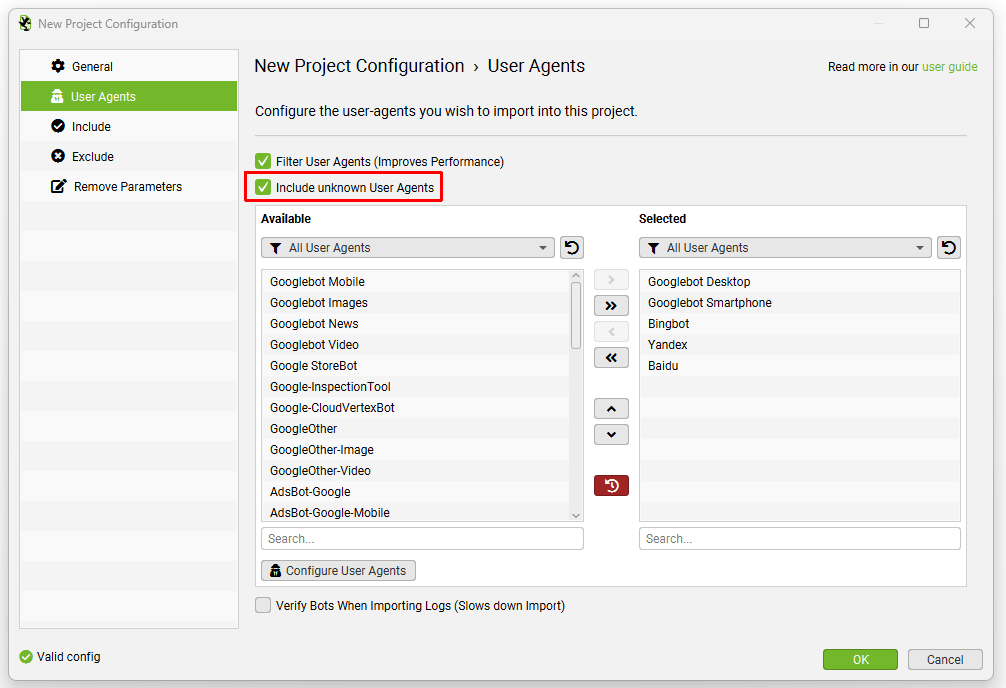
Furthermore, the new "Include unknown User Agents" setting acts as a discovery mechanism. In a typical enterprise environment, server logs are often cluttered with obscure, unidentified crawlers. By explicitly highlighting these in the interface, the tool empowers sysadmins to decide whether to permit, throttle, or block these entities.
The addition of Ubuntu and Fedora packages for Arm architecture highlights the company’s push toward modern infrastructure compatibility, acknowledging that many high-end development machines have migrated to the ARM64 instruction set.
Official Perspectives and Industry Response
In a statement accompanying the release, the development team emphasized that this update was a direct response to the "democratization of bot data." As one spokesperson noted, "Our users are no longer just looking for Googlebot; they are managing a digital ecosystem where they need to understand exactly who—or what—is consuming their server resources."
The SEO community has largely welcomed the update, particularly the ability to export directly to Google Sheets. For agency-side professionals, this eliminates the manual labor of cleaning CSV files, allowing them to pipe log analysis directly into automated reporting templates. The shift toward customizable bot verification has also been praised as a "future-proofing" move, as it allows users to update their verification lists without waiting for a full software patch from the manufacturer.
Implications for SEO and Server Management
The release of version 7.0 has immediate, far-reaching implications for three distinct professional groups:
1. The SEO Practitioner
For SEOs, the ability to verify AI bots is a game-changer. As AI search engines begin to prioritize content from sites that provide clear, reliable data, monitoring these bots is essential. If a site is being "hammered" by AI crawlers to the point of performance degradation, this version provides the diagnostic evidence needed to justify rate-limiting or optimization.
2. The Site Reliability Engineer (SRE)
The new time-series visualizations serve as an early-warning system. A sudden spike in 5xx error codes or a degradation in server response time, when correlated with a specific bot group, allows SREs to isolate the source of the issue in seconds rather than hours of grep-command hunting.
3. The Security and Infrastructure Manager
The "Unknown User Agent" discovery feature is an underrated security tool. It allows for the identification of potential unauthorized scraping attempts that masquerade as legitimate traffic. By identifying these early, teams can implement firewall rules to protect sensitive content and preserve server bandwidth.
Future-Proofing: What’s Next?
The modularity introduced in version 7.0—specifically the customisable bot verification via JSON and ASN—suggests that Screaming Frog is pivoting toward a more "open" architecture. By allowing the community to define their own bot verification criteria, they are essentially crowdsourcing the intelligence of the tool.
As we look toward the remainder of 2026, the industry expects further refinements in how these tools handle the massive datasets generated by modern web applications. The transition from a simple "analyzer" to a comprehensive "bot management dashboard" appears to be the trajectory for the Log File Analyser.
For those managing websites of any scale, the move to version 7.0 is not merely recommended—it is a functional necessity for maintaining visibility in an increasingly noisy digital environment. Whether you are troubleshooting crawl budget issues, identifying malicious scrapers, or optimizing for the next generation of AI-driven search, the tools provided in this update are now the benchmark.
To begin integrating these insights, users are encouraged to review the updated documentation and the "22 Ways to Analyse Log Files" guide provided by the company, which serves as a foundational text for anyone looking to bridge the gap between raw server data and high-level SEO strategy.
The Screaming Frog Log File Analyser 7.0 and 7.1 updates are currently available for download via the official company portal. Users are encouraged to report any specific compatibility issues to the support desk to facilitate ongoing refinements.