









On July 9, 2026, the WordPress project officially released version 7.0.1. While maintenance updates are often relegated to the background of software development, this particular release serves as a critical stabilization point for the major architectural shifts introduced in the landmark WordPress 7.0 launch. By addressing 31 identified bugs across the core infrastructure and the block editor, version 7.0.1 ensures that the bold vision of an AI-integrated, high-performance CMS remains reliable for the millions of websites that power the modern internet.
The Context: A Strategic Maintenance Release
WordPress 7.0 was a watershed moment for the world’s most popular content management system. It moved beyond simple content creation, integrating artificial intelligence, advanced external service connectors, and sophisticated editing tools directly into the core architecture. Version 7.0.1, led by a core team comprising Aaron Jorbin, Brian Haas, Carlos Bravo, and Estela Rueda, is the tactical response to the feedback loop generated by that major transition.
This release does not introduce new features; rather, it performs the essential "cleanup" required after a significant version jump. It addresses technical debt and minor functional regressions that emerged during the deployment of 7.0. For the end-user, this means a more stable experience when using updated blocks, themes, and plugins. For developers, it provides a more predictable foundation upon which to build complex web applications.
Chronology and Development Roadmap
The release of 7.0.1 follows a rigorous development cycle that prioritizes stability. In the WordPress development model, a "major" release (like 7.0) pushes the boundaries of the technology, while the subsequent minor releases (like 7.0.1) act as critical checkpoints.
- Preparation Phase: Immediately following the launch of 7.0, the core team began tracking issues reported by users in the official forums, GitHub, and Slack channels.
- Triaging (June 2026): The core team identified 31 specific bugs spanning the block editor, mail functionality, and legacy theme compatibility.
- The Patching Cycle: Developers worked to isolate these bugs, ensuring that fixes for the core files did not inadvertently impact the thousands of third-party plugins that rely on WordPress APIs.
- Deployment (July 9, 2026): The release was pushed to the update servers, signaling to site administrators that the 7.0 ecosystem had reached its first milestone of stability.
Deep Dive: The Infrastructure of AI
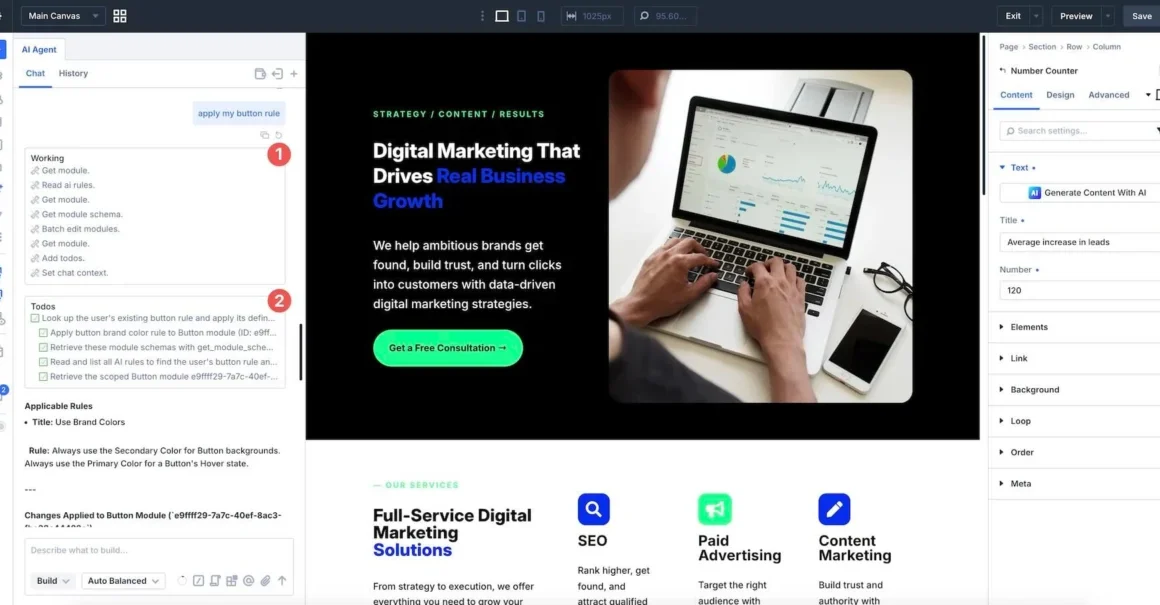
Perhaps the most significant aspect of the 7.0 series is not just the inclusion of AI, but how it was included. Rather than forcing a singular, proprietary AI tool onto users, WordPress 7.0 introduced an infrastructure-level approach.
The WP AI Client and Connectors API
The architecture relies on two primary components:
- WP AI Client: A robust PHP library integrated into the core, designed to facilitate secure, standardized communication with external AI services.
- Connectors API: A centralized administration panel that allows users to manage API credentials and select providers without relying on disparate, fragmented plugin configurations.
By abstracting the connection process, WordPress has solved a major pain point: the "spaghetti code" that occurs when individual plugins force users to manage separate AI keys and configurations. Whether a site owner chooses to integrate OpenAI, Anthropic, Google, or community-driven providers like Ollama and Mistral, the experience is now streamlined through a unified administrative interface. This moves WordPress from being a simple blog tool to a modern, service-oriented platform capable of interacting with the global AI ecosystem.
Implications for the Ecosystem
The shift toward 7.0 and its subsequent maintenance release has profound implications for different segments of the web community.
For Site Administrators and Agencies
For those managing enterprise-grade websites, WooCommerce storefronts, or complex intranets, the advice remains cautious: "Update with intent." While 7.0.1 is stable, it is not a "fire-and-forget" patch for highly customized environments. Agencies should continue their established protocols:
- Backup: Full database and file system snapshots.
- Staging: Deploying the update to a development environment to check for conflicts with custom themes or proprietary plugins.
- Verification: Validating critical paths such as the checkout flow, form submissions, and the block editor’s rendering capabilities.
For Developers
The focus on "visual revisions" and "pattern management" in 7.0, refined by 7.0.1, is a boon for developers. The ability to see side-by-side visual comparisons of block-based content changes significantly reduces the risk of human error in content management. Furthermore, the performance optimizations—specifically the smarter loading of block stylesheets and image prioritization—mean that developers can deliver more complex, visually rich sites without sacrificing core web vitals.
Official Stance on Performance and Accessibility
Accessibility and performance are not "features" in the WordPress roadmap; they are core requirements. Version 7.0.1 continues the work of 7.0 by:
- Optimizing Resource Loading: By ensuring that images hidden in navigation overlays or interactive blocks do not consume critical bandwidth during the initial render, the system provides a snappier feel for end-users on mobile devices.
- Inclusive Design: Continued improvements in voice control, color contrast, and keyboard navigation within the block editor ensure that the CMS remains compliant with modern accessibility standards, making the web a more equitable space for all users.
The Strategic Path Forward
The arrival of WordPress 7.0.1 is a testament to the maturation of the platform. It confirms that the community is committed to a steady, sustainable evolution. The "AI-first" infrastructure established in 7.0 will likely be the foundation for the next several years of web development.
However, this transition brings new responsibilities. As WordPress becomes more "connected," the burden of data privacy, intellectual property management, and API cost-tracking shifts toward the site owner. The "Connectors" screen is an excellent tool for organization, but it must be paired with clear internal policies regarding how AI is utilized within an organization’s editorial workflow.
Frequently Asked Questions
What exactly does the 7.0.1 patch fix?
It resolves 31 specific bugs reported post-launch. These fixes are focused on the core codebase and the block editor, ensuring that standard tasks like media management and theme rendering are more reliable than they were in the initial 7.0 release.
Is the AI integration now "production-ready"?
Yes. The infrastructure introduced in 7.0 and stabilized in 7.0.1 is designed for production environments. However, because AI is still an evolving field, users should choose providers that align with their specific privacy and compliance requirements.
Does 7.0.1 affect my existing legacy themes?
The update includes fixes specifically for classic theme support, aiming to smooth out issues with block stylesheet loading. While it is safer than the initial 7.0 release, testing in a staging environment is still strongly recommended for any site relying heavily on legacy code.
Is this update mandatory?
While not "mandatory" in the sense that the site will break immediately if you don’t update, it is highly recommended. Maintenance releases contain vital security patches and stability improvements that protect your site from long-term technical drift.
What is the long-term vision for these "Connectors"?
The long-term vision is to decouple WordPress from specific AI vendors. By standardizing the way the CMS talks to external services, WordPress ensures that if a specific AI provider changes their pricing or model, a site administrator can switch providers with minimal friction, preserving their content and workflow.
Conclusion
WordPress 7.0.1 is a vital step in the evolution of the web’s most ubiquitous platform. By prioritizing stability after a period of intense innovation, the core team has ensured that the platform is ready for the demands of 2026 and beyond. Whether you are a small business owner, a developer, or a content strategist, the transition to the 7.0 series marks a permanent shift toward a more intelligent, connected, and performant web. The work now lies in leveraging these new tools to build more accessible and efficient digital experiences.