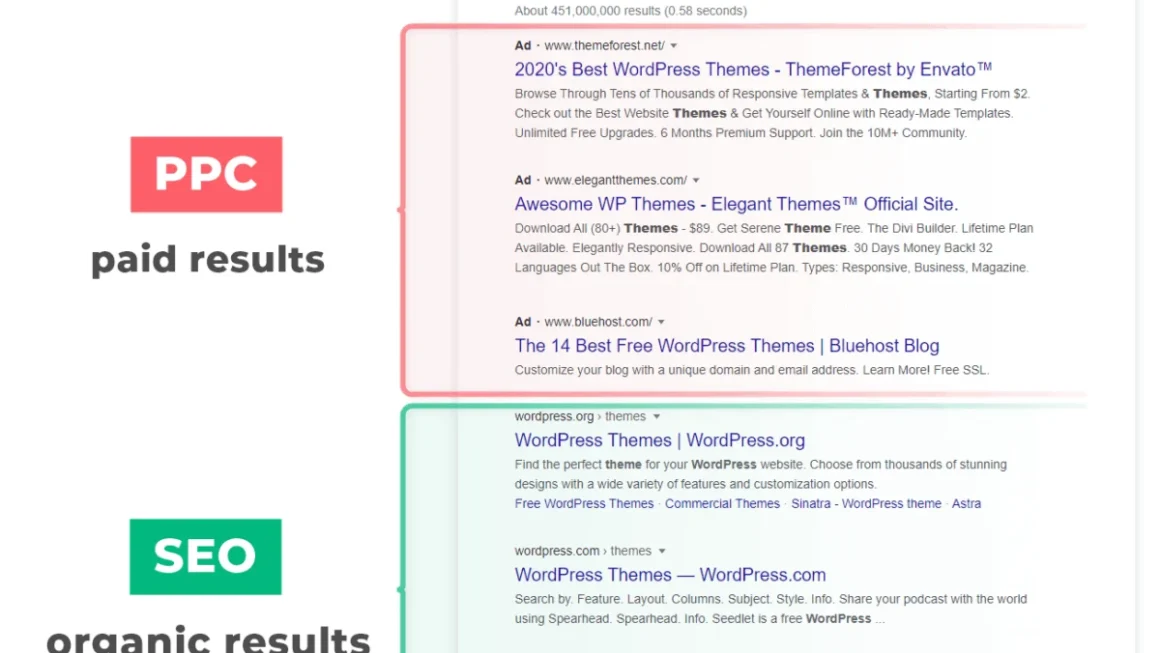










Ranking number one on Google has long been the ultimate goal for digital marketers and business owners. However, the search landscape has shifted, and the "Holy Grail" of SEO is no longer just the first organic blue link—it is "Position Zero."
Google’s answer boxes, featured snippets, and the emerging era of AI Overviews have fundamentally changed how users interact with the web. For the average user, these features provide instant gratification. For webmasters, they represent a high-stakes battleground where visibility is defined by whether Google chooses your content to answer a direct question. As we move deeper into 2026, the strategy for capturing this prime real estate has evolved from simple on-page formatting to a comprehensive approach involving brand authority and digital ecosystem management.
What Is a Google Answer Box?
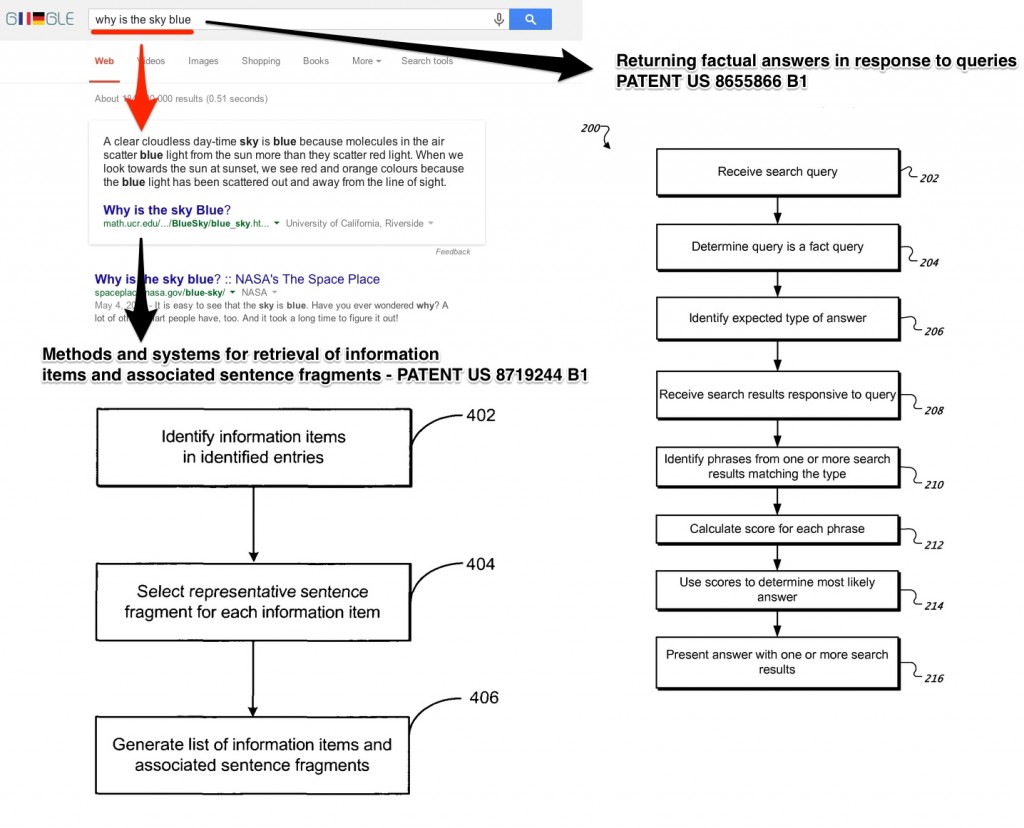
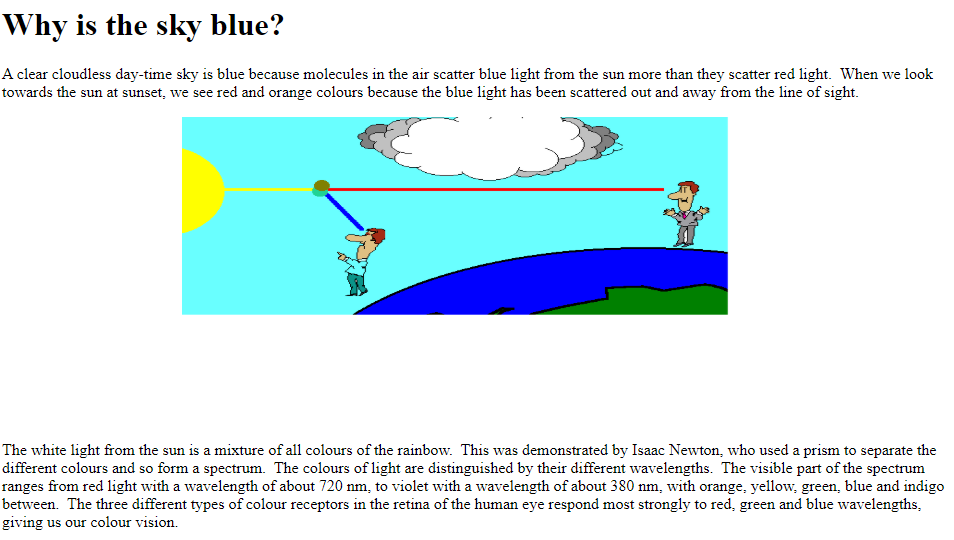
Google’s answer box is a specialized search result that appears at the very top of the search engine results page (SERP). Often referred to as "Position Zero," these features are powered by Google’s Knowledge Graph or extracted directly from web content. Their purpose is to provide immediate, concise answers to user queries without requiring the user to click through to a website.
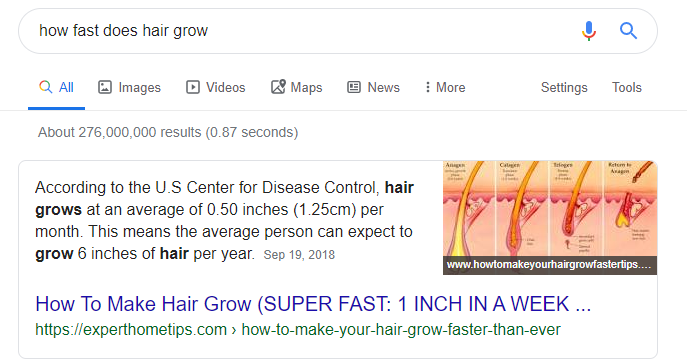
These answers can manifest in various formats: text paragraphs, bulleted lists, step-by-step instructions, graphs, maps, or even video snippets. For instance, if a user searches, "How fast does hair grow?", Google may bypass the traditional link list to provide a direct answer sourced from a reliable, authoritative domain.
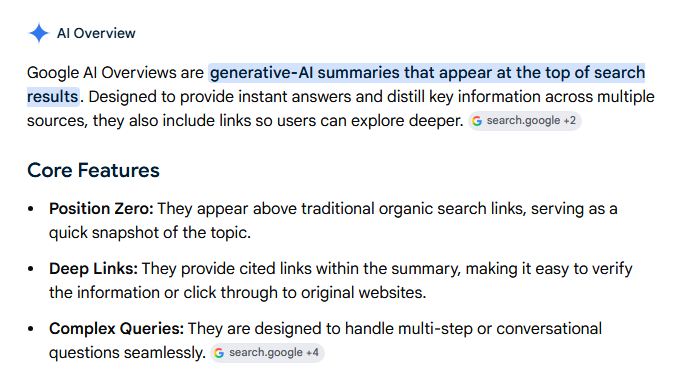
This isn’t just a change in layout; it is a change in status. Being featured in an answer box grants a brand significant "SERP landscape," essentially allowing a site to dominate the first impression of the searcher. Thanks to major algorithm shifts like Google Hummingbird (2013) and the revolutionary BERT update (2019), Google has become remarkably proficient at understanding the context of queries, enabling it to synthesize information and provide accurate, direct responses.

Search in 2026: From Answer Boxes to AI Overviews
While traditional Featured Snippets remain, the search experience is undergoing a massive transformation. We are currently witnessing a shift toward AI-generated answers. Rather than pulling a single snippet from one website, modern AI search engines and conversational assistants synthesize information from multiple sources to create a cohesive, comprehensive response.
In the past, securing Position Zero was largely a matter of technical SEO—using schema markup, clear H2 headers, and concise paragraph structures. In 2026, the criteria have expanded. AI systems now evaluate the overall digital footprint of a brand. They weigh the "collective voice" of the web: how often you are mentioned in industry publications, the sentiment of your social media discussions, the quality of your reviews, and your presence on forums.
This necessitates a more holistic approach to visibility. Technical SEO is still the foundation, but it is no longer sufficient. Brands must now act as trusted entities. Platforms like BrandMentions have become essential, as they track real-time global conversations and analyze brand sentiment, helping companies strengthen the signals that AI engines use to identify which sources are credible and authoritative.
Why Are Google Answer Boxes Crucial for SEO?
From an SEO perspective, "owning" an answer box is the most effective way to gain market share on the SERP. In an environment where the number of paid advertisements and rich features on page one continues to rise, securing the top spot in organic results is no longer the only path to success.
If you dominate the answer boxes for the most important keywords in your niche, you are not just getting traffic; you are establishing yourself as the primary source of truth in your field. While ranking at number one is still highly beneficial, being the answer box result places your brand in the "limelight," effectively pushing competitors further down the page and capturing a larger portion of the user’s attention.
How Does the Algorithm Select Winners?
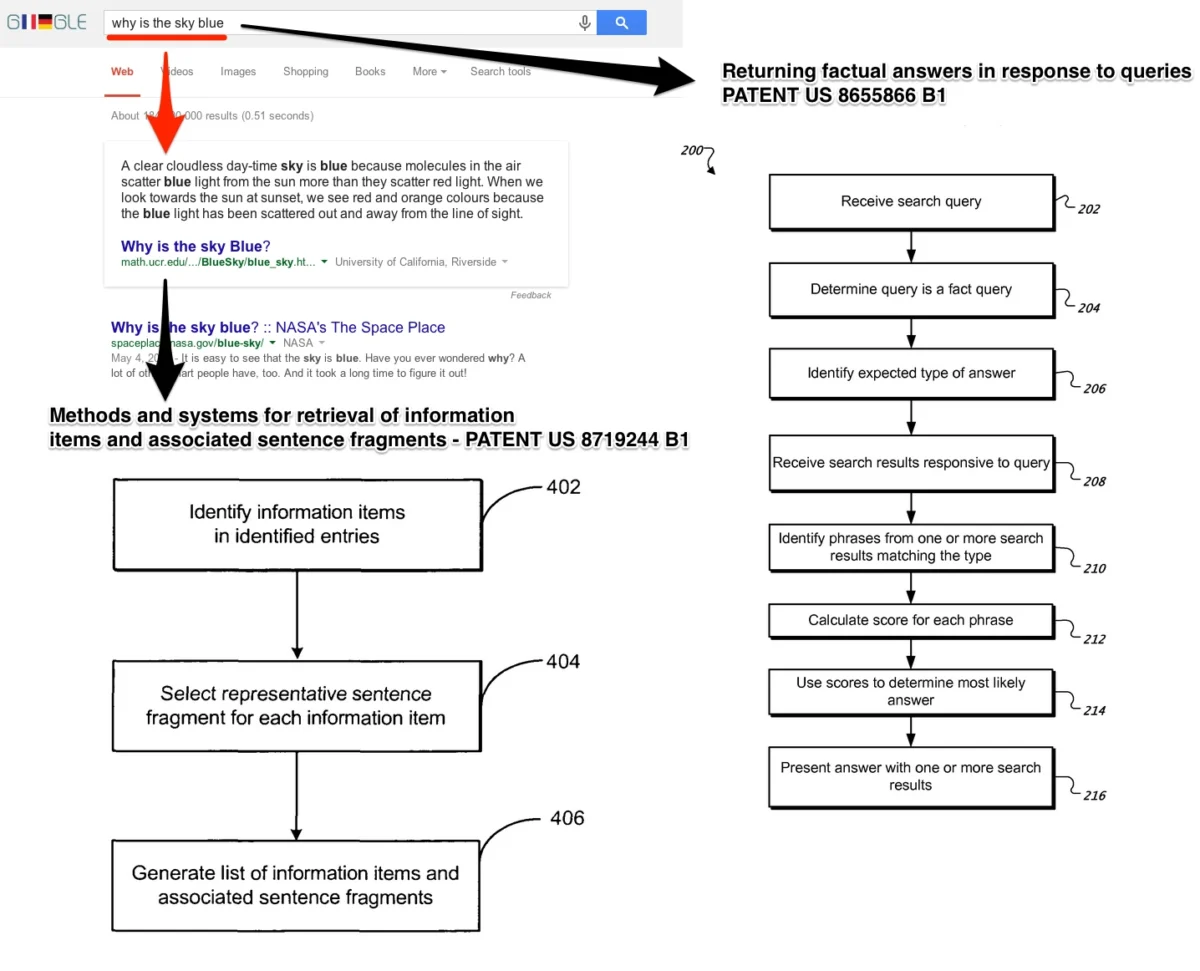
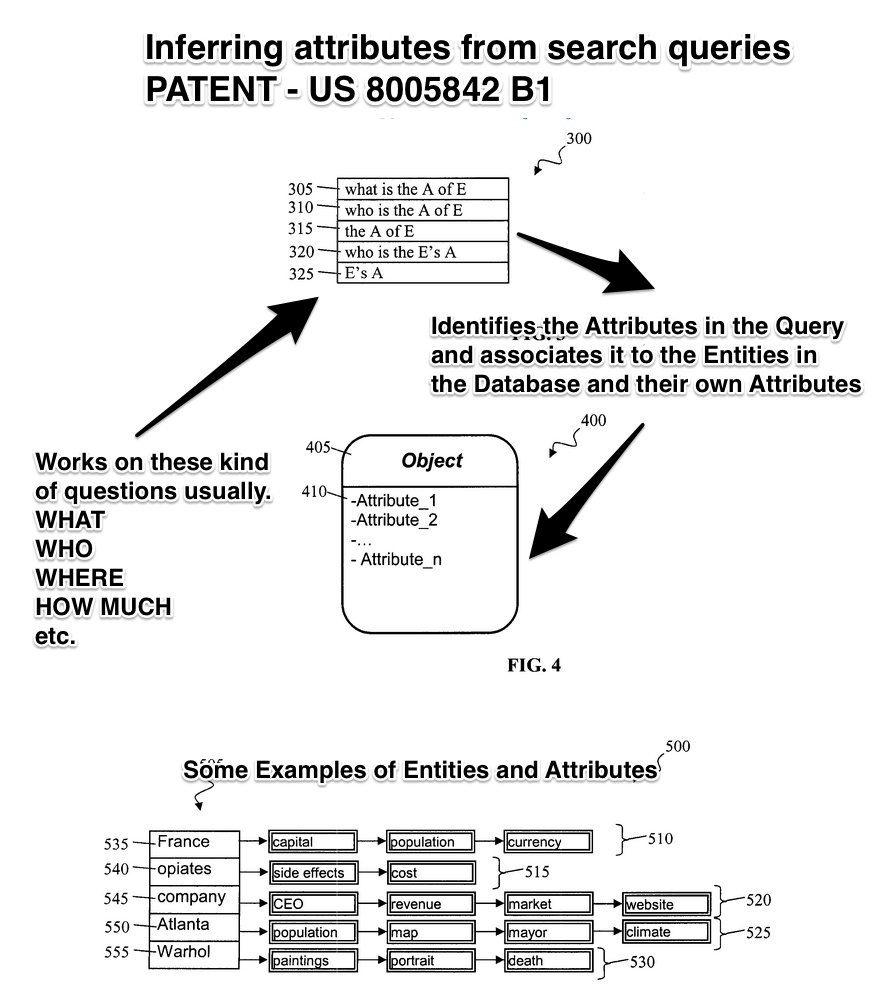
Google’s process for selecting answer box content is rooted in entity extraction. According to various Google patents, the algorithm assumes that a search query is composed of an "Entity" and an "Attribute."
For example, in the query "Ukraine’s GDP," "Ukraine" is the entity and "GDP" is the attribute. Google maintains a massive database of these entities and their potential attributes. When a user asks a question, the algorithm identifies the entity-attribute relationship and scans its indexed content for the best possible match.
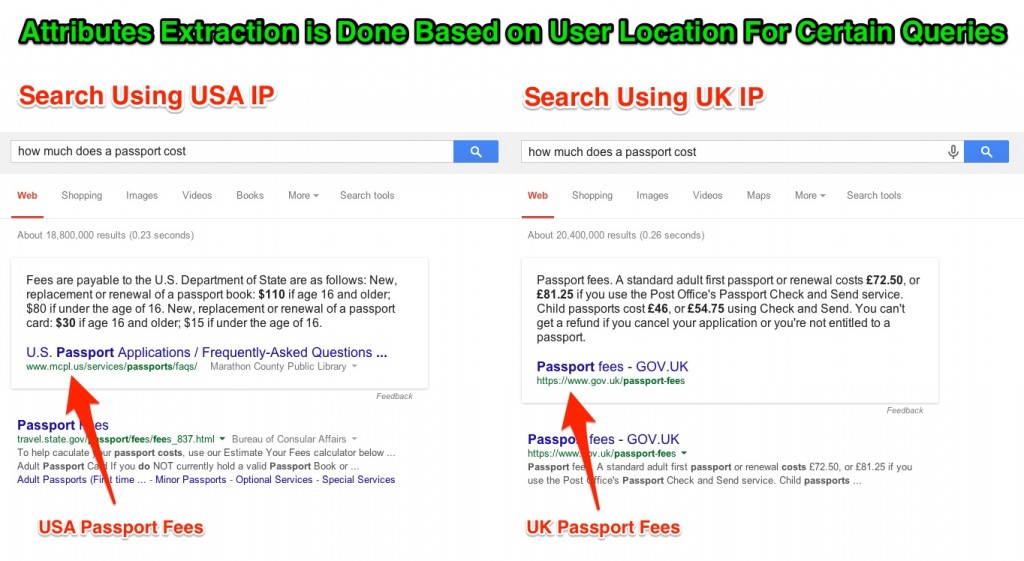
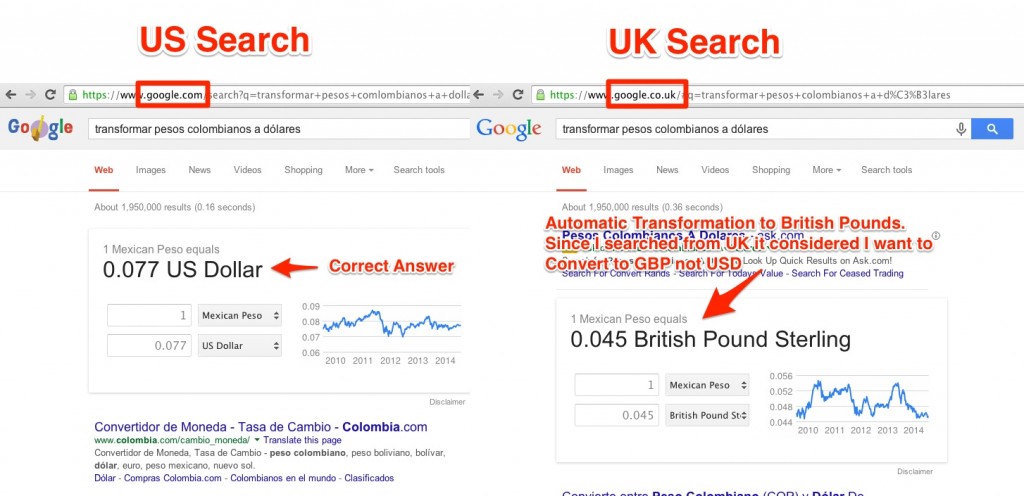
The scoring system remains proprietary, but research shows that sites with high domain authority, clear structural formatting, and a history of providing "direct answers" perform best. Furthermore, location plays a critical role. A search for "how much does a passport cost" will yield different answer boxes for a user in the USA versus a user in the UK, as Google prioritizes localized, relevant information.
The Taxonomy of Answer Boxes
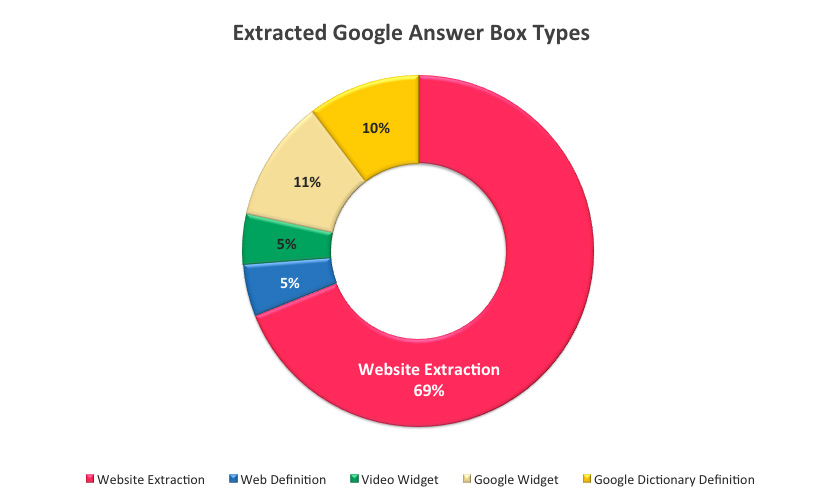
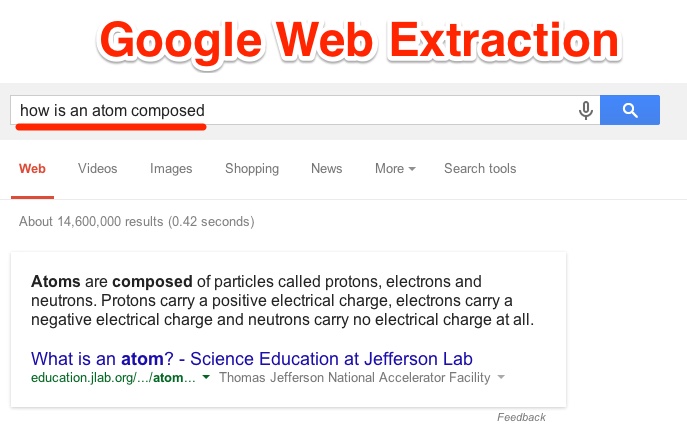
Understanding the different types of answer boxes is key to developing a content strategy. Our research into thousands of queries revealed that most answer boxes (roughly 69%) are derived from web extractions—definitions or descriptions pulled from high-authority sites. Other types include:
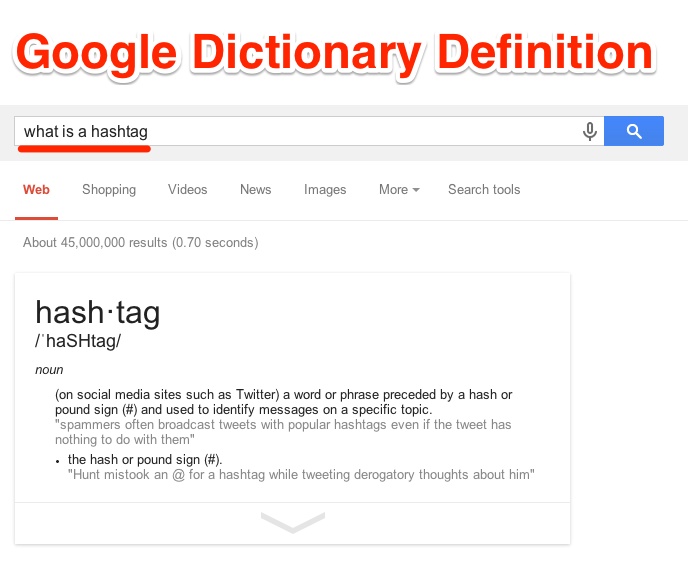
- Google Dictionary Definitions: These appear without a URL and offer an authoritative definition.
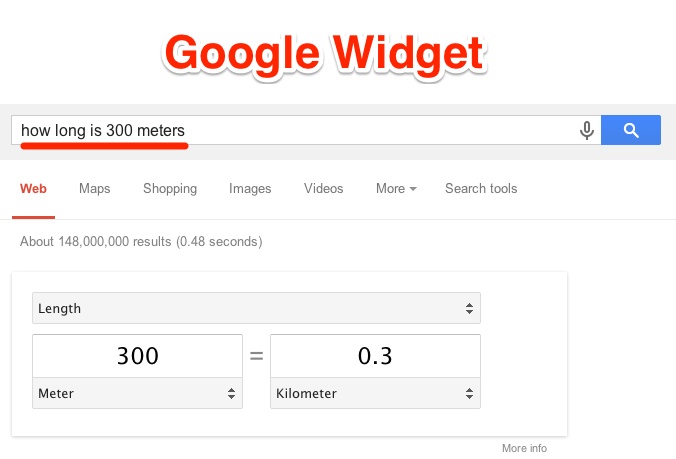
- Google Widgets: These include currency converters, unit calculators, and weather trackers.
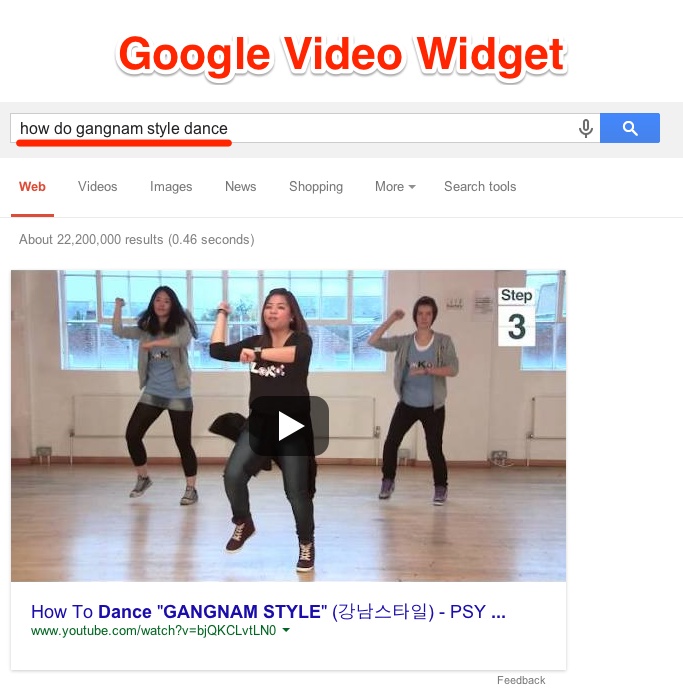
- Video Widgets: Often featuring dance moves or tutorials, these provide visual answers.
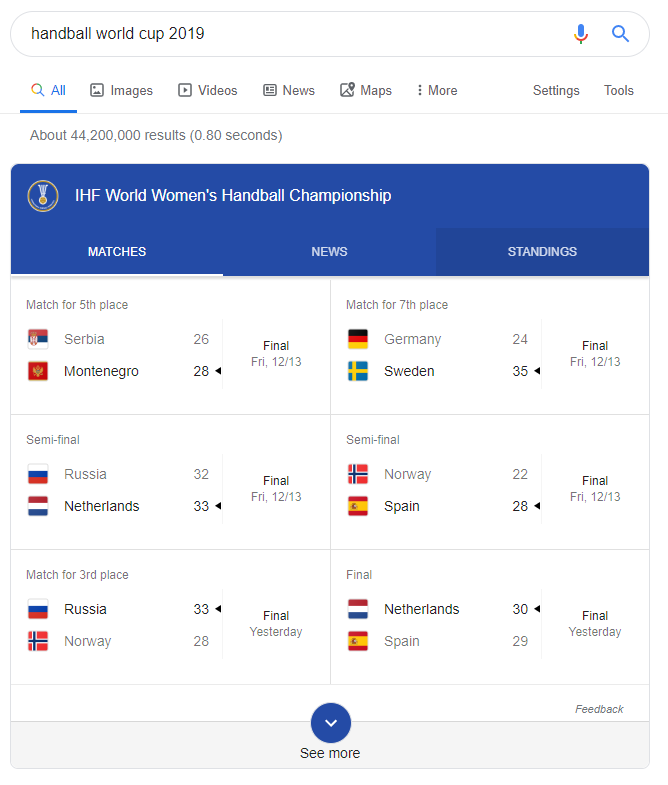
- Real-Time Results: These update dynamically for sports scores, stock prices, or event dates.
- Company Information: These often pull from "About Us" pages or third-party reviews to provide instant facts about a business.
How to Optimize Your Content for Position Zero
Winning the answer box requires a strategic shift in how you write and structure your content. Here are four steps to boost your chances:
1. Identify "Answerable" Keywords
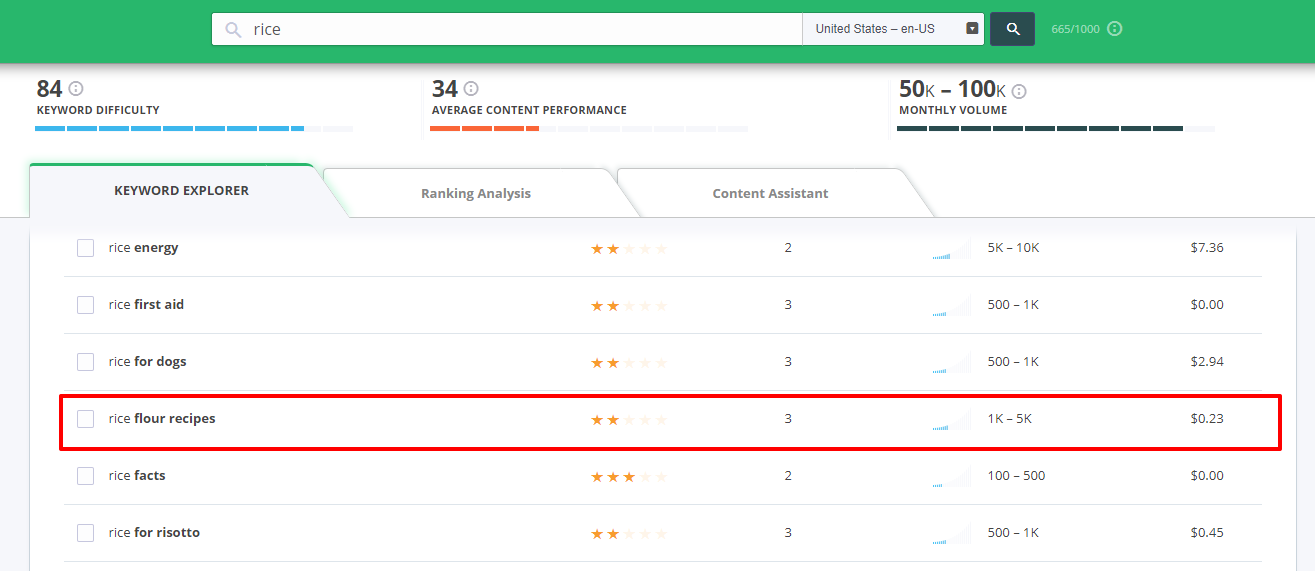
Use a content optimization and keyword tool to find queries that solve an immediate need—such as "how to," "why does," or "list of" queries. Avoid ultra-competitive, broad terms like "rice" and instead target specific, high-intent variations like "how to make rice flour."
2. Segment by Answer Box Relevancy
Look for queries where Google currently provides incomplete or irrelevant information. These gaps are your biggest opportunities. If you can provide a more accurate, helpful, or better-structured answer, you have a strong chance of displacing the existing result.
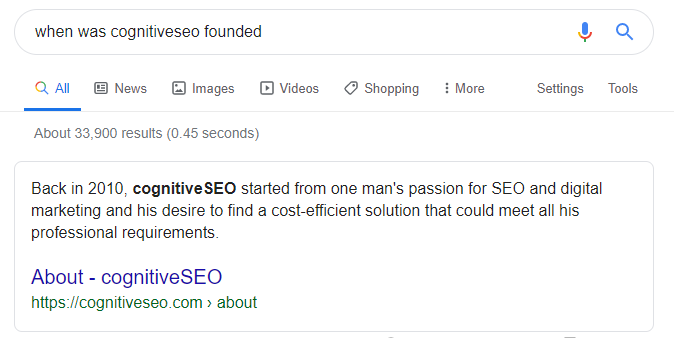
3. Structure Content for Clarity
Google loves order. Use bulleted lists, numbered steps, and clear headings. When answering a question, place the direct answer in the first paragraph following the query-based header. Keep your writing style concise and informative.
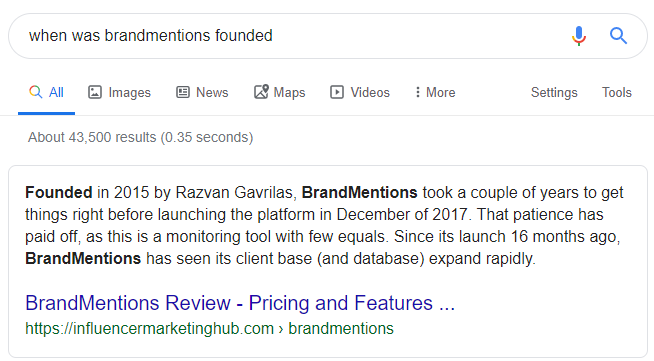
4. Leverage Advanced Monitoring
Use tools like cognitiveSEO to monitor your rankings and the performance of your competitors. Understanding your "SERP landscape" allows you to pivot your strategy based on which keywords are successfully driving traffic through answer boxes.
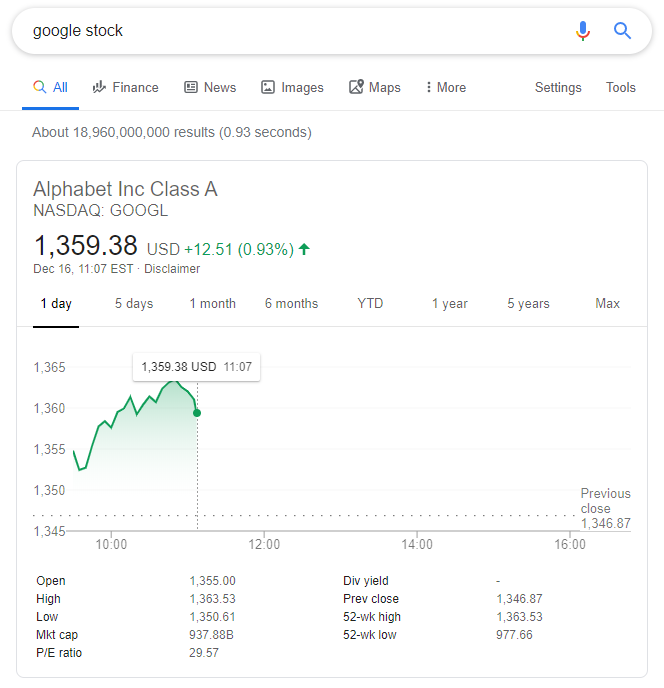
Checking Your Answer Box Rankings
Manual searching is inefficient and prone to personalization bias. Instead, turn to Google Search Console. By filtering your Performance report for queries with a high click-through rate (CTR) and an average position of 1–3, you can identify the terms for which you are already ranking in the answer box.
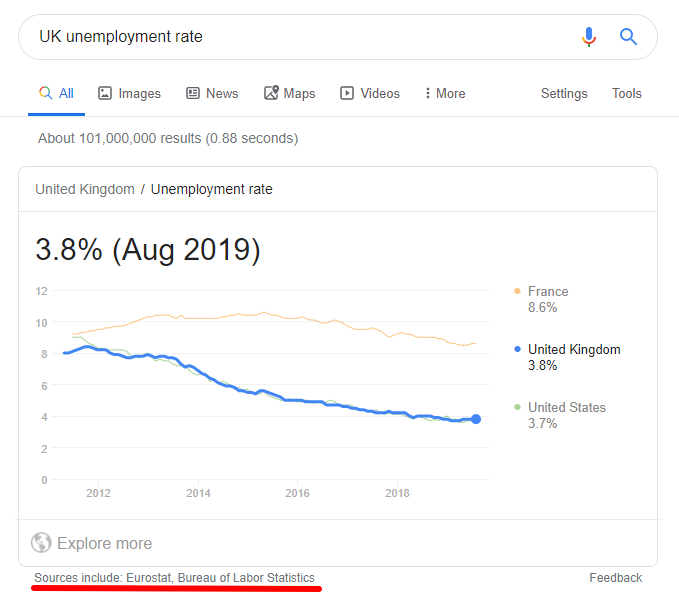
The Truth About "Answer Box Failures"
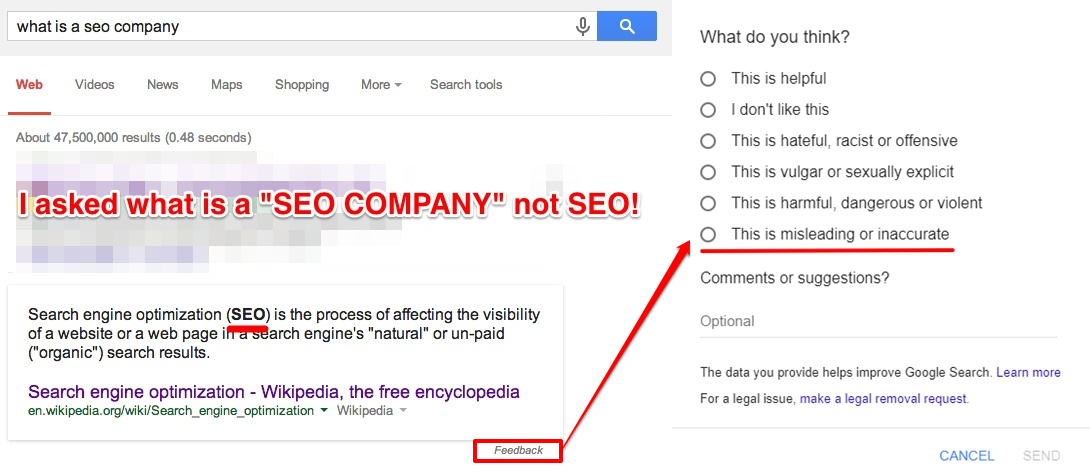
Is Google ever wrong? Technically, no. Google simply matches queries with the content it deems most relevant based on its current understanding. However, "mismatching" happens. Sometimes, Google might pull an answer from a "shady" site or provide an answer that is technically correct but contextually irrelevant.
This is why the "Feedback" button at the bottom of the answer box is vital. It is a community-driven tool that helps Google refine its accuracy. If you find your own content appearing in an incorrect context, you have the opportunity to refine your on-page data to ensure the answer is more accurate and aligned with the user’s intent.
Conclusion: The New Frontier
The search engine landscape has evolved from a simple directory of links into an intelligent, AI-driven engine designed to provide instant, precise knowledge. While the rise of answer boxes and AI Overviews may feel like a challenge to traditional traffic metrics, it is also a massive opportunity for brands to establish themselves as industry leaders.
Appearing in an answer box is not just a vanity metric; it is a critical component of modern brand authority. By focusing on high-quality content, maintaining a strong digital reputation, and ensuring your site is technically structured to be "readable" by AI, you can secure your place at the top of the SERP. The future of search is not just about ranking; it is about being the trusted source that AI systems choose to answer the world’s questions.