










In the rapidly evolving landscape of digital publishing, the definition of success has shifted. For years, the metric that dominated industry discourse was the sheer size of an audience—the raw, vanity-metric total of followers or subscribers. However, as the creator economy matures, a new paradigm has emerged. Today, growth is not merely about the "big number" at the end of a spreadsheet; it is about the synthesis of reader value, content resonance, and the application of iterative learning to every facet of a business.
Whether you are a nascent publisher celebrating your first 100 subscribers or an established outlet facing a growth plateau, the path forward requires a transition from intuition-based content creation to data-informed strategy.

The Evolution of Subscriber Economics: Beyond Vanity Metrics
The fundamental challenge for any publisher is the disconnect between audience size and actual revenue. In the current publishing climate, a high subscriber count is not a guarantee of sustainability. True, long-term scalability is rooted in understanding the economic value of your specific reader base.
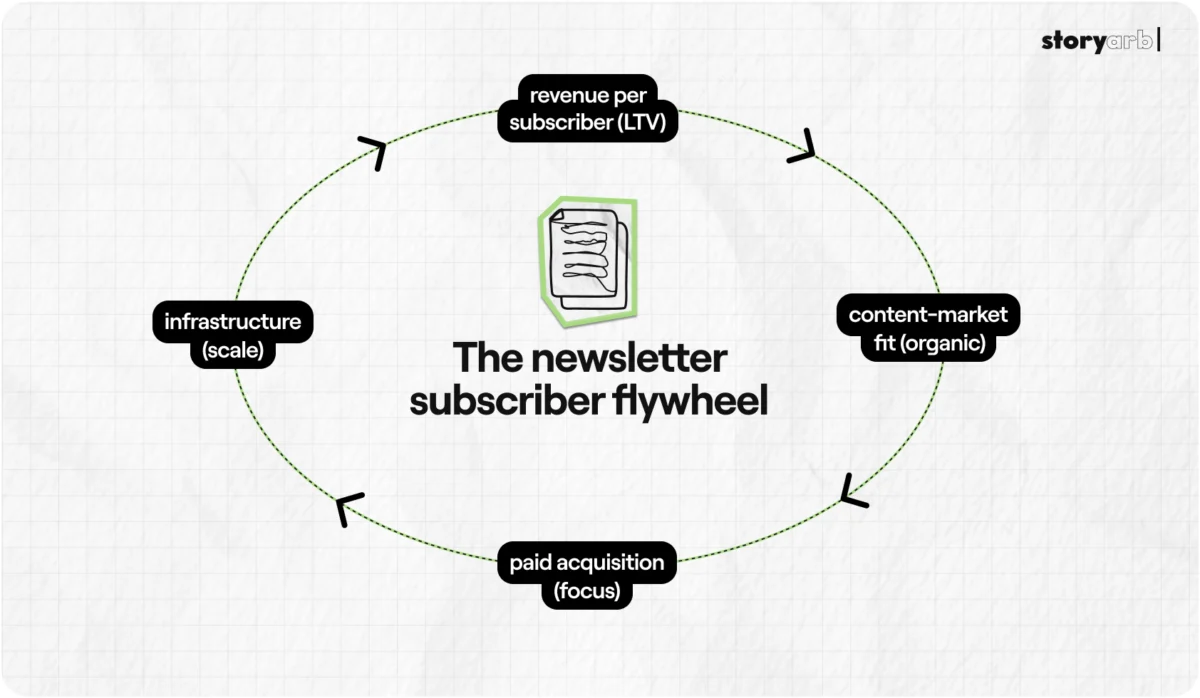
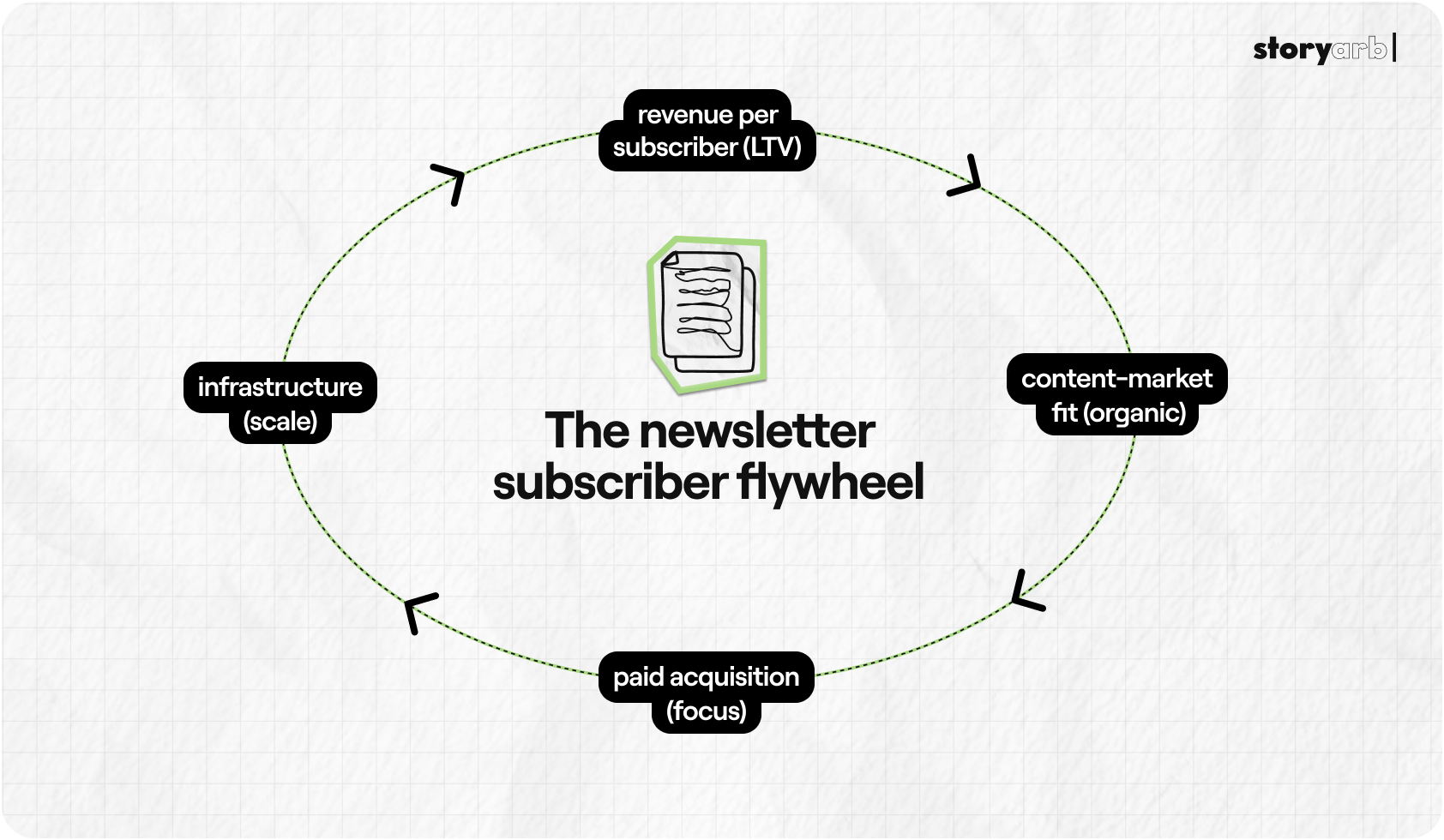
"Genuine scale comes from focus, not guesswork," explains Jen Levisen, a veteran copywriter at storyarb. Her research into the "newsletter growth loop" suggests that the most successful publications treat subscriber acquisition as a technical process rather than an accidental byproduct of good writing.

The Core Components of the Growth Loop
- Subscriber Economics: Understanding the Lifetime Value (LTV) of a reader and the Customer Acquisition Cost (CAC).
- Discoverability: Leveraging search intent and social discovery to bring new readers into the funnel.
- Distribution: Utilizing non-traditional channels to reach beyond the saturated inbox.
- Infrastructure: Ensuring the technical backbone—your landing pages, email delivery, and subscription forms—is frictionless.
Chronology of a Growth Strategy
Building a sustainable publication follows a predictable, if challenging, timeline. For creators aiming to reach the 10,000+ subscriber milestone, the journey typically unfolds in three distinct phases.
Phase 1: The Foundation (0–1,000 Subscribers)
In the early days, growth is a manual labor. There is no algorithm to rely on. The focus must be on "aggressive experimentation." This involves identifying which niches respond to your tone and testing multiple distribution channels—Reddit, LinkedIn, or niche community forums. During this period, the goal is not mass appeal; it is the establishment of a core, loyal audience that views your content as essential.
Phase 2: The Scaling Phase (1,000–10,000 Subscribers)
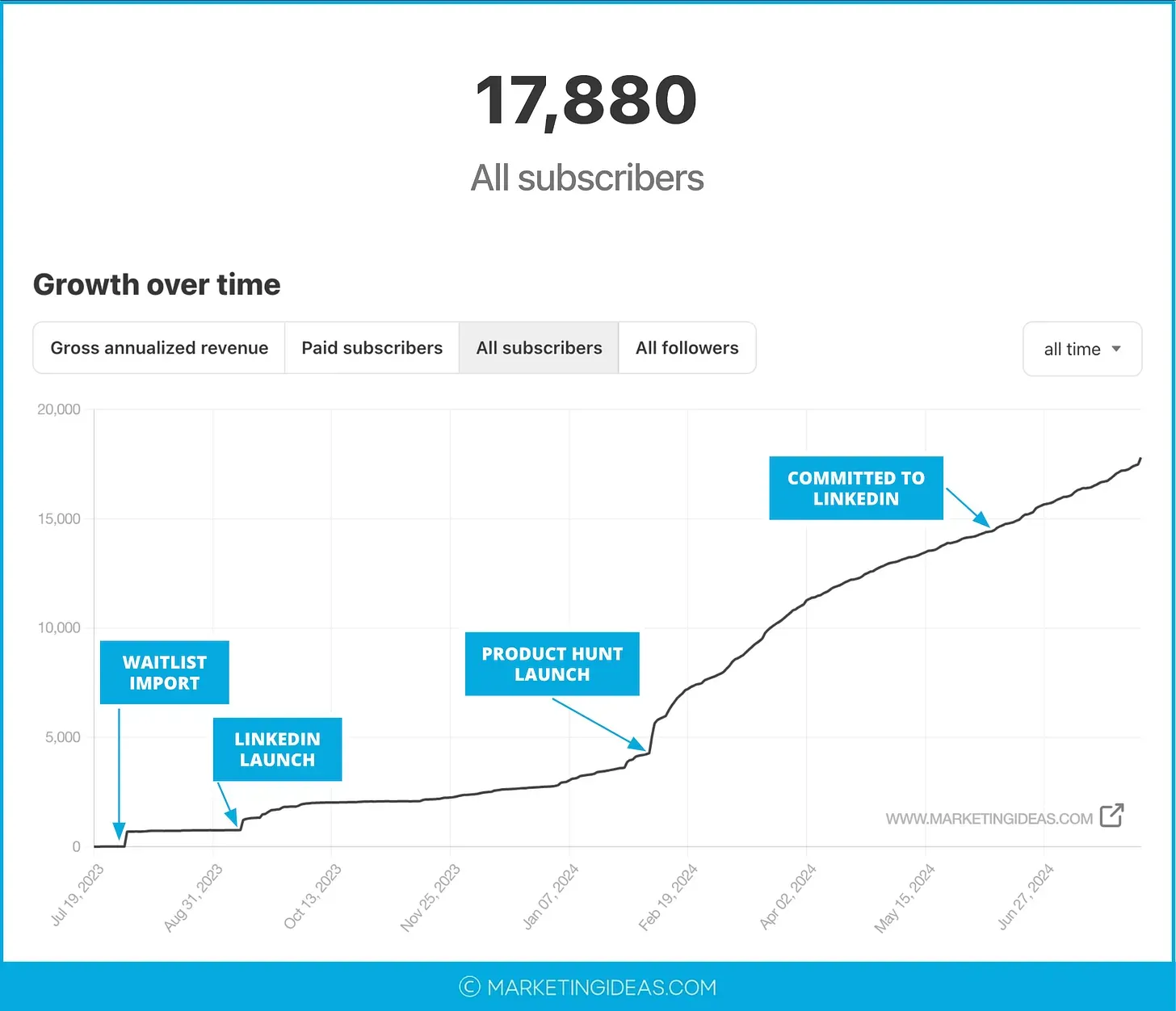
Once a core audience is established, the strategy shifts toward partnerships. Guest posts, paid sponsorships, and cross-promotion with other newsletters become the primary engines of growth. As Tom Orbach of Marketing Ideas demonstrated in his rapid ascent to 18,000 subscribers within a single year, growth during this phase is often driven by referrals. By tapping into existing networks of newsletter readers, you significantly lower your acquisition costs compared to cold advertising.
Phase 3: The Optimization Phase (10,000+ Subscribers)
At this stage, the focus turns to conversion rate optimization (CRO) and infrastructure. Small improvements—such as A/B testing landing page headlines or refining the onboarding sequence—can yield massive, compounding returns.

Data-Driven Insights: How to Reach 18,000 Subscribers
The case study of Tom Orbach serves as a masterclass in modern newsletter growth. His methodology, which transformed a blank page into a thriving publication in 12 months, provides a roadmap for others.
Key Tactical Pillars
- Aggressive Early Adoption: Do not wait for organic momentum. If you are waiting for the search engines to favor you, you are already behind. Active outreach, direct messaging, and community participation are necessary to kickstart the engine.
- Targeting the "Newsletter-Native": The most valuable subscriber is one who already has the habit of reading newsletters. By focusing on guest posts and sponsorships within existing newsletters, you are fishing in a stocked pond.
- Platform Leverage: Utilizing "growth hack" platforms like Product Hunt can provide a concentrated spike in visibility. While these are rarely a long-term solution, they serve as critical inflection points that build brand authority.
- The Power of the Waitlist: Even before a launch, a waitlist can build anticipation and social proof. It forces a "fear of missing out" (FOMO) dynamic that translates into a surge of subscribers on day one.
The Role of the Landing Page: Your Digital Front Door
A common pitfall for publishers is underestimating the landing page. Many creators spend 90% of their time on content and 10% on the page that actually converts a visitor into a reader. This is a critical error. A landing page is the "clear for landing" zone; if it is poorly optimized, the entire funnel collapses.
Essential Ingredients for High-Converting Landing Pages
- Remove Distractions: The only goal of a landing page is to convert a visitor. Remove navigation bars, social media links, and extraneous blog posts. Focus the visitor’s eye on the "Subscribe" button.
- Radical Clarity: Visitors should understand the value proposition in under three seconds. Why should they subscribe? What problem are you solving?
- Visual Proof: We live in a visual culture. Including a screenshot of a previous newsletter issue provides a tangible expectation of what the subscriber will receive.
- The "Call to Action" (CTA) Shift: Instead of generic, passive language like "Subscribe," use active, mission-oriented language such as "Unlock the Latest" or "Join the Inner Circle."
- Social Proof: If you have accolades, testimonials, or high subscriber numbers, display them prominently. People are herd animals; they want to subscribe to what others are already enjoying.
Implications for the Future of Publishing
The implications of this data-informed approach are significant. We are entering an era where the "professional creator" is becoming a standard business entity. The days of "just writing" are largely behind us. To remain relevant, creators must act as marketers, data analysts, and community managers.
The Shift Toward "Niche Dominance"
As the internet becomes increasingly noisy, the "generalist" newsletter is struggling. The growth strategies outlined above—specifically targeting newsletter-native readers—favor niche, high-value publications. If you are writing about everything, you are writing for no one. If you are writing for a specific subset of people, you are building an asset that can be monetized through subscriptions, sponsorships, or direct sales.

The Tech-Stack Requirement
Infrastructure is no longer an afterthought. With tools like Ghost, the ability to build sophisticated landing pages, manage memberships, and track analytics is available to everyone, regardless of technical skill. The barrier to entry has never been lower, but the barrier to success has never been higher because the competition is now global.
Conclusion: The Path Forward
Growth is not a mystical event that happens to lucky publishers. It is a systematic, repeatable process of testing, failing, learning, and optimizing. It requires the courage to be aggressive in your distribution, the discipline to focus your niche, and the humility to constantly refine your landing pages based on what the data tells you.

As you look toward your next milestone—whether it is your first 1,000 subscribers or your first 100,000—remember that your newsletter is a business. Treat it with the rigor, the strategy, and the commitment that any enterprise deserves. The tools are available. The audience is waiting. All that remains is to start the loop.
Let’s go.
Summary of Best Practices
- Consistency over Intensity: It is better to send a high-quality newsletter once a week than a mediocre one every day.
- Engage, Don’t Just Broadcast: Use your replies to build relationships. The best growth often comes from a subscriber who feels seen and heard by the author.
- Iterate Constantly: If a headline isn’t converting, change it. If a landing page is seeing high traffic but low subscriptions, simplify it. Never assume your current setup is the final version.
- Community is Currency: Building a community—not just a list—is the only way to ensure long-term retention. Use platforms that allow for direct interaction, and always make your readers feel like they are part of a movement, not just a recipient list.



