Introduction: A New Era for Default WordPress Themes
For years, the default themes bundled with WordPress served primarily as functional examples—demonstrating the software’s latest capabilities while awaiting customization by developers and designers. With the release of WordPress 6.1, the ecosystem shifted dramatically. Spearheaded by a global collaborative effort, the Twenty Twenty-Three (TT3) default theme redefined what a foundational WordPress theme could achieve.
Built from the ground up to fully leverage the robust design tools introduced in modern WordPress core iterations, Twenty Twenty-Three relies on a clean, blank-canvas approach. Rather than locking users into a rigid pre-determined aesthetic, it provides a versatile, highly customizable baseline. Supported by an impressive array of 11 community-crafted style variations, a thriving active installation base exceeding 300,000 sites, and comprehensive global accessibility, TT3 stands as a monumental achievement in open-source web design.
This comprehensive report examines the core facts, chronological development, supporting data, community reception, and long-term implications of the Twenty Twenty-Three theme within the broader WordPress ecosystem.
Main Facts: What is Twenty Twenty-Three?
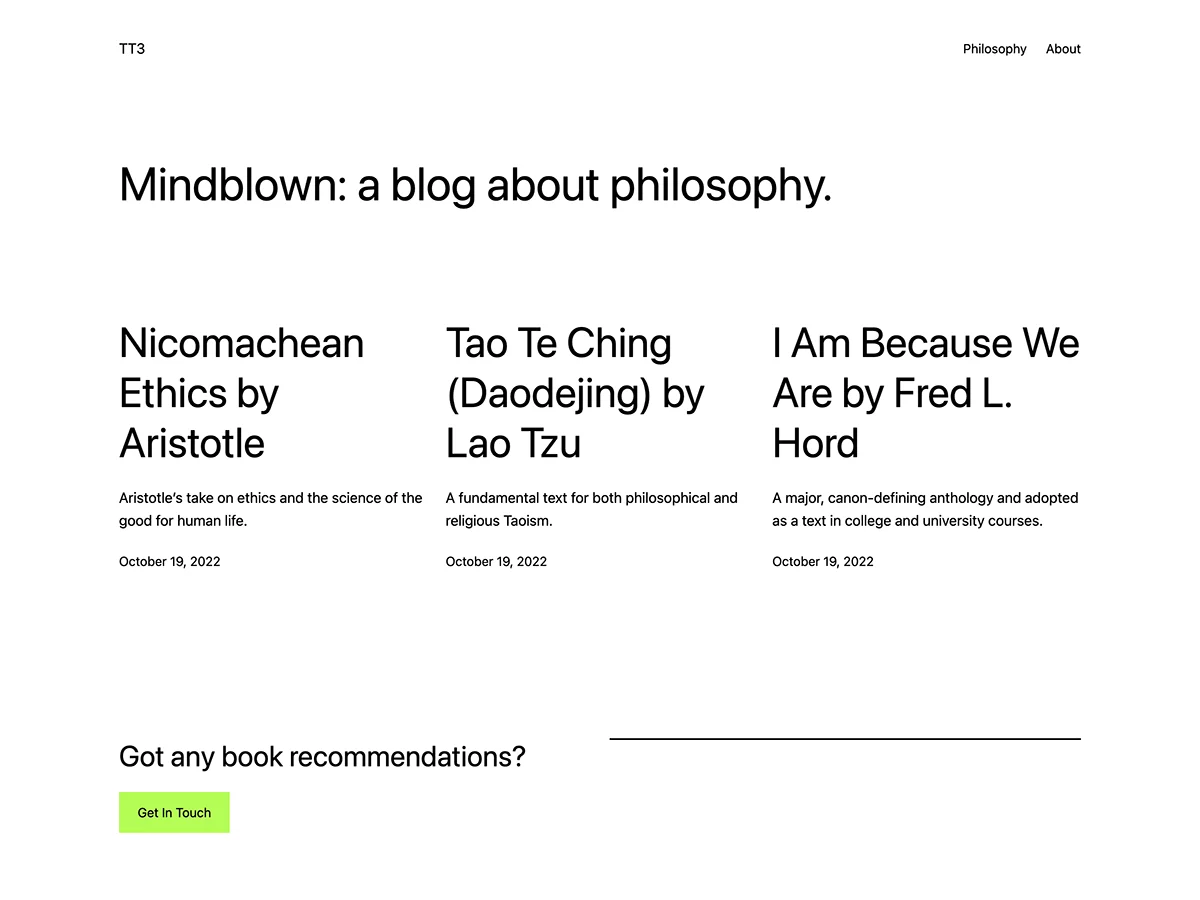
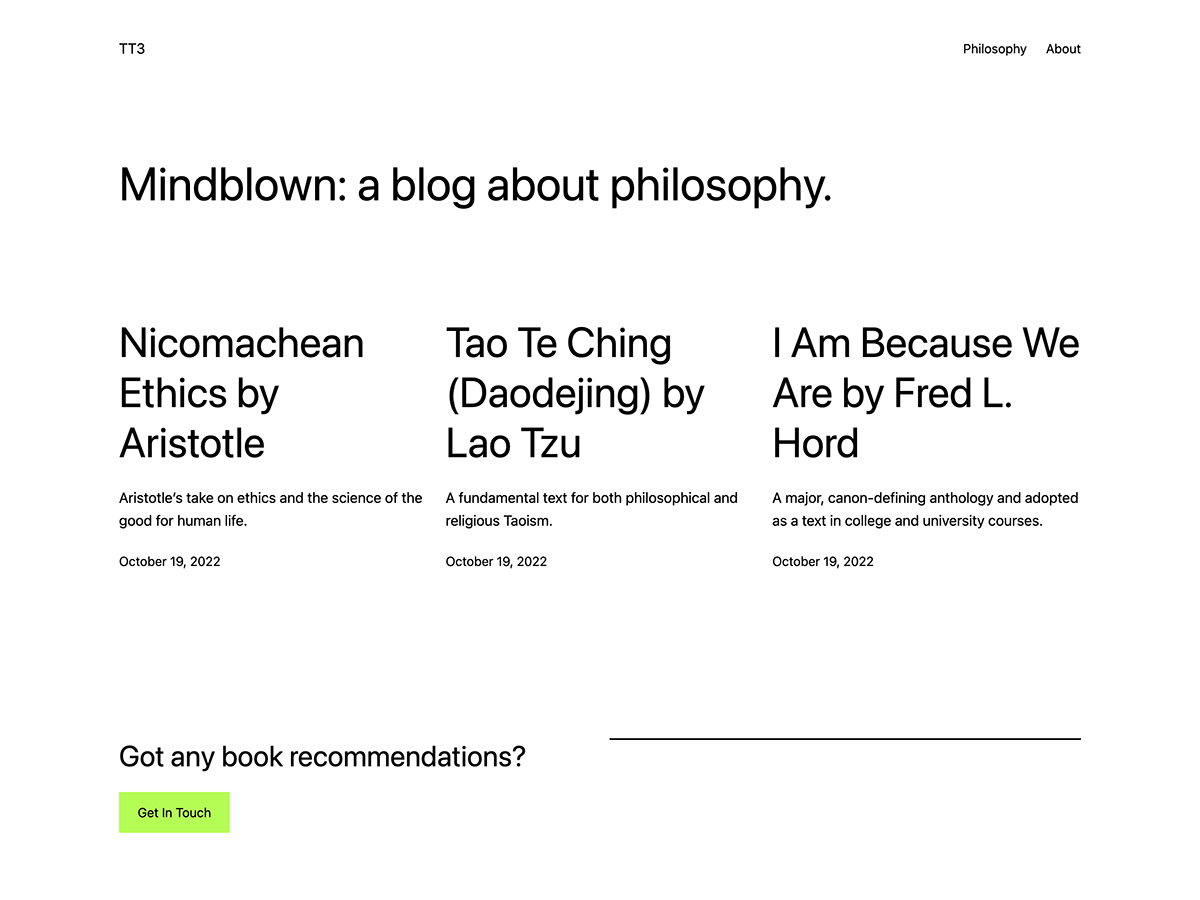
At its core, Twenty Twenty-Three is a next-generation block theme designed to showcase the full potential of Full Site Editing (FSE). Developed and maintained entirely by the vibrant global WordPress community, TT3 rejects the traditional "one-size-fits-all" mentality of older default themes.
Key Technical and Design Attributes:
- Clean, Minimalist Foundation: The base theme is intentionally stripped of heavy styling, presenting users with a pristine canvas that highlights typography, whitespace, and structural block layouts.
- Eleven Style Variations: Recognizing that users have vastly different creative visions, community designers contributed ten distinct style variations alongside the default look, bringing the total to eleven aesthetic choices. These range from bold, high-contrast layouts to subtle, minimalist pastel palettes.
- Full Site Editing (FSE) Integration: TT3 is deeply integrated with WordPress block themes, allowing creators to manipulate headers, footers, templates, and template parts visually without touching a single line of PHP or CSS.
- Robust Feature Set: The theme is officially tagged as accessibility-ready, block-editor-pattern friendly, translation-ready, and optimized for wide blocks, custom colors, custom menus, and RTL (Right-to-Left) languages.
- Massive Global Adoption: Despite being a blank-canvas default theme, Twenty Twenty-Three has captured the attention of over 300,000 active installations worldwide, translated into dozens of languages ranging from Asturianu to Simplified Chinese.
Chronology: From Concept to Community-Driven Reality
The journey of Twenty Twenty-Three reflects the evolving, collaborative governance model of the WordPress project. Understanding its timeline sheds light on how open-source communities coordinate to deliver enterprise-grade software.
Phase 1: Conceptualization and Core Alignment (Mid-2022)
As development on WordPress 6.1 gained momentum, the core theme team recognized that the default theme needed to act as a pure vehicle for the newly matured Full Site Editing features. Following the relative complexity of Twenty Twenty-Two, the mandate for TT3 was simplicity, flexibility, and community ownership. Project leads proposed a crowdsourced approach, inviting community members to submit design ideas, style variations, and block patterns directly through GitHub and the WordPress Make Themes team.
Phase 2: Community Design and Style Variation Submissions (Late 2022)
Unlike previous eras where a single lead designer dictated the look of a default theme, Twenty Twenty-Three was a collective canvas. Designers from across the globe submitted style variations utilizing global styles (theme.json). This phase tested the scalability of WordPress’s block system, ensuring that disparate aesthetic philosophies—from brutalism to corporate minimalism—could harmoniously plug into the same underlying codebase.
Phase 3: Launch and Integration with WordPress 6.1 (Late 2022)
Twenty Twenty-Three officially launched alongside WordPress 6.1. The release marked a turning point where block themes moved from being experimental alternatives to the mainstream standard for the world’s most popular Content Management System (CMS).
Phase 4: Ongoing Maintenance and Global Localization (2023–Present)
Post-launch, the theme entered a continuous lifecycle of maintenance, security updates, and aggressive localization. Supported by community volunteers, TT3 has been translated into dozens of regional dialects and languages, ensuring equitable access for non-English speakers. With active installations crossing the 300,000 milestone, the theme receives regular oversight via community support forums and contribution pipelines.
Supporting Data: By the Numbers
To truly gauge the footprint of Twenty Twenty-Three, one must look at the quantitative metrics surrounding its deployment, localization, and community engagement.
- Active Installations: 300,000+ live websites rely on Twenty Twenty-Three as their foundational architecture.
- Style Variations: 11 distinct curated aesthetic configurations bundled natively into the theme package.
- Language and Localization Support: Available in nearly 60 languages and regional variants, including broad coverage of European, Asian, Middle Eastern, and African languages (e.g., Japanese, German, Arabic, Hindi, Tamil, and Welsh).
- Tag Ecosystem & Capabilities: Categorized across 19 distinct functional tags on WordPress.org, confirming high standards in accessibility, block patterns, custom styling, and portfolio readiness.
Official Responses and Community Reception
The reception of Twenty Twenty-Three within the developer, designer, and user communities has provided crucial feedback for the broader evolution of WordPress.
Praise for Creative Freedom
Designers and agencies have largely praised TT3 for its lack of structural baggage. Because the theme does not force a specific brand identity onto the user, digital agencies have adopted it as a reliable, lightweight boilerplate for client sites. The inclusion of diverse style variations has been lauded as a masterclass in demonstrating the power of the theme.json configuration file, teaching users how global styles can instantly transform a website’s personality.
Navigating the Learning Curve
Conversely, community support forums and feedback channels highlighted the ongoing learning curve associated with Full Site Editing. For users accustomed to traditional themes with pre-built widget areas and classic customizers, transitioning to a completely block-driven, blank-base theme like Twenty Twenty-Three required a paradigm shift.
Core contributors addressed this feedback by emphasizing documentation, expanding block pattern libraries, and ensuring robust support threads remained active on WordPress.org. Furthermore, the ability for users to report major issues directly via the Make WordPress Themes reporting tool has streamlined bug tracking and rapid patches.
Implications: What Twenty Twenty-Three Means for the Future of Web Design
The success and architecture of Twenty Twenty-Three carry profound implications for the future of WordPress and the wider web development landscape.
1. The Democratization of Design Systems
By leaning heavily into style variations and global styles, TT3 proved that design systems can be managed abstractly through JSON files rather than hard-coded stylesheets. This empowers non-technical users to experiment with typography, color palettes, and layout dimensions safely, bridging the gap between professional designer workflows and everyday bloggers.
2. Validating the Open-Source Community Model
The collaborative creation of Twenty Twenty-Three serves as a proof-of-concept for crowdsourced core software development. By decentralizing the design process, WordPress has shown that global contributors can successfully align around technical standards while producing creative, localized variations that resonate worldwide.
3. Accelerating the Transition to Full Site Editing
As more sites adopt block-native themes like TT3, the ecosystem moves further away from legacy page builders and proprietary theme frameworks. Developers are increasingly incentivized to build blocks and patterns that integrate natively with WordPress core, reducing dependency on bloated third-party plugins.
Conclusion
Twenty Twenty-Three is far more than a simple placeholder theme for a new version of WordPress. It is a symbol of maturity for Full Site Editing, a testament to community-driven open-source collaboration, and a remarkably versatile tool utilized by hundreds of thousands of website owners globally. By offering a clean slate complemented by eleven distinct style variations, TT3 has successfully empowered creators of all technical skill levels to build fast, accessible, and uniquely styled websites. As WordPress continues to evolve, the architectural philosophies pioneered in Twenty Twenty-Three will undoubtedly shape the next generation of digital publishing.