










In the modern digital ecosystem, the sheer volume of media—ranging from high-resolution photography to complex document archives—presents a formidable challenge for developers and product managers alike. When applications rely on user-generated content, the "last mile" of data ingestion often becomes a bottleneck. Managing incoming files, ensuring they conform to specific formatting requirements, and delivering them with lightning-fast latency is a full-time task. Increasingly, enterprises are turning to specialized infrastructure-as-a-service (IaaS) providers to handle these complexities. Among these, Filestack has emerged as a premier utility for uploading, transforming, and delivering digital assets at scale.
The Architecture of Media Management: Main Facts
At its core, Filestack is designed to abstract away the tedious nature of backend storage configuration and image processing. Rather than building bespoke pipelines for every file-based feature in an application, developers can leverage a unified API that handles the entire lifecycle of a file.
The platform’s value proposition is built on three pillars: Ingestion, Processing, and Distribution. By providing a standardized interface, Filestack allows developers to move away from maintaining custom scripts for image resizing, format conversion, and cloud storage bucket management. Instead, they gain access to a robust, CDN-backed environment that treats media as a dynamic stream rather than a static binary blob.
The Chronology of Implementation
Integrating a service like Filestack follows a well-defined technical trajectory designed to minimize time-to-market.
Phase 1: Onboarding and Environment Setup
The journey begins with the initial configuration. Filestack offers a 21-day trial period, providing full access to their comprehensive libraries and documentation. The documentation, frequently cited by developers as a gold standard, serves as a central knowledge base, offering granular code samples across multiple programming languages.
Phase 2: The Ingestion Layer
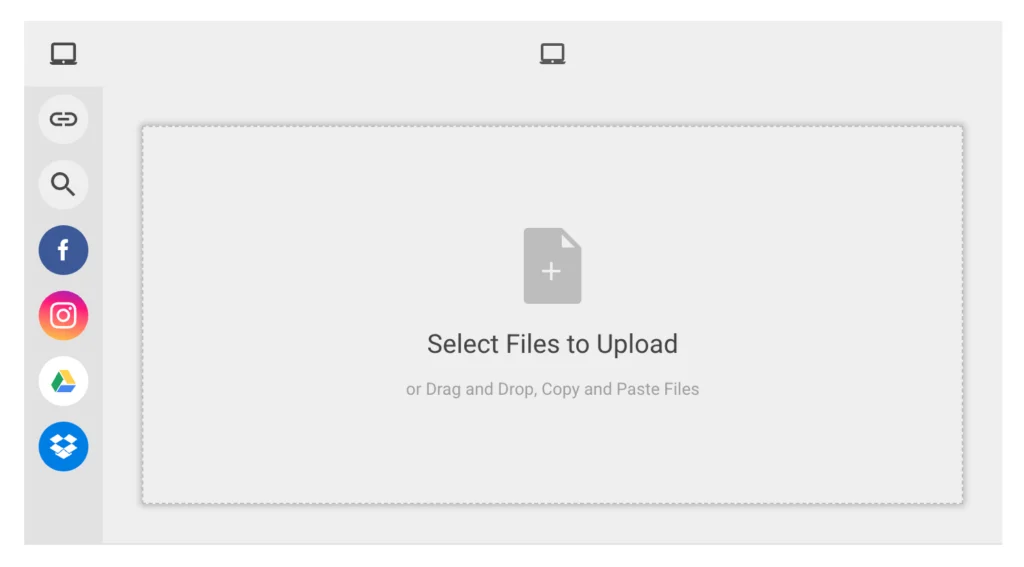
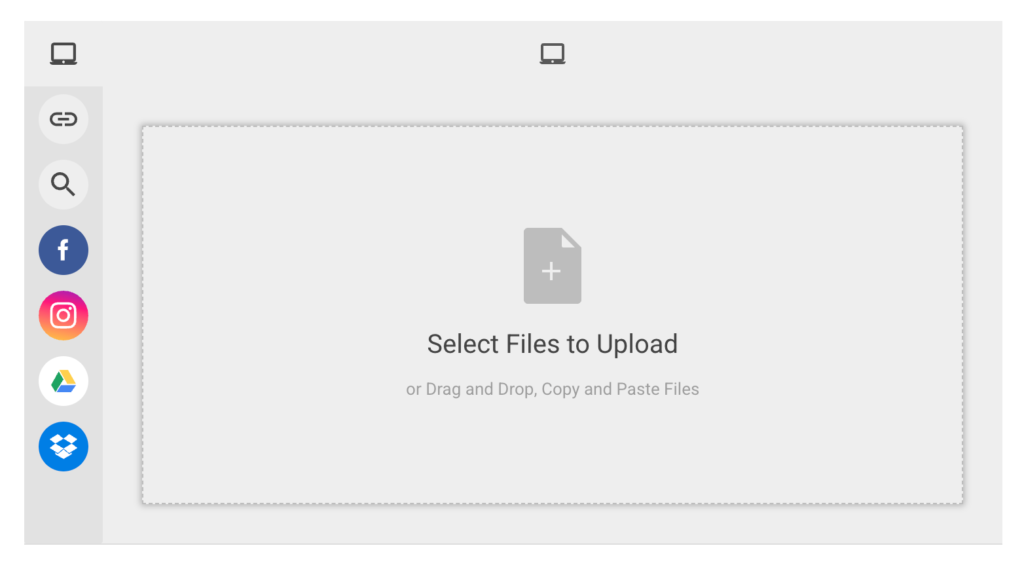
The user-facing component—the "Picker"—is the most visible part of the Filestack suite. By initializing the client with a unique API key, developers can deploy a highly functional UI component with minimal lines of code. This interface is not merely a file selector; it is a sophisticated bridge to over 20 third-party services, including Google Drive, Dropbox, GitHub, and social media platforms like Instagram.
For backend-heavy applications, the platform offers robust server-side libraries, such as the Python SDK. This allows developers to programmatically define storage locations (such as Amazon S3), set path structures, and attach metadata tags to files before they even hit the server, ensuring that data is organized and searchable from the moment of arrival.
Phase 3: The Transformation Engine
Once the media is ingested, it rarely exists in the state the end-user requires. Whether it is a profile picture needing a circular crop, a document requiring conversion to PDF, or a video needing compression for mobile delivery, transformation is the critical middle step. Filestack allows for real-time manipulation via URL parameters, turning a static image into a dynamic asset.
Phase 4: CDN Delivery
The final stage is delivery. Reliability and speed are the primary metrics for user retention. Filestack utilizes a global Content Delivery Network (CDN) that caches transformed URLs. This ensures that assets are served from the edge, significantly reducing load times and improving the overall user experience.
Supporting Data: Why Specialized Infrastructure Matters
In an era where web performance is a critical ranking factor for search engines, the weight of media assets cannot be ignored. Unoptimized images are the leading cause of "page bloat," which directly correlates with higher bounce rates.
According to industry benchmarks, implementing automated transformation services can reduce payload sizes by up to 60–80% without perceptible loss in quality. Filestack’s CDN architecture further enhances this by:
- Caching Policies: Files are cached upon the first request for 30 days, minimizing the latency for subsequent users.
- Edge Computing: By processing files closer to the user, the "Time to First Byte" (TTFB) is significantly improved compared to fetching raw files from a central bucket.
- Cross-Platform Compatibility: With integrations for mobile and web, the service ensures that a single upload can be dynamically transformed into the appropriate format (e.g., WebP for web, JPEG for legacy support) on the fly.
Official Perspectives: The Developer Experience
The philosophy behind Filestack’s design is rooted in the "developer-first" mentality. By providing both a UI-driven approach for less technical users and a command-line/SDK approach for engineers, the platform addresses the needs of cross-functional teams.
The inclusion of the Transformation UI (TUI) is a strategic response to the demand for user-controlled media management. Rather than forcing developers to build complex cropping, filtering, and annotation tools from scratch, Filestack provides an embeddable interface that empowers users to customize their media before the final submission. This reduces the burden on backend processing tasks and gives users a sense of agency over their content.
Implications for Future Digital Strategy
The implications of adopting a comprehensive file management strategy are profound. For startups and enterprises alike, the "build vs. buy" debate often hinges on maintenance costs. Building a custom pipeline to handle multi-source uploads, real-time image processing, and global distribution requires a dedicated team of DevOps and backend engineers.
By offloading these tasks to Filestack, organizations can redirect their internal engineering resources toward core product features rather than infrastructure maintenance. The result is a more resilient application architecture that can scale alongside user growth without requiring a total refactoring of the file ingestion layer.
Scalability and Future-Proofing
As new image formats (such as AVIF or HEIC) emerge, platforms like Filestack typically update their processing engines before most internal teams can prioritize the necessary code changes. This "future-proofing" is a hidden benefit of using a specialized service. When the industry shifts, the infrastructure shifts with it, keeping the application at the cutting edge of performance standards.
Security and Compliance
Furthermore, security remains a top concern. Filestack’s approach to handling sensitive data—including the ability to define specific storage locations and enforce security protocols at the point of ingestion—provides a layer of protection that is often overlooked in home-grown solutions.
Conclusion
The complexity of managing media in a global, cross-device environment is not going to diminish; if anything, the requirement for high-quality, fast-loading, and responsive content will only intensify. For developers looking to streamline their workflows, the transition from manual, script-heavy media management to a robust, service-oriented architecture is a logical evolution.
Filestack stands as a testament to the power of specialized utilities. By focusing on the entire lifecycle of a file—from the moment a user clicks "Upload" to the final pixel delivered on a screen—the platform provides a seamless, efficient, and highly scalable solution. Whether you are building a social media app, an e-commerce marketplace, or a corporate document repository, the ability to automate and optimize media is no longer a luxury; it is a fundamental requirement of modern web development.
As the digital landscape continues to evolve, the integration of tools that prioritize speed, reliability, and ease of use will continue to be the hallmark of successful applications. By leveraging platforms that treat file management as a first-class citizen, developers can focus on what they do best: creating exceptional user experiences.



