











By Tech & Industry Desk
Published: October 2026
Main Facts
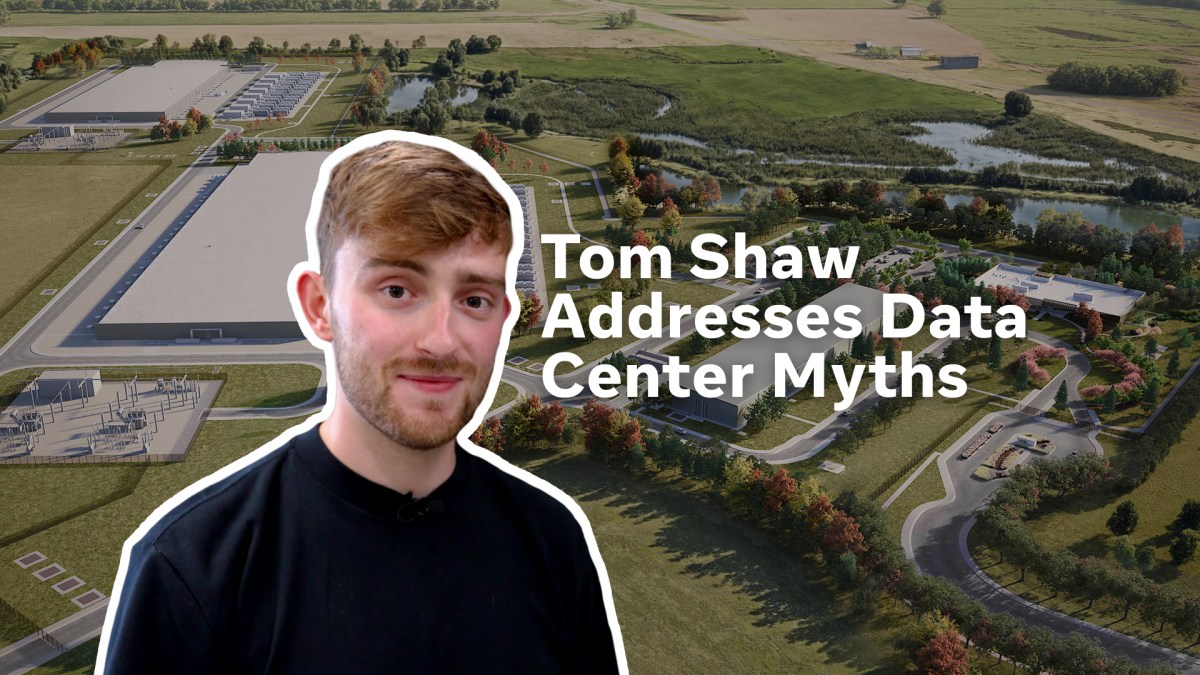
The explosive growth of artificial intelligence, cloud computing, and digital connectivity has fundamentally transformed the modern technological landscape. At the heart of this revolution lies the modern data center—massive, highly secure facilities that house the computing power required to run the applications, social networks, and generative AI models billions of people rely on daily. However, as these facilities scale up to meet unprecedented demand, they have also become the subject of intense public scrutiny, local debate, and widespread misconceptions.
Recently, industry leaders—drawing from firsthand visits to advanced facilities operated by tech giants like Meta—have sought to clear the air regarding how these technological powerhouses actually function. Far from operating as unregulated drains on public resources, modern data centers are increasingly defined by engineering precision, rigorous municipal integration, long-term grid planning, and substantial local economic investment.
The core realities of modern data center operations challenge three of the most pervasive narratives currently circulating in public discourse:
- Water Usage: Facilities do not inherently deplete local drinking water supplies; instead, they utilize permitted, metered allocations, non-potable aquifers, and highly efficient closed-loop cooling systems. In many cases, an entire facility consumes less water annually than a standard municipal golf course.
- Energy Costs: Data centers do not drive up utility bills for everyday residential and commercial consumers. Companies pay for the full cost of their energy consumption and proactively fund the grid infrastructure upgrades required to power their sites, utilizing specialized regulatory frameworks (such as agreements with providers like Entergy in Louisiana) to protect local ratepayers.
- Economic Impact: Data centers are powerful engines for local job creation. From multi-year, multi-billion-dollar construction projects employing thousands of skilled tradespeople to high-paying, long-term operations roles, these facilities anchor local economies and spur workforce development initiatives like America’s Workforce Academy.
Chronology
To understand how data centers evolved from obscure back-end utilities into the focal point of global infrastructure debates, it is helpful to examine the timeline of their integration into local communities:
- The Pre-AI Era (Early 2000s–2010s): Data centers were primarily designed for web hosting, cloud storage, and enterprise data management. While large in footprint, their power and water requirements were relatively predictable and rarely triggered widespread public concern or complex municipal grid negotiations.
- The Cloud and Social Media Boom (2010s–2020): As platforms like Facebook, Instagram, and global cloud providers scaled to billions of users, data centers expanded rapidly. Operators began experimenting with advanced cooling efficiencies, transitioning away from energy-intensive open-loop evaporation toward sustainable, closed-loop designs and localized renewable energy sourcing.
- The Generative AI Acceleration (2023–Present): The public launch and rapid adoption of generative artificial intelligence triggered a massive surge in computational demand. Data center footprints expanded to accommodate high-density AI clusters, bringing resource consumption—specifically water and electricity—to the forefront of public and political discussions.
- The Proactive Planning Phase (Recent Years): Responding to growing community concerns, major operators shifted toward unprecedented transparency. Companies began collaborating with utility providers years in advance of facility activations, establishing multi-year infrastructure pipelines, funding grid modernization projects directly, and introducing community-focused workforce training initiatives like the Workforce Academy launched in mid-2026.
Supporting Data
Public debate surrounding data centers often conflates raw scale with resource mismanagement. To evaluate these facilities objectively, industry analysts rely on hard data regarding resource consumption, financial contributions, and employment metrics.
Water Efficiency Metrics
Water cooling is essential for preventing high-performance servers from overheating, but the methodologies vary significantly by region and climate:
- Closed-Loop Systems: Deployed by default in water-stressed regions, these systems recirculate cooling water continuously, drastically reducing net consumption to near-zero levels once initial volumes are stabilized.
- Non-Potable Sources: In numerous instances, facilities pull from industrial or municipal greywater systems or tap deep aquifers entirely unsuitable for drinking or agricultural use.
- Comparative Usage: Operational data from modern Meta facilities reveals a startling comparison: many individual data center campuses consume less water over the course of a full calendar year than a typical 18-hole American golf course.
Grid Infrastructure and Financial Protection
Energy consumption is undeniably high—modern AI workloads require dense, continuous power supplies. However, the financial architecture of energy delivery protects local ratepayers:
- Direct Infrastructure Funding: Operators do not simply tap into existing regional grids. They engage utilities years ahead of deployment to design, fund, and construct new generation and transmission assets.
- Ratepayer Shielding: Regulatory agreements ensure that the capital expenditures for new power plants, substations, and transmission lines are absorbed entirely by the enterprise tenant, leaving residential utility rates unaffected by industrial expansion.
Employment Figures
The economic footprint of a data center extends far beyond its operational staff:
- Construction Phase: Employs thousands of electricians, plumbers, HVAC technicians, steelworkers, and civil engineers over multi-year buildouts. Equipment procurement further supports thousands of secondary supply-chain jobs.
- Operations Phase: Maintains dozens to hundreds of high-paying, specialized roles, including site reliability engineers, security personnel, network architects, and facility managers, frequently making the operator one of the largest single employers in the county.
Official Responses
As communities weigh the economic benefits of hosting major tech infrastructure against concerns over resource management, corporate operators have increasingly adopted proactive communication and collaborative policymaking strategies.
Industry representatives emphasize that transparency and localized compliance are critical to sustainable growth. "We are not here to build in a vacuum," notes an industry infrastructure spokesperson. "When we enter a community, our goal is to integrate seamlessly into its long-term planning—whether that means aligning with local water management boards years in advance or structuring utility contracts that legally guarantee local residents won’t pay a dime for our power demands."
Regulatory bodies and utility partners have echoed the efficacy of these collaborative frameworks. In states like Louisiana, where major tech investments have transformed rural economies, utility agreements are crafted with strict statutory protections. These agreements mandate that enterprise customers bear 100% of the financial burden for grid enhancements.
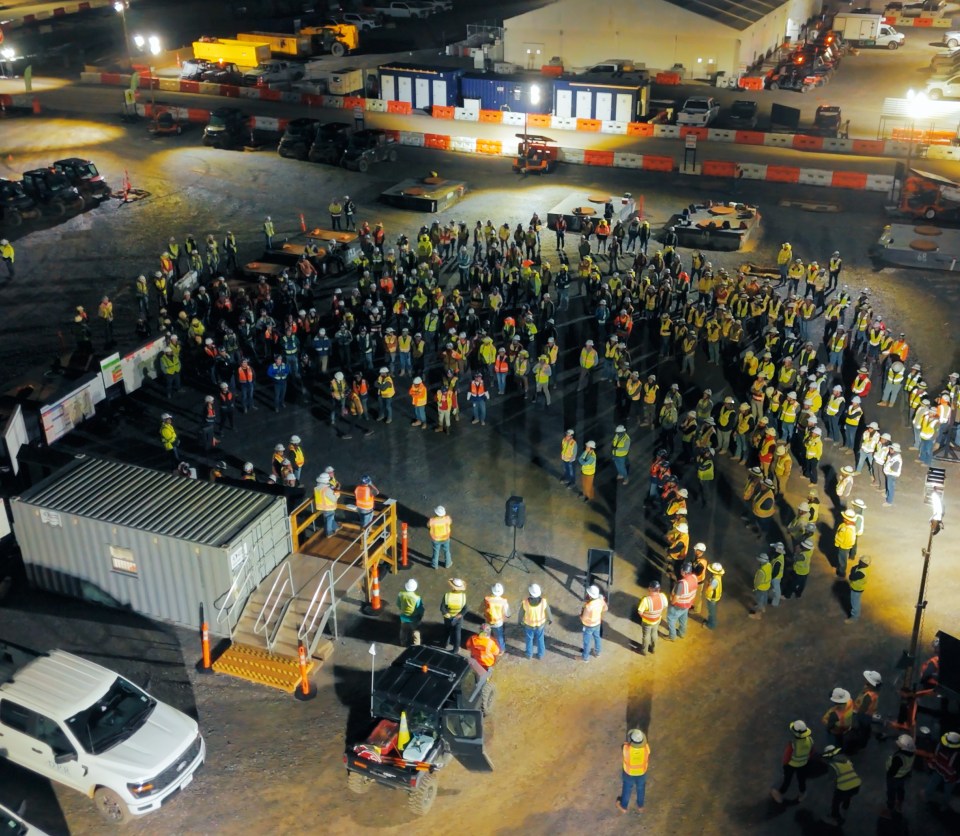
Furthermore, educational institutions and local governments have praised workforce pipelines like America’s Workforce Academy. By offering tuition-free training for critical skilled trades paired with guaranteed job placements at partner facilities, operators are actively addressing labor shortages while providing direct, upwardly mobile career paths for local residents.
Implications
The myths surrounding data centers are symptomatic of a broader societal disconnect: as our digital lives become entirely invisible, the physical infrastructure supporting them remains widely misunderstood. The implications of this disconnect are profound, affecting everything from local zoning laws and municipal planning to national energy policy and the global race for AI supremacy.
1. The Realities of AI Infrastructure Growth
If society demands the continued evolution of artificial intelligence, real-time cloud services, and global digital connectivity, physical infrastructure must scale accordingly. Pretending that data centers can exist without power or water is impractical. The constructive path forward lies not in halting infrastructure development, but in enforcing the high standards already demonstrated by industry leaders: rigorous closed-loop water conservation, mandatory utility pre-planning, and absolute financial accountability.
2. Economic Revitalization vs. Local Anxiety
For many rural and suburban municipalities, hosting a data center represents a once-in-a-generation economic catalyst. The tax revenues generated by these facilities fund local public schools, emergency services, and road infrastructure. However, failing to address community anxieties transparently can lead to unnecessary friction, delayed projects, and polarized public debates. Bridging the gap through education, open-door facility tours, and workforce development ensures that the benefits of technological growth are felt directly by the local populace.
3. Future-Proofing the Power Grid
The partnership models pioneered by tech giants and utility providers offer a blueprint for the future of American energy. As electrification accelerates across transportation, residential heating, and industrial computing, the grid must expand. By forcing private corporations to finance the construction of new energy generation and transmission assets, these agreements prove that industrial expansion can actually catalyze modern, resilient grid upgrades rather than straining existing capacity.
Ultimately, data centers are no longer just background utilities—they are the foundational bedrock of the 21st-century economy. By dismantling myths with verified facts, communities, policymakers, and technologists can collaborate to build a digitally empowered future that is environmentally sustainable, economically vibrant, and transparently managed.



