










Main Facts: A Budget-Friendly Gateway to Google’s Flagship Ecosystem
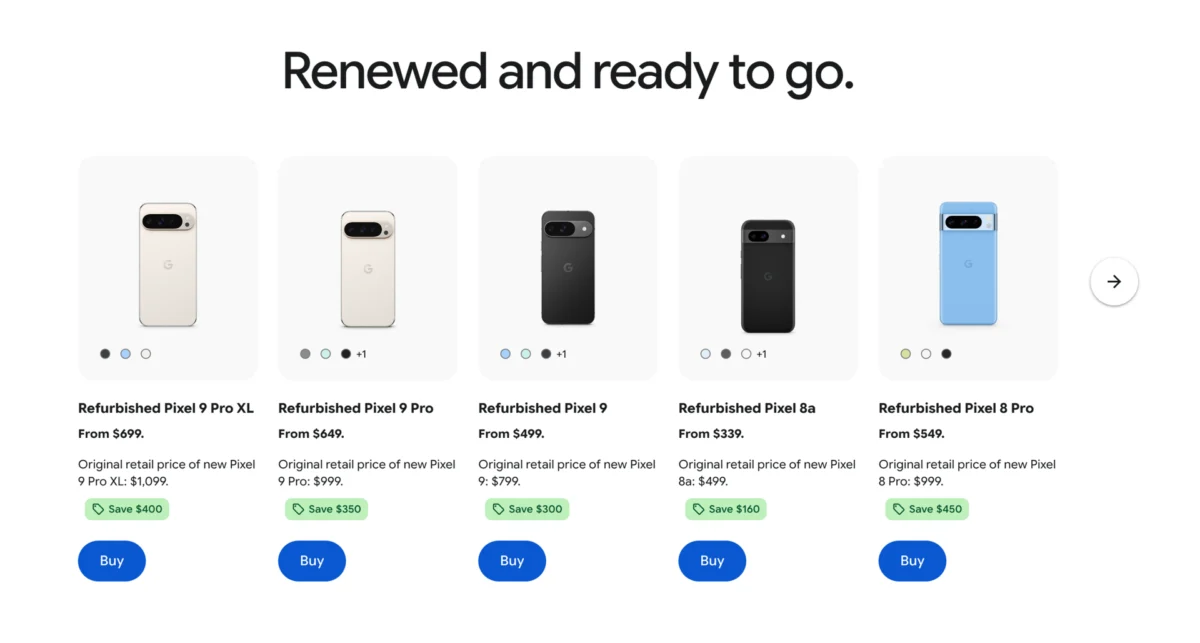
In a strategic move to capture value-conscious consumers while advancing corporate sustainability goals, Google has officially integrated its flagship Pixel 9 smartphone series into its U.S. Certified Refurbished program. Announced quietly via the official Google Store, the expansion allows U.S. buyers to acquire high-end, pre-owned hardware that has undergone rigorous manufacturer restoration—all at a significant discount compared to original retail prices.
Under the new pricing structure, the base model Pixel 9 starts at an accessible $499, a steep drop from its initial $799 launch tag. Meanwhile, the more advanced Pixel 9 Pro and the larger-screen Pixel 9 Pro XL enter the refurbished marketplace at $649 and $699, respectively.
Unlike typical second-hand marketplaces or third-party refurbishers, Google’s Certified Refurbished program guarantees that every unit meets strict internal criteria. Devices undergo comprehensive multi-point inspections checking critical components—including the battery health, high-resolution displays, aluminum housings, and complex camera arrays. When components require replacement, technicians use 100% genuine Google parts, ensuring the hardware performs identically to a brand-new unit fresh off the assembly line.
To sweeten the proposition, Google is bundling a free six-month subscription to Google AI Plus with every refurbished Pixel 9 purchase. This subscription includes 2TB of shared cloud storage across Google services, alongside access to advanced artificial intelligence capabilities. Furthermore, every device ships with a one-year limited warranty, matching the peace of mind typically reserved for brand-new retail purchases.
Chronology: How the Pixel 9 Found a Second Life
To understand the significance of this rollout, it is helpful to trace the lifecycle of the Pixel 9 series and the evolution of Google’s hardware retail strategy.
- August 2024: Google launches its much-anticipated Pixel 9 lineup earlier in the year than traditional hardware cycles, introducing the base Pixel 9, Pixel 9 Pro, and Pixel 9 Pro XL to widespread critical acclaim for their refined industrial design and deepened Gemini AI integration.
- Late 2024 to Mid-2025: As consumer adoption accelerates, early upgrade cycles, trade-ins, and open-box returns accumulate within Google’s supply chain.
- Late 2025 / Early 2026: As subsequent generations of Pixel hardware loom on the horizon, Google begins building out the certified refurbishment pipeline for its 2024 flagship devices, testing diagnostic software and establishing dedicated refurbishing centers.
- October 2026: Tech publication 9to5Google spots the official listings on the Google Store. The Pixel 9 series officially goes live on the Certified Refurbished portal. Within hours, high demand causes the entry-level base Pixel 9 to temporarily sell out, while select configurations of the Pixel 9 Pro and Pro XL remain available to eager buyers.
Supporting Data: Pricing Breakdown and Market Comparison
When evaluating smartphone purchases, the gap between initial retail costs and secondary market value is a primary driver for budget-conscious tech enthusiasts. The transition of the Pixel 9 series into Google’s certified pre-owned ecosystem represents substantial cash savings for consumers unwilling to compromise on flagship performance.
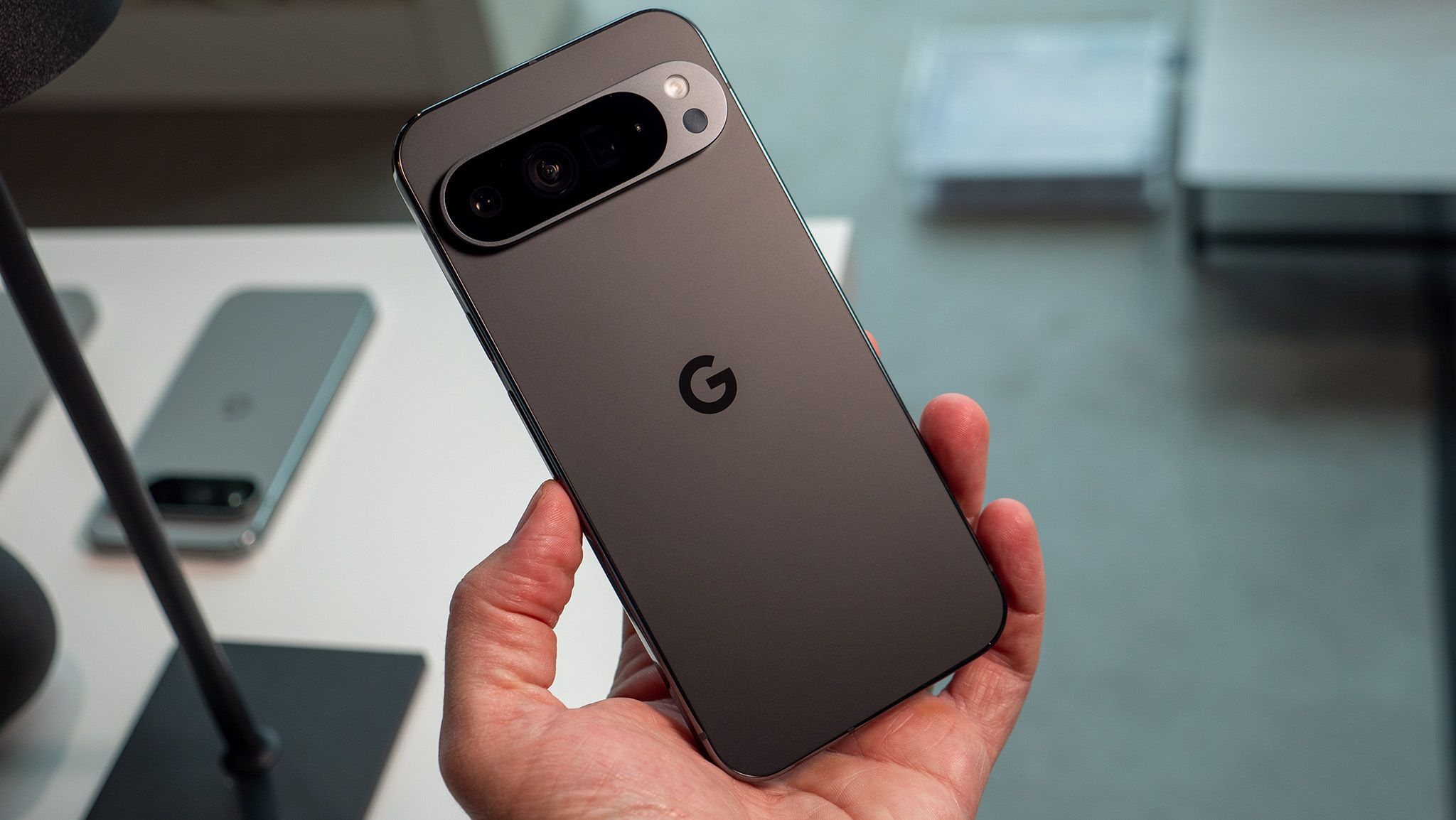
| Model | Original Launch Price | Refurbished Price | Estimated Savings |
|---|---|---|---|
| Google Pixel 9 (Base) | $799 | $499 | $300 (approx. 37%) |
| Google Pixel 9 Pro | $999 (est.) | $649 | $350 (approx. 35%) |
| Google Pixel 9 Pro XL | $1,099 (est.) | $699 | $400 (approx. 36%) |
Beyond the hardware savings, the inclusion of the Google AI Plus subscription adds tangible added value. At standard retail rates, a 2TB cloud storage and AI bundle commands a recurring monthly fee. Providing six months of this service free of charge bridges the gap between buying used and buying new, allowing customers to fully experience the on-device and cloud-based AI features that Google heavily marketed during the Pixel 9’s initial rollout.
However, supply constraints remain an immediate hurdle. High consumer demand—particularly for the $499 base model—highlighted the immense appetite for lower-cost entry points into the Android flagship tier, resulting in swift initial stock depletion. Google has historically replenished its refurbished inventory periodically, though restock schedules remain unpredictable.
Official Responses and Quality Assurance Standards
The secondary smartphone market is often plagued by consumer apprehension regarding hidden defects, degraded lithium-ion batteries, and lack of post-purchase support. Google aims to dismantle these hesitations through transparency and strict adherence to OEM (Original Equipment Manufacturer) standards.
In official statements accompanying the rollout, Google emphasized that its certified pre-owned devices are distinct from standard used goods found on peer-to-peer marketplaces.
"Every Certified Refurbished Pixel undergoes rigorous testing to ensure it meets our exacting quality standards," noted a spokesperson familiar with Google’s hardware retail operations. "If a device requires a component swap—whether it’s a fresh screen, a new outer shell, or a battery replacement—our technicians exclusively utilize genuine Google components. We stand behind this craftsmanship with a full one-year warranty, giving our customers the confidence they deserve."
Key pillars of the Google Certified Refurbished assurance program include:
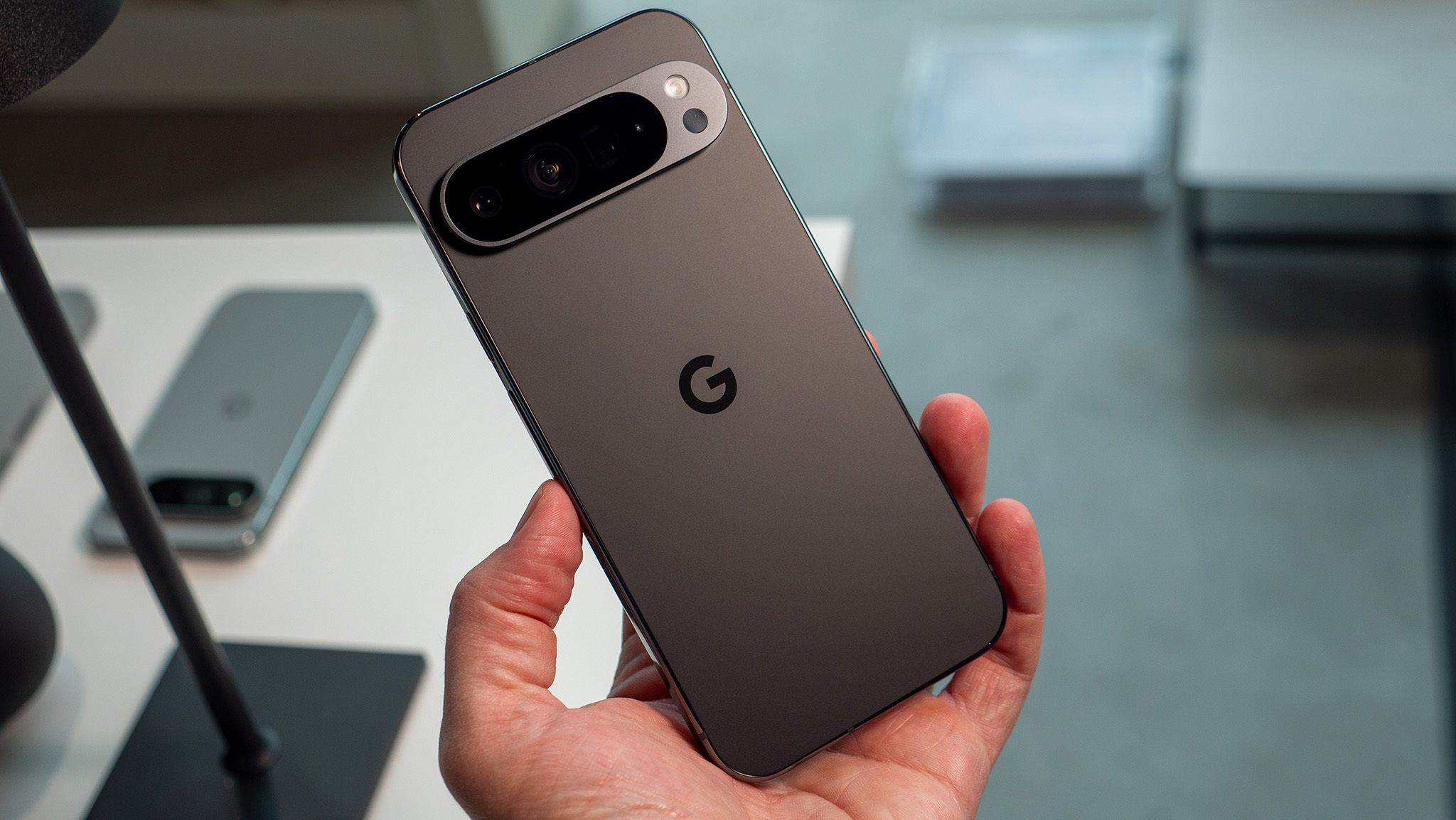
- Multi-Point Diagnostic Testing: Comprehensive software and hardware evaluations checking every sensor, button, and port.
- Cosmetic Restoration: Replacement of any outer casings showing excessive wear and tear.
- Genuine OEM Parts: Zero utilization of third-party, low-grade replica screens or batteries.
- Factory Reset and Sanitization: Complete data wiping and professional cleaning before packaging in eco-friendly, streamlined boxes with essential accessories.
- Standard Warranty Protection: A one-year limited warranty that covers manufacturing defects under normal use.
Implications: Reshaping the Mid-Range and Refurbished Smartphone Ecosystem
Google’s decision to aggressively price the Pixel 9 series in its refurbished store carries wide-ranging implications for the broader mobile industry, consumer purchasing habits, and corporate environmental responsibility.
1. Pressure on Mid-Range Competitors
At $499, a refurbished base Pixel 9 directly competes with brand-new mid-range smartphones from manufacturers like Samsung (Galaxy A-series), Motorola, and OnePlus. Consumers shopping in the $400–$600 price bracket now face a compelling dilemma: purchase a brand-new mid-range device with mid-tier processors and average cameras, or buy a certified pre-owned Google flagship equipped with top-tier processing power, premium materials, and elite camera capabilities. This move could force rival OEMs to reevaluate the value propositions of their own upper-mid-range lineups.
2. Deepening the Circular Economy and E-Waste Reduction
For years, technology companies faced mounting criticism for encouraging rapid upgrade cycles that contribute to global electronic waste (e-waste). By institutionalizing robust take-back, trade-in, and refurbishment pipelines, tech giants like Google are actively prolonging the operational lifespans of consumer electronics. Keeping high-performance silicon and heavy metals (like aluminum and rare earth elements) in active circulation for multiple years significantly lowers the carbon footprint associated with manufacturing entirely new hardware.
3. Democratizing Advanced Mobile AI
As artificial intelligence becomes the defining software battleground for smartphones, access to advanced AI tools has largely been gated behind expensive, top-tier flagship phones. By offering refurbished Pixel 9 Pro models loaded with Gemini capabilities alongside a six-month trial of 2TB cloud storage, Google is lowering the barrier of entry for everyday users to experiment with machine-learning-driven photo editing, real-time translation, and assistant features.
Conclusion
Google’s expansion of its Certified Refurbished program to include the Pixel 9 series marks a win-win scenario for both the company and budget-conscious tech buyers. By pairing deep discounts (up to $400 off original retail) with factory-level quality checks, genuine parts, and a one-year warranty, Google has effectively redefined what consumers should expect from pre-owned technology. While initial stock fluctuations prove that demand is high, buyers who manage to secure a unit can enjoy elite flagship performance at a fraction of the cost—all while supporting a more sustainable mobile ecosystem.



