










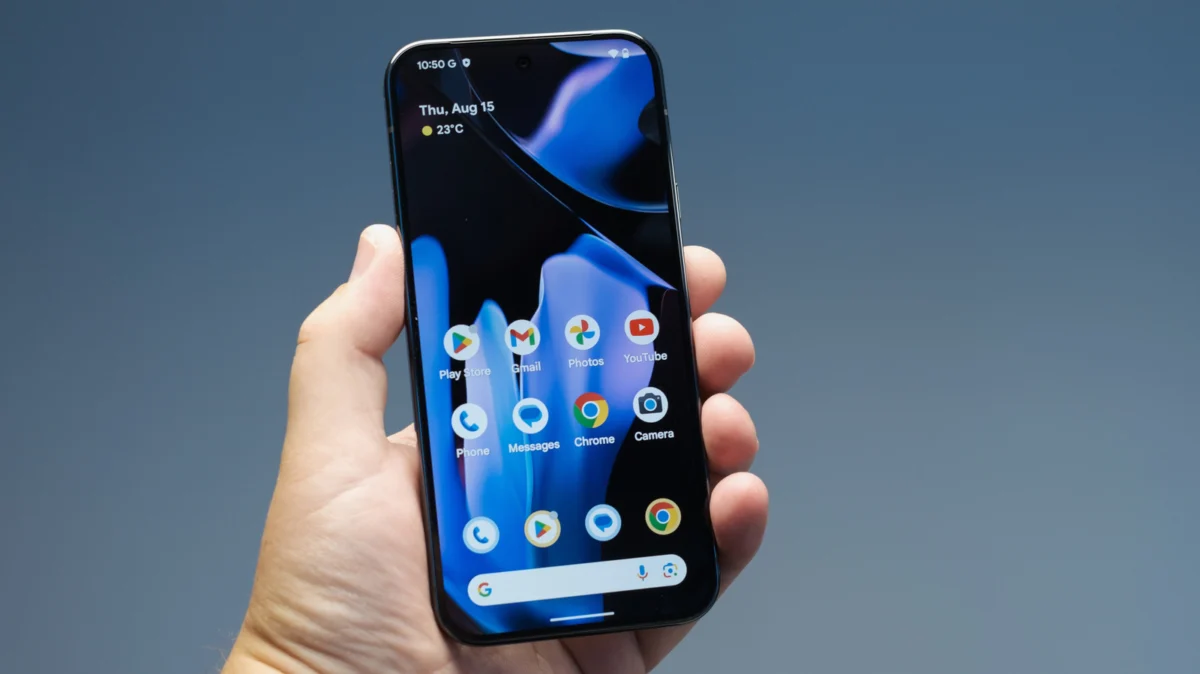
In the modern digital landscape, the smartphone has evolved from a luxury communication tool into an essential extension of our daily existence. From managing banking and professional emails to capturing life’s fleeting milestones, our devices are expected to perform flawlessly. However, as the price of flagship devices climbs toward the $1,500 threshold, many consumers are turning toward the budget market.
While it is entirely possible to secure a high-performing Android smartphone for $300 or less, the market is flooded with sub-par hardware that promises modern features while delivering a frustrating user experience. Buying a cheap phone should not mean settling for a device that crashes under the weight of basic apps or leaves you tethered to a wall charger by midday. To navigate this saturated landscape, one must learn to distinguish between aesthetic compromises—which are acceptable—and performance deal-breakers, which are not.
Main Facts: Setting the Baseline for Value
The primary challenge in the budget smartphone segment is the "illusion of value." Manufacturers often market devices based on single, high-spec metrics—such as a large battery or a high-megapixel camera—while hiding severe bottlenecks in the processor or memory architecture.
A truly capable budget phone must adhere to a "baseline of viability." This isn’t about obtaining the latest titanium-framed aesthetic; it is about ensuring the device remains responsive for a two-to-three-year lifecycle. Consumers should prioritize internal silicon, system memory (RAM), and display quality over external design elements. When you pay for a budget device, your capital should be invested in components that dictate the speed and longevity of your software experience.
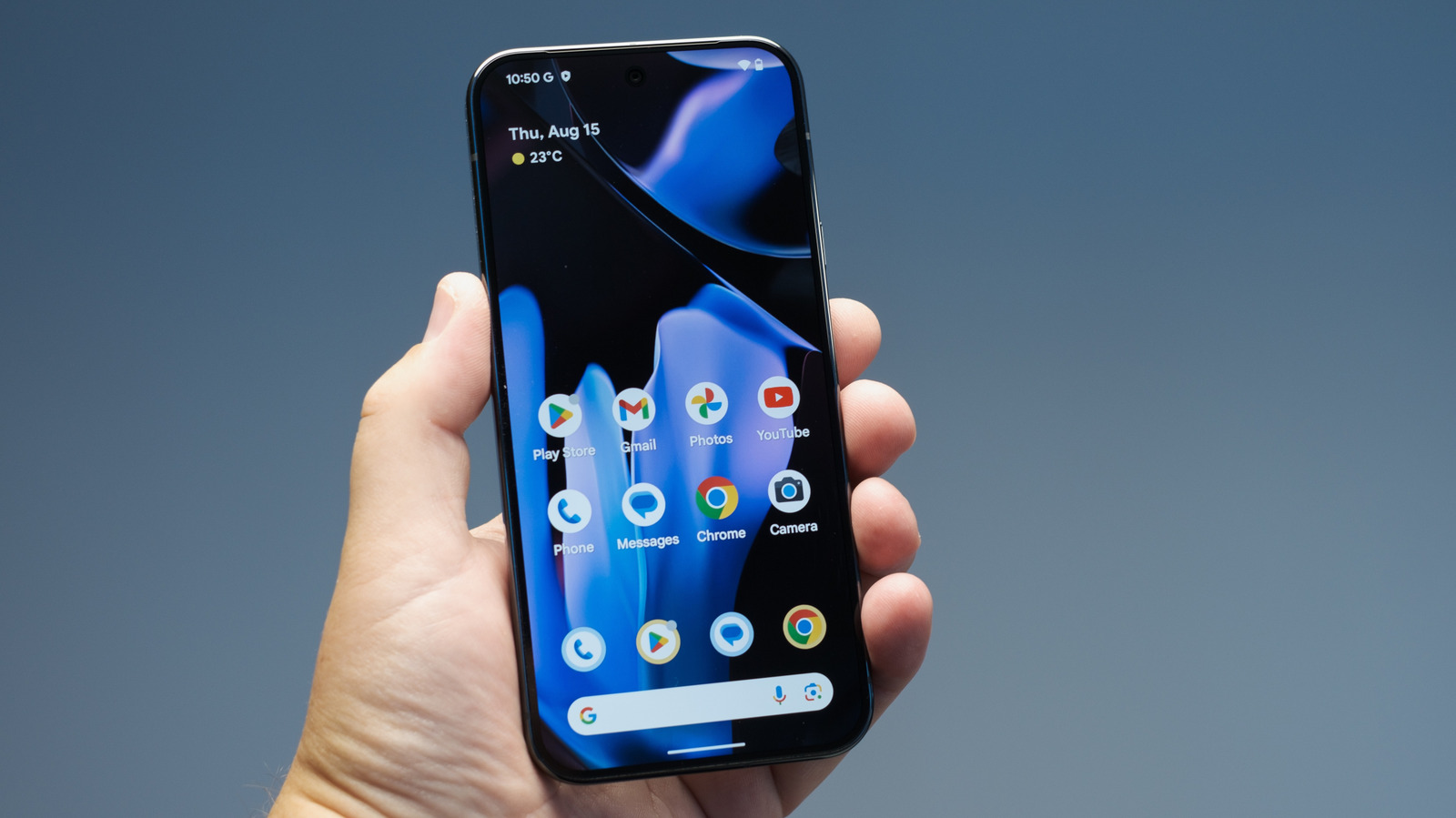
The Anatomy of a Reliable Budget Device: Technical Specifications
To avoid the pitfalls of "disposable technology," prospective buyers should use the following hardware benchmarks as their non-negotiable checklist.
1. The Visual Interface: Screen and Panel Technology
Gone are the days when a 4.5-inch display was considered the gold standard. In the current ecosystem, a screen smaller than 6.1 inches is increasingly difficult to use for modern productivity. More importantly, the type of display matters.
- AMOLED Panels: Look exclusively for AMOLED technology. These panels offer superior contrast ratios and deeper blacks compared to traditional LCDs.
- Brightness: Ensure the display hits a peak brightness of at least 1,000 nits. If your phone cannot be read clearly under direct sunlight, it fails in its most basic duty as a mobile device.
- Resolution: While 1080p (Full HD) is the target, ensure that the PPI (pixels per inch) is sufficient to prevent the "jagged edge" look on text and icons.
2. The Engine Room: RAM and Processing Power
If the display is the face of the phone, the RAM is its nervous system.
- The 6GB Minimum: Under no circumstances should you purchase a device with 4GB of RAM in 2024. Modern Android versions, combined with background processes and heavy social media applications, require at least 6GB of RAM to maintain fluidity. For those who dabble in casual gaming or multitasking, 8GB is the recommended sweet spot.
- Processor Integrity: Do not simply look for "Octa-core" branding, as this is a marketing term that says little about speed. Research the specific chipset model. Look for benchmarks or expert reviews that confirm the processor doesn’t suffer from "thermal throttling"—where the phone slows down significantly as it heats up during moderate use.
3. Storage and Longevity
The era of the 64GB entry-level phone should be considered extinct. With high-resolution photo formats and app sizes ballooning, 128GB is the absolute floor for usable storage. If the device does not support microSD card expansion, 256GB is the recommended starting point to avoid the dreaded "Storage Full" notification that halts system updates and app performance.
Chronology of a Budget Purchase: From Research to Ownership
The journey to a successful budget smartphone purchase follows a predictable, albeit necessary, timeline:
- The Pre-Evaluation Phase (Weeks 1-2): Identify your primary use case. Are you a content creator who needs a decent sensor, or a remote worker who needs a reliable battery and stable connectivity?
- The Filtering Phase: Discard any device that does not offer a clear, long-term software support roadmap. A cheap phone is expensive if it becomes a security risk because it no longer receives Android security patches.
- The "Seasonal" Wait: Prices in the tech industry are volatile. By waiting for quarterly sales events (such as Prime Day, Black Friday, or back-to-school promotions), you can often move from the "budget" tier to the "mid-range" tier without increasing your budget.
- The Unboxing and Setup: Upon purchase, immediately test the device’s thermal limits and battery drainage under heavy usage. If the device struggles with basic tasks within the first 48 hours, utilize the retailer’s return policy immediately.
Supporting Data: Why Battery and Optics Still Matter
While internal performance is paramount, battery life and optics are the "quality of life" metrics that define user satisfaction.
- The 5,000mAh Standard: Battery technology has plateaued, but efficiency has improved. Aim for a 5,000mAh battery capacity. Anything below 4,500mAh will likely struggle to sustain a full day of moderate use, leading to premature battery degradation as you cycle through multiple charge cycles per day.
- Camera Quality: Megapixels are the most abused metric in mobile marketing. A 108MP sensor on a cheap phone is often inferior to a well-optimized 12MP or 32MP sensor with a larger physical size. A larger sensor captures more light, resulting in less "noise" in low-light environments. Ensure the front-facing camera is at least 12MP if you prioritize social media interaction and video conferencing.
Official Industry Responses and Market Trends
Industry analysts have noted a shift in the budget market. Brands like Samsung, with its Galaxy A-series, and Motorola, with its Moto G-line, have responded to consumer demand by bringing features previously reserved for flagships—such as high-refresh-rate screens and water-resistance ratings—down to the $300 price point.
Furthermore, the rise of the "renewed" market has provided a loophole for savvy buyers. Older-model Google Pixel devices (such as the Pixel 7a or 8a) are frequently available in the $300 range through certified refurbished programs. These devices often feature superior cameras and software support cycles compared to brand-new, entry-level budget phones from obscure manufacturers.
Implications: The Long-Term Cost of Cheap
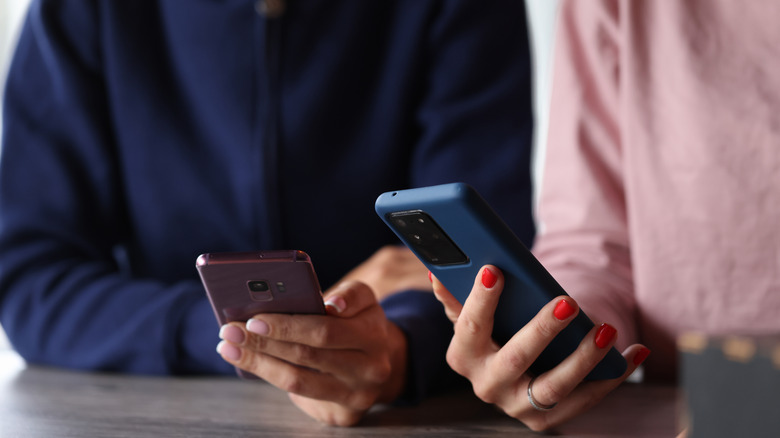
The implications of purchasing a poorly made, "ultra-cheap" phone extend beyond the device itself. A phone that lacks NFC capabilities, for instance, prevents you from utilizing modern mobile payment systems. A phone with an outdated Bluetooth version may suffer from frequent disconnects with wireless headphones.
Ultimately, the goal is to purchase a device that integrates seamlessly into your life rather than one that acts as a hurdle. When you prioritize the non-negotiables—a sharp AMOLED display, at least 6GB of RAM, a 5,000mAh battery, and consistent software support—you aren’t just buying a cheap phone. You are investing in a tool that respects your time, secures your data, and fulfills the promise of mobile connectivity.
In conclusion, the $300 price point is no longer a "danger zone" for consumers, provided they approach the purchase with a critical eye. By filtering out the marketing fluff and focusing on the essential hardware architecture, you can secure a smartphone that performs with the grace of a flagship, leaving you with more money in your pocket and a much more satisfying digital experience.



