Inside Apple’s Thermal Engineering Breakthrough: How the iPhone Duo Solved Foldable Cooling with a Flexible Graphite Pipe
By Tech & Engineering Desk Published: September 2026
Main Facts
The landscape of mobile engineering reached a significant milestone with the release of Apple’s latest hardware generation, headlined by the debut of the folding iPhone Duo. While foldable devices have existed in the consumer market for several years, they have historically struggled with a fundamental physics problem: how to efficiently dissipate heat in a chassis that doubles in thickness when folded, effectively trapping thermal energy.
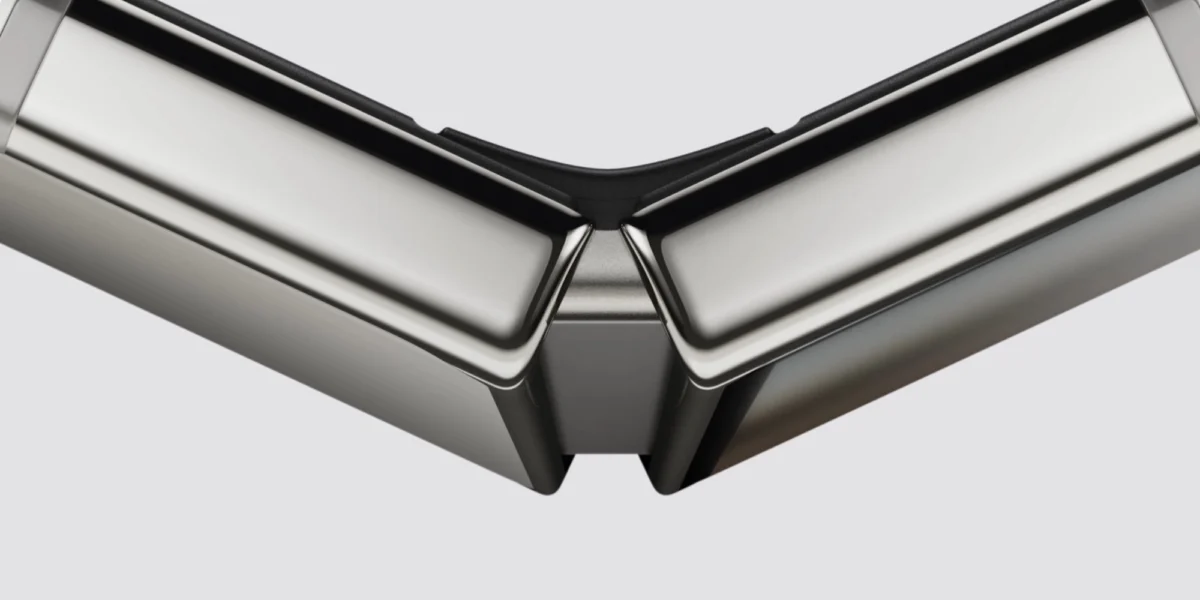
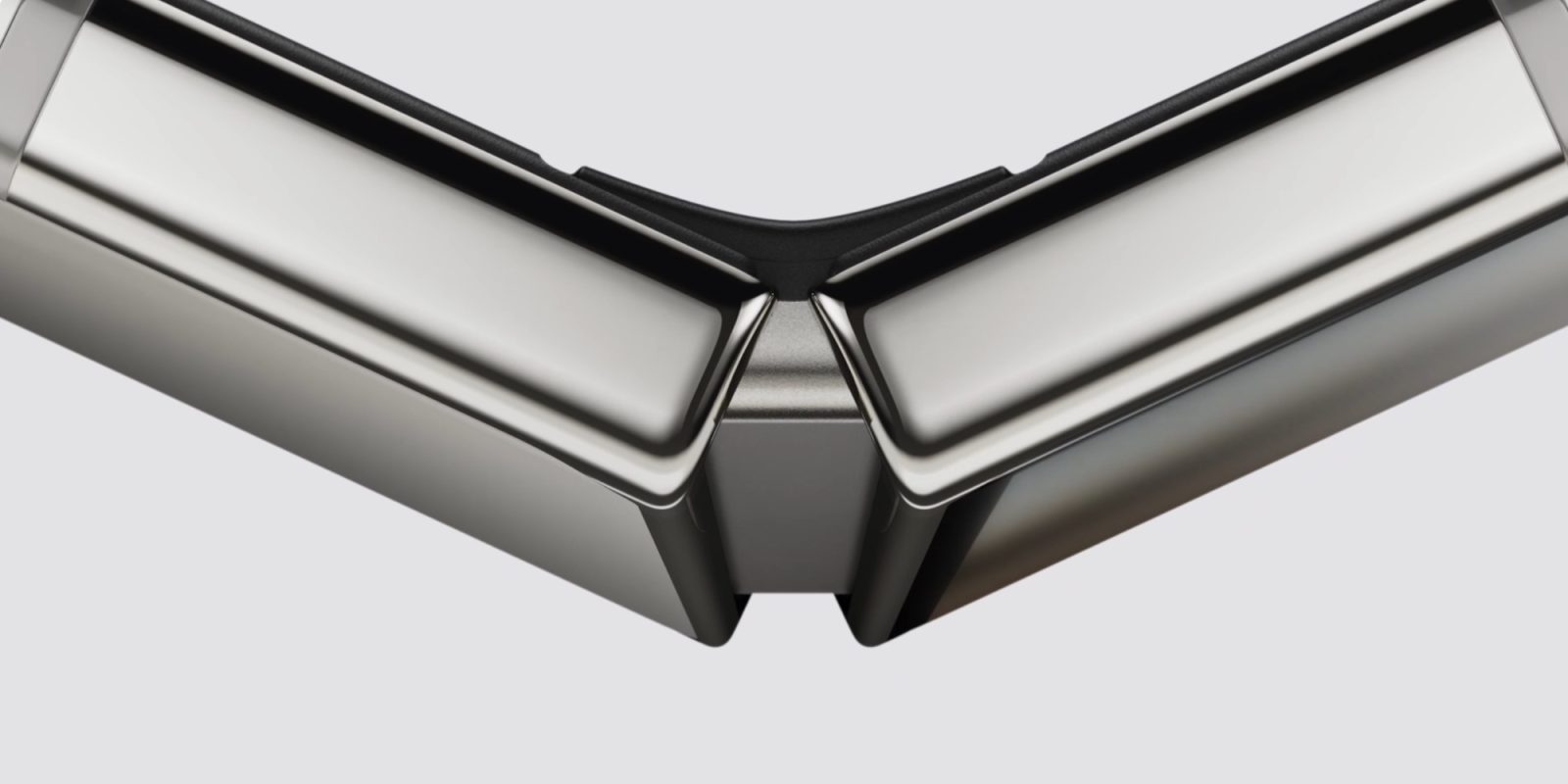
According to a recent in-depth technical profile published by PCMag, Apple’s thermal and silicon engineering teams bypassed traditional cooling limitations through an inventive architectural feat. Central to the iPhone Duo’s thermal management system is a flexible graphite pipe routed directly through the device’s hinge, allowing heat to transfer seamlessly between the two halves of the chassis.
Powering the iPhone Duo—alongside the standard iPhone 18 Pro and iPhone 18 Pro Max—is the new A20 Pro system-on-chip (SoC). Built on an advanced 2-nanometer (nm) manufacturing process, the A20 Pro represents Apple’s second major deployment of 2 nm silicon following its debut in the M6-powered Mac mini earlier in August. However, the variant built specifically for the iPhone Duo includes unique modifications, such as a specialized second display engine capable of driving both the inner and outer screens simultaneously, an under-display FaceTime camera array on the folding inner panel, and a custom vapor chamber integrated with a proprietary "metal over foam" thermal interface material.
Chronology
To understand how Apple arrived at the engineering blueprint for the iPhone Duo, it is essential to trace the timeline of recent hardware and silicon advancements that paved the way for this 2026 release:
August 2026: Apple officially introduces its 2 nm semiconductor manufacturing node with the launch of the M6 chip inside a redesigned Mac mini, setting the architectural foundation for the upcoming mobile generation.
Late August 2026: Leaks and regulatory filings hint at a forthcoming "iPhone Duo" branding for Apple’s long-rumored foldable smartphone, which is slated to share internal silicon architecture with the traditional flagship iPhone 18 Pro series.
Early September 2026: Apple officially unveils the iPhone 18 Pro, iPhone 18 Pro Max, and the groundbreaking iPhone Duo, all running variants of the A20 Pro chip.
Mid-September 2026: Teardown analyses by firms like iFixit uncover the complex internal layout of the iPhone 18 Pro, giving the public its first glimpse at Apple’s "metal over foam" cooling architecture.
Late September 2026: Dan Murray (Apple’s Vice President of Silicon Engineering) and Banafsheh Barabadi (Senior Manager of Thermal Product Design) sit down with PCMag to reveal the proprietary mechanical and thermal secrets behind the A20 Pro and the iPhone Duo’s hinge-cooling graphite pipe.
Supporting Data & Technical Architecture
The transition to a 2 nm node for the A20 Pro family has enabled unprecedented transistor densities, bringing massive performance gains in CPU and GPU output while striving for energy efficiency. However, packing high-performance computing components into dense mobile enclosures—especially a folding phone—requires meticulous thermal engineering.
The A20 Pro: Dual-Display and Silicon Enhancements
In an interview with PCMag, Dan Murray outlined the specific engineering challenges involved in tailoring the A20 Pro for a dual-screen foldable form factor:
"For iPhone Duo, we added a second display engine to support simultaneous operation of the inner and outer displays," Murray explained. "And with the increased CPU and GPU performance, we ensure we can deliver a smooth user experience across the displays. For the inner display, we also added support for placing the FaceTime camera behind the display."
To optimize package thickness and thermal distribution, Apple opted to place the DRAM memory adjacent to the A20 Pro processor die rather than utilizing traditional package-on-package (PoP) vertical stacking. This side-by-side arrangement reduces localized thermal hotspots and creates a flatter profile, which is critical when attempting to bridge components across a folding hinge.
Metal Over Foam and Custom Vapor Chambers
Heat generated by the A20 Pro must be rapidly transferred away from the silicon to prevent thermal throttling. Apple tackled this by pairing the processor with a custom-engineered vapor chamber. Bridging the physical gap between the chip and the vapor chamber proved to be a major hurdle, leading to the creation of a brand-new composite material.
Banafsheh Barabadi detailed this innovation:
"We call it metal over foam, and it basically creates a direct thermal and mechanically compliant coupling between the SoC and the vapor chamber. It is highly effective in removing the heat, meeting the strict mechanical requirements of the system. It took us months of development to get the material properties exactly right to be able to use this material."
Independent teardowns by repair specialists like iFixit have corroborated the complexity of this setup, noting that while the thermal efficiency is remarkable, the tight tolerances and delicate hybrid materials present unique challenges for third-party component repair and disassembly.
Official Responses and Engineering Challenges
The standout achievement of the iPhone Duo’s hardware design remains its hinge mechanism. In folding phones, the hinge is typically a dead zone for thermal conductivity because it must pivot continuously while maintaining structural rigidity, protecting delicate ribbon cables, and keeping dust and debris out of the chassis.
Routing active thermal components through this moving joint required close cross-departmental collaboration between Apple’s thermal product design team and its mechanical engineering divisions.
According to Banafsheh Barabadi, managing heat dissipation in a device that doubles in thickness when folded was one of the most demanding trials the team faced:
"This was one of the most technically challenging aspects of our design. To surmount the issue, Apple routed a flexible graphite pipe through the hinge itself to transfer heat between the two halves, thereby increasing the surface area available for heat dissipation."
Barabadi emphasized the rigorous durability standards required for the graphite pipe:
"This part needed to be co-engineered between our thermal team and the mechanical team. It’s a flexible material that needs to survive, as you can imagine, many hinge cycles while maintaining its thermal connectivity, and also its structural integrity throughout the product life cycle."
By transforming the hinge from a thermal barrier into an active thermal bridge, Apple effectively doubled the surface area available for heat dissipation. When the iPhone Duo is subjected to heavy sustained workloads—such as rendering 3D graphics simultaneously across both the expansive inner foldable display and the outer cover screen—heat is no longer trapped in the primary chassis half. Instead, it is distributed evenly across both halves of the device via the flexible graphite conduit.
Implications for the Future of Mobile Devices
The introduction of the iPhone Duo and its innovative hinge-cooling architecture carries wide-ranging implications for the smartphone industry at large:
A New Paradigm for Foldable Thermals: Up until now, foldable smartphones have frequently suffered from performance throttling because manufacturers struggled to move heat across the hinge. Apple’s successful implementation of a flexible graphite pipe sets a new engineering benchmark that competitors in the Android ecosystem will likely study and attempt to replicate.
The Maturation of 2 nm Mobile Silicon: As semiconductors shrink to the 2 nm threshold and below, raw performance density increases, but thermal management becomes exponentially more difficult. The collaborative design of the A20 Pro—utilizing side-by-side DRAM placement, "metal over foam" coupling, and custom vapor chambers—demonstrates that future flagship devices will require holistic, multi-material approaches to cooling rather than relying solely on passive radiation.
Repairability and Manufacturing Complexities: While consumer benefits like seamless dual-display multitasking and under-display cameras are clear, innovations like the graphite hinge pipe and metal-over-foam layers introduce extreme manufacturing precision. As teardowns continue to evaluate these devices, the long-term durability of these flexible thermal conduits through tens of thousands of open-and-close cycles will be closely monitored by tech analysts and consumers alike.
Ultimately, the iPhone Duo represents more than just Apple’s entry into the folding phone market. It stands as a testament to the lengths modern engineering must go to bridge the gap between desktop-class silicon performance and the ultra-thin constraints of mobile hardware.