By Global Business & Technology Desk
Expanded and Updated Coverage
Main Facts
Social media platform X is aggressively scaling up its live sports strategy, announcing a major expansion of its "Gametime" hub to encompass professional sports year-round. Originally launched in August as an exclusive tracking tool for the National Football League (NFL), Gametime is transforming into a comprehensive multi-league ecosystem designed to centralize live scores, play-by-play updates, official game feeds, real-time public discourse, and dedicated creator content.
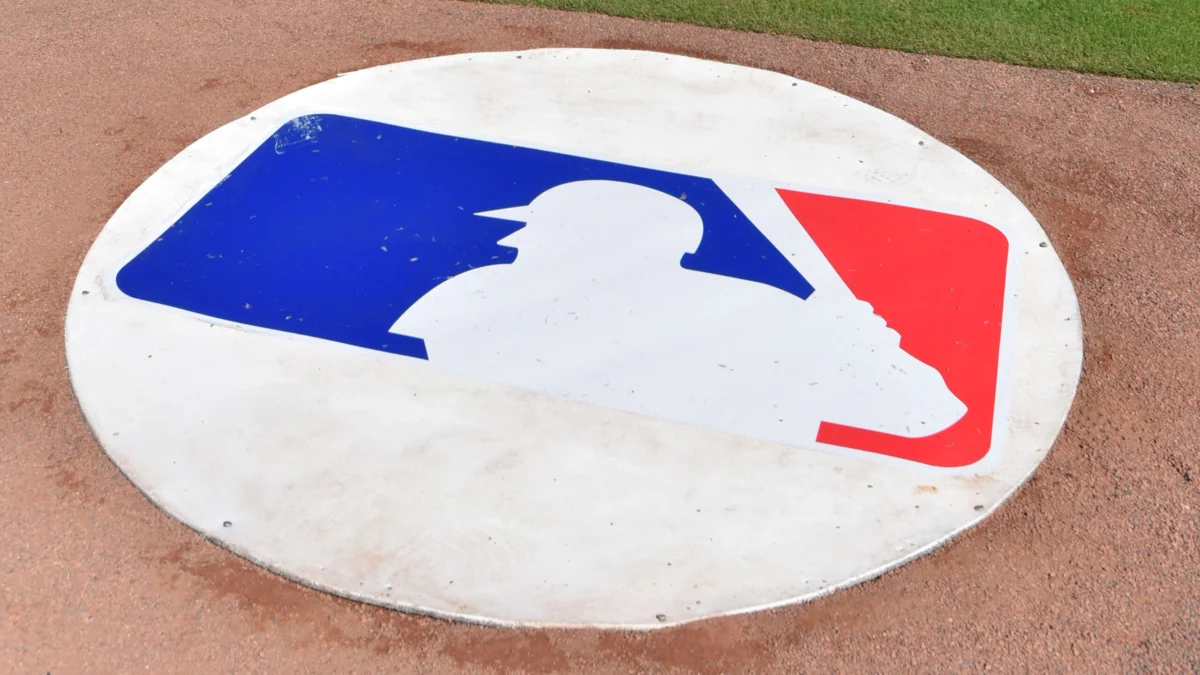
The immediate catalyst for this expansion is a newly minted partnership with Major League Baseball (MLB). Rolling out this month, the MLB integration arrives strategically at the height of the postseason, allowing baseball fans worldwide to follow live scores, track advanced player statistics, and participate in real-time community discussions from a single dedicated interface.
Furthermore, X leadership confirmed during Advertising Week New York that the platform will introduce support for the National Basketball Association (NBA) and additional major sports leagues in the near future.
While framed as a product upgrade for everyday users, the underlying motivation for Gametime’s rapid evolution is deeply strategic: to woo back major global brands and advertisers. By harnessing the hyper-engaged, highly attentive audiences that follow live sports, X is attempting to rebuild its advertising pipeline following years of turbulence, executive transitions, and high-profile legal battles over brand safety.
Chronology of Events
To understand how X arrived at its current sports-first monetization strategy, it is essential to trace the timeline of product developments and corporate disputes that have shaped the platform over the past several years:
- Pre-2023: X (formerly Twitter) long served as the de facto "second screen" for live sports enthusiasts, where fans congregated organically to react to games, share highlights, and debate calls in real time. However, the platform lacked a native, structured product to capture and monetize this massive stream of live engagement.
- Late 2022 – 2023: Following Elon Musk’s acquisition of the platform, X experienced significant shifts in content moderation policies, staffing reductions, and corporate strategy. These changes led to a swift exodus of major advertisers concerned about brand safety and the proximity of their ads to controversial content.
- August 2024: X launches "NFL Gametime," its first centralized hub dedicated exclusively to professional football. Designed to aggregate scores, feeds, and commentary, the feature serves as a testing ground for integrating live entertainment data directly into the user experience.
- July 2025: X reaches a landmark settlement in a multiyear legal battle with the World Federation of Advertisers (WFA). X had previously filed a lawsuit accusing the trade group and member companies of orchestrating an "illegal boycott" against the platform. The settlement paves the way for renewed dialogue between X and major global ad agencies.
- September – October 2025 (Advertising Week New York): X formally announces that Gametime is evolving from a single-sport football experiment into a year-round destination covering all professional sports. Concurrently, the company unveils its second major league partnership, bringing Major League Baseball (MLB) onto the platform just in time for the postseason, with NBA integration slated to follow.
Supporting Data and Product Mechanics
The evolution of Gametime highlights X’s pivot from a passive text-based forum into a data-rich, utility-driven media destination. Structurally, the feature is built to solve a specific consumer behavior: the tendency of sports fans to constantly toggle between live broadcasts, statistical apps, and social feeds.
By pulling live scores, granular play-by-play timelines, official game feeds, and curated creator commentary into a singular interface, X aims to keep users inside its ecosystem for longer durations. According to platform metrics shared internally and at industry events, live sports events consistently generate some of the highest spikes in daily active usage and post volume on X.
The expansion into MLB brings distinct structural enhancements:
- Postseason Focus: Timed deliberately to capture high-stakes October baseball, driving peak user acquisition and engagement.
- Aggregated Content Streams: Combining official league statistics, team updates, and verified creator commentary.
- Scalable Architecture: Built to handle high-concurrency traffic spikes during critical moments, such as playoff games and championship series.
Industry analysts note that while text and image posts remain core to X, structured data integrations like Gametime represent a necessary evolution to compete with rival apps that offer rich live-event tracking and real-time alerts.

Official Responses and Stakeholder Perspectives
The expansion of Gametime has been met with calculated optimism from X’s commercial leadership, who view the product as a vital bridge to corporate brand budgets.
Monique Pintarelli, Head of Global Advertising at SpaceXAI (reflecting organizational alignments under Musk’s broader corporate umbrella), emphasized the rapid commercial velocity of the product in an official statement:
"In just six weeks, Gametime has evolved from a football-focused product into a scalable destination for sports, attracting strong demand across major advertisers from payments to consumer goods looking to engage highly attentive fans from the pregame conversation through the biggest moments of the game."
On the corporate governance and legal front, X’s leadership has worked tirelessly to mend fences with the advertising community. Following the July resolution of the WFA antitrust litigation, X issued statements framing the settlement as a "reset" of relationships between the platform and global brands. The company has repeatedly pledged to balance its foundational commitment to absolute freedom of speech with rigorous, automated, and human-backed brand-safety innovations.
While independent media buyers remain cautious, early interest from consumer packaged goods (CPG) and financial technology brands indicates that structured sports environments—where ad placements can be tightly controlled around specific game windows—offer a palatable entry point for wary marketers.
Implications for the Future of X and Digital Sports Media
The broader implications of X’s sports expansion extend across the media landscape, touching on competitive dynamics, monetization strategies, and platform trust.
1. Rebuilding Trust with Advertisers
For over two years, X’s primary business challenge has been convincing CMOs and media buyers that the platform is a safe and effective place to allocate capital. Live sports provide a uniquely effective testing ground for this rehabilitation. Unlike organic user feeds, which can be volatile and unpredictable, live sporting events offer structured calendars, predictable audience surges, and universally beloved cultural touchpoints. By wrapping brand ads around official MLB and NFL data hubs, X offers a controlled environment that mitigates executive anxieties.
2. Competition in the "Second Screen" Market
X is not alone in recognizing the value of the sports second screen. Platforms like Meta, Reddit, and TikTok, alongside dedicated sports apps like ESPN and The Athletic, constantly compete for the attention of fans consuming live games. By evolving Gametime into a year-round destination encompassing the NFL, MLB, NBA, and potentially other leagues, X is betting that its historical advantage—real-time public conversation—combined with hard data utilities will create an unbeatable sticky loop for users.
3. The Monetization of Real-Time Engagement
As social media platforms shift away from open-ended ad models toward performance-driven and context-specific placements, X’s sports strategy offers a blueprint for how utility-driven features can command higher CPMs (cost per thousand impressions). If X can successfully prove that Gametime users exhibit higher purchase intent and brand recall during live games, it could fundamentally stabilize the company’s revenue model heading into the next fiscal year.
Ultimately, whether Gametime becomes a permanent fixture of digital sports culture will depend on execution—specifically, the reliability of its real-time data feeds, the depth of its upcoming league integrations, and the continued willingness of major brands to trust X’s evolving safety frameworks.