







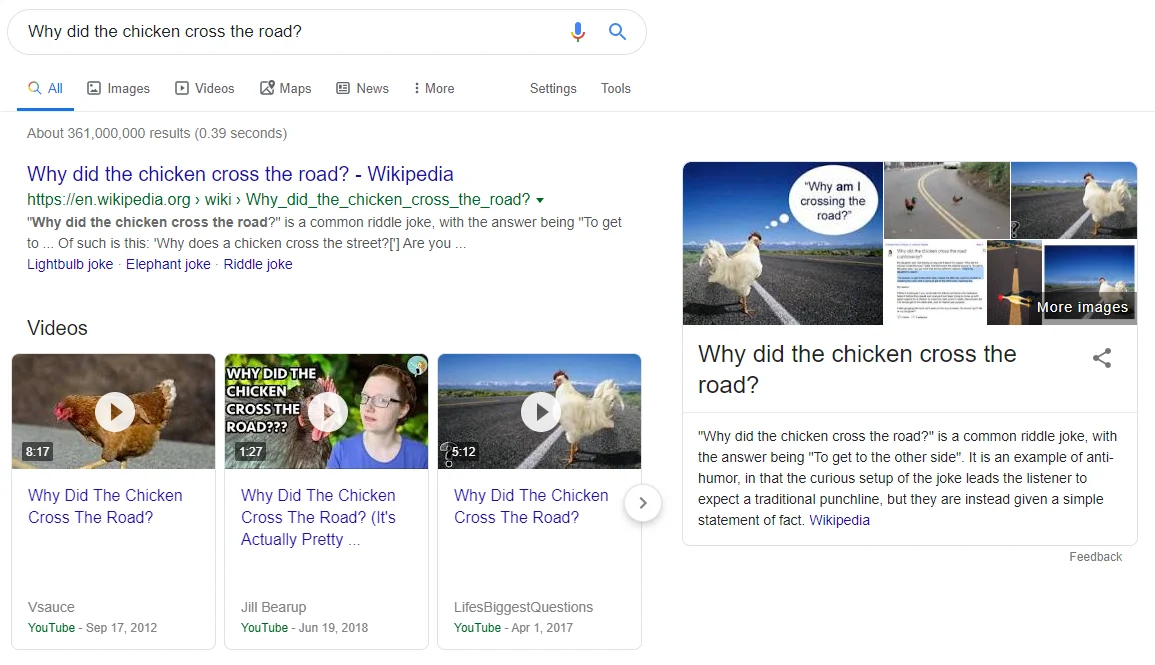
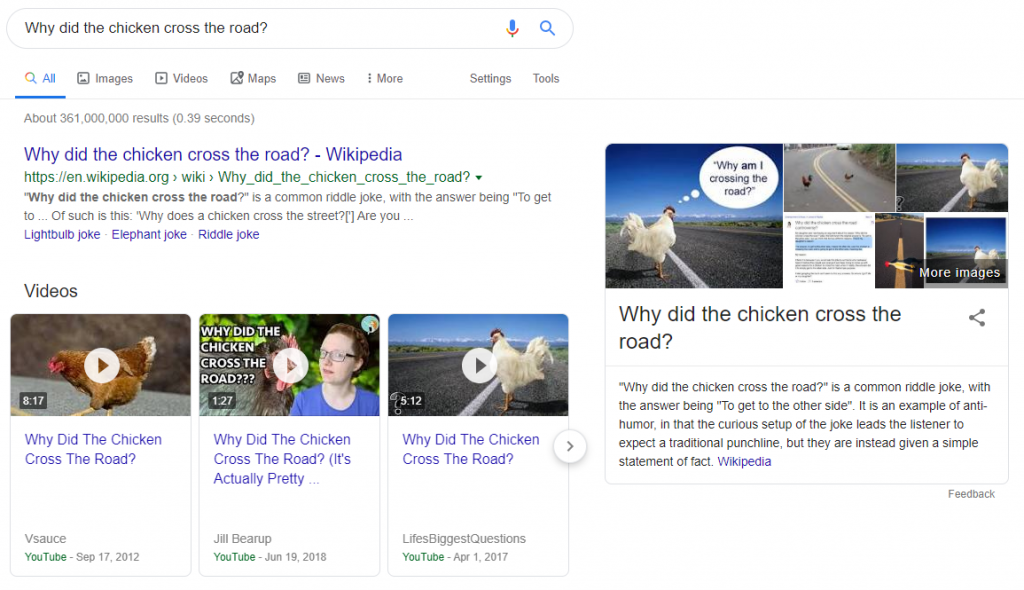
Why did the chicken cross the road? While that riddle may remain one of history’s greatest unsolved mysteries, if you were to type it into a search engine today, the results would be remarkably predictable. You wouldn’t just get a collection of random links; you would receive videos, snippets of philosophy, and perhaps even a direct answer box explaining the joke.
This isn’t magic—it is the result of "search intent." In the modern digital landscape, search engines like Google have evolved from simple keyword-matching machines into sophisticated, AI-driven entities designed to decode exactly what a user wants and, more importantly, why they want it. For businesses and content creators, mastering search intent is no longer just a "best practice"—it is the single most critical factor in achieving visibility.
1. What Is Search Intent?
At its core, search intent (or keyword intent) is the "why" behind a digital query. When a user taps a phrase into a search bar, they are attempting to solve a problem, reach a specific destination, or make a purchase.
Google’s evolution has been nothing short of revolutionary. In the early days, if you searched for "best running shoes," the algorithm looked for exact keyword matches. Today, Google utilizes advanced AI to parse context, sentiment, and user behavior to deliver results that satisfy the user’s underlying goal. In many cases, the exact search term doesn’t even need to appear on the page for it to rank at the top—because the search engine understands the intent behind the query better than the user might have articulated.
2. The Shift from Keyword Intent to AI-Driven Contextual Intent
Historically, SEO was a game of keywords. If you stuffed your page with the right terms, you could rank. Today, the game has shifted toward contextual intent. With the rise of generative AI and Large Language Models, search engines now analyze a brand’s entire digital footprint.
It is no longer enough to have a well-optimized landing page. AI systems now evaluate:
- Brand Reputation: What are other trusted sources saying about you?
- Sentiment: Is the online discourse around your brand positive or negative?
- Entities: How is your brand connected to specific topics or industries?
This transition marks the birth of "Answer Engine Optimization" (AEO). As search becomes more conversational, brands must move beyond individual pages and build a holistic, trustworthy presence across the entire web. Utilizing tools like social listening platforms allows businesses to monitor their digital footprint and ensure that the "context" surrounding their brand aligns with user expectations.
3. The Three Pillars of Search Intent
While search intent is nuanced, it is generally categorized into three distinct types, a framework first codified by researcher Andrei Broder in 2002. These categories remain the gold standard for understanding user behavior:
Informational Intent
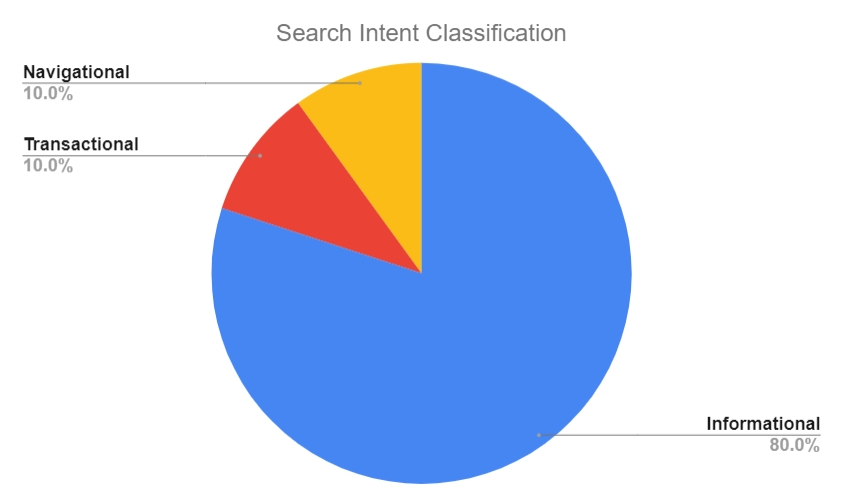
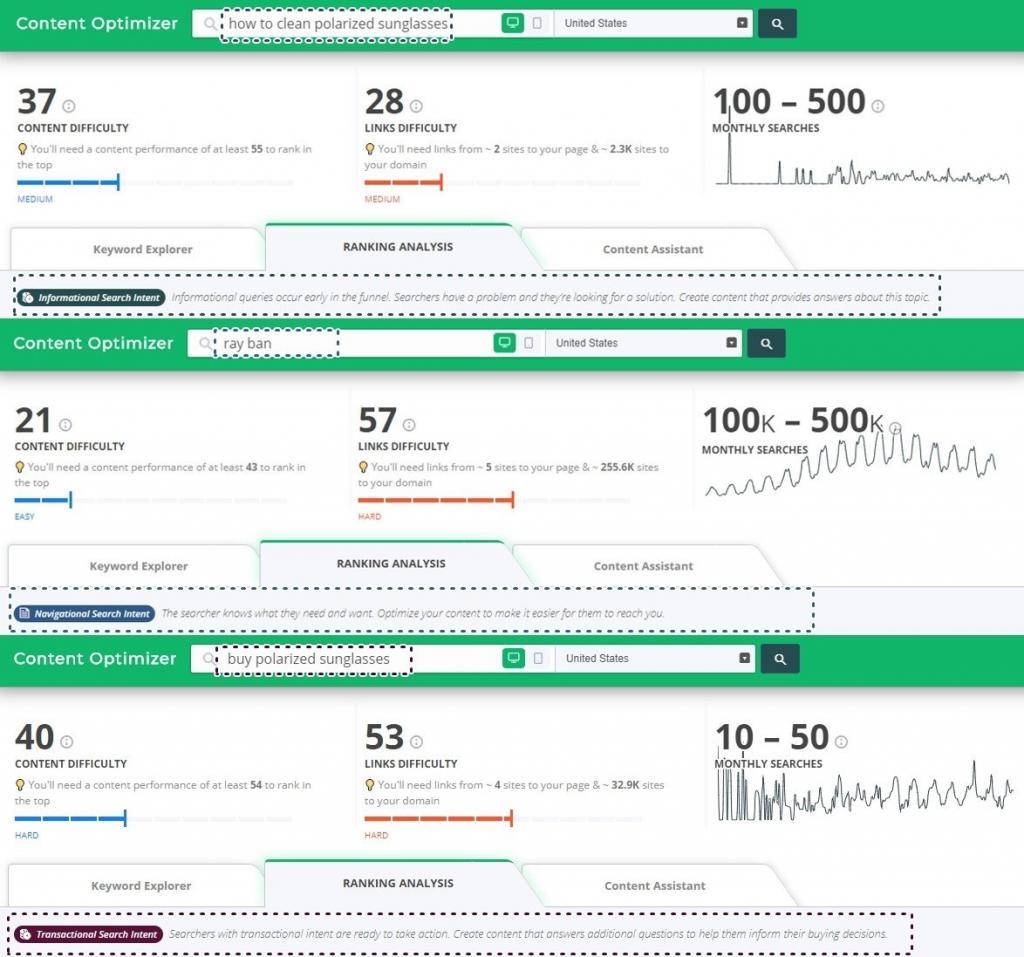
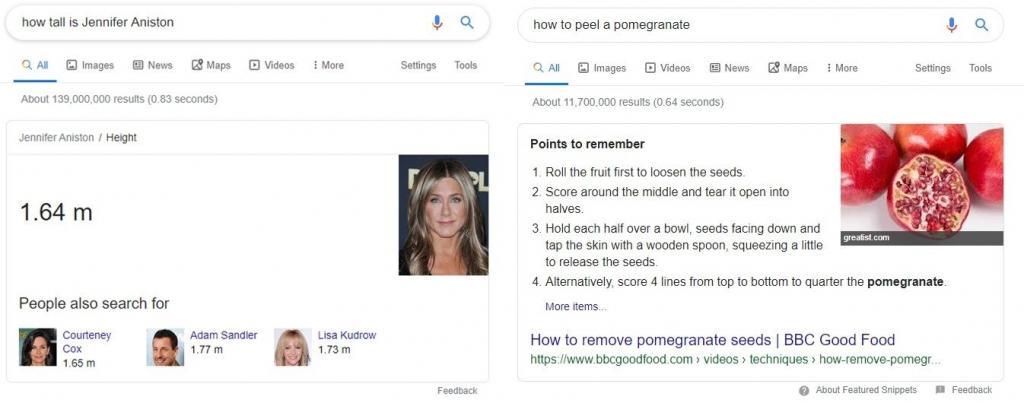
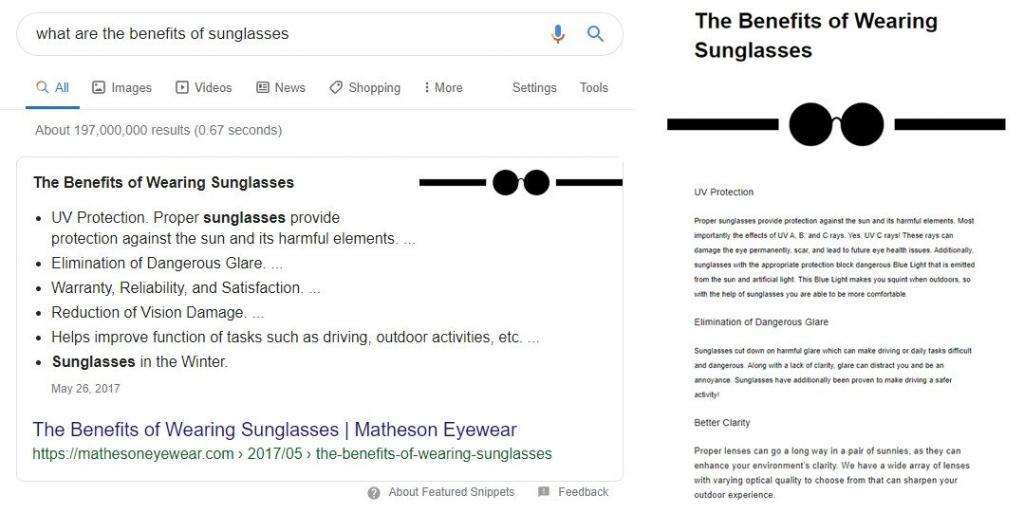
These are queries where the user wants to learn something. Examples include "how to peel a pomegranate" or "benefits of sunglasses." Research indicates that nearly 80% of all searches are informational. These users are in the "awareness" stage and are not necessarily ready to buy, but they are prime candidates for building brand authority.
Navigational Intent
In this scenario, the user knows exactly where they want to go. They type "Facebook login" or "Amazon" because it is often faster than typing a full URL. While it is difficult to rank for a competitor’s brand name, businesses must ensure they dominate the results for their own brand to prevent traffic leakage.
Transactional Intent
These are the high-value queries. The user is ready to pull out their credit card. They are looking for terms like "buy iPhone 15" or "discount codes for running shoes." This is where the ROI of search is highest, and content here should be direct, conversion-focused, and highly accessible.
4. Optimizing for Informational Queries: The Authority Play
Informational queries are the bread and butter of content marketing. Because these queries often trigger Google’s "Featured Snippets" or "Answer Boxes," ranking for them provides a massive boost to credibility and traffic.
How to execute:
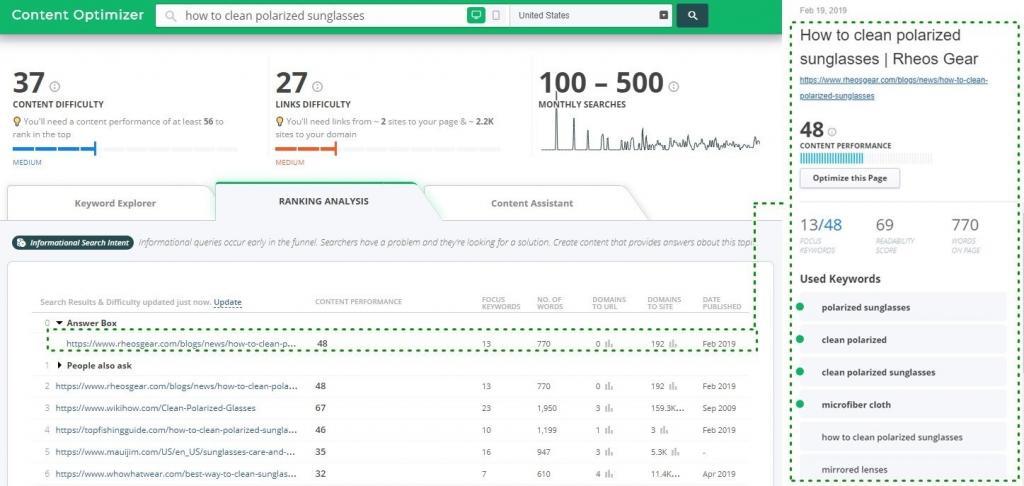
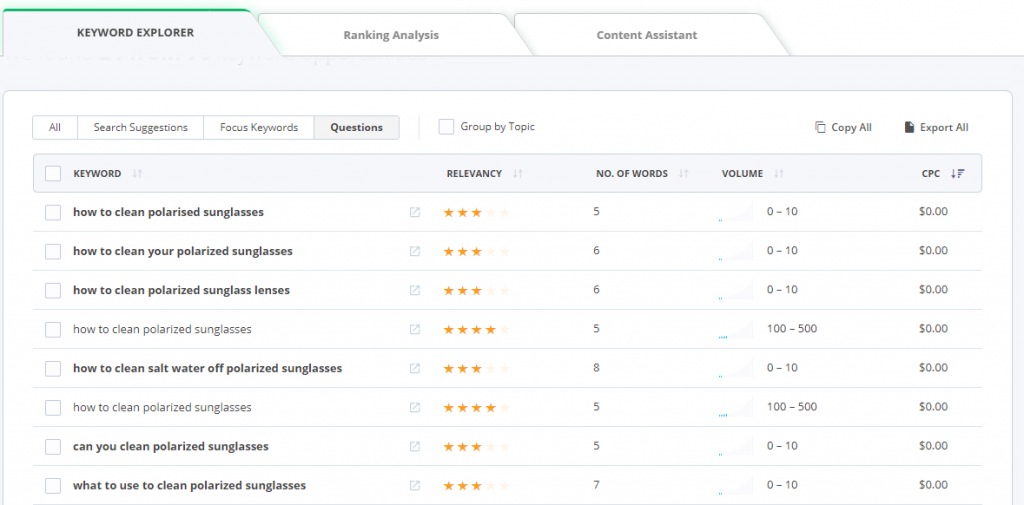
- Identify the "Question" Gap: Use keyword research tools to find what people are asking. Focus on "How," "What," and "Why" queries.
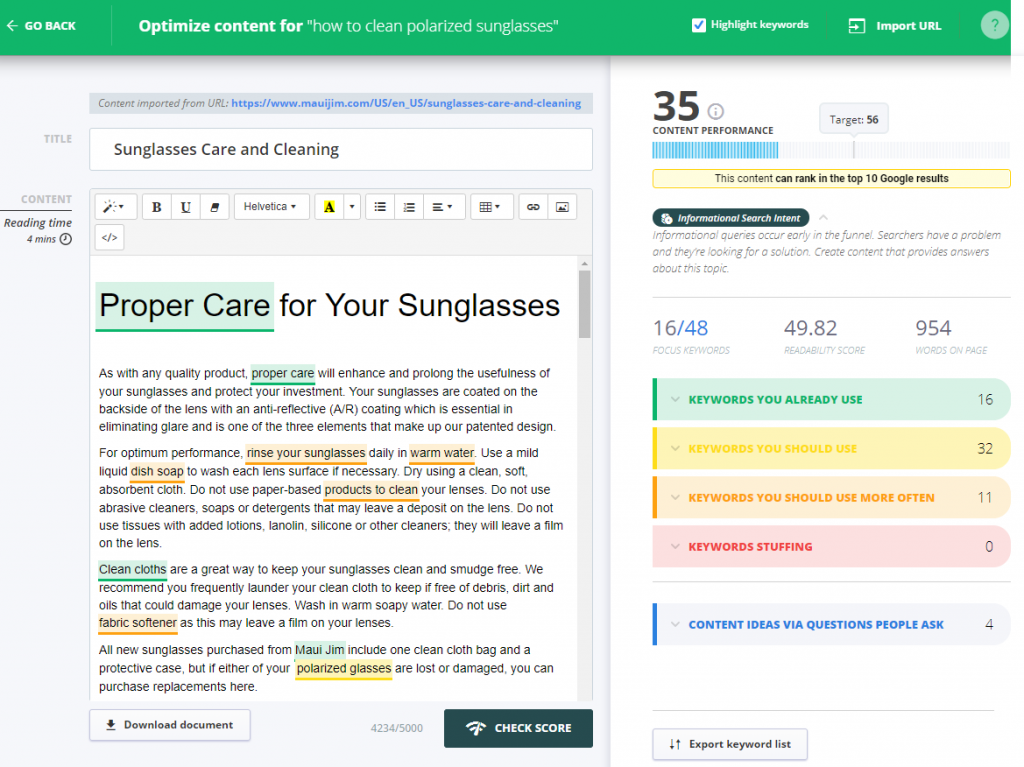
- Structure for Clarity: Use headers, bullet points, and short, concise paragraphs. Google’s algorithms favor content that can be easily parsed into a snippet.
- Become a Topical Authority: Don’t just answer one question; build a hub of content that covers an entire niche. This signals to Google that your site is the definitive source for that topic.
5. Navigating the Navigational Landscape
Navigational intent is often ignored because it seems like "low-hanging fruit." However, it is vital for brand protection. If a user searches for your brand and finds a competitor’s review or an affiliate site first, you have lost a prime conversion opportunity.
Strategic Tips:
- Own your name: Ensure your homepage, social profiles, and knowledge panels are fully optimized for your brand name.
- Monitor variations: If your brand has a common typo or a shortened nickname, optimize for those variations as well.
- Bridge the gap: Use navigational searches as an opportunity to link to your most helpful informational content, guiding users from a simple brand search into your educational ecosystem.
6. Closing the Deal: Transactional Intent Optimization
When a user has transactional intent, they are at the "bottom of the funnel." They don’t need a 2,000-word essay on the history of coffee; they need a "buy" button.
Key strategies:
- Product-Centric Landing Pages: Your pages must be clear, fast, and feature prominent calls-to-action (CTAs).
- Local SEO: If you sell physical goods or services, ensure your Google Business profile is optimized. Users searching for "where to buy" are often looking for immediate, local solutions.
- Competitor Benchmarking: Analyze the top-ranking results. What features do their checkout pages have? What pricing information are they displaying? Match the user’s expectation for a seamless buying experience.
7. The Challenge of Fluctuating Intent
Search intent is not a static constant; it is a living, breathing metric. A keyword that is primarily navigational today might shift to informational tomorrow due to a PR crisis, a news event, or a cultural shift.
For example, the term "Amazon" is usually navigational. However, during the height of the Amazon rainforest wildfires, a large percentage of searchers had informational intent—they wanted to know about the environment, not buy products. SEO professionals must remain agile. Regularly audit your target keywords to see if the "top-ranking content" has changed. If the SERP (Search Engine Results Page) is suddenly filled with news articles instead of e-commerce pages, your strategy must pivot immediately.
8. Implications: Why It Matters for Your Bottom Line
The implications of ignoring search intent are severe: high bounce rates, wasted ad spend, and a lack of organic traction. When you fail to match the intent, the search engine detects a mismatch between your content and the user’s need, causing your rankings to plummet.
The benefits of a intent-first strategy include:
- Higher Conversion Rates: By speaking directly to the user’s specific need, you remove friction from the decision-making process.
- Improved Trust: Users who find exactly what they are looking for are more likely to return, building long-term brand loyalty.
- Algorithmic Resilience: Google is increasingly punishing "content for content’s sake." By focusing on intent, you create content that is genuinely valuable, making your site more resistant to future algorithm updates.
9. Final Thoughts: The Future of Visibility
The future of search is a hybrid of human-centric content and machine-driven understanding. As AI continues to refine its ability to predict human behavior, the barrier to entry for low-quality, keyword-stuffed content will continue to rise.
To succeed, businesses must stop thinking of SEO as a technical checklist and start viewing it as a psychological exercise. Every time a user clicks on your link, you have the opportunity to solve a problem. If you can anticipate that problem before they even articulate it, you will not only win the rankings—you will win the customer.
By leveraging advanced analytics tools to track intent, performing consistent SERP analysis, and maintaining a commitment to creating value-driven content, you can position your brand at the intersection of demand and supply. The riddle of the chicken crossing the road may never be fully solved, but with the right intent-focused strategy, you can ensure that when your customers go looking for answers, they always end up on your doorstep.