By Danielle Torrie
Updated on July 9, 2026
Main Facts
Demo requests are plummeting across the B2B SaaS sector, leading to a familiar corporate friction point: sales teams loudly complain to marketing about lead volume and quality, while marketing responds by inflating budgets behind high-stakes demo ads. Predictably, the problem persists.
According to Dreamdata’s 2025 LinkedIn Ads Benchmark Report, the average B2B customer journey spans a grueling 211 days and incorporates roughly 88 touches. High-investment software decisions require time, trust, and extensive vetting. Yet, software marketing teams continually commit a foundational tactical error: treating the "Request a Demo" call-to-action (CTA) as a low-friction interaction. Asking a prospective buyer to surrender their calendar availability to a sales representative is a massive leap compared to downloading a top-of-funnel guide, joining a passive webinar, or clicking through to a standard product page.
Data compiled by Unbounce indicates that SaaS landing pages convert at a median rate of 3.8%. Meanwhile, specialized B2B media research from landing page strategist Tas Bober pegs active demo page conversion rates closer to an average of 3.1%. When companies push cold, low-intent traffic directly onto these high-commitment pages, conversion ceilings are hit almost immediately.
The core diagnostic reality facing B2B marketers today is twofold: conversion failures are rarely solved by tweaking button colors or headline copy alone; they are systemic failures of audience alignment, premature friction introduction, and poor expectation management.
Chronology
The evolution of modern SaaS landing page strategy has undergone a profound structural shift over the last decade, transitioning from closed-loop ecosystems to dynamic, multi-stage frameworks.
- The Early 2010s (The Frictionless Era): Early SaaS conversion optimization focused almost exclusively on stripping away all navigation, links, and exit points. The prevailing dogma dictated that a landing page must be an inescapable dead-end funnel where a visitor either converted or abandoned the site.
- The Mid-2020s (The Multi-Touch Realization): As B2B buying committees expanded and customer journeys grew past the 200-day mark, conversion rates on isolated demo pages steadily declined. Marketers realized that top-of-funnel (TOFU) prospects were being forced prematurely into bottom-of-funnel (BOFU) conversations they were entirely unprepared to have.
- Late 2025 (Algorithmic Shift): Google fundamentally altered its ad quality prediction model, penalizing web pages that lacked contextual search intent alignment while rewarding pages that offered helpful navigation and structured user pathways.
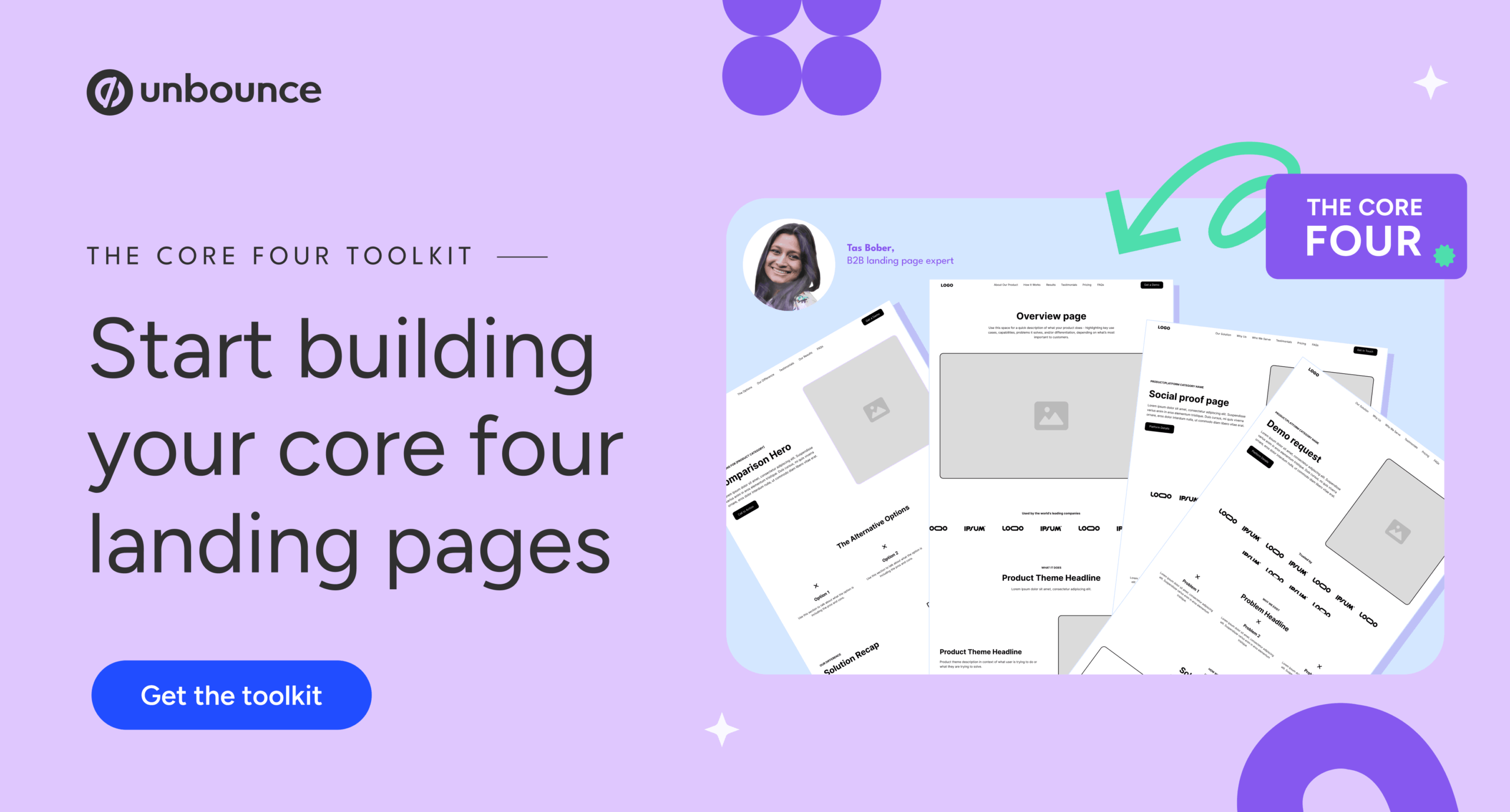
- 2026 (The "Core Four" Paradigm): Industry experts like Tas Bober formalized structured ecosystem blueprints—categorizing paid media touchpoints into four distinct types of landing pages. In this model, the demo page is no longer treated as a standalone net, but strictly as the final destination for warm, highly researched buyers who have already moved past initial education and solution discovery.
Supporting Data
Understanding the mechanics of conversion bottlenecks requires looking closely at quantitative benchmarks across the software marketing landscape.
- 211 Days / 88 Touches: The length and complexity of the average B2B customer journey, according to Dreamdata’s 2025 benchmark data.
- 3% to 5%: The estimated portion of a total addressable market (TAM) that is actively in a buying cycle at any given time (Sopro data).
- 3.8% Median / 3.1% Real-World: Unbounce’s conversion benchmark data shows a median SaaS landing page conversion rate of 3.8%, while Bober’s active performance audits indicate real-world demo page conversions hover around 3.1%.
- The Form-Field Drop-Off: Digital Applied’s 2026 conversion benchmarks highlight a sharp degradation in user action based on form length:
- 5 Fields: ~17% conversion rate.
- 7 Fields: ~11% conversion rate.
- 10+ Fields: Under 7% conversion rate.
- Alternative CTA Performance: When workflow software provider FORM swapped its static "Request a Demo" button for "Take a Tour" and embedded interactive product previews, its pay-per-click (PPC) conversions rose by 33%, while cost-per-lead (CPL) in account-based marketing (ABM) campaigns plummeted by nearly 50%.
Official Responses and Expert Insights
Industry leaders emphasize that fixing conversion rates requires shifting the organizational mindset away from forced metrics and toward buyer readiness.
"Getting a buyer to submit a demo request form means asking them to raise their hand, share their information, and enter a sales conversation," notes Danielle Torrie of Unbounce’s content team. "That’s why buyers need to feel confident your solution belongs on their shortlist before they’ll submit the form."
According to landing page expert Tas Bober, the mistake lies in how marketing teams manage ad spend. "If you’re sending cold traffic to a demo page, even a well-built page will eventually hit a performance ceiling. You can improve the headline, form, proof, and CTA, but you can’t optimize your way around the fact that most visitors aren’t ready to talk to sales yet."

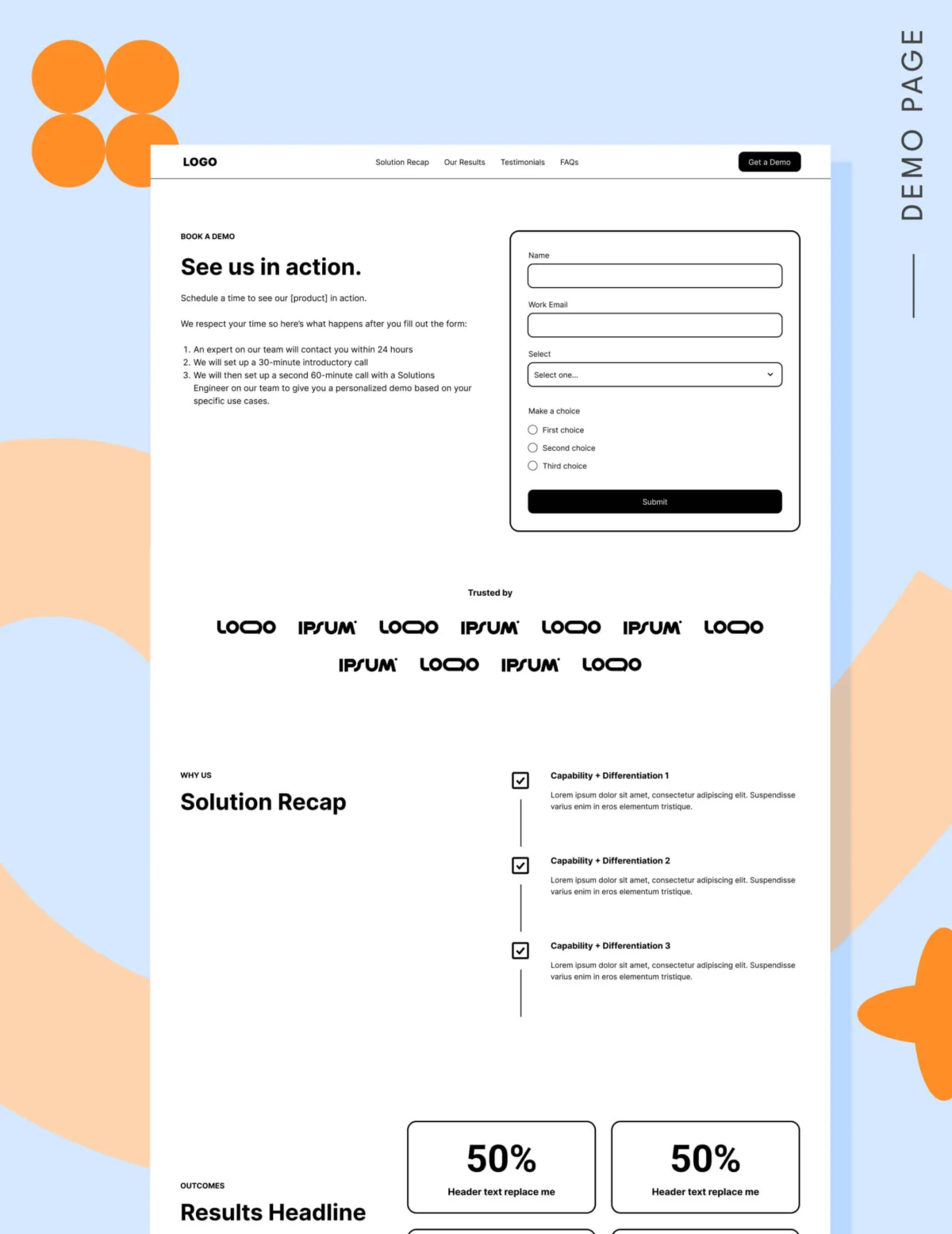
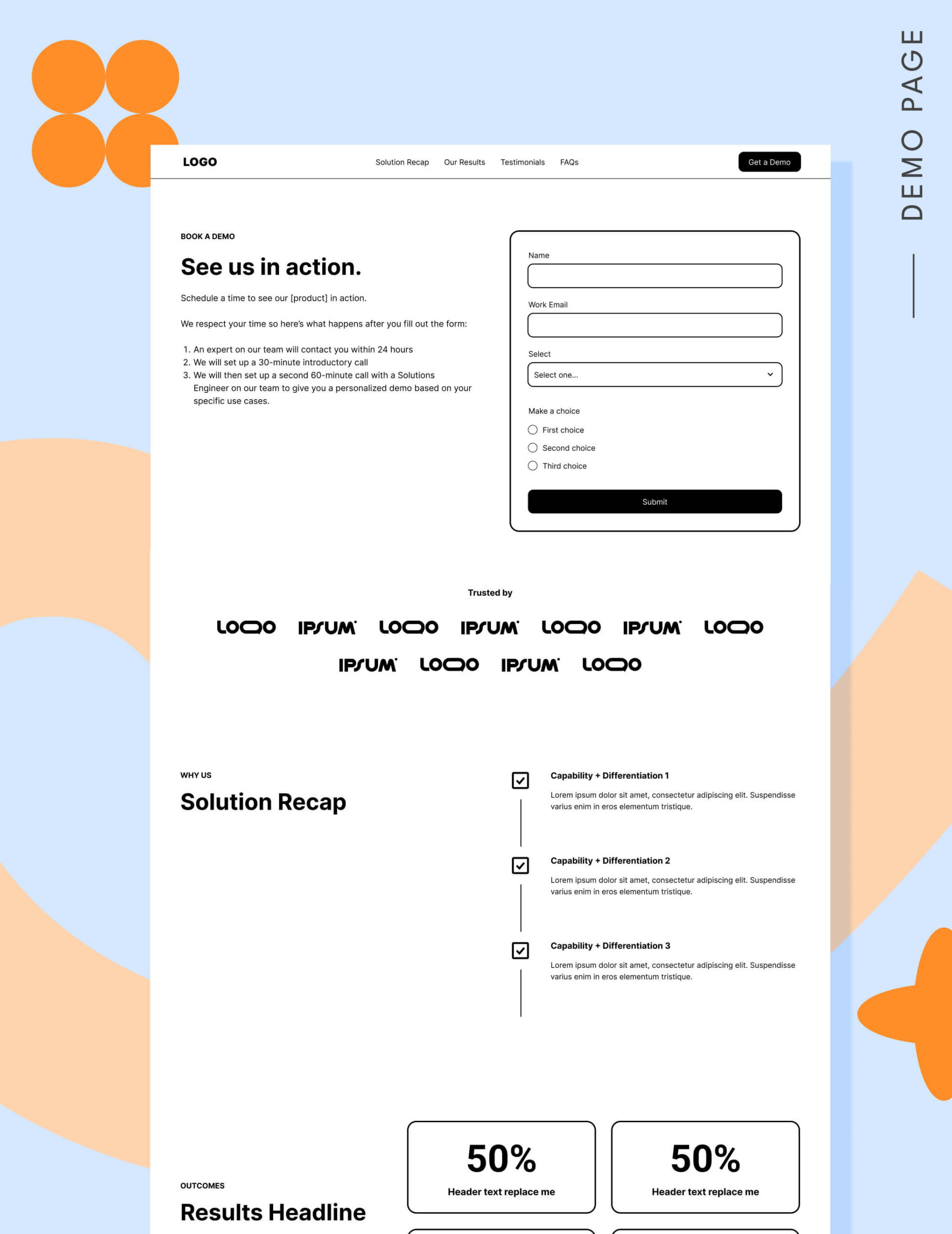
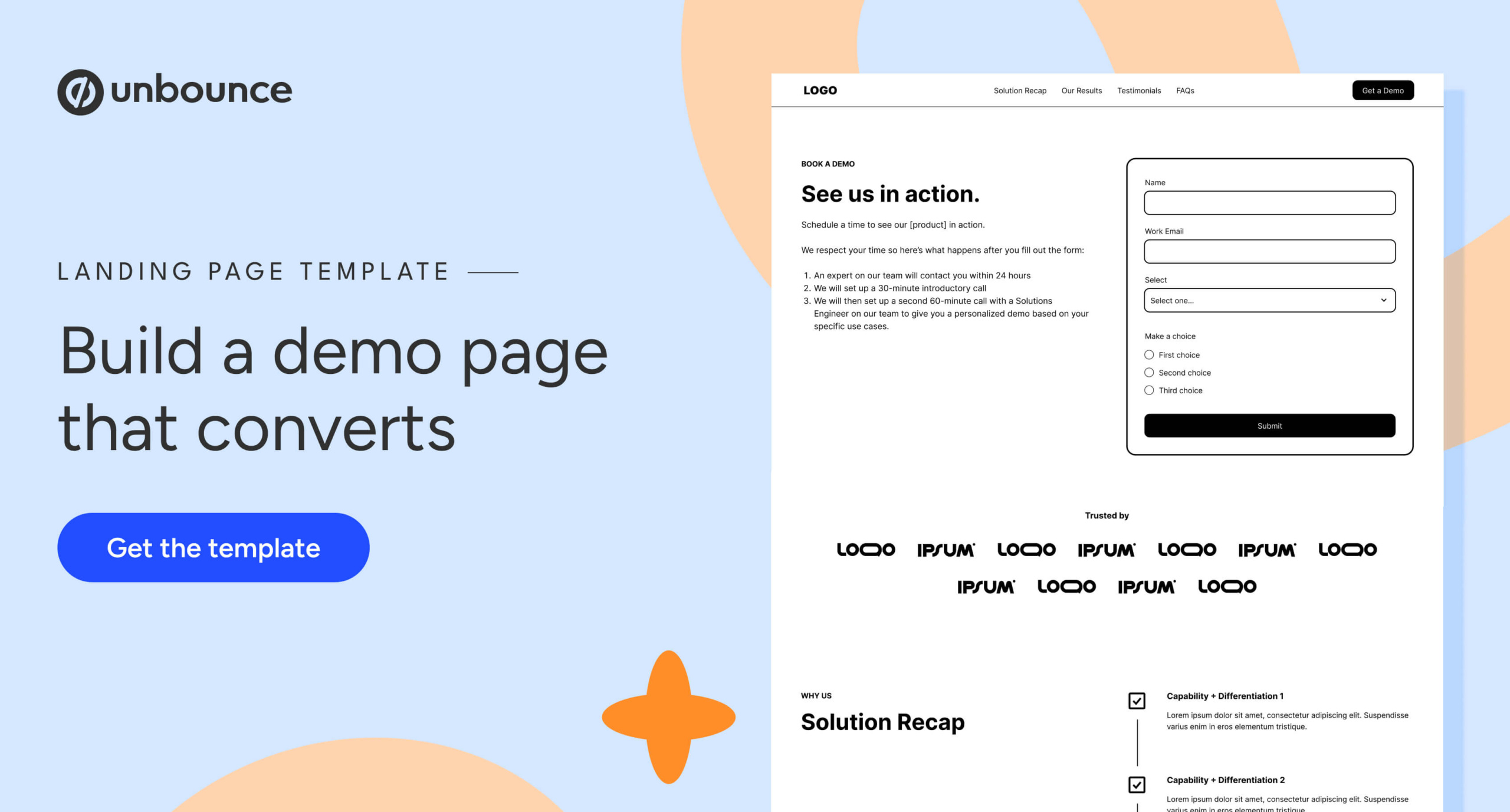
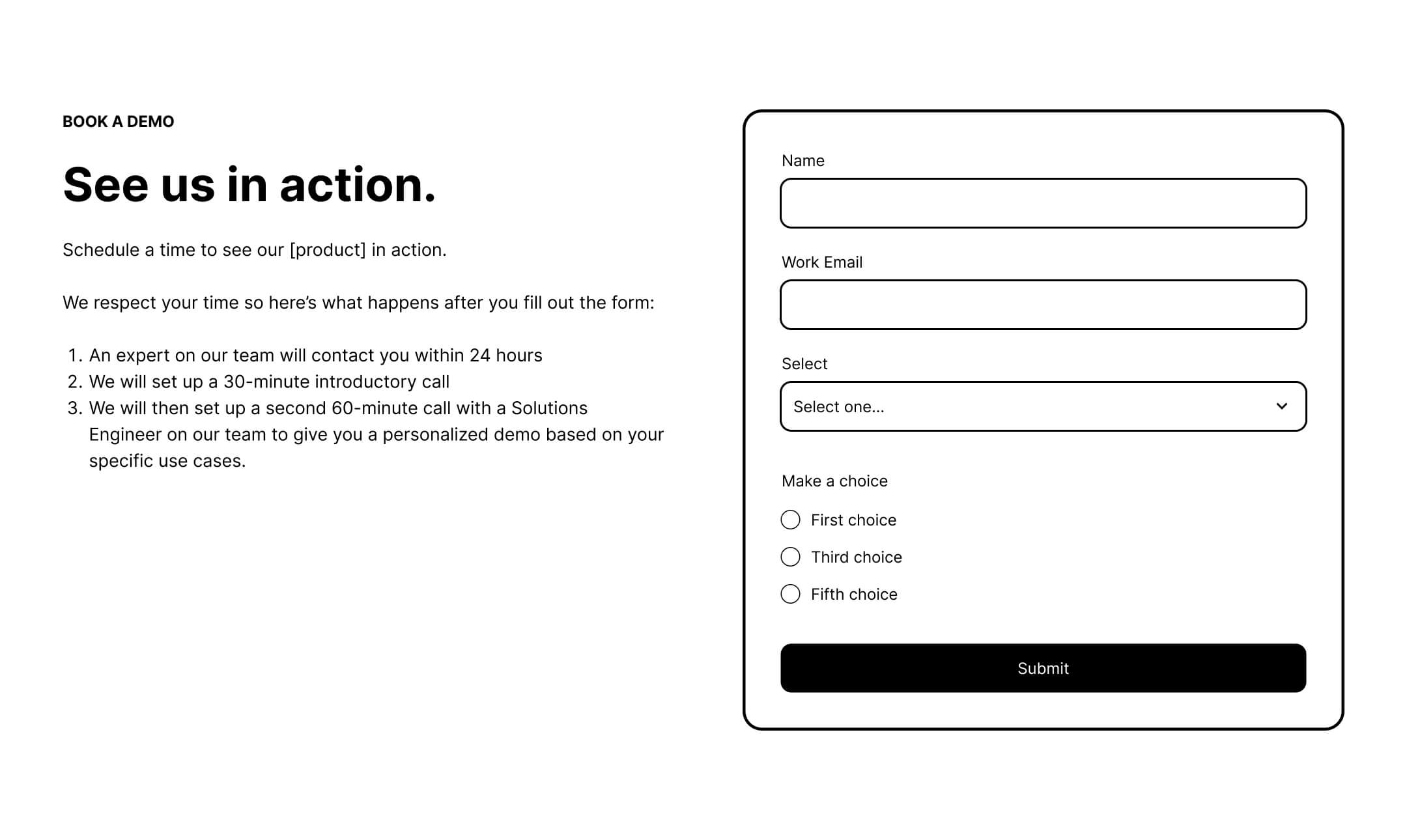
When designing the optimal demo environment, experts argue that transparency builds velocity. By addressing post-form anxiety—such as explicitly stating whether a prospect will be immediately ambushed by sales calls—conversion friction drops significantly.
Implications
The structural misalignment between marketing strategies and buyer realities carries severe operational implications for SaaS businesses.
1. The Death of the Cold Demo Ad
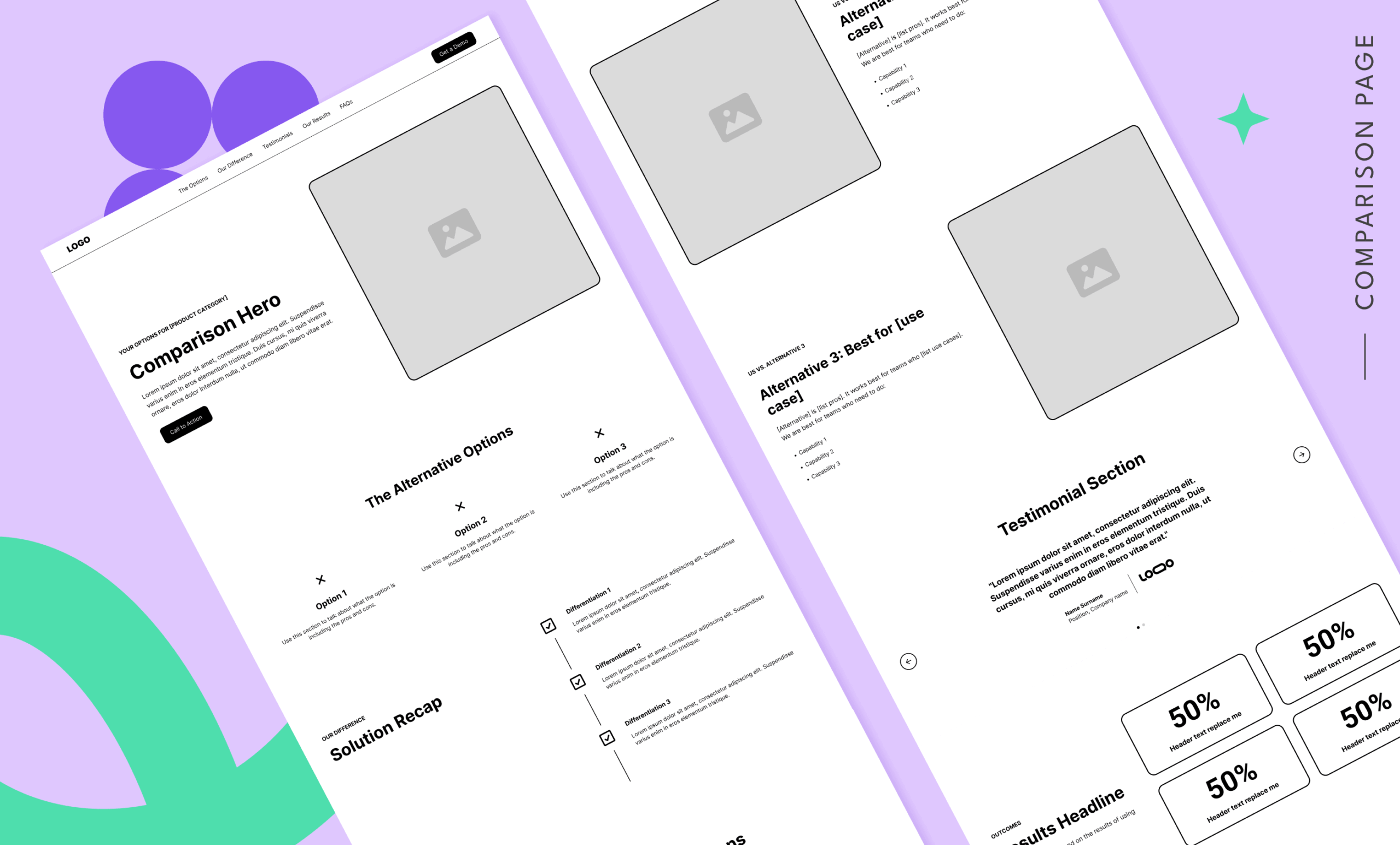
Continuing to pump paid media budgets into broad-targeting demo campaigns is an exercise in capital destruction. When companies treat demo pages as catch-alls for top-of-funnel discovery, they alienate the 95% of the market that is merely researching. Marketing teams must adopt structured funnel frameworks—guiding prospects through awareness, comparison, and consideration pages before introducing the demo invitation.
2. The Mandate for Radical Transparency (Including Pricing)
The traditional sales-led reflex to hide pricing behind a "Contact Us" wall is increasingly backfiring. Modern enterprise buyers want to self-qualify. Failing to provide a baseline pricing range, starting tiers, or transparent product expectations on the demo page forces prospective buyers to look elsewhere for validation, increasing bounce rates and degrading lead quality.
3. Redefining Sales and Marketing Alignment
True pipeline optimization requires an operational truce between sales and marketing. Marketing cannot effectively communicate "what happens next" on a landing page if sales operations are unpredictable. Establishing clear SLAs regarding follow-up speeds, consultation phases versus direct product walk-throughs, and qualification criteria will ultimately dictate whether a high-intent buyer clicks submit or closes the tab.