







Introduction: The Evolution of WordPress Site Building
In the vast ecosystem of content management systems, WordPress continues to hold a dominant position, powering a significant percentage of the global internet. Within this ecosystem, the choice of a theme acts as the foundational cornerstone for web design, performance, and user experience. Over the years, the community has seen a dramatic shift away from bloated, multi-purpose monoliths toward lightweight, highly customizable, and performance-driven frameworks.
At the forefront of this modern movement is the Kadence Theme. Boasting an impressive milestone of over 500,000 active installations on the official WordPress repository, Kadence has cemented its reputation as a go-to solution for developers, agencies, and entrepreneurs alike. Offering a free core version backed by robust commercial upgrades and extensions, this theme strikes a delicate balance between ease of use for beginners and advanced extensibility for professionals.
This comprehensive report explores the core features, architectural philosophy, community footprint, and broader industry implications of the Kadence Theme, examining how it has reshaped modern WordPress development.
Main Facts: What is the Kadence Theme?
At its core, the Kadence Theme is engineered as a lightweight, full-featured WordPress framework designed to facilitate the creation of fast-loading, visually stunning, and highly accessible websites. Unlike traditional themes that rely heavily on third-party page builders to achieve complex layouts, Kadence integrates deeply with the native WordPress block editor (Gutenberg), empowering users to build sophisticated pages without sacrificing site speed.
Key Architectural Highlights
- Freemium Business Model: The theme is available for free in the official WordPress repository, with optional paid commercial upgrades that unlock advanced header/footer features, premium header add-ons, shop kits for e-commerce, and dedicated professional support.
- Lightweight Performance: Built with clean, optimized code, Kadence ensures minimal HTTP requests and small page sizes, contributing directly to high Core Web Vitals scores—a critical factor for Search Engine Optimization (SEO).
- Drag-and-Drop Builder Integration: It features an intuitive, user-friendly drag-and-drop header and footer builder that allows site administrators to construct custom navigational layouts in a matter of minutes.
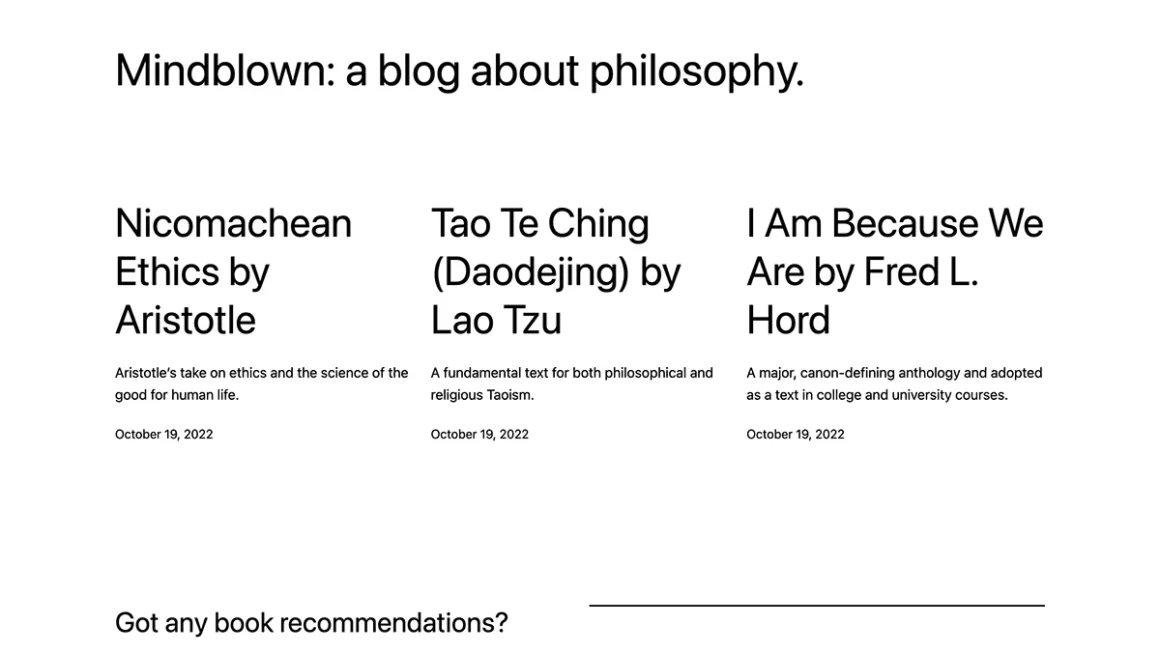
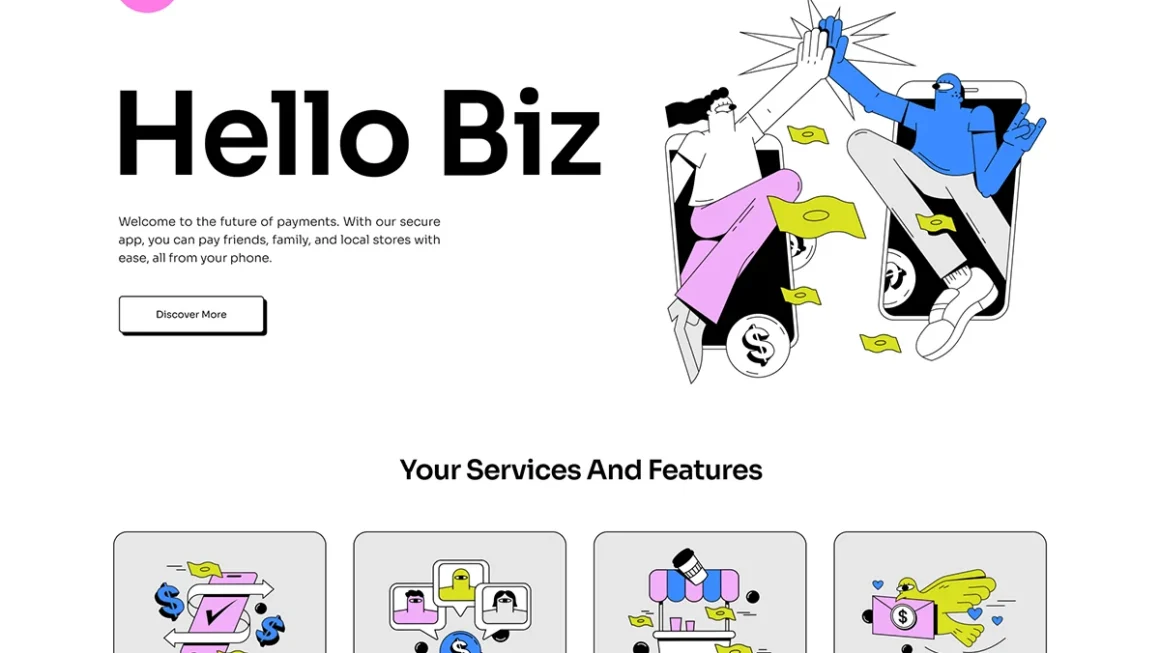
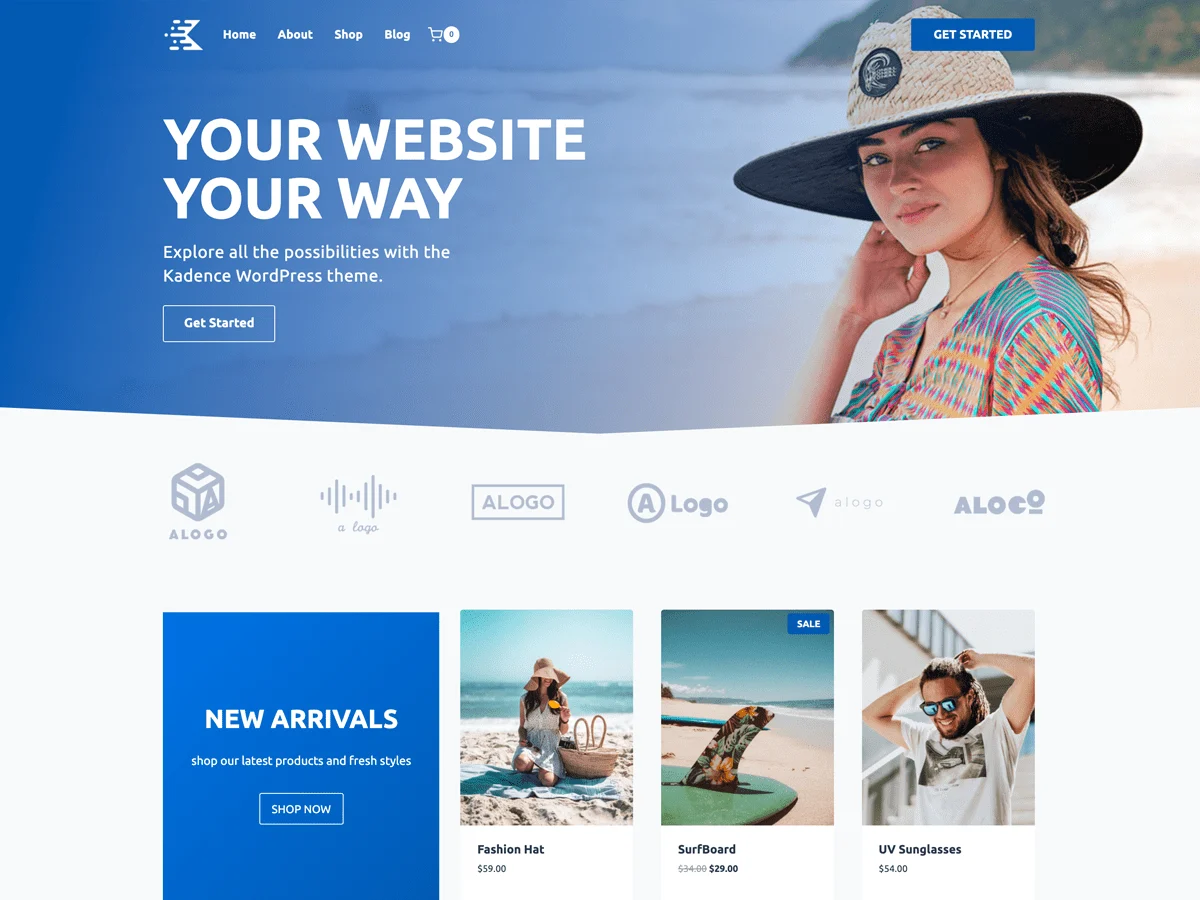
- Starter Template Library: Users gain access to a rich repository of professionally designed starter templates tailored for various industries, which can be deployed instantly and customized using intelligent global controls.
Chronology: The Journey to 500,000 Active Installations
While the exact launch date of the initial iteration can be traced back through the WordPress theme directory updates, the trajectory of Kadence from a niche contender to a mainstream heavyweight is a testament to targeted product-market fit.
Phase 1: Identifying the Performance Gap
In the early days of the Gutenberg block editor, many theme developers struggled to bridge the gap between legacy page-builder workflows and the new native WordPress editing experience. Kadence emerged by recognizing that modern web creators wanted speed, modularity, and design flexibility without the overhead of heavy JavaScript frameworks.
Phase 2: Rapid Adoption and Feature Expansion
As word spread within developer communities and WordPress Facebook groups, adoption accelerated. The developers continually rolled out updates focusing on accessibility, RTL (Right-to-Left) language support, and deep integrations with third-party plugins like WooCommerce, LearnDash, and LifterLMS. Crossing the milestone of 500,000 active installations marked its transition from an alternative choice to an industry-standard ecosystem.
Phase 3: Commercial Maturation
To sustain ongoing development and enterprise-grade support, the creators introduced a tiered commercial ecosystem. This strategy allowed them to maintain a powerful free version while providing advanced tools—such as custom hooks, advanced typography controls, and specialized e-commerce functionalities—for agencies and high-volume web developers.
Supporting Data: Features, Capabilities, and Global Reach
A quantitative look at the Kadence Theme reveals why it appeals to such a broad demographic of users, ranging from hobby bloggers to enterprise-level digital agencies.
Comprehensive Feature Matrix
The theme’s extensive tagging in the WordPress repository highlights its versatility:

- Accessibility Ready: Designed to comply with modern web accessibility standards, ensuring sites are usable by individuals with diverse disabilities.
- Design Flexibility: Offers custom background capabilities, custom color palettes, custom logo integrations, and flexible menu positioning (including left and right sidebar layouts).
- E-Commerce Readiness: Features native and extended hooks for online stores, making it a favorite for WooCommerce deployments.
- Typography and Layout Controls: Integrates intelligent global font management alongside full-width templates, wide block support, and editor styles that mirror the front-end design.
Global Localization and Translation Ready
One of the most remarkable aspects of Kadence is its international footprint. The theme has been localized into dozens of languages, ensuring that non-English speaking creators can leverage its power seamlessly. A partial list of supported language packages includes:
- Arabic (
ar) - Bulgarian (
bg) - Catalan (
caandca-val) - Czech (
cs) - Danish (
da) - German (
de) - Spanish variants (Standard Spanish, Chilean Spanish, Colombian Spanish, Ecuadorian Spanish, Mexican Spanish, and Venezuelan Spanish)
- Persian variants (
faandfa-af) - Finnish (
fi), French (fr), and Galician (gl) - Italian (
it), Japanese (ja), and Lao (lo) - Dutch (
nl), Polish (pl), and Brazilian Portuguese (pt-br) - Russian (
ru), Slovak (sk), Serbian (sr), Turkish (tr), Ukrainian (uk), and Simplified Chinese (zh-cn)
This expansive translation network underscores the global appeal of the framework and the active engagement of the open-source localization community.
Official Support and Community Engagement
An open-source or freemium tool is only as strong as its support network. Kadence has built a robust infrastructure for troubleshooting, user feedback, and quality assurance.
Support Infrastructure
Users seeking assistance or looking to contribute to the discussion can access several official channels:
- Support Forums: Maintained actively on WordPress.org, providing a public repository of resolved tickets, troubleshooting steps, and community-driven advice.
- Reporting Systems: A dedicated reporting pipeline allows users to flag major bugs, security vulnerabilities, or compatibility issues directly to the development teams via the Make WordPress Themes infrastructure.
- Translation Portals: Through translate.wordpress.org, multilingual volunteers continuously update and refine language packs, ensuring parity with core software updates.
Implications: What Kadence Means for the Future of WordPress Development
The success of the Kadence Theme carries significant implications for the broader web design and WordPress development industry.
1. The Decline of Bloated Multipurpose Themes
For years, the WordPress market was saturated with "Swiss Army knife" themes that packed hundreds of unused features, shortcodes, and heavy frameworks into a single package, often resulting in sluggish load times. Kadence proved that users prefer a modular, lightweight foundation paired with intelligent global controls. Its rise has forced competitors to re-evaluate their performance metrics and pivot toward block-based, speed-optimized architectures.
2. Empowering the Gutenberg Ecosystem
While page builders like Elementor and Divi still command massive market shares, Kadence demonstrates that the native WordPress block editor (Gutenberg) is fully capable of handling complex enterprise and e-commerce websites. By providing advanced container blocks, layout controls, and intuitive header/footer builders that interface natively with Gutenberg, Kadence has played a pivotal role in validating the Gutenberg block-first approach.
3. Democratization of High-End Web Design
With its extensive library of starter templates and global design controls, non-technical entrepreneurs can launch professional-grade websites in hours rather than weeks. This democratization lowers the barrier to entry for small businesses looking to establish a robust digital footprint without investing heavily in custom bespoke development.
Conclusion
The Kadence Theme’s ascent to over half a million active installations is no accident. Through a combination of uncompromising performance, thoughtful feature integration, robust international localization, and a balanced freemium business model, it has carved out a permanent place in the modern WordPress landscape.
As web standards continue to evolve—with an ever-increasing emphasis on mobile responsiveness, accessibility, and lightning-fast load speeds—frameworks like Kadence point the way forward. Whether you are building a simple personal blog, a high-traffic e-commerce storefront, or a comprehensive online learning portal, Kadence provides the agility, speed, and design freedom required to succeed in today’s competitive digital environment.