
Main Facts
OnePlus is reportedly expanding its smartphone lineup with a powerful new device tentatively referred to as the Turbo Pro. Following the successful release of the OnePlus Turbo 6 in China and its global counterpart, the OnePlus Nord 6, the brand is setting its sights on delivering an uncompromising performance-focused powerhouse. According to recent details leaked by prominent tipster Digital Chat Station on the Chinese social media platform Weibo, the upcoming Turbo Pro is scheduled to launch toward the end of the year.
The leaked specifications suggest that the OnePlus Turbo Pro will boast jaw-dropping hardware capabilities, particularly in the display, battery, and camera departments. Among its standout features is a massive battery capacity ranging between 9,000 mAh and 10,000 mAh, an unprecedented scale for a mainstream slab smartphone that could radically redefine mobile endurance standards. Furthermore, the device is tipped to sport a large 6.78-inch flat 1.5K display operating at an ultra-smooth 185Hz refresh rate, alongside a 200-megapixel main camera sensor designed to capture exceptionally detailed photographs.
Under the hood, the Turbo Pro is expected to run on an unannounced 3nm Qualcomm chipset carrying the model number SM8845 Pro. While Qualcomm has not yet officially unveiled this processor, industry insiders speculate it will be marketed under a moniker such as the Snapdragon 8 Gen 6 or Snapdragon 8 Gen 5 Pro. To manage the thermal output of such high-end hardware—especially when driven by intensive applications and gaming—OnePlus is also reportedly developing an external cooling fan accessory, designed to clip onto the phone via a specialized case.
Chronology of the OnePlus "Turbo" and "Nord" Series
To understand the strategic placement of the rumored Turbo Pro, it is essential to look back at the trajectory of OnePlus’s mid-to-high-tier device roadmap over the past year:

- January: OnePlus officially launches the Turbo 6 in the Chinese domestic market, positioning it as a performance-driven device with balanced pricing and high-end core specifications.
- April: Capitalizing on the domestic success of the Turbo 6, OnePlus adapts the device for international markets, rebranding and launching it globally as the OnePlus Nord 6. This established a precedent of the "Turbo" branding serving as a blueprint for wider regional releases.
- Mid-Year: Rumors begin circulating across supply chains and tipster circles regarding a more powerful variant within the family, designated internally as the Turbo Pro.
- Recent Weeks: Digital Chat Station publishes a comprehensive specifications leak regarding the Turbo Pro on Weibo. Shortly after the post gains traction across tech publications, the original text is mysteriously edited to a generic "good morning" message—a classic indicator of pressure from manufacturing brands attempting to suppress premature leaks.
- Late Year (Projected): Industry analysts anticipate the official announcement and commercial release of the Turbo Pro in China, with potential global rebranding (possibly as a Nord or a distinct flagship-killer tier) expected to follow in early 2027.
Supporting Data and Hardware Comparison
The leaked specifications of the OnePlus Turbo Pro place it in a fascinating cross-section of the mobile market, sharing several DNA traits with OnePlus’s recently unveiled flagship, the OnePlus 16, while carving out its own distinct identity.
Specification Breakdown: OnePlus Turbo Pro vs. OnePlus 16
| Hardware Component | OnePlus Turbo Pro (Leaked) | OnePlus 16 (Official) |
|---|---|---|
| Display Size & Type | 6.78-inch flat 1.5K | 6.78-inch flat 1.5K |
| Refresh Rate | 185Hz | 185Hz |
| Main Camera | 200 MP (Large Sensor) | 200 MP |
| Battery Capacity | 9,000 mAh – 10,000 mAh (Estimated) | Standard Flagship Capacity |
| Processor Chipset | Qualcomm SM8845 Pro (Unannounced) | Qualcomm Snapdragon 8 Elite Extreme Gen 6 |
| Cooling Solution | Optional external fan accessory via case | Standard Internal Vapor Chamber |
The striking similarities in screen dimensions, visual fidelity (1.5K resolution), ultra-high 185Hz refresh rate, and the high-resolution 200-megapixel primary camera indicate that OnePlus is standardizing its top-tier visual and optical hardware across multiple tiers of its ecosystem.
The primary divergence lies in the silicon. While the flagship OnePlus 16 relies on the ultra-powerful Snapdragon 8 Elite Extreme Gen 6, the Turbo Pro opts for the upcoming SM8845 Pro. According to concurrent leaks tracking the iQOO Z12 Turbo—which is also rumored to utilize the SM8845 Pro—this chipset bridges the gap between traditional flagship processors and sub-flagship performance platforms, ensuring elite processing speeds without pushing the final retail price into prohibitive territories.
Additionally, market pricing for the current generation reveals the financial ecosystem surrounding OnePlus devices. For instance, the OnePlus Nord 6 currently retails through various global online partners with distinct regional pricing structures:
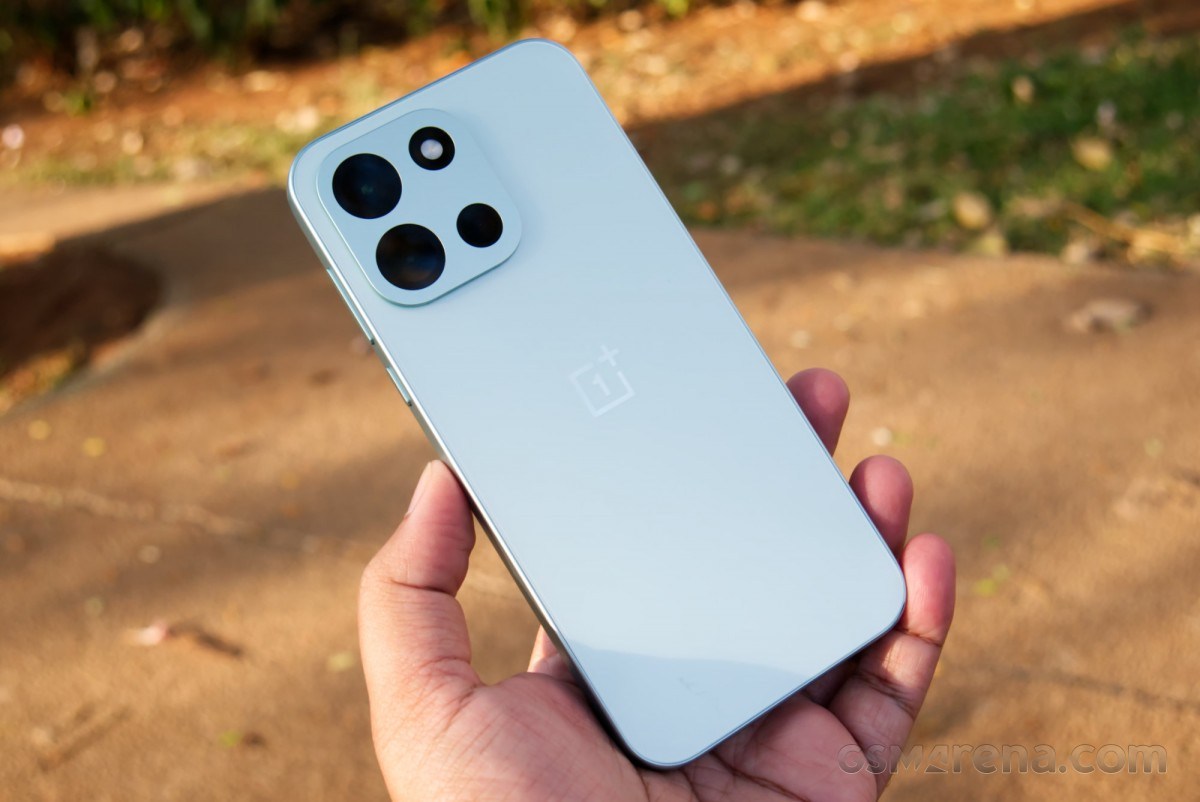
- 512GB / 12GB RAM Configuration: Priced around $1,015.00 in US markets via Amazon partners, and approximately £469.00 in the UK.
- 256GB / 8GB RAM Configuration: Available in the UK for roughly £384.99, and across European markets starting at approximately €354.90.
These figures illustrate OnePlus’s aggressive global pricing strategy, suggesting that any future derivative of the Turbo Pro will likely aim to deliver high-end specifications at a highly competitive valuation relative to traditional tier-one flagships.
Official Responses and Industry Reaction
As is customary with high-profile pre-release leaks involving major consumer electronics manufacturers, official channels from OnePlus have maintained a strict silence regarding the existence of the Turbo Pro.
The behavior of the leak’s primary source, Digital Chat Station, speaks volumes about the sensitivity of the information. The rapid editing of the original Weibo post to a benign greeting is a textbook manifestation of corporate compliance pressure. Major smartphone manufacturers maintain rigorous non-disclosure agreements with supply chain partners, prototype testers, and component manufacturers. When specific details—such as battery capacities scaling up to an astonishing 10,000 mAh or exact model numbers like the SM8845 Pro—escape into the public domain months ahead of a scheduled launch, brands frequently leverage legal and relational pressure to force retractions or sanitization of social media posts.
Despite the lack of an official confirmation, independent tech journalists and hardware analysts have aggressively tracked the story. Outlets like Android Authority and hardware trackers have cross-referenced the SM8845 Pro leaks with concurrent rumors surrounding competing brands like iQOO, confirming that Qualcomm’s upcoming silicon architecture is indeed moving rapidly through the prototyping phase. The consensus within the tech community is that battery technology is undergoing a quiet revolution, transitioning from standard 5,000 mAh configurations toward high-density silicon-carbon cells that make capacities upwards of 9,000 mAh feasible without creating an excessively bulky or heavy chassis.

Implications for the Mobile Market
The emergence of the OnePlus Turbo Pro—and its leaked feature set—carries significant implications for the broader smartphone industry, signaling several emerging trends in design, performance, and user expectations.
1. The Death of Standard Battery Anxiety
For years, smartphone manufacturers have plateaued around the 4,500 mAh to 5,000 mAh battery threshold, prioritizing thinness and lightweight ergonomics over raw endurance. If OnePlus successfully integrates a 9,000 mAh to 10,000 mAh battery into a device with a 6.78-inch form factor, it will establish a new benchmark for device longevity. Users could realistically expect two to three days of heavy usage on a single charge, fundamentally altering how consumers evaluate mobile utility, particularly for mobile gaming, content consumption, and field work.
2. Mainstreaming of Ultra-High Refresh Rates
While 120Hz has long been the gold standard for flagship smartphones, and 144Hz has occasionally appeared in niche gaming devices, the deployment of a 185Hz refresh rate across both the OnePlus 16 and the rumored Turbo Pro demonstrates a massive leap in panel capabilities. This ultra-fast refresh rate promises near-zero motion blur, hyper-responsive touch sampling, and butter-smooth UI transitions, pushing the boundaries of what mobile operating systems can visually express.
3. The Modular Cooling Renaissance
The inclusion of an external cooling fan accessory—presumably attaching through a customized case—highlights the ongoing struggle to manage thermal dissipation in thin mobile chassis. As mobile processors become increasingly capable of sustaining console-grade gaming and complex AI processing, internal vapor chambers alone are sometimes insufficient. By offering an attachable active cooling solution, OnePlus may be pioneering a modular accessory ecosystem that appeals heavily to mobile gamers and power users who demand sustained peak performance without thermal throttling.

4. Global Availability Uncertainty
One of the primary questions remaining is whether the Turbo Pro will remain an exclusive offering for the Chinese market, or if it will follow in the footsteps of the Turbo 6 by receiving an international rebrand as part of the Nord or main flagship lines. Given the strong global demand for high-performance, cost-effective alternatives to traditional $1,200+ flagships, an international rollout of the Turbo Pro could present a major disruptive force in North American, European, and South Asian markets.
As the end of the year approaches, tech enthusiasts and industry watchers will be keeping a close eye on regulatory filings, certification databases, and subsequent supply chain leaks to see when OnePlus officially pulls the curtain back on its most ambitious performance-tier smartphone yet.