









WASHINGTON — In the modern digital economy, reliance on a single corporate intermediary for livelihood has increasingly become a precarious bet for independent workers. As platform fees fluctuate, competition saturates traditional marketplaces, and sudden algorithmic shifts disrupt revenue streams, the gospel of income diversification is no longer just prudent advice—it is an economic imperative for survival.
While giants like Upwork continue to command a dominant market share in the global freelance ecosystem, a growing counter-movement among independent professionals highlights the necessity of multi-channel sourcing. For millions of writers, developers, designers, and consultants, looking beyond the conventional marketplace model is the defining operational shift of the current decade.

Main Facts: The Structural Shift Away from Monolithic Marketplaces
The contemporary freelance landscape is undergoing a quiet structural evolution. Driven by rising commission structures—often ranging from 5% to 20%—and heightened saturation in generalist talent pools, independent professionals are actively seeking out niche talent networks, curated remote job boards, and international hiring hubs.
The core motivation is risk mitigation. When platform policies change overnight, workers dependent on a single dashboard face immediate financial vulnerability. Consequently, a hybrid approach—retaining established accounts while planting flags on alternative networks—has emerged as the gold standard for career stability.

Industry analysts note that while general marketplaces remain heavily transactional, the broader ecosystem of remote work has splintered into specialized sub-sectors. These include boutique talent networks with rigorous vetting processes, aggregators that scrape global job feeds, and regional platforms tailored to specific geographic labor pools.
Chronology: The Evolution of Remote Work and Talent Marketplaces
- The Early 2010s: The rise of early remote job boards and consolidated freelancing platforms democratized location-independent labor, shifting the paradigm from local contracting to global digital sourcing.
- The Mid-to-Late 2010s: Consolidation peaked as major legacy platforms merged and scaled, introducing stricter fee structures, automated dispute resolutions, and tiered membership models that increased operational overhead for freelancers.
- The Pandemic Boom (2020–2022): Global lockdowns permanently altered corporate attitudes toward distributed work. The surge in remote hiring catalyzed a massive influx of new talent onto digital platforms, abruptly intensifying competition.
- The Post-Pandemic Correction (2023–Present): As tech sectors tightened budgets and corporations re-evaluated remote staffing models, freelancers faced widespread margin compression on dominant platforms. This environment accelerated the exodus toward niche job boards, curated talent networks, and multi-source aggregators.
Supporting Data: The Independent Workforce in Numbers
- Market Saturation: According to recent freelance economy indexes, over 60% of full-time independent professionals report utilizing more than one platform to secure consistent contracts.
- Fee Impact: Platform commissions and payment processing fees can siphon up to 20% of gross earnings on major generalist marketplaces, prompting workers to pursue direct-hire or lower-fee alternative channels.
- Geographic Expansion: International talent pools—particularly in Latin America, Eastern Europe, and Southeast Asia—account for over 50% of the active remote contractor workforce, driving massive demand for region-specific and global multi-lateral hiring platforms.
Official Responses and Industry Perspectives
Career coaches and veteran freelancers emphasize that diversification should not mean abandoning top-tier ecosystems entirely, but rather treating them as one tool among many.
"Relying on a single platform for 100% of your income is a single point of failure," notes veteran career strategist and author NRJ Perera. "Platforms change policies, markets shift, and competition rises. The more places you have to find work, the more stable your freelance career becomes."
Industry insiders also point out that moving away from high-volume bidding models often improves client quality. Vetted networks and curated job boards shift the dynamic from a "race to the bottom" pricing model to value-based engagements where specialized expertise commands higher rates.
Implications: What This Means for the Future of Independent Work
The mass migration toward diverse sourcing channels carries profound implications for both freelancers and enterprises:
- Erosion of Monopoly Power: As alternative job boards and vetted talent pools gain traction, dominant platforms face mounting pressure to lower fees and improve user protections to retain top-tier talent.
- Rise of Niche Expertise: Generalist platforms are increasingly crowded with low-cost competition. Conversely, specialized boards (such as those dedicated strictly to creative arts, translation, or startup engineering) reward hyper-targeted skills, elevating the value of deep domain expertise over general availability.
- Shift Toward Direct Relationships: Many modern job boards act strictly as connectors rather than payment intermediaries. This encourages direct client-freelancer contracting, fostering longer-term professional relationships akin to traditional B2B consulting.
21 Curated Upwork Alternatives Worth Exploring
For freelancers looking to build a resilient, multi-channel pipeline, the following platforms offer diverse entry points across various industries, geographic regions, and operational models.
1. We Work Remotely
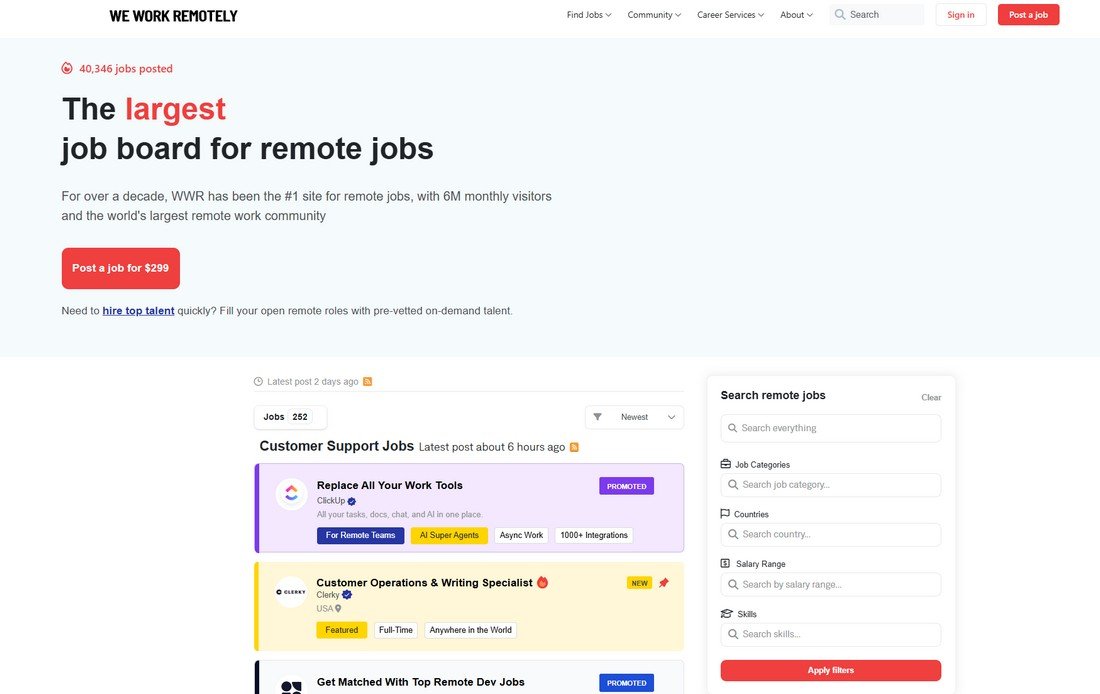
As one of the oldest and most trusted remote job boards online, We Work Remotely attracts high-quality listings from startups and multinational corporations alike. It features diverse categories spanning programming, design, marketing, and customer support. Because listings are posted directly by hiring companies, it serves as an essential daily bookmark for any serious remote professional.
2. goLance
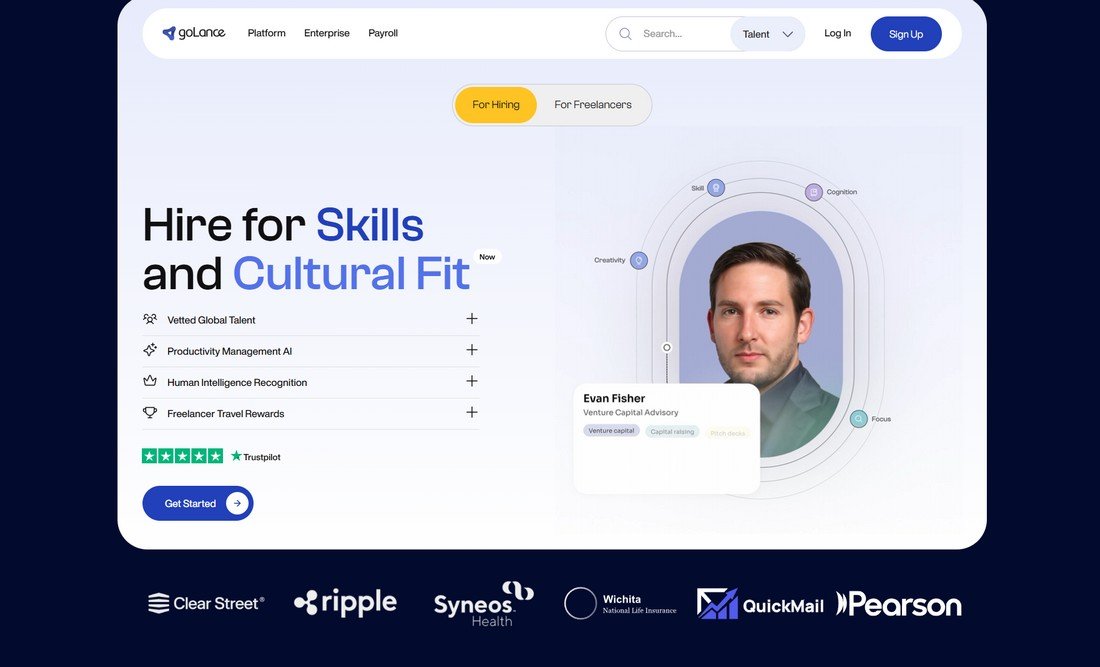
Operating as a direct competitor to traditional freelance marketplaces, goLance covers a broad spectrum of digital disciplines—from software development to virtual assistance. Because its user base is significantly smaller than that of industry behemoths, the talent pool is less saturated, allowing independent contractors to bid with less fierce competition.
3. SproutGigs
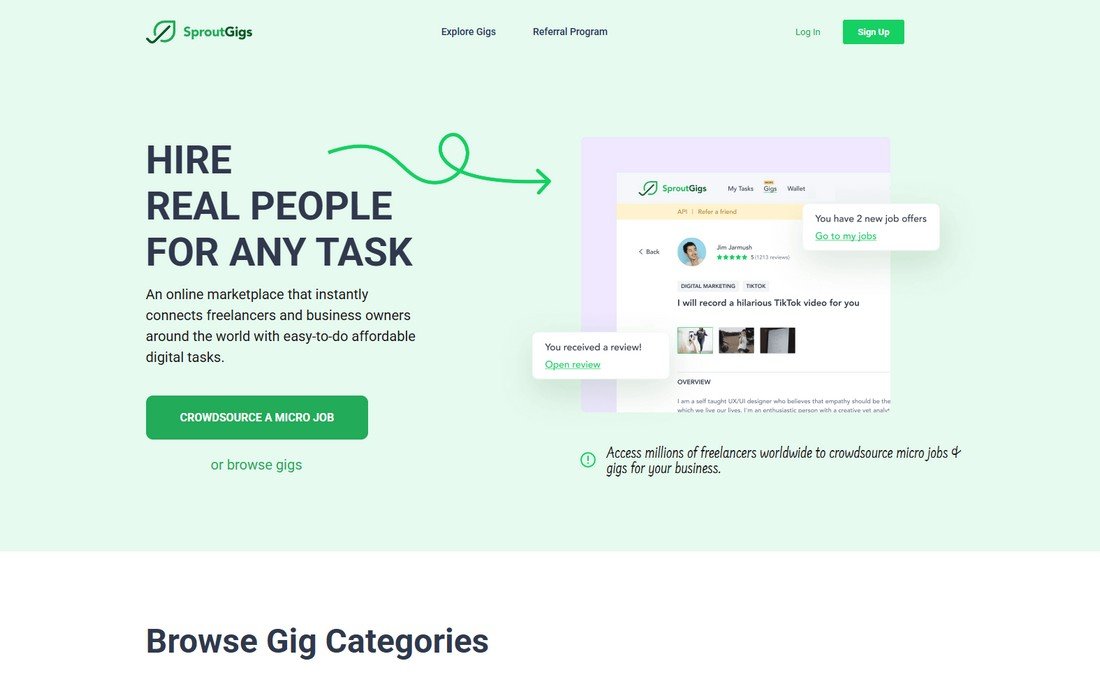
Blending traditional freelance bidding with micro-task and gig-market mechanics, SproutGigs allows users to publish packaged service listings while also applying for custom client projects. Its intuitive interface and low barrier to entry make it particularly accommodating for newer freelancers seeking to build momentum.
4. Side Hustles Job Board (Hustle Hub)
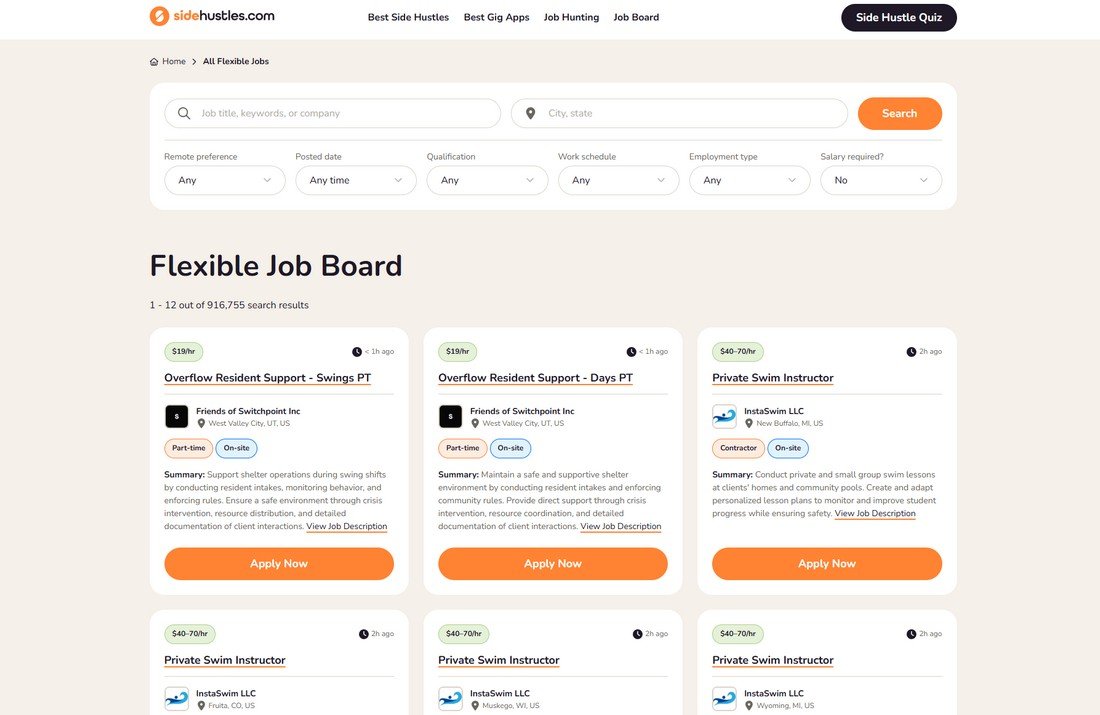
Tailored specifically for flexible, short-term, and part-time engagements, the Side Hustles Job Board is designed for professionals looking to supplement their primary income streams or rapidly scale up their portfolio with manageable project scopes.
5. Twine
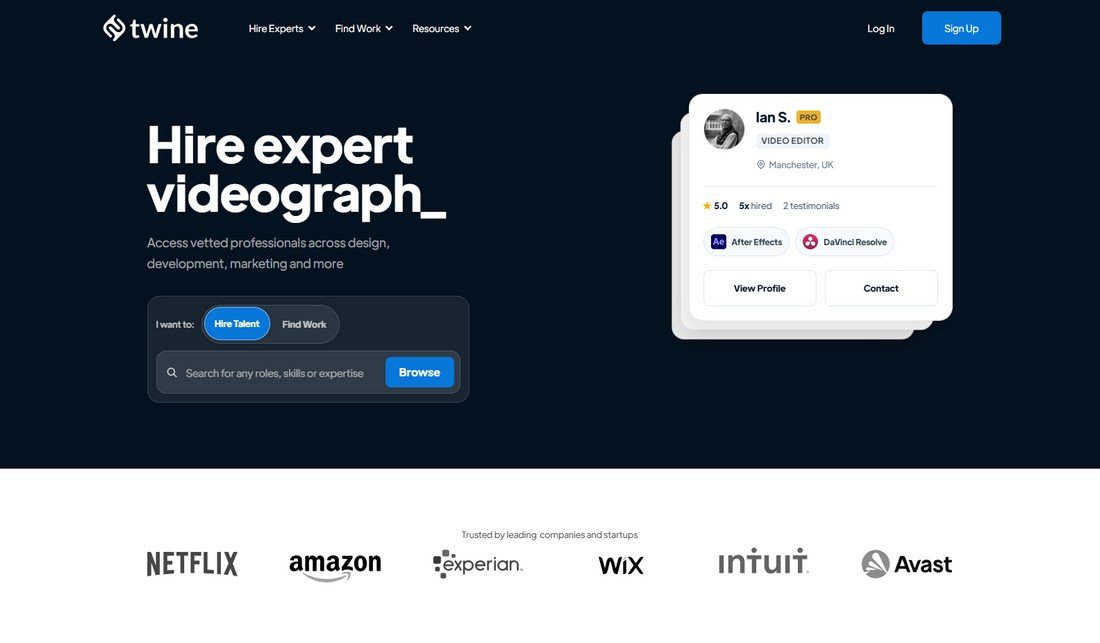
For creative professionals, Twine is a specialized ecosystem built almost exclusively for designers, illustrators, video editors, animators, musicians, and game developers. Because the platform focuses strictly on the creative sector, clients arrive with clear creative briefs and appropriate budget expectations.
6. Workana
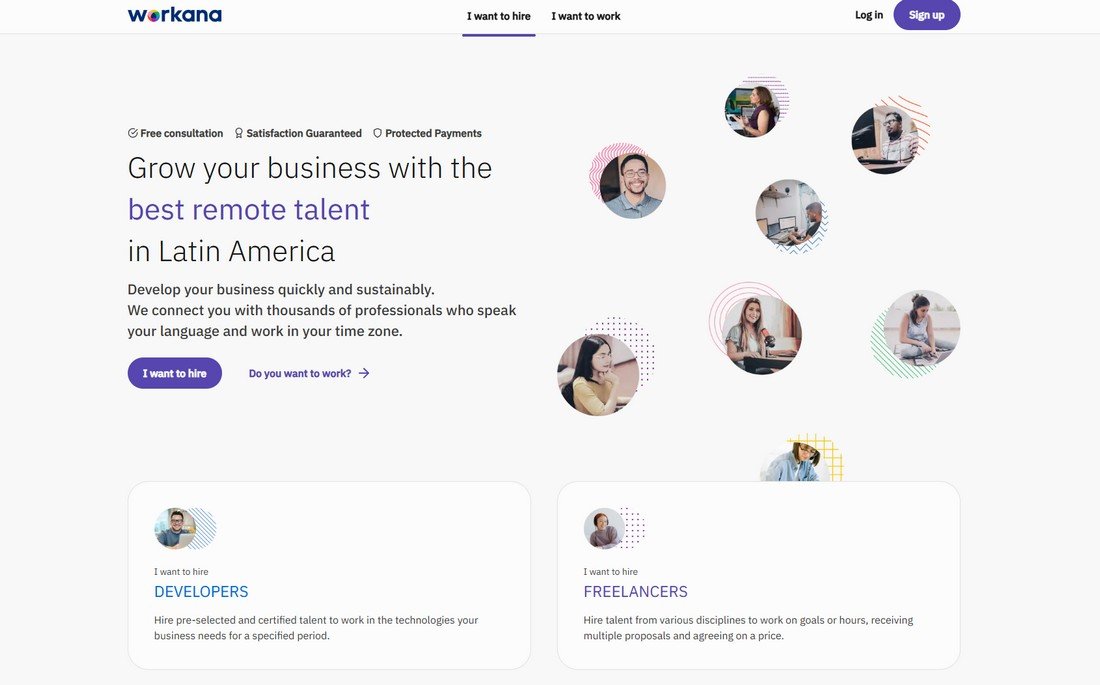
Serving as a powerhouse marketplace across Latin America, Workana connects international enterprises with skilled remote talent in software engineering, copywriting, design, and marketing. It represents an exceptional channel for freelancers seeking to tap into fast-growing international markets that are frequently overlooked by Western-centric contractors.
7. 1840 & Company
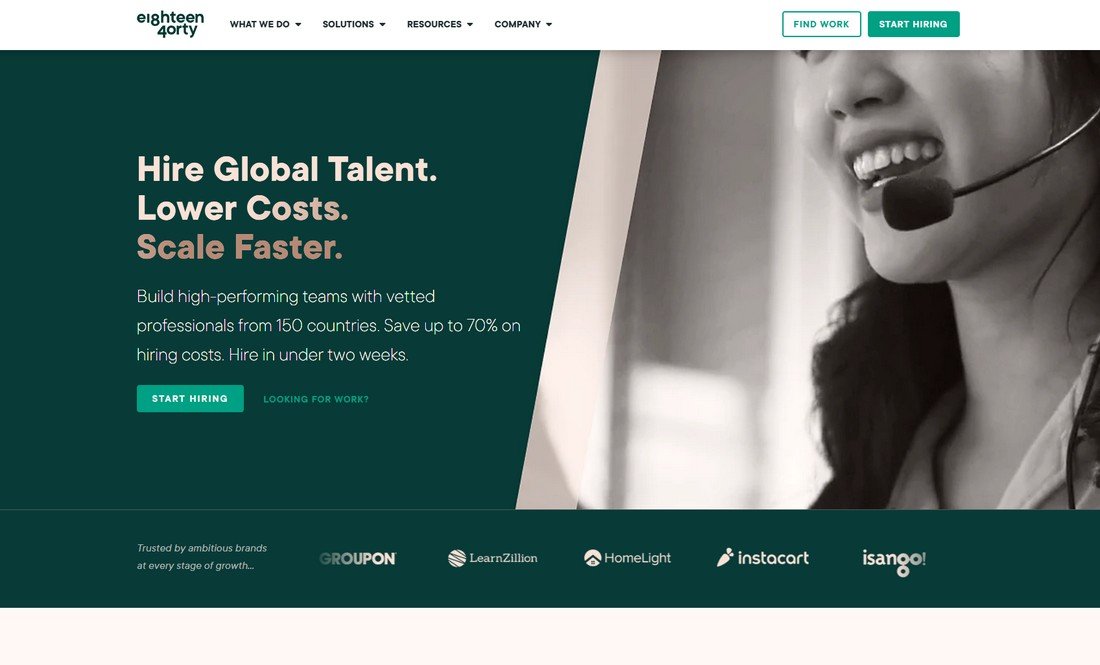
Functioning more like an elite talent network than an open bidding marketplace, 1840 & Company rigorously vets applicants before granting access to global remote job opportunities. While acceptance is competitive, passing the screening process places professionals directly in front of premium enterprise clients.
8. FreeeUp
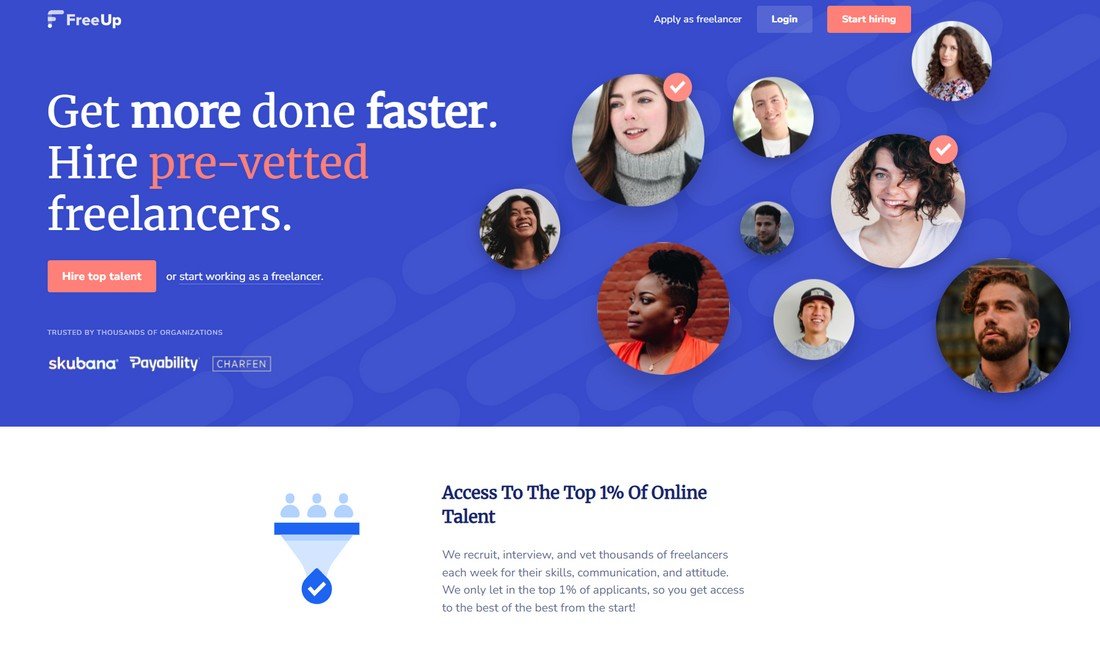
Similar in philosophy to selective talent networks, FreeeUp enforces a strict vetting protocol for incoming freelancers. This barrier to entry drastically reduces internal competition, ensuring that approved professionals deal with serious, pre-screened clients willing to pay fair market rates.
9. DailyRemote
DailyRemote aggregates verified remote job openings from across the web into a clean, searchable interface. Covering writing, design, programming, and administrative support, the platform updates its database frequently, making it a reliable hub for daily prospecting.
10. NoDesk
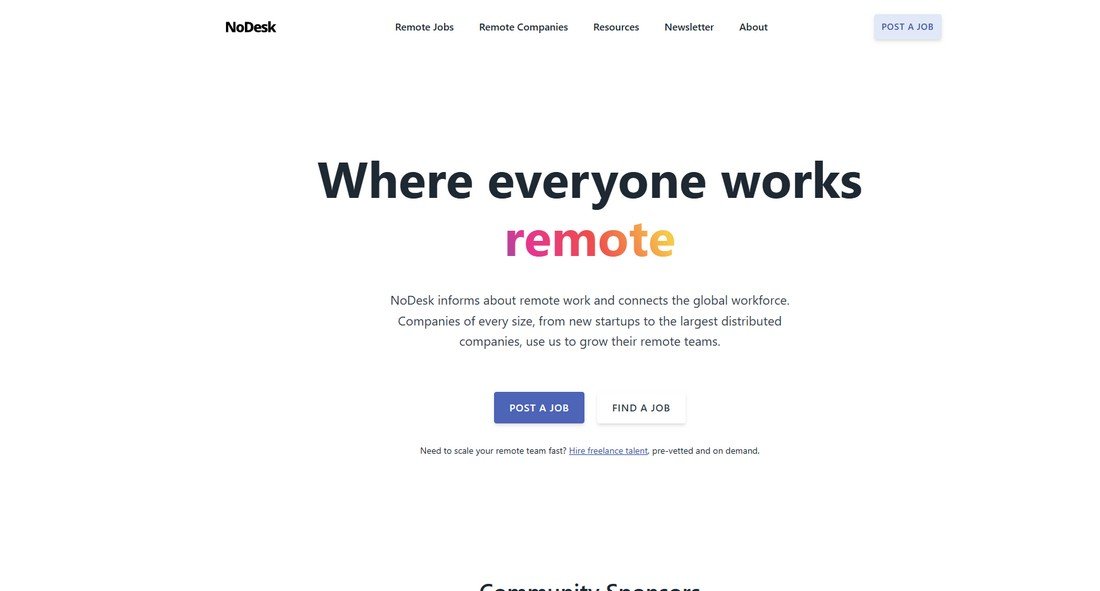
Beyond acting as a traditional job board, NoDesk maintains an extensive directory of remote-friendly companies that routinely hire independent contractors. This resource allows freelancers to bypass public job boards entirely and pitch organizations directly.
11. RemoteOK
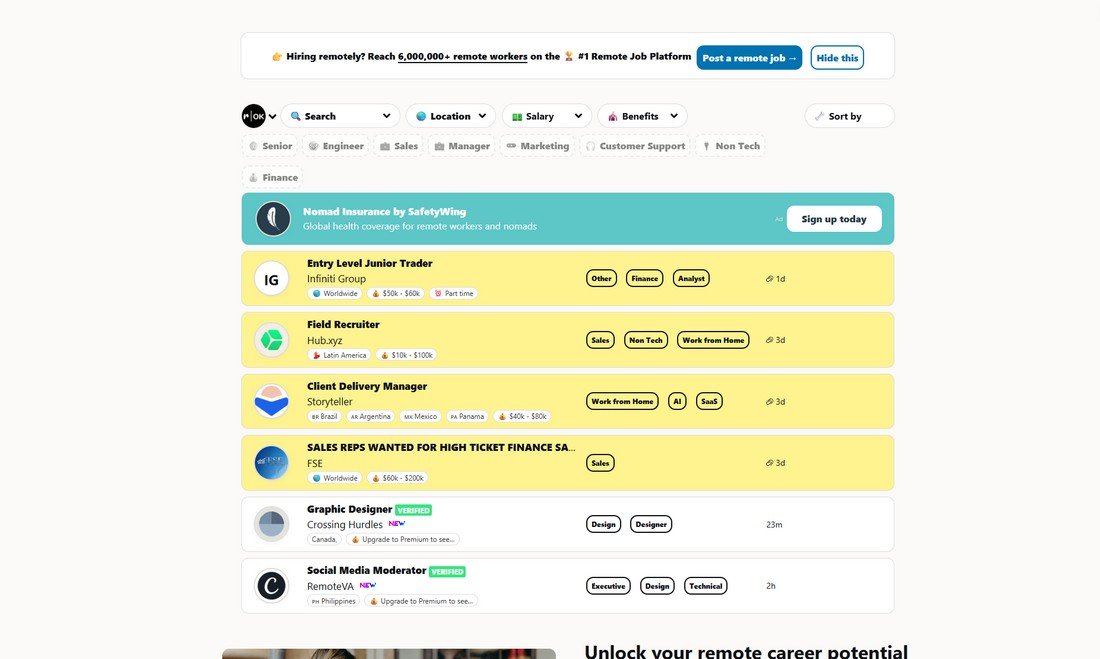
As one of the internet’s largest remote employment indexes, RemoteOK requires no user account creation to browse active listings. Crucially, a large percentage of postings feature upfront salary and rate information, eliminating protracted compensation negotiations.
12. Working Nomads
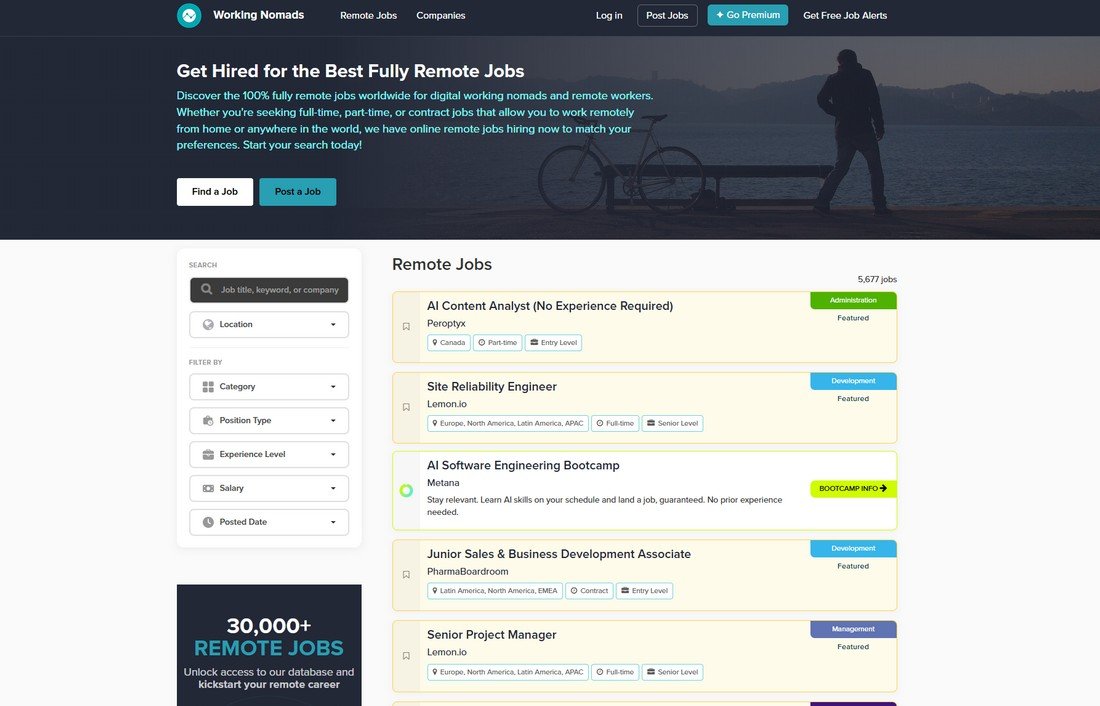
Working Nomads curates global remote opportunities and organizes them into streamlined categories. Whether your expertise lies in consulting, software architecture, or content strategy, the platform minimizes administrative friction during the job search.
13. Remotive
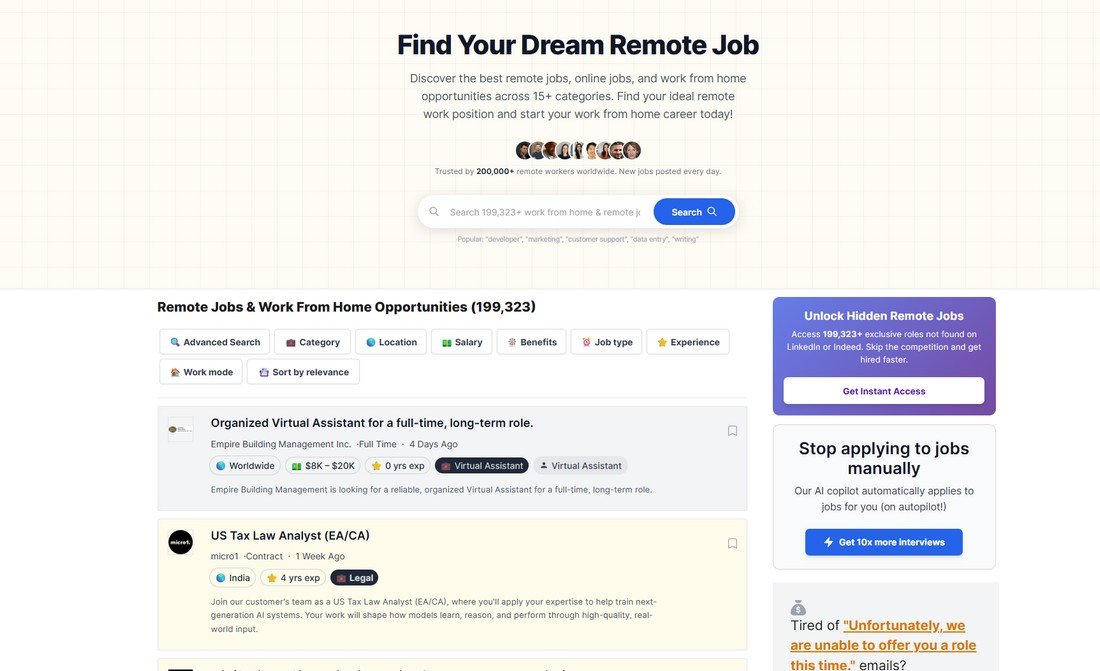
Focusing heavily on fast-moving startups and distributed technology teams, Remotive has built a pristine reputation for curation quality. It filters out low-effort spam postings, making it a refreshing destination for professionals tired of wading through low-quality ads.
14. Jobspresso
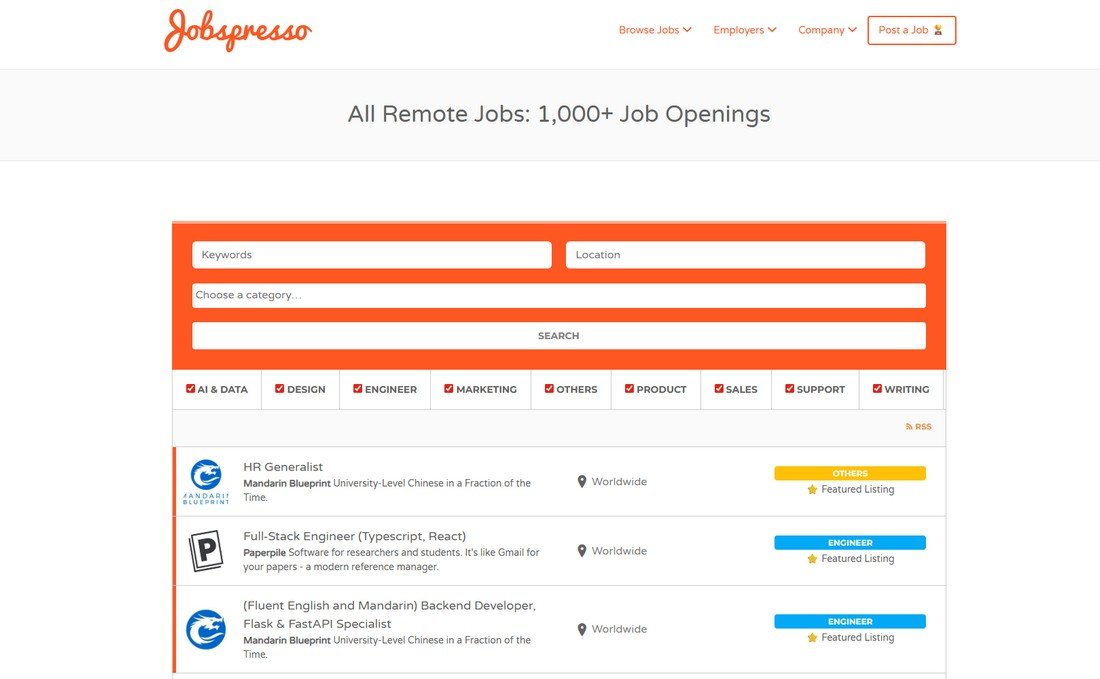
Jobspresso merges a curated remote job board with an integrated resume database. This dual functionality allows employers to proactively discover and recruit passive talent while the freelancer focuses on active project execution.
15. Wellfound (Formerly AngelList)
For those drawn to the high-energy startup ecosystem, Wellfound is the premier destination. Most job and project listings feature transparent compensation packages, connecting independent professionals with innovative, early-stage companies.
16. SkipTheDrive
Operating as a comprehensive remote job aggregator, SkipTheDrive pools employment opportunities from dozens of external web sources, saving freelancers the time of visiting multiple portals every morning.
17. Virtual Vocations
Established by remote work advocates, Virtual Vocations hand-screens listings across specialized verticals including healthcare administration, technical writing, education, and legal services.
18. Authentic Jobs
Authentic Jobs caters specifically to designers, developers, and digital marketers seeking contracts with elite creative agencies, prominent universities, and tech startups. The professional presentation of its listings mirrors the high caliber of its client base.
19. ServiceScape
Focusing strictly on language and editorial services—including translation, copywriting, proofreading, and graphic design—ServiceScape attracts clients seeking hyper-specialized craftsmanship rather than budget labor.
20. ProZ
As the definitive global community and marketplace for translators and language professionals, ProZ offers unmatched industry density. While competition is robust, the volume and specialization of language-centric contracts are unrivaled.
21. Robert Half Talent Solutions
Operating primarily as a professional staffing agency rather than a digital platform, Robert Half connects specialized contractors with corporate entities for mid-to-long-term engagements in finance, legal, marketing, and technology.
Final Strategy: Building a Resilient Portfolio Career
The takeaway for independent professionals is clear: successful freelancing in the current economic climate requires an entrepreneurial mindset.
Rather than succumbing to platform fatigue or risking total revenue collapse on a single marketplace, freelancers should select three or four complementary platforms that align with their specific skill sets, optimize their profiles, and systematically test the waters.
Diversification transforms a fragile gig-worker existence into a robust, self-sustaining freelance business capable of weathering any shift in the digital economy.