Introduction: The Deja Vu of Disruption
In the corporate landscape of the 2020s, the rollout of Artificial Intelligence is being treated with the same breathless fervor that accompanied the "Digital Transformation" wave of 2014. Yet, beneath the veneer of progress, a troubling pattern has emerged. Organizations are rushing to implement AI tools with a top-down, technology-first mentality that mirrors the costly, often disastrous, strategic errors of the previous decade.
Paul Boag, a veteran consultant and author of Digital Adaptation, argues that the current state of AI adoption feels less like a strategic evolution and more like a high-stakes farce. By examining the structural failures of digital transformation, we can identify exactly why current AI initiatives are stalling—and how organizations can pivot before they repeat the mistakes of the past.
The Core Problem: A Human Challenge Disguised as Tech
The fundamental error being repeated is the framing of AI as a purely technological implementation. When companies treat AI as a "plug-and-play" utility—purchasing enterprise-wide licenses for tools like Copilot Studio and mandating generic training—they ignore the human, cultural, and psychological dimensions of workplace change.
Chronology of the "Transformation" Trap
- 2010–2015 (The Digital Era): Organizations prioritized the deployment of CMS and CRM systems over user experience. The result was a proliferation of "bloated" internal tools that employees found cumbersome and customers ignored.
- 2023–2024 (The AI Era): The cycle has reset. Senior management is buying into the AI hype cycle, pushing software licenses across departments without addressing how those tools integrate into the daily, often grueling, workflows of their staff.
The data suggests that this top-down approach is failing. While IT departments report high "deployment rates," actual productivity gains remain anecdotal. The reason is simple: Technology is merely the tip of the iceberg. The rest is a complex, deeply ingrained culture of work that does not shift simply because a new chatbot icon appears on a desktop.
Why Staff Resistance is Rational
For the average employee, the introduction of AI is not framed as a career-enhancing opportunity; it is framed as a threat. The headlines are dominated by fears of job displacement, and internal corporate messaging rarely alleviates this anxiety.
The Productivity Paradox
Management often pushes AI as a "productivity multiplier." However, from an employee’s perspective, increased productivity rarely translates to a better quality of life. If an employee uses AI to finish a task in four hours that previously took eight, they are rarely rewarded with four hours of leisure or additional compensation. Instead, they are often met with the expectation to "do more with the time saved." When AI is perceived as a tool to extract more labor rather than a tool to alleviate drudgery, staff naturally resist adoption.
The Psychology of Procedural Knowledge
Adopting AI requires employees to unlearn years—sometimes decades—of established procedural knowledge. This is not a simple task. It requires time, mental space, and a safe environment for experimentation. Most employees, already stretched to their limits, do not have the luxury of time to "play" with new technology.
Cultivating a Culture of "Safe Failure"
In many organizations, the internal culture is defined by a fear of failure. When companies demand innovation but punish the inevitable errors that occur during the learning process, they create a "chilled" environment where employees prefer the status quo over the risk of being reprimanded for using too many tokens or violating an overly rigid AI policy.
The Governance Trap
Over-governance is the enemy of innovation. When an organization publishes a hundred-page policy on AI usage, they inadvertently signal to staff that the risk of trying is higher than the reward.
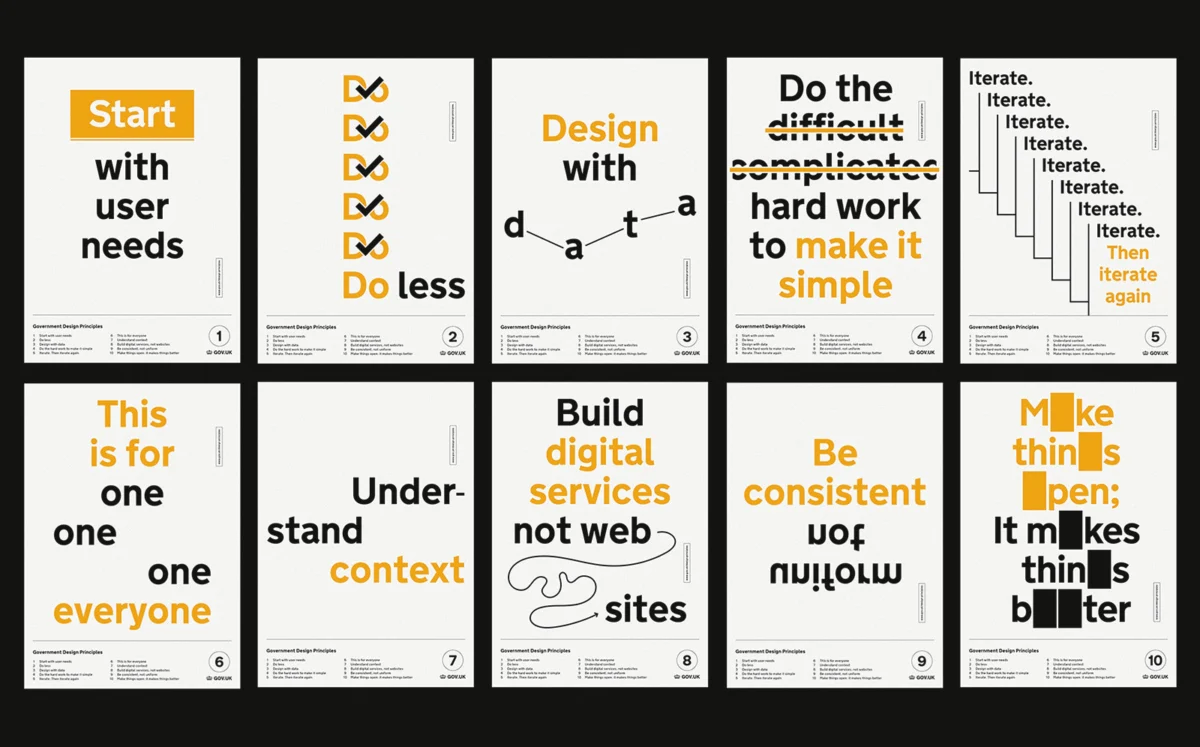
- The Solution: Organizations should follow the example of the UK Government’s design principles—short, concise, and focused on outcomes rather than restrictive procedural checklists.
- Trust over Control: By fostering a sense of trust, organizations encourage employees to apply common sense to AI use rather than waiting for a "blessing" from a bureaucratic steering committee.
Supporting Data: The Rise of "Shadow AI"
When official channels are blocked by excessive bureaucracy or inadequate tooling, employees inevitably resort to "Shadow AI." Just as employees once bypassed rigid IT policies to use personal Dropbox or Google Drive accounts, they are now signing up for personal ChatGPT or Claude accounts to get their jobs done.
Implications of Shadow AI:
- Data Security Risks: Sensitive corporate data is being funneled into third-party, non-enterprise AI instances without organizational oversight.
- Institutional Blindness: Because these tools are used "under the radar," leadership remains unaware of what the staff actually needs.
- Fragmented Knowledge: Valuable insights and successful workflows remain siloed in personal accounts, preventing the organization from learning collectively.
Instead of stamping out Shadow AI, organizations should treat it as a barometer for success. If staff are paying for their own AI tools, it is a clear indicator of where the company’s official tech stack is failing.

Strategic Recommendations for Leadership
To move beyond the cycle of failed transformations, organizations must adopt an adaptive approach to AI.
1. Identify the "Enthusiasts"
Every organization has a pocket of early adopters who are already experimenting with AI. Instead of focusing on the "resisters" or trying to force adoption from the top down, management should provide a platform for these enthusiasts. Peer-led success stories are far more effective at changing culture than any executive memo.
2. Redefine Incentives
Organizations must answer the question: What is in it for the employee?
- Focus on Drudgery: Frame AI as a tool to automate the tasks employees hate.
- Tangible Rewards: Consider how AI-driven efficiency gains can translate into career progression, professional development, or even flexible working arrangements.
3. Build a "Learning" Infrastructure
Training must be role-specific. Generic "AI 101" courses are insufficient. Organizations need to invest in:
- Departmental Training: Tailoring AI implementation to the specific workflows of departments like UX, marketing, or legal.
- Time-Boxing for Experimentation: Formally carving out time in work schedules for staff to experiment and fail safely without fear of KPI penalties.
Conclusion: The Path Forward
The risk of moving too slowly in the age of AI is significant, but the risk of moving poorly—by ignoring the human element—is fatal. AI adoption is not a software rollout; it is a profound change management challenge.
If senior management treats AI as a technical hurdle, they will be left with a graveyard of unused licenses and a frustrated, disengaged workforce. However, if they pivot toward a strategy that centers on people, provides psychological safety, and leverages the natural curiosity of their teams, they can turn the chaos of AI into a sustainable competitive advantage. The lessons from 2014 are clear: Technology is only as effective as the culture that supports it. It is time for organizations to stop looking at their screens and start looking at their people.