









By The Editorial Desk
Published: October 2023
Every content creator, blogger, and digital marketer knows the creeping dread of the blinking cursor. In the early stages of a website’s lifecycle, inspiration often flows freely. Ideas feel boundless, and publishing a consistent stream of articles is an exciting endeavor. However, as weeks turn into years, the well of inspiration inevitably runs dry.
When forced to produce multiple posts a week under strict editorial deadlines, content creation quickly transforms from an enjoyable creative outlet into a grueling assignment. Staring blankly at a keyboard while searching for a viable topic becomes a frustrating ritual. For most professionals, the immediate instinct is to lean on search engines. Yet, a quick query rarely yields specific, high-value topics. Instead, creators are flooded with generic advice on structural formats—such as rants, product reviews, and interviews—or rigid Mad Libs-style templates like "X Reasons You Should Never X."
These templates present a fundamental flaw: filling in the blanks. Knowing how to structure a post is entirely different from discovering what your specific audience actually wants to read. To build a sustainable, high-traffic publication, creators must shift their mindset. There are two basic types of content: the content you want to write, and the content people actively want to find.
Over years of digital publishing, top-tier strategists have developed systematic methodologies to unearth that second type of content. Below is an exhaustive, professional guide detailing 27 advanced frameworks, tools, and tactical workflows designed to guarantee you never run out of compelling blog post ideas again.
1. Main Facts: The Content Ideation Crisis and the Data-Driven Solution
The primary challenge facing digital publishers is not a lack of writing skill, but a lack of market alignment. Creators frequently rely on surface-level brainstorming, leading to low-engagement posts that fail to rank in search engine results pages (SERPs).
To solve this, modern content strategies rely on extracting qualitative and quantitative data from real-world user behavior. Rather than guessing what an audience might appreciate, publishers use specialized tools, competitor intelligence, search console analytics, and direct community engagement to source precise queries, solve user pain points, and upcycle underperforming material.

2. Chronology: The Evolution of Content Research
Understanding how content ideation has matured provides valuable context for modern publishing workflows:
- The Early Web (Early 2000s): Content creation was largely intuitive. Bloggers wrote based on personal experiences, utilizing basic keyword density practices and simple web directories.
- The Rise of SEO (Late 2000s–2010s): Keyword research tools like the Google Keyword Planner emerged, shifting the focus toward search volume and high-ranking commercial terms.
- The Social & Aggregation Era (Mid-2010s): Platforms like BuzzSumo and Quora introduced social sharing metrics and crowdsourced questions into the ideation mix, emphasizing viral potential.
- The Modern Data-Rich Ecosystem (Present Day): Today’s ideation requires a hybrid approach. Publishers combine deep SEO backlink analysis (Ahrefs, SEMrush), intent-driven question mining (Answer the Public, Reddit, niche forums), and internal site search analytics to build authoritative, comprehensive content libraries.
3. Supporting Data: The 27-Point Ideation Framework
Method #1: Find Keyword Queries and Prepositions via Answer the Public
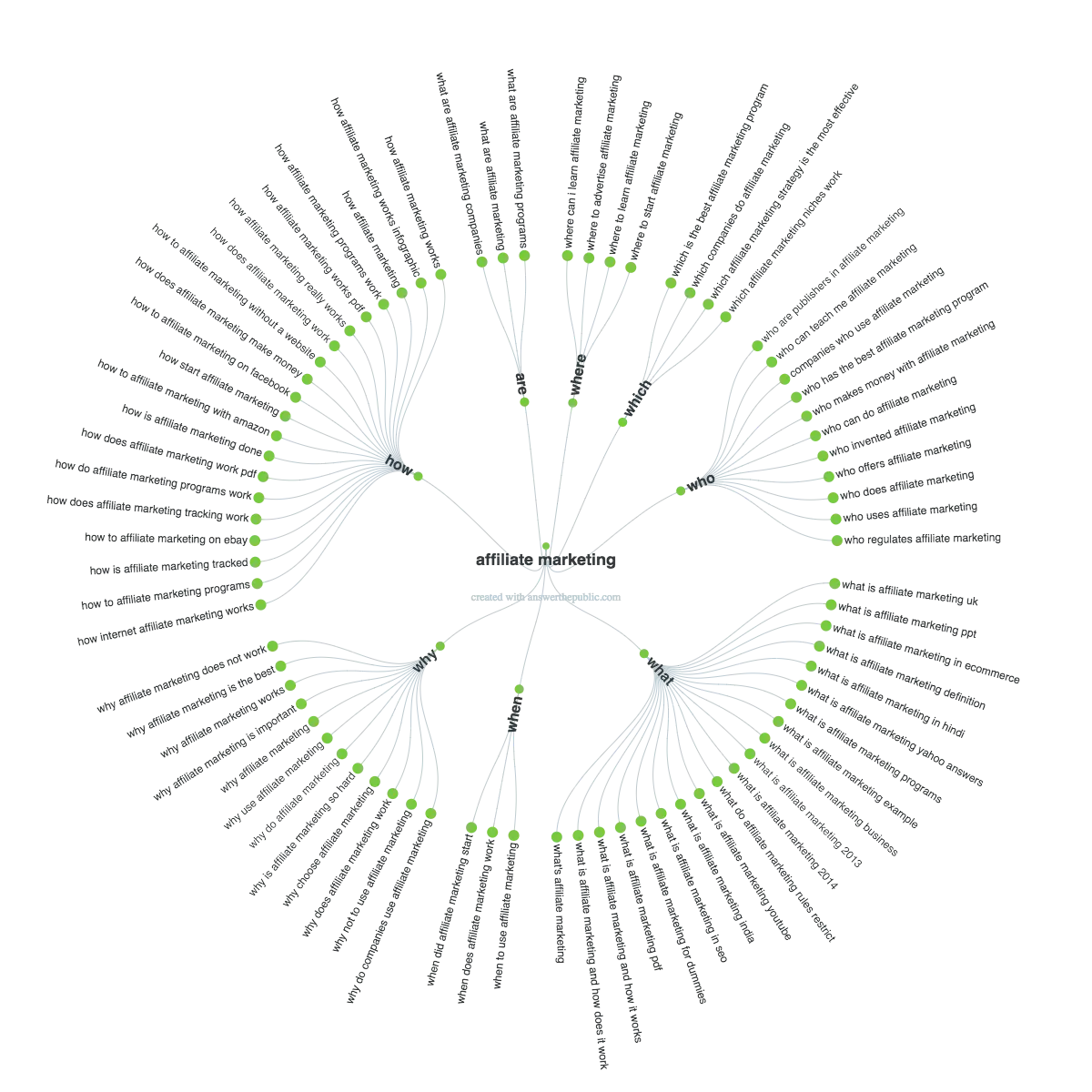
Answer the Public acts as an advanced visualization tool for search queries. By inputting a core keyword and filtering to your target geographic market, you can instantly generate a segmented wheel of questions, prepositions, and alphabetical queries. While tools like Ubersuggest help identify format operators like tutorials or guides, Answer the Public instantly reveals the exact phrasing your audience uses when asking questions.
Method #2: Good Old-Fashioned Keyword Research
Traditional keyword research remains foundational. Professional tools like SEMrush and Spyfu offer deep, reliable data sets compared to free alternatives like Keywordtool.io or the Google Keyword Planner. For novices, structured, free educational courses—such as Authority Labs’ free keyword course—provide a strong baseline for understanding search intent and keyword metrics.
Method #3: Upcycle Popular Content via Ahrefs
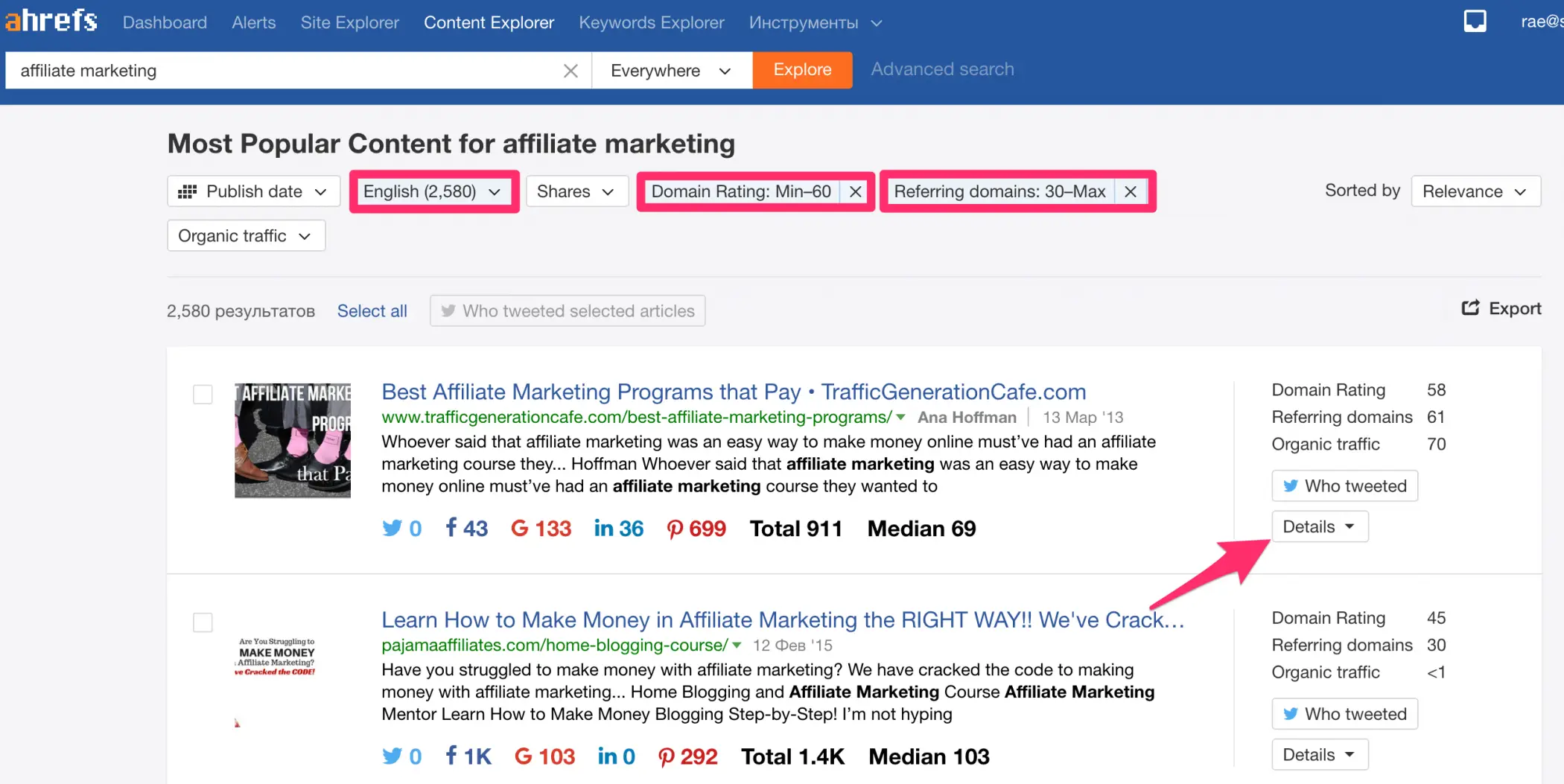
"Upcycling" involves taking existing, outdated content and elevating it to a higher quality and value standard. Using Ahrefs’ Content Explorer, you can search a broad keyword, filter results for English-language posts, restrict domain ratings below 60 (to weed out bloated authority sites), and target pages with more than 30 referring domains. This uncovers older, link-attracting posts ripe for a modern overhaul.
Method #4: Upcycle Competitor Top Content
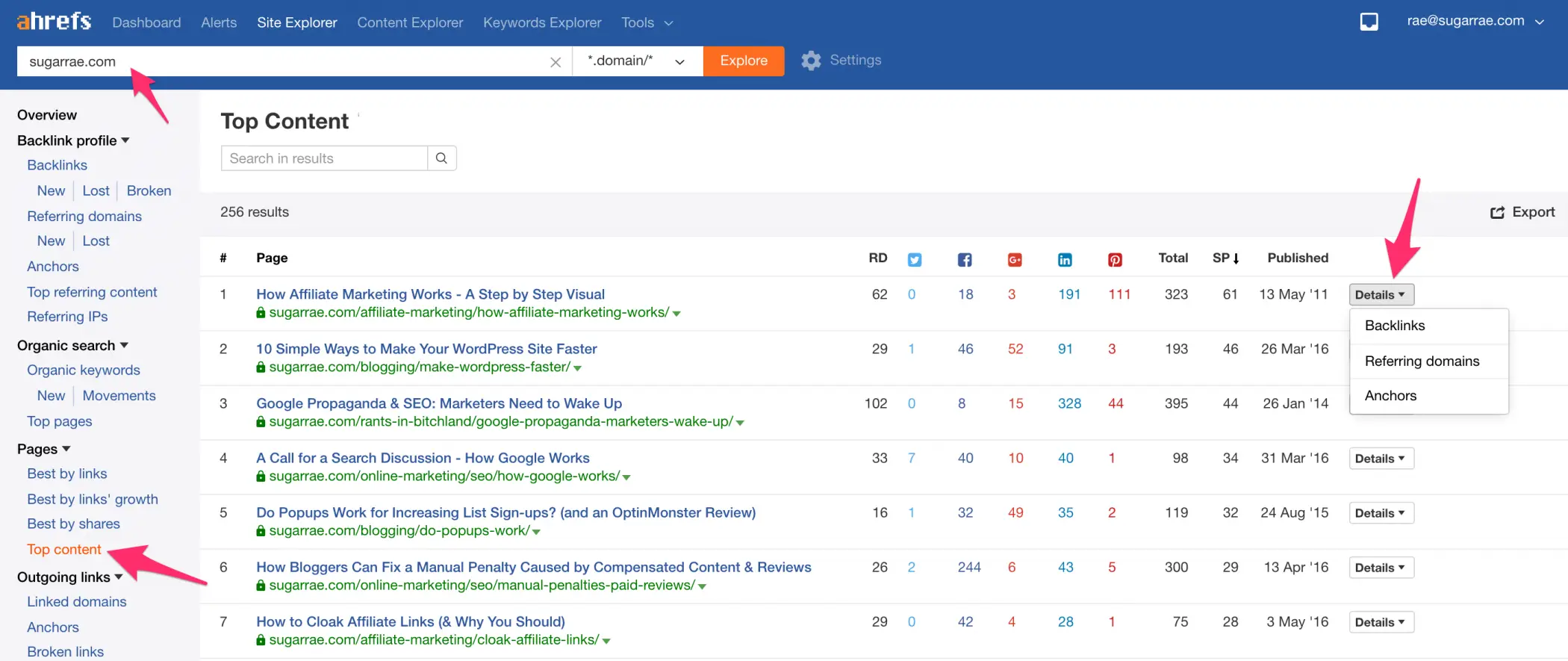
You can audit your competitors’ success by typing their domain into Ahrefs, navigating to Pages > Top Content, and sorting by publish date. This highlights their historic, high-performing posts that earned significant backlinks. By reviewing the specific referring domains and anchor texts, you can identify structural gaps and publish a superior version.
Method #5: Revitalize and Upcycle Your Own Old Posts
Bloggers often sit on a goldmine of aging content. If an old post is thin or outdated, you can expand its scope, modernize the data, and redirect the old URL to the newly optimized asset. This merges historical SEO authority with an enhanced user experience.
Method #6: Ask Your Audience Directly
Audience polling is frequently overlooked. Use social channels, SurveyMonkey, or automated welcome email sequences to ask specific, challenge-oriented questions. Instead of asking, "What do you want me to post about?" ask, "What is the number one challenge you’ve faced regarding [Specific Topic]?" Segmenting your email list based on past link clicks ensures your questions reach the most relevant readership.
Method #7: Search Through Q&A Style Platforms
Platforms like Quora, Ask Metafilter, and Fluther are treasure troves of real consumer questions. Searching your core niche keywords within these platforms reveals granular queries that can form the backbone of comprehensive, long-form articles.
Method #8: Repurpose Content Across Mediums
Do not assume your audience consumes your content everywhere. Podcast episodes, webinars, video transcripts, and newsletter archives represent untapped blog material. Enhancing and expanding these assets for your written blog delivers entirely fresh content to search engines and new site visitors.
Method #9: Mine Presentation-Sharing Sites
Platforms like Slideshare and SlideServe host professional presentations across virtually every industry. Searching these sites for your niche keywords—such as local real estate market data or tech trends—can inspire localized or expanded angles for your blog.
Method #10: Analyze Internal Site Searches
If your website features a search bar, your users are actively telling you what they want. You can track these queries by configuring Google Search Console/Analytics or by installing lightweight plugins like Search Meter on WordPress. Content built around zero-result or poor-result internal searches directly fulfills unmet user demand.
Method #11: Search Reddit AMAs (Ask Me Anything)
Reddit AMAs feature industry experts answering crowdsourced questions. By executing a Google search like site:reddit.com AMA [your topic], you gain access to hundreds of authentic, specific questions asked by real people within your niche.
Method #12: Scrape Niche Forums
Niche message boards and forums contain raw, unfiltered discussions. By pairing a forum search with intent-driven modifiers—such as "need advice," "how do I," or "what is the best way to"—you can extract immediate, high-intent topic ideas.
Method #13: Establish Hyper-Specific Google Alerts
Set up Google Alerts for specific discussion operators, such as [topic] "need advice", or restrict source parameters to Discussions. Using precise quotation marks filters out irrelevant noise, delivering fresh community-driven questions directly to your inbox.
Method #14: Leverage Pinterest for Out-of-the-Box Thinking
Pinterest is not just for recipes and fashion; it is a visual search engine. Searching for industrial or commercial products (e.g., PVC pipes) reveals creative, consumer-driven use cases that can inspire comprehensive DIY guides, round-up posts, or product application articles.
Method #15: Subscribe to Niche Print and Digital Magazines
Print and digital niche publications operate under strict word counts, often forcing authors to skim the surface of complex topics. Reviewing these articles allows digital bloggers to extract high-level concepts and build vastly superior, deeper guides.
Method #16: Utilize Automated Topic Suggestion Tools
While automated generators from HubSpot or Content Forest require careful filtering due to their low-effort nature, they can occasionally spark an unexpected creative angle for a new series.
Method #17 & #18: Leverage Google Search Console Search Analytics
By evaluating overall keyword data and page-level queries in Google Search Console, you can identify "low-hanging fruit." If a post ranks on page two for a semi-related subtopic, creating a dedicated article targeting that exact query can quickly capture high-intent organic traffic.
Method #19: Read the Comment Sections
High-ranking posts across your industry are crowded with user comments asking follow-up questions. Reviewing these discussions—both on competitor sites and your own blog—reveals immediate gaps in existing content that you can address.
Method #20: Run Competitor Domain vs. Domain Reports
SEMrush’s Domain vs. Domain report allows you to compare your site against multiple competitors. By analyzing the non-overlapping segments of keyword Venn diagrams, you can instantly identify hundreds of ranking keywords your competitors own that you currently do not.
Method #21: Transform Products Into Problem-Solving Guides
Instead of writing generic product reviews, frame your affiliate or owned products around the specific problems they solve. Detail why you use a tool, what inconveniences it eliminates, and how readers can replicate your solution.
Method #22: Search Amazon Books and Product Q&As
Amazon’s book search and table of contents ("Look Inside!" feature) provide structured outlines for deep-dive guides. Furthermore, scanning the Questions & Answers section of popular industry products on Amazon highlights common consumer confusions worth addressing.
Method #23: Look for "Threepeats"
When a customer or reader asks you the exact same question three times, it achieves "Threepeat" status. Maintain a running spreadsheet of incoming queries; once a topic hits three inquiries, it demands a permanent spot on your editorial calendar.
Method #24: Mine Niche Twitter Chats
Active Twitter chats centered around specific hashtags are goldmines for live consumer questions. Appending a question mark to your hashtag searches on Twitter filters out general commentary, leaving you with direct queries from your target audience.
Method #25: Capitalize on Industry Conferences
Live Q&A sessions at industry conferences—whether attended in person, watched via YouTube, or reviewed through live-blogging coverage—expose the exact pain points and curiosities troubling modern professionals in your field.
Method #26: Analyze Expert Interviews
Interviews with industry leaders often feature brief answers designed for brevity. Finding these interviews allows you to unpack their short responses and author deeply comprehensive guides expanding upon their points.
Method #27: Harvest Content From Dead Websites
Using Archive.org alongside bulk scraping tools like Wayback Downloads and Screaming Frog, you can reconstruct the sitemaps of defunct competitor blogs. This grants you access to historical content topics that you can upcycle and modernize for today’s web.
4. Official Responses and Industry Perspectives
Content strategists universally emphasize that ideation must be treated as an operational science rather than a spontaneous art form. Major publishing networks report that shifting from random brainstorming to systematic data mining (such as utilizing Ahrefs content gaps and Search Console query tracking) yields a compound traffic increase over 12 to 18 months.

Industry experts note that search engines increasingly reward comprehensiveness and search intent alignment. By answering user questions sourced directly from forums, Twitter chats, and internal site searches, publishers satisfy algorithm updates designed to promote helpful, people-first content.
5. Implications for the Future of Content Marketing
As artificial intelligence and automated search features alter the digital landscape, the nature of blogging is evolving rapidly. Generic content that merely summarizes basic information will face severe headwinds in organic search rankings.
The implications are clear: publishers must move toward hyper-specific, highly researched, and experience-backed content. By implementing the robust research frameworks detailed above—turning data, competitor flaws, and community questions into structured editorial assets—creators can build resilient, highly authoritative digital properties that withstand algorithmic shifts and continuously capture engaged audiences.