Introduction and Main Facts
In the ever-evolving landscape of content management systems, WordPress continues to set the benchmark for accessibility, customizability, and web design efficiency. At the heart of this ongoing evolution is the platform’s tradition of releasing powerful default themes that showcase the absolute best of its core capabilities. Enter Twenty Twenty-Four, the default default theme engineered to redefine how millions of creators, businesses, and bloggers approach web design.
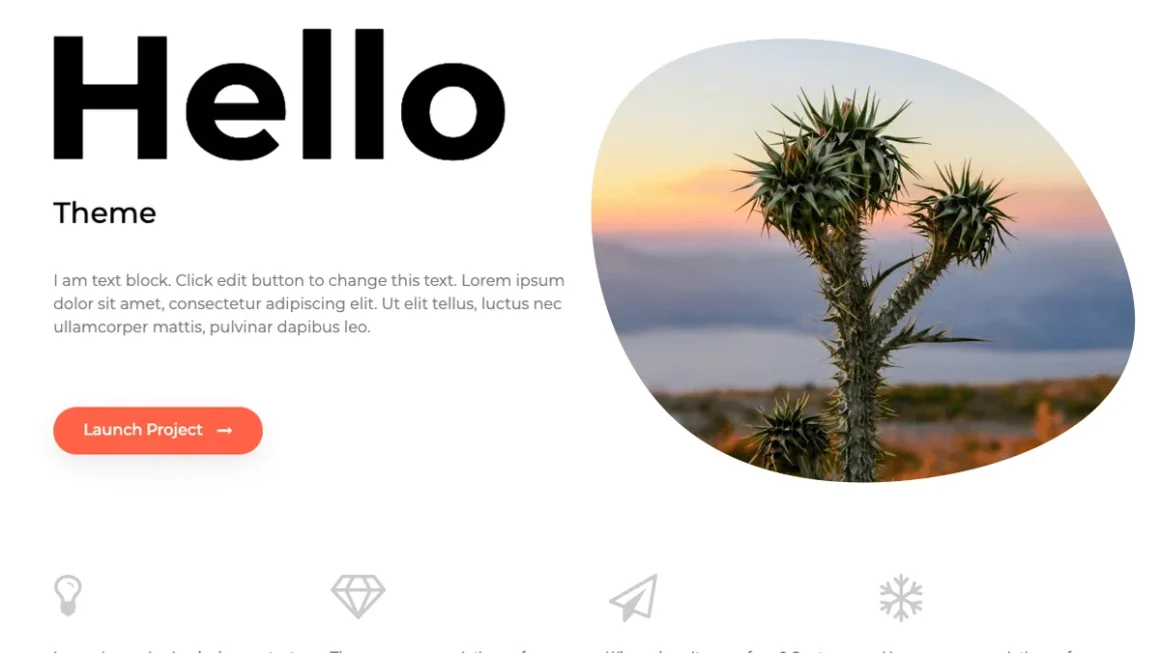
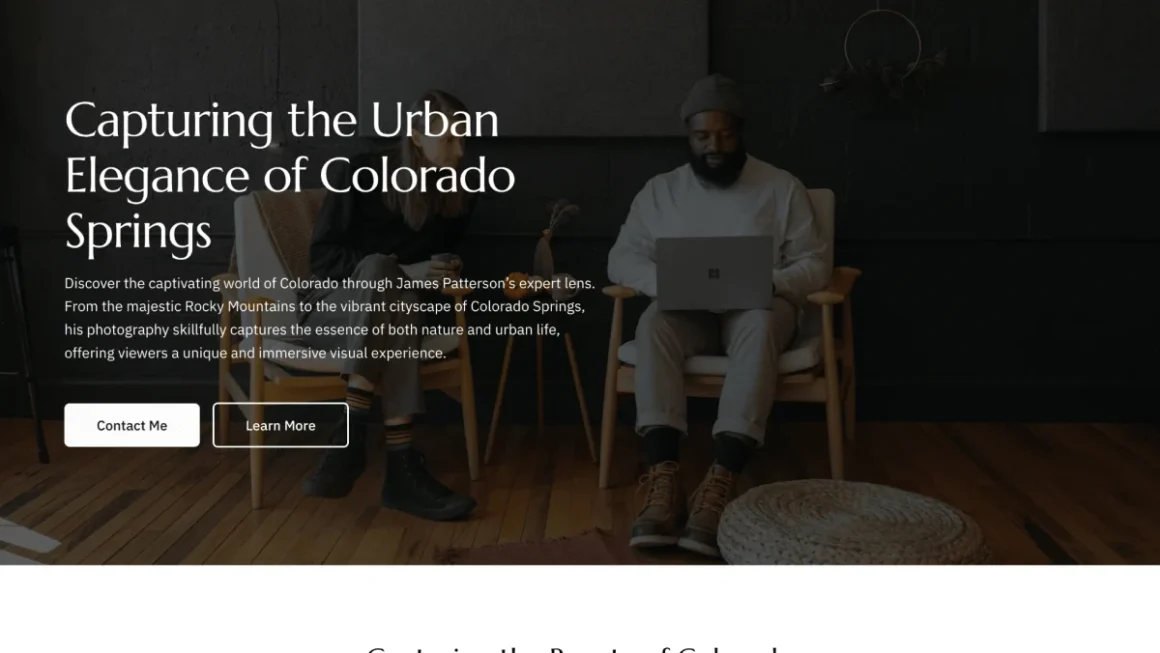
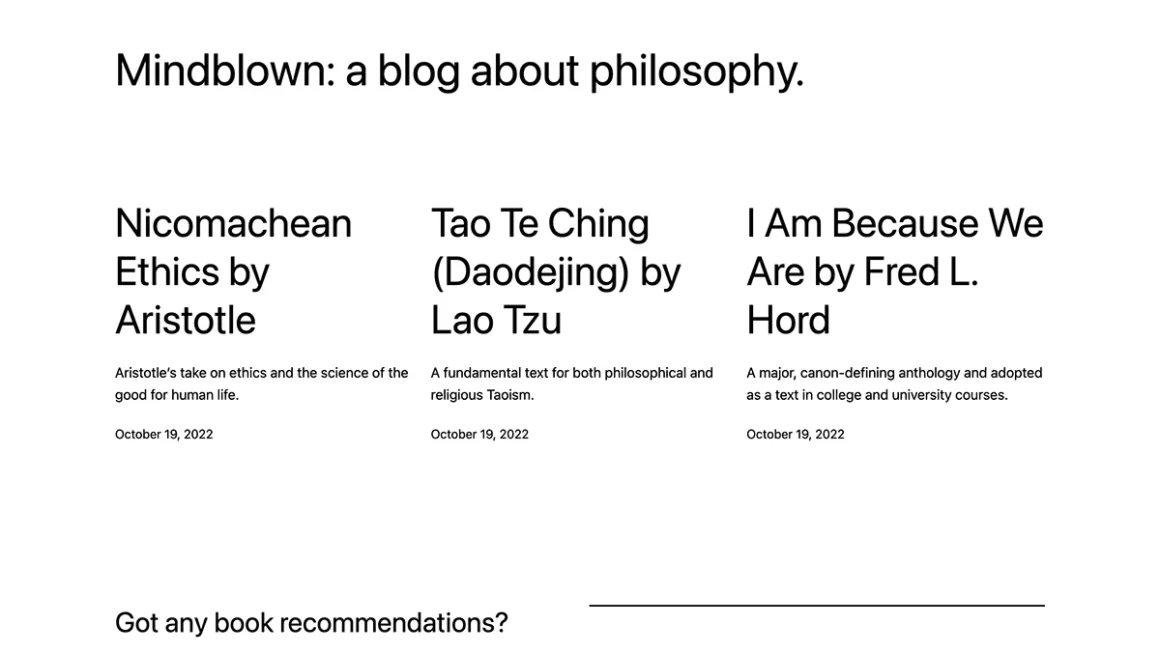
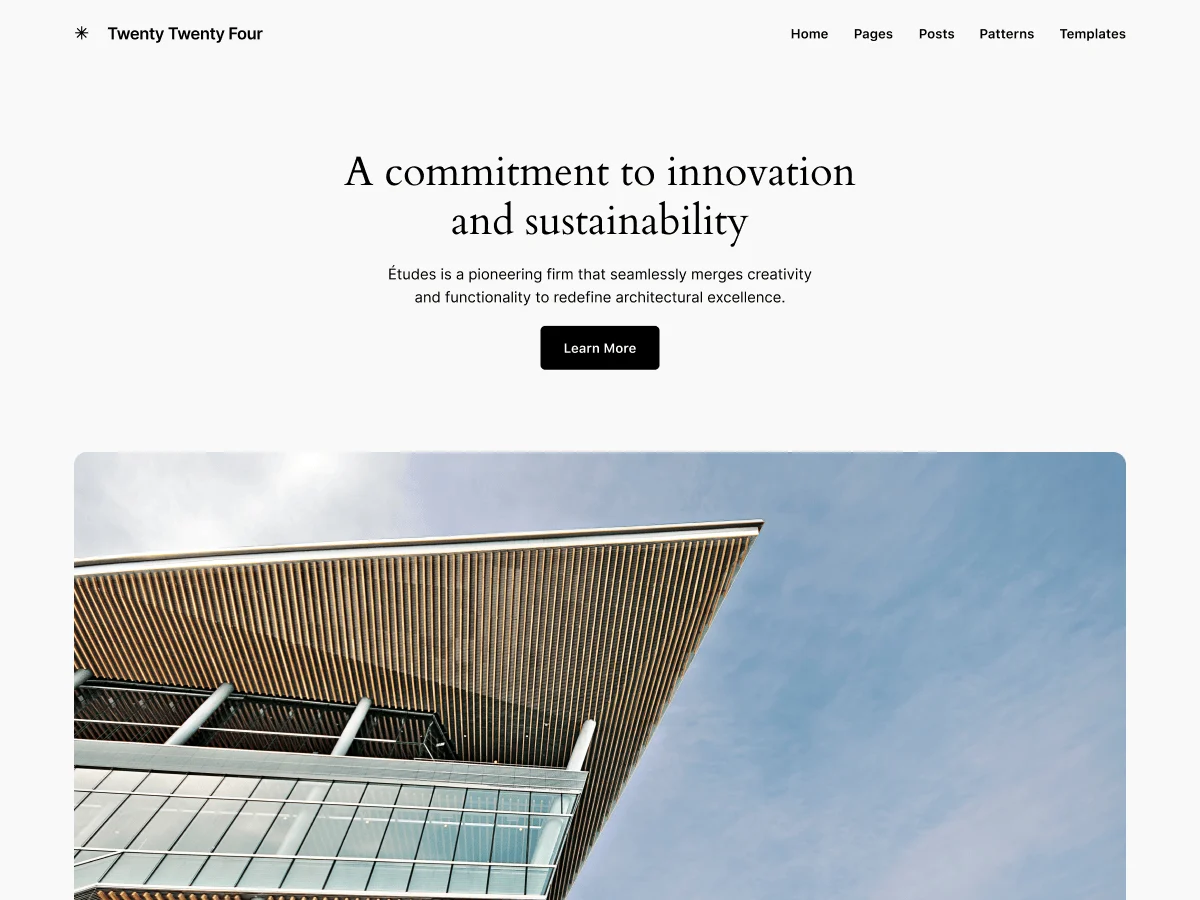
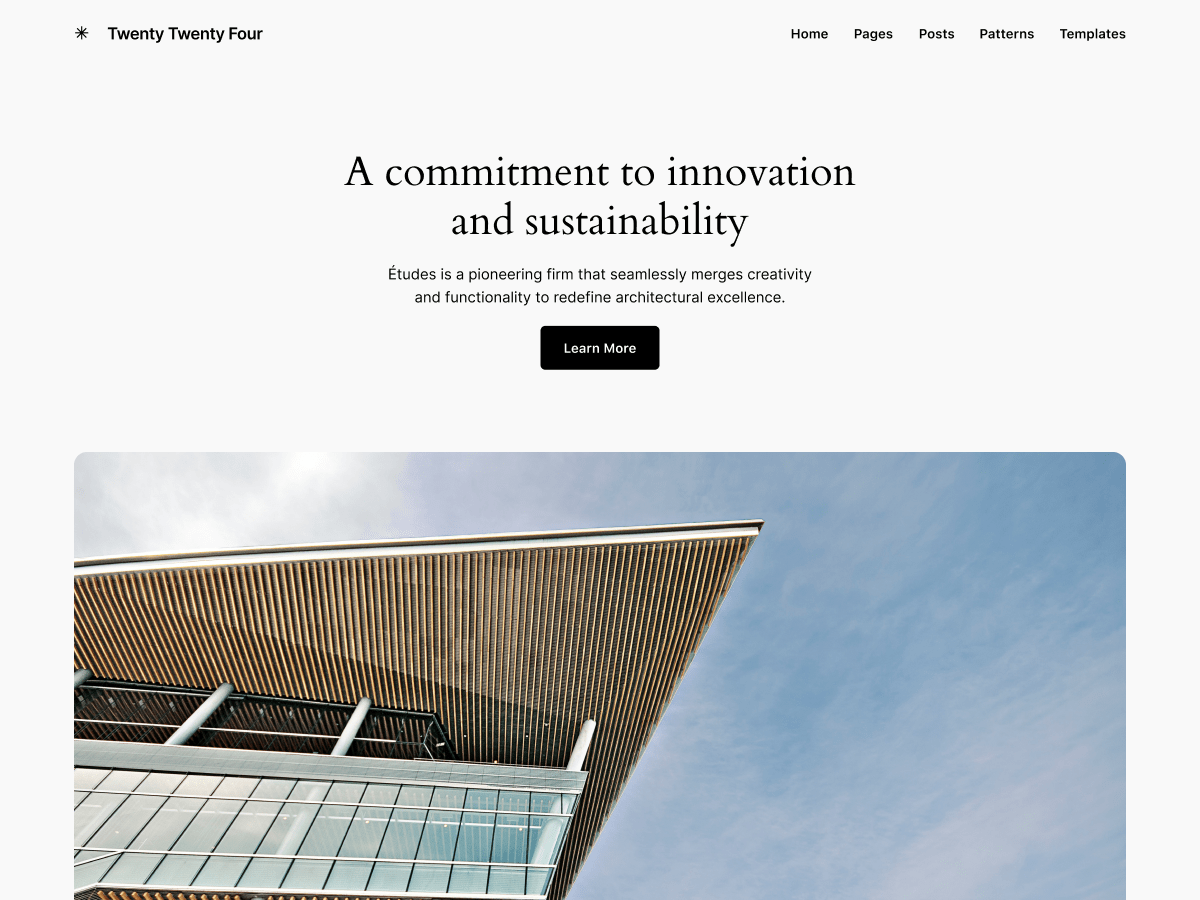
Designed from the ground up to be exceptionally flexible, versatile, and universally applicable, Twenty Twenty-Four transcends traditional categorizations. It is not merely a blog template or a corporate landing page builder; rather, it is a comprehensive design ecosystem. Whether a user is looking to establish a dynamic business presence, launch a content-rich literary blog, or build a stunning visual portfolio to showcase creative work, Twenty Twenty-Four provides the structural foundation to bring those visions to life seamlessly.
Surpassing a monumental milestone of over 500,000 active installations, this theme has quickly cemented its status as a cornerstone of the modern WordPress experience. By leveraging the latest architecture introduced in WordPress 6.4, Twenty Twenty-Four integrates deeply with the Site Editor, putting full-site editing capabilities directly into the hands of users of all technical skill levels. With eight distinct style variations, a robust collection of pre-designed patterns, and extensive layout options, the theme empowers creators to achieve professional-grade aesthetic results with just a few strategic adjustments to color and typography.
Chronology: The Development and Evolution of WordPress Default Themes
To truly understand the significance of Twenty Twenty-Four, one must look at the chronological trajectory of WordPress default themes and how they mirror the platform’s technological leaps.
The Early Era: Simplicity and Static Design
In the earlier years of WordPress, default themes like Classic, Twenty Ten, and Twenty Eleven served primarily as clean, functional canvases to introduce basic blogging features. These themes relied heavily on traditional PHP templates, standard sidebars, and rigid widget areas. Customizing them often required deep knowledge of CSS and PHP, making advanced web design a task reserved primarily for experienced developers.
The Block Revolution: Gutenberg and Beyond
The release of WordPress 5.0 marked a paradigm shift with the introduction of the Gutenberg block editor. Subsequent default themes, such as Twenty Twenty and Twenty Twenty-One, began bridging the gap between traditional structures and block-based content creation. However, the true transformation arrived with Full Site Editing (FSE)—later rebranded simply as the Site Editor—which debuted prominently in themes like Twenty Twenty-Two and Twenty Twenty-Three. These iterations transitioned the entire site architecture, including headers, footers, and templates, into editable blocks.
The Genesis and Launch of Twenty Twenty-Four
Building directly on the architecture of WordPress 6.4, Twenty Twenty-Four represents the culmination of years of iterative block-editor refinement. Conceptualized to address the diverse needs of modern web creators, the theme’s development prioritized three core pillars:
- Versatility across industries: Ensuring that a single theme could pivot effortlessly from a corporate agency site to a personal creative portfolio.
- Speed and efficiency: Providing ready-to-use full-page designs that drastically reduce the time required to launch a fully functioning website.
- Design empowerment: Offering advanced design tools that allow users to manipulate layouts, spacing, color palettes, and typography without touching a single line of code.
Since its launch, Twenty Twenty-Four has seen rapid adoption across the global WordPress community, growing to over 500,000 active installations and maintaining a robust translation network spanning dozens of languages worldwide.
Supporting Data and Technical Architecture
The strength of Twenty Twenty-Four lies not only in its visual appeal but also in its robust technical specifications and inclusive design framework. An examination of its core features and metrics reveals a theme built for performance, global reach, and modern web standards.
Core Features and Compatibility Tags
Twenty Twenty-Four comes packed with a comprehensive suite of features certified by the WordPress theme directory. Its official tags highlight its commitment to modern web standards:
- Accessibility Ready: Ensures that sites built with the theme adhere to high standards of digital accessibility, making content navigable for users with diverse disabilities.
- Block Editor Patterns & Styles: Leverages advanced block patterns and customized block styles to offer pre-fabricated design layouts that can be inserted and modified instantly.
- Full Site Editing (Block Themes): Fully compatible with the WordPress Site Editor, allowing users to modify templates, template parts, global styles, and page structures globally.
- Customization and Media: Supports custom colors, custom logos, custom menus, featured images, wide blocks, and sticky posts, giving designers absolute control over visual hierarchies.
- Localization and Global Readiness: Features robust Right-To-Left (RTL) language support and is fully translation-ready, making it accessible to international audiences.
Global Language Support
Democratizing publishing means speaking the world’s languages. Twenty Twenty-Four has achieved remarkable global penetration, with official translations available in an extensive array of languages and regional dialects. From Arabic (ar), Catalan (ca), and German (de), to Japanese, Korean, Simplified and Traditional Chinese (zh-cn, zh-tw), Hindi (gu, mr), and Ukrainian (uk), the theme bridges cultural and linguistic divides. This extensive localization effort is driven by the global WordPress translation community, ensuring that users from diverse linguistic backgrounds can build and manage sites in their native tongues.
Performance and Adoption Metrics
- Active Installations: 500,000+
- Style Variations Available: 8 distinct design aesthetics
- Supported Layout Types: One-column, blog, portfolio, news, and business landing pages
- Support and Reporting Infrastructure: Fully integrated with the official WordPress support forums and theme reporting tools to address major issues and community feedback swiftly.
Official Responses and Community Feedback
The release and widespread adoption of Twenty Twenty-Four have elicited significant commentary from the core WordPress development team, theme contributors, and the broader user community.
Insights from the Core Development Team
During the rollout of WordPress 6.4 and the introduction of Twenty Twenty-Four, lead developers emphasized that the primary goal was to create a "meta-theme"—a foundational framework capable of adapting to almost any use case without bloating the system with unnecessary code.
"We wanted to move away from the notion that a default theme must dictate a single aesthetic," noted members of the core theme team. "Twenty Twenty-Four is designed to act as a blank canvas with pre-loaded masterpieces. By combining versatile pattern collections with the advanced design tools of WordPress 6.4, creators can achieve professional design outcomes in a fraction of the traditional development time."
Community Reception and Support Forums
In the official WordPress support forums and community spaces, user feedback has largely centered on the theme’s flexibility and the steep learning curve associated with Full Site Editing for traditional users.
- Praise for Versatility: Freelancers and agency owners have lauded the theme’s pre-built page patterns, noting that they significantly accelerate client handoffs and project turnaround times. The ability to switch between eight distinct style variations with a single click has been highlighted as a major productivity booster.
- Support and Troubleshooting: While experienced developers appreciate the granular control offered by the block-based architecture, beginner users frequently utilize the support forums to navigate the nuances of the Site Editor. The active community engagement on the Twenty Twenty-Four support channel ensures that troubleshooting queries regarding global styles, template overrides, and pattern alignments are addressed promptly by seasoned contributors.
Implications for the Future of WordPress Design
The success and architecture of Twenty Twenty-Four carry profound implications for the future of web development within the WordPress ecosystem and the broader content management landscape.
Democratizing Advanced Web Design
By packaging professional-grade layouts, sophisticated typography controls, and versatile style variations into a free, default theme, WordPress continues to lower the barrier to entry for digital entrepreneurship. Small business owners, independent journalists, and creative artists who lack the budget for bespoke custom web development can now leverage Twenty Twenty-Four to establish a polished, enterprise-grade digital presence. This democratization aligns perfectly with the core mission of WordPress: to democratize publishing through open-source software.
The Shift Toward Modular Design Systems
Twenty Twenty-Four accelerates the industry-wide transition away from monolithic theme frameworks toward modular, block-based design systems. Instead of relying on third-party page builders that can introduce bloat and security vulnerabilities, users are increasingly embracing core-native solutions. The deep integration of block patterns and global styles within Twenty Twenty-Four demonstrates that native WordPress tools are now robust enough to compete directly with proprietary design platforms.
Looking Ahead: What Comes Next?
As WordPress continues its roadmap toward collaborative editing, phase-driven enhancements, and advanced workflow automation, themes like Twenty Twenty-Four serve as testing grounds for tomorrow’s web standards. The insights gathered from over half a million active installations will undoubtedly inform the development of future default themes, ensuring that WordPress remains at the forefront of digital innovation, performance, and user empowerment.
Conclusion
Twenty Twenty-Four is much more than a standard default theme; it is a powerful testament to the maturity of the WordPress block editor and Full Site Editing ecosystem. With its exceptional versatility, robust technical architecture, extensive global translation support, and rapid adoption by over 500,000 active sites, it has redefined what users can expect from a foundational web design tool. Whether utilized for a sleek corporate portfolio, a high-traffic news platform, or an engaging personal blog, Twenty Twenty-Four provides the ultimate balance of creativity, performance, and ease of use, securing its place as a milestone achievement in open-source web design.