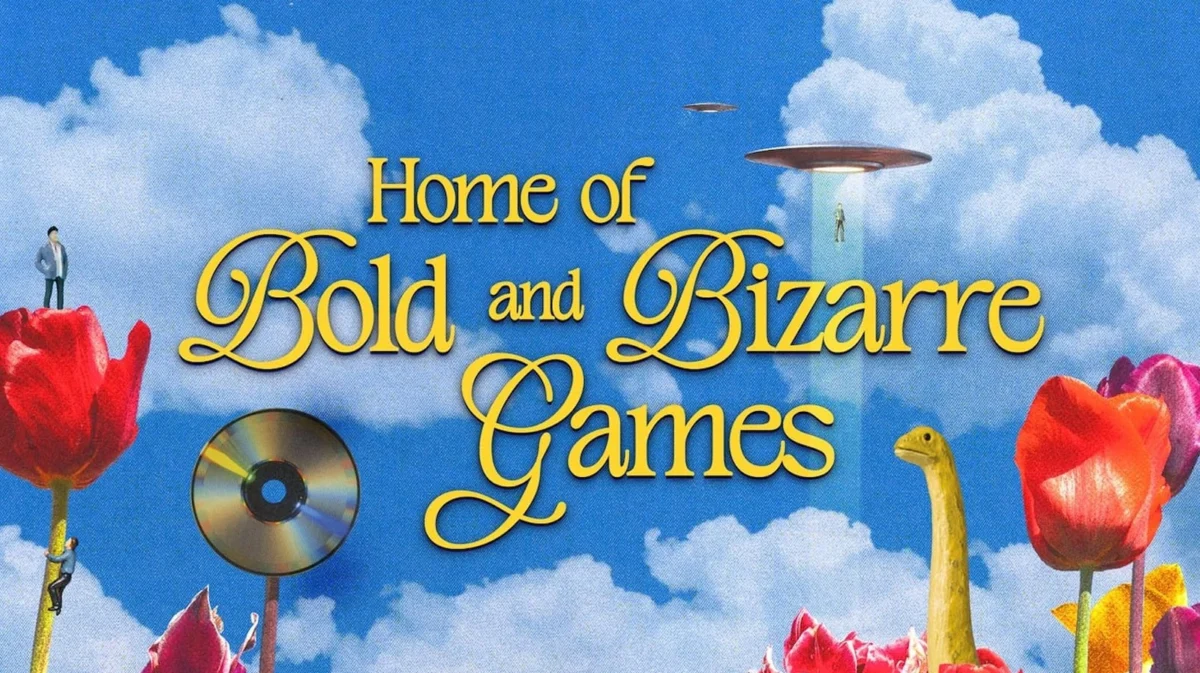
In an industry currently obsessed with the efficiency of generative AI and the algorithmic predictability of storefront giants like Steam, a new challenger has emerged with a decidedly analog soul. Pantaloon, the publisher and curator known for its cult-following newsletter, has officially launched "Playbill," a subscription service that promises to curate a revolving, evolving collection of what it describes as "bold and bizarre" indie titles.
Pantaloon’s move is not merely a play for market share; it is a philosophical statement. By positioning itself as a human-curated alternative to the "market-shaping algorithms" that dictate modern discoverability, the company is betting that there is still a massive, underserved appetite for experimental, handcrafted gaming. Perhaps most notably, Pantaloon has drawn a hard line in the sand: the Playbill platform will strictly prohibit any game utilizing generative AI, framing the service as a sanctuary for the traditional craft of game development.
A New Model for the "Bold and Bizarre"
At its core, the Playbill operates similarly to the Xbox Game Pass model, albeit on a micro-scale designed for the indie ecosystem. The service aims to bridge the gap between niche experimental titles and players who might otherwise never encounter them on a platform as sprawling as Steam.
The launch lineup is a curated selection of surreal, challenging, and genre-defying titles. Players can currently access third-party games such as Buckshot Roulette, Silt, Ex Sanguis, and Cabin Factory. These are bolstered by a strong foundation of internal titles from the Pantaloon studio, including Sub-Verge, Occlude, It Takes a War, Boxroom, Rolla, and the highly anticipated music creation sim, Offbeat.
The service also introduces a "Green Room" feature, which serves as a testing ground for the future of the platform. This section hosts demos, playtests, and what the company calls "abandoned prototypes." Currently, curious subscribers can dive into playtests for titles like Isle Goblin, Mr. Magpie’s Harmless Card Game, and the evocatively titled Lemonade Apocalypse.
Chronology: From Newsletter Puzzles to Full-Scale Publishing
Pantaloon’s journey to becoming a publisher is rooted in community-building. Before the launch of Playbill, the company operated a highly successful newsletter that amassed over 50,000 subscribers. Rather than traditional marketing, Pantaloon leveraged the intellectual curiosity of its audience. Subscribers were tasked with solving complex puzzles to earn game keys, effectively gamifying the acquisition process.
This unique approach proved that the audience was not only willing to play obscure games but was eager to engage with the brand on a deeper, more participatory level. Having successfully built this pipeline of engaged users, the transition to a subscription-based publishing model was a logical evolution.
The development of the Playbill service signifies the maturation of this community. By moving from a puzzle-reward system to a structured subscription tier, Pantaloon is attempting to stabilize the financial viability of the games it promotes. The current model—priced at $5 per month or $60 per year—is designed to be accessible, reflecting the indie ethos that the company champions.
Supporting Data and Technical Logistics
The Playbill operates on a key-based distribution system, a necessity dictated by the platform’s focus on limited-run, experimental titles. This creates a dynamic, ever-changing library. Games are rotated in and out based on key availability, ensuring that the service feels like a living, breathing collection rather than a static digital shelf.
For the subscriber, the experience differs based on their chosen tier:
- Annual Subscribers: These members receive full access to the entire initial lineup of 13 games, as well as any new titles introduced during their subscription year.
- Monthly Subscribers: These members are guaranteed one specific game per month. The selection is determined by "bespoke partnerships" with developers. To prevent "churn-and-burn" behavior—where users might sign up for a single month to grab a large library and then cancel—Pantaloon has implemented a six-month threshold. After six consecutive months of subscription, users unlock access to the full available library.
This structure is a deliberate attempt to reward loyalty and incentivize long-term investment in the platform’s success. It shifts the power dynamic away from the "consumer-as-purchaser" and toward "subscriber-as-patron."
Official Responses and the AI Stance
The driving force behind Playbill is founder Jamin Smith, whose vision for the platform is as much about ethics as it is about entertainment.
"We want the Playbill to be a celebration of more experimental and eccentric games," Smith stated during the launch announcement. "The nature of the model reduces that barrier to entry for players to check out genres and experiences that might not be surfaced by Steam’s market-shaping algorithms."
Perhaps the most significant aspect of Smith’s statement is the firm stance on emerging technology. "It’s also worth stating that we won’t feature or platform any games that use genAI in any form; the Playbill is a celebration of the craft of making games."
By explicitly banning generative AI, Pantaloon is positioning itself as a "Certified Human" space. In an era where AI-generated assets, dialogue, and code are becoming increasingly pervasive, this stance serves as a marketing differentiator. It appeals to a growing segment of the gaming population that feels alienated by the homogenization of AI-assisted content and craves the idiosyncratic fingerprints of human designers.
Implications for the Indie Ecosystem
The launch of the Playbill has significant implications for the broader gaming industry.
1. The Challenge to Algorithmic Curation
Steam’s discovery algorithm is a double-edged sword. While it allows for massive reach, it often prioritizes games with high engagement metrics, which naturally favors games that are easy to understand and mass-market in appeal. By creating a curated "walled garden," Pantaloon is providing a home for the "weird" games that would otherwise die in the deep archives of digital storefronts.
2. The Ethics of "Human-Only" Gaming
Pantaloon’s policy on AI is likely to spark debate. Supporters view it as a necessary defense of creative labor, ensuring that artists, writers, and developers remain the sole authors of their work. Critics, however, might argue that it limits the toolsets available to creators. Regardless of one’s stance, Pantaloon has successfully turned a technical limitation into a brand pillar, likely attracting a core audience of industry purists.
3. Subscription Sustainability
The "key-based" model is a fascinating experiment in sustainability. By limiting supply, Pantaloon avoids the massive overhead costs of massive server bandwidth required for streaming platforms, while simultaneously creating a sense of urgency and scarcity. It turns the act of subscribing into a hunt for rare, high-quality experiences.
4. The Future of Publishing
If the Playbill succeeds, it could provide a roadmap for other boutique publishers. Instead of fighting for space on the front page of major stores, smaller publishers may find that building a direct-to-consumer relationship through subscription services is a more stable path to profitability.
Conclusion
The Playbill is a testament to the idea that there is value in the bizarre. By creating a platform that prioritizes human craftsmanship, community engagement, and a rejection of the algorithmic status quo, Pantaloon is attempting to reshape how indie games are found, played, and valued.
For the player, the service offers a curated window into the most creative corners of the industry. For the developer, it offers a partner that refuses to compromise on the sanctity of their craft. As the industry grapples with the transformative and often disruptive potential of generative AI, Pantaloon’s gamble on the "hand-made" might just be the most subversive move in gaming today.
Whether this model can scale beyond its current 50,000-person community remains to be seen, but the initial response suggests that when you offer players something "bold and bizarre," they are more than willing to sign up for the ride.