








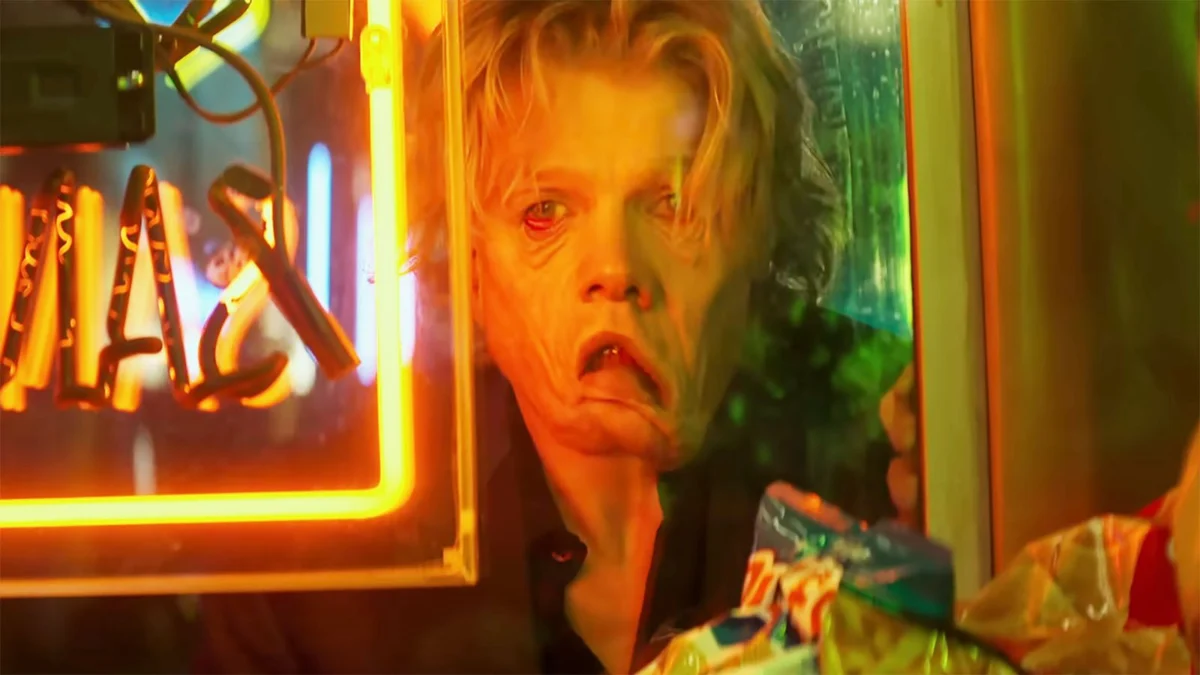
The release of Clayface, the latest high-stakes entry in the expanding DC Universe (DCU), has sent ripples through the genre of body horror. Directed by James Watkins, the film marks a historic milestone for the character, bringing the iconic Batman rogue into a live-action space for the first time with a level of grotesque, tactile detail that has rarely been seen in superhero cinema. However, the path to bringing this shifting, mud-like entity to the silver screen was far from linear. In an exclusive discussion, Watkins revealed that the villain’s final form was the result of nearly 20 distinct design iterations, a process defined as much by emotional resonance as it was by aesthetic technicality.
The Evolution of a Legend: From Ink to Screen
For decades, Clayface has been a staple of the Batman rogues’ gallery. Whether appearing as the tragic actor Matt Hagen in the seminal Batman: The Animated Series or as the hulking, amorphous beast in various comic book runs, the character has always presented a unique challenge for filmmakers: how to make a character made of mud and clay feel like a grounded, terrifying threat rather than a digital cartoon.
The production team behind the DCU’s Clayface faced a daunting legacy. They had to navigate the expectations set by decades of source material, including the definitive two-part Batman: The Animated Series arc, "Feat of Clay." This narrative, which explores the profound tragedy of Matt Hagen’s transformation, served as a foundational touchstone for Watkins’ creative team. However, as the production moved into the practical and digital design phases, it became clear that a direct translation from 2D animation to 3D live-action would not suffice.
The Iterative Process: Sculpting a Monster
"We looked at all the comics," Watkins explained during our interview. "We also looked at ‘Feat of Clay’ and the recent Creature Commandos animated series. There are a lot of versions we looked at, and then we were mindful of the final design having to look right in live-action, rather than just appearing as if it’s been pulled straight from a comic book page."
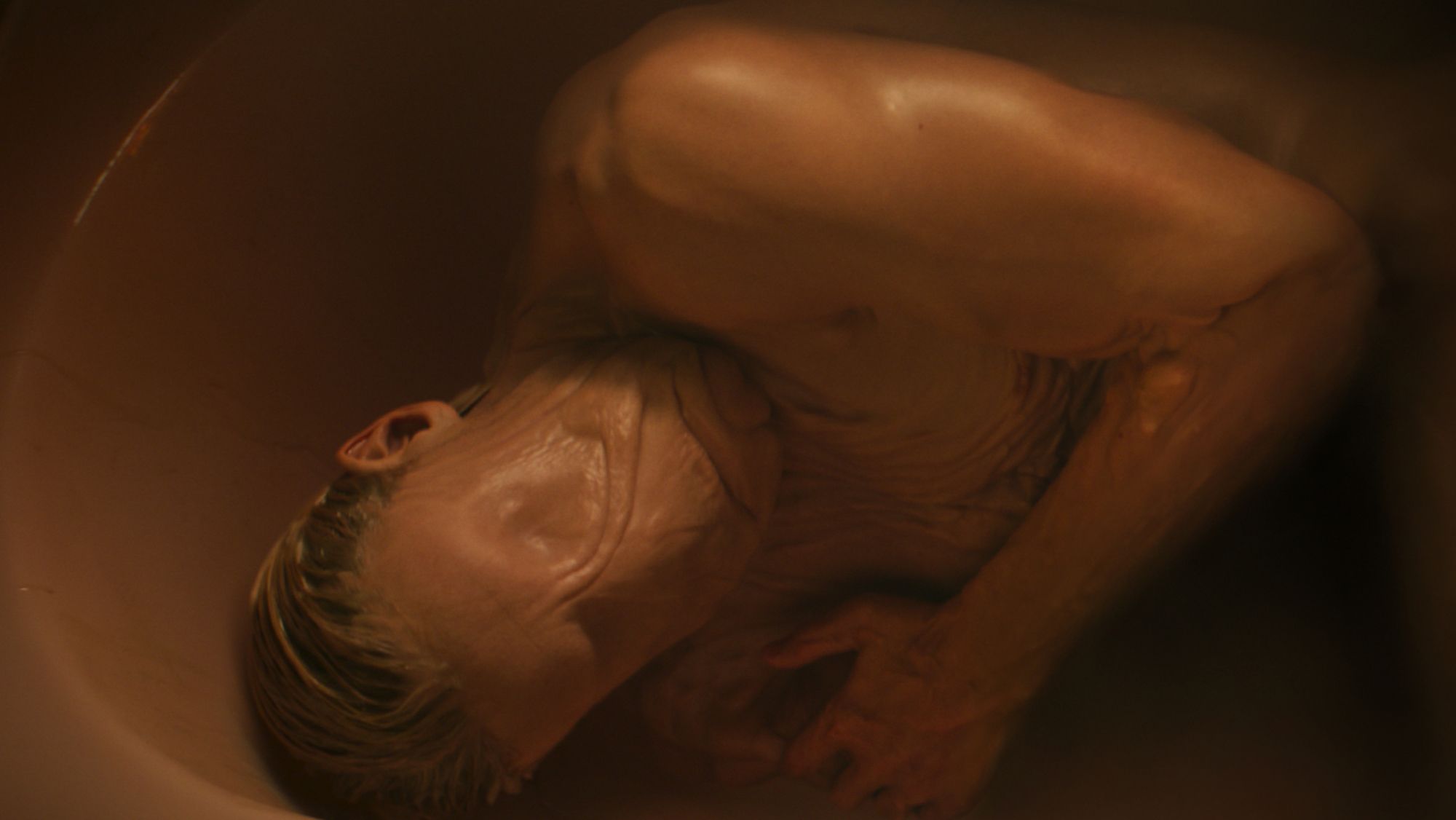
The "nearly 20 versions" mentioned by the director were not merely cosmetic tweaks. Each iteration represented a different philosophical approach to the character. Some designs leaned into the monstrous, emphasizing the scale and weight of the clay, while others focused on the human elements—the eyes, the mouth, and the subtle facial tics that would allow the audience to recognize the man beneath the muck.
The Emotional Core: The Man Behind the Mask
Perhaps the most striking aspect of Watkins’ direction is the emphasis on "the man trapped inside the monster." In an era where many comic book villains are relegated to mindless antagonists, Clayface attempts to bridge the gap between supernatural horror and character-driven tragedy.
"I guess the key thing for this interpretation is the emotion," Watkins noted. "We spent hours obsessing about the pain in his eyes, the pain in his voice when he screams—the man trapped inside the monster and the sense of that duality. We made about 17 different versions, trying to find the monster while also ensuring that we could still identify Tom Rhys Harries as Matt Hagen."
This focus on the eyes serves as the anchor for the film’s third act. By ensuring the audience can see a glimmer of humanity in Hagen’s gaze, the film shifts from a standard monster movie to a visceral, heart-wrenching exploration of identity loss. The design process was, therefore, an exercise in restraint: adding enough detail to satisfy the demands of a high-budget blockbuster, while stripping away enough to keep the humanity of the actor visible.
Navigating the DCU: A Shared Universe Context
The integration of Clayface into the broader DCU is not a vacuum-sealed event. The character’s recent appearance in the animated Creature Commandos series provided a stylistic baseline, yet Watkins insists that the film remained its own creative entity. When asked if the limitations of the animated appearances restricted his vision, the director was firm: "No, I had free rein. It was all on me."
This creative autonomy allowed for a more singular, auteur-driven vision of the character. By distancing the film from the "house style" of other DC projects, Watkins was able to lean into the body horror elements that define the character’s origins. The result is a film that feels distinct within the DCU, characterized by a grittiness that aligns more closely with the psychological thrillers of the 1970s than the polished, high-gloss aesthetic of modern superhero cinema.
The Technical Challenge: CGI vs. Practical Effects
While the interview focused on the design philosophy, the resulting performance of the character on screen speaks to a massive technical undertaking. Creating a shape-shifting character that must interact with physical environments, other actors, and light sources requires a blend of cutting-edge CGI and practical, on-set prosthetics.
In the final minutes of the film, the full manifestation of Clayface is revealed. This sequence serves as the culmination of the 20-version design journey. The lighting, the viscosity of the "clay," and the way the character shifts weight are all meticulously crafted to avoid the "uncanny valley" effect. By grounding the character in the physical, the production team has managed to make Clayface feel like a genuine, looming threat—a character whose very existence challenges the physical laws of the universe.

Implications for Future DCU Projects
The success of Clayface as a standalone, character-focused study suggests a potential shift in the strategy of the DCU. By giving directors the space to explore the darker, more horror-adjacent corners of the lore, DC Studios is signaling a willingness to diversify its tonal portfolio.
If the audience reception to the film is any indication, there is a clear appetite for these character-heavy, genre-blending stories. The "17 versions" anecdote reveals that the studio is willing to invest heavily in the pre-production phase to ensure that iconic characters are not just "done," but done right. For a character like Clayface, whose history is so intrinsically linked to the concept of transformation, this commitment to detail is not just a stylistic choice—it is a narrative necessity.
Conclusion: A New Standard for Villainy
As we look toward the future of the DCU, the work done on Clayface sets a high bar. The film serves as a reminder that the best comic book adaptations are those that understand the source material but are not afraid to reinterpret it for a new medium. By prioritizing the emotional weight of Matt Hagen’s struggle over the spectacle of his powers, Watkins and his team have created a villain that is as memorable for his sorrow as he is for his monstrosity.
For those planning to see the film, the final act stands as a testament to the months of iteration and obsession that went into the character’s design. It is a rare example of a superhero film that trusts its audience to engage with complex, darker themes, while still delivering on the visceral promise of a legendary rogue.

Whether this iteration of Clayface will return in future installments of the DCU remains to be seen, but one thing is certain: the bar for how we view, design, and empathize with DC’s most grotesque villains has been permanently raised. If the goal was to make us feel for the monster, the 20 iterations were worth every single hour of work.