




By Tech & AI Industry Desk
In the rapidly evolving landscape of artificial intelligence, the paradigm is shifting from reactive conversational partners to proactive, autonomous agents. Anthropic, a leader in AI safety and research, has entered this arena with the announcement of Claude Duet. Designed to operate quietly in the background, Claude Duet represents a major leap forward, aiming to shoulder the cognitive burden of modern professionals, entrepreneurs, and small business owners who constantly juggle multiple complex projects.
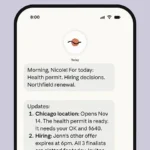
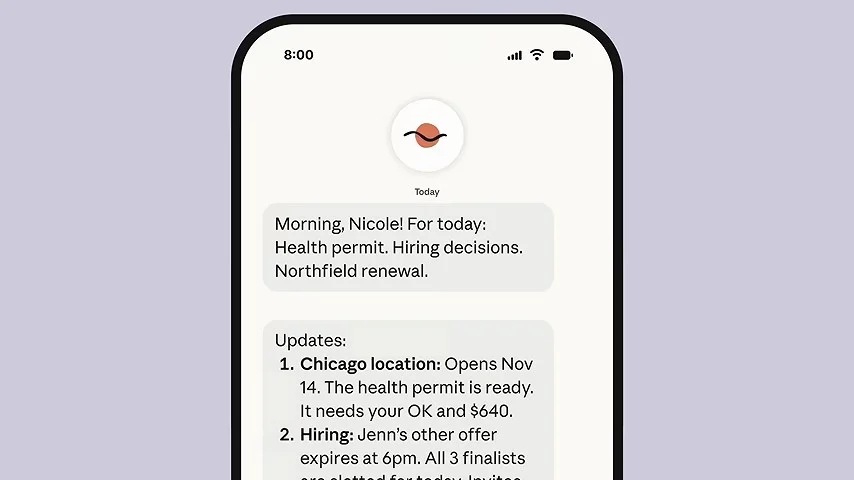
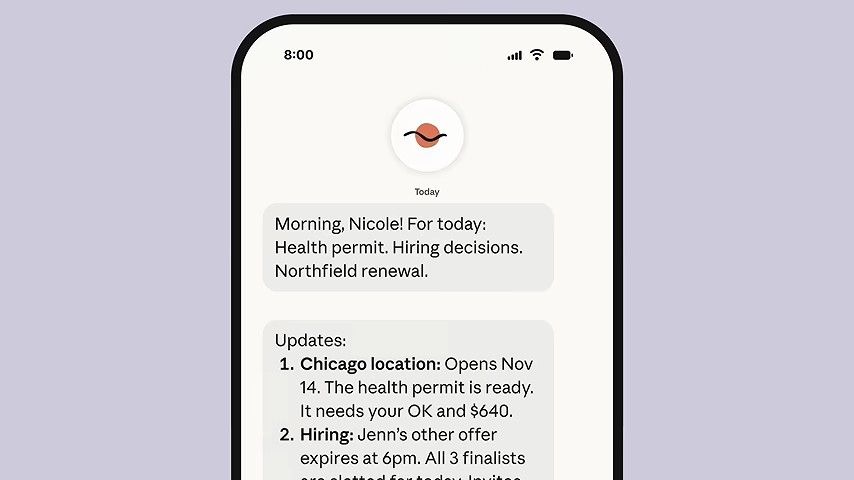
Powered by Anthropic’s advanced Claude Opus 5.5 model, Claude Duet breaks away from the traditional chatbot framework. Rather than waiting for a prompt, Duet acts independently within its own virtual machine. It monitors connected workplace applications, synthesizes morning briefings, tracks updates throughout the workday, and intervenes only when human judgment or attention is genuinely required.
As tech giants race to deploy autonomous agents—competing with concepts like Meta Muse and OpenAI Dots—Anthropic’s latest offering signals a pivotal moment in how we interact with productivity software. However, with autonomous agents processing sensitive corporate and personal data, the launch also sparks critical conversations regarding data privacy, security safeguards, and the practical limitations of early-stage AI automation.
Main Facts
Claude Duet is an ambitious step toward ambient computing in the workplace. The core facts surrounding the release outline its capabilities, technical foundation, and availability:
- Core Functionality: Claude Duet is a background-running, proactive AI agent. It autonomously monitors connected apps, provides morning status reports, tracks dynamic project changes throughout the day, and alerts users only when actionable decisions are needed.
- Underlying Technology: It is powered by Anthropic’s flagship Claude Opus 5.5 model and executes tasks within dedicated virtual machines, allowing it to function continuously even when the user is offline or away from their device.
- Task Portfolio: Beyond simple text generation, Duet can handle complex operational workflows, including scheduling meetings, building analytical dashboards, preparing detailed financial and sales forecasts, and prototyping web applications.
- Platform Availability: Currently launched as a research preview, Duet is accessible across Android, iOS, and web platforms, though availability is initially restricted to users in the United States via a waitlist.
- Pricing and Access Requirements: The service requires an active Claude Pro or Max subscription. Importantly, background tasks processed by Duet count toward the user’s standard Claude usage limits, meaning automated outsourcing is still bound by tiered quotas.
- Competitive Landscape: The release positions Anthropic alongside competitors like Meta (with Meta Muse) and OpenAI (with OpenAI Dots), all of whom are moving away from purely conversational interfaces toward task-executing agents.
Chronology: The Evolution Toward Autonomous Agents
The release of Claude Duet does not happen in a vacuum; it is the culmination of years of rapid iteration in generative AI and large language models (LLMs).
Phase 1: The Chatbot Era (2022–2023)
When generative AI first captured global public attention, tools like ChatGPT and early versions of Claude operated strictly on a reactive model. Users were required to open a web browser or app, type a prompt, wait for a response, and maintain the conversational flow manually. While revolutionary for drafting emails, debugging code, and summarizing text, these tools demanded constant human oversight and interaction.
Phase 2: Tool Integration and Plugins (2023–2024)
As models matured, AI developers began introducing tool-use capabilities. AI could now search the web, execute Python code, and interact with external APIs. However, the paradigm remained fundamentally human-driven: the user had to initiate every action.
Phase 3: The Rise of Autonomous Agents (Late 2024–Present)
Recognizing that constant prompting creates cognitive fatigue, AI labs pivoted toward "agents"—systems designed to pursue long-horizon goals with minimal human intervention. Anthropic’s development of Claude Duet marks its entry into this phase. By granting the AI the ability to run persistently inside a virtual machine and monitor connected apps without constant prompting, Anthropic has bridged the gap between passive assistant and active colleague.
Supporting Data and Technical Architecture
Underneath Claude Duet’s user-facing interface lies a complex technical architecture designed to balance high autonomy with strict boundary enforcement.
Virtual Machine Isolation
One of Duet’s defining architectural features is its execution within isolated virtual environments. Because the agent performs tasks asynchronously—such as scraping data, compiling metrics, or drafting code structures—running inside a secure virtual machine ensures that background processes do not interfere with the host operating system or compromise local device stability.
Resource and Quota Economics
AI inference is computationally expensive. Anthropic has integrated Claude Duet directly into its existing consumer subscription tiers (Claude Pro and Max). However, because Duet operates continuously in the background, users must carefully manage their token and interaction quotas. Tasks performed while the user is away consume the same finite monthly or daily limits as manual prompt sessions. This economic constraint ensures that users remain mindful of how much computational power they delegate to their autonomous agent.
Scope Limitations and Early Quirks
In its research preview phase, Anthropic has been transparent about Duet’s limitations:
- Over-Enthusiasm: Early feedback indicates that the first iteration of Duet can occasionally be overly aggressive or eager in its notifications, requiring fine-tuning of its judgment algorithms.
- Consumer vs. Professional Mismatch: Personal tasks—such as booking travel tickets or making consumer purchases—are currently sub-optimal for the model, which is heavily optimized for knowledge work, data analysis, and software development.
- Transparency Gaps: Duet cannot yet display its active browser window or step-by-step internal reasoning in real-time, making it occasionally difficult for users to audit how the agent reached a specific conclusion behind the scenes.
Official Responses and Privacy Safeguards
Whenever an AI agent gains permissions to read work messages, access project files, and navigate business tools, enterprise security and personal privacy become paramount concerns. Anthropic has addressed these anxieties head-on through formal disclosures and technical safeguards.
The Privacy Framework
To mitigate the risk of data leaks, Anthropic has implemented strict architectural boundaries for Claude Duet:
- No Direct Credential Access: Duet does not have direct access to raw passwords, master encryption keys, or persistent sign-in tokens. Instead, it interacts through authorized, sandboxed API sessions.
- Data Guardrails: The system incorporates automated filters specifically designed to detect and block the unauthorized sharing or processing of highly sensitive data, such as credit card numbers, Social Security numbers, and government-issued identification documents.
- Security Testing: Anthropic reports that Duet underwent rigorous internal red-teaming and adversarial security testing before the research preview release to identify potential vulnerabilities where malicious actors might attempt prompt injection or data exfiltration via connected apps.
"When building an agent that lives alongside your daily workflow, trust is the foundational currency," industry analysts note. “Anthropic’s decision to limit direct credential exposure and implement strict data-type filters is a necessary step to win over enterprise compliance officers.”
Implications for the Future of Work
The introduction of Claude Duet carries profound implications for the modern workforce, software design, and the broader technology ecosystem.
1. From "Copilot" to "Coworker"
For the past two years, the tech industry has relied heavily on the "copilot" metaphor—implying that the human is always flying the plane while the AI merely assists. Proactive agents like Claude Duet challenge this metaphor. By running autonomously in the background and exercising independent judgment regarding when to interrupt, agents begin to function more like junior colleagues or virtual assistants. This shift promises to reclaim countless hours lost to administrative friction, scheduling, and data collation.
2. Intensifying Competition in the Agentic Space
Anthropic is far from alone in this pursuit. The race for autonomous agents is rapidly crowding with heavyweights. Meta is pushing visual and creative agents like Meta Muse, while OpenAI continues to develop its ecosystem of task-oriented "Dots." This fierce competition guarantees that the capabilities of AI agents will accelerate rapidly throughout the coming year, forcing traditional software suites (like Microsoft Office and Google Workspace) to adapt or integrate competing agent frameworks natively.
3. The New Bottleneck: Human Attention
Ironically, as AI takes over execution, human attention becomes the ultimate scarce resource. Because agents like Duet are designed to filter noise and alert users only when necessary, the quality of their filtering algorithms will make or break their utility. If an agent cries wolf too often, it defeats its own purpose by contributing to notification fatigue. Conversely, if it misses a critical business update, the cost of autonomy becomes unacceptably high.
Looking Ahead
As Claude Duet rolls out to its initial waitlist of US-based Pro and Max subscribers, the tech community will be watching closely to see how well Anthropic’s safety guardrails hold up under real-world stress. If successful, Duet may well establish the blueprint for how humans and autonomous artificial intelligence coexist in the digital workplace of tomorrow.