



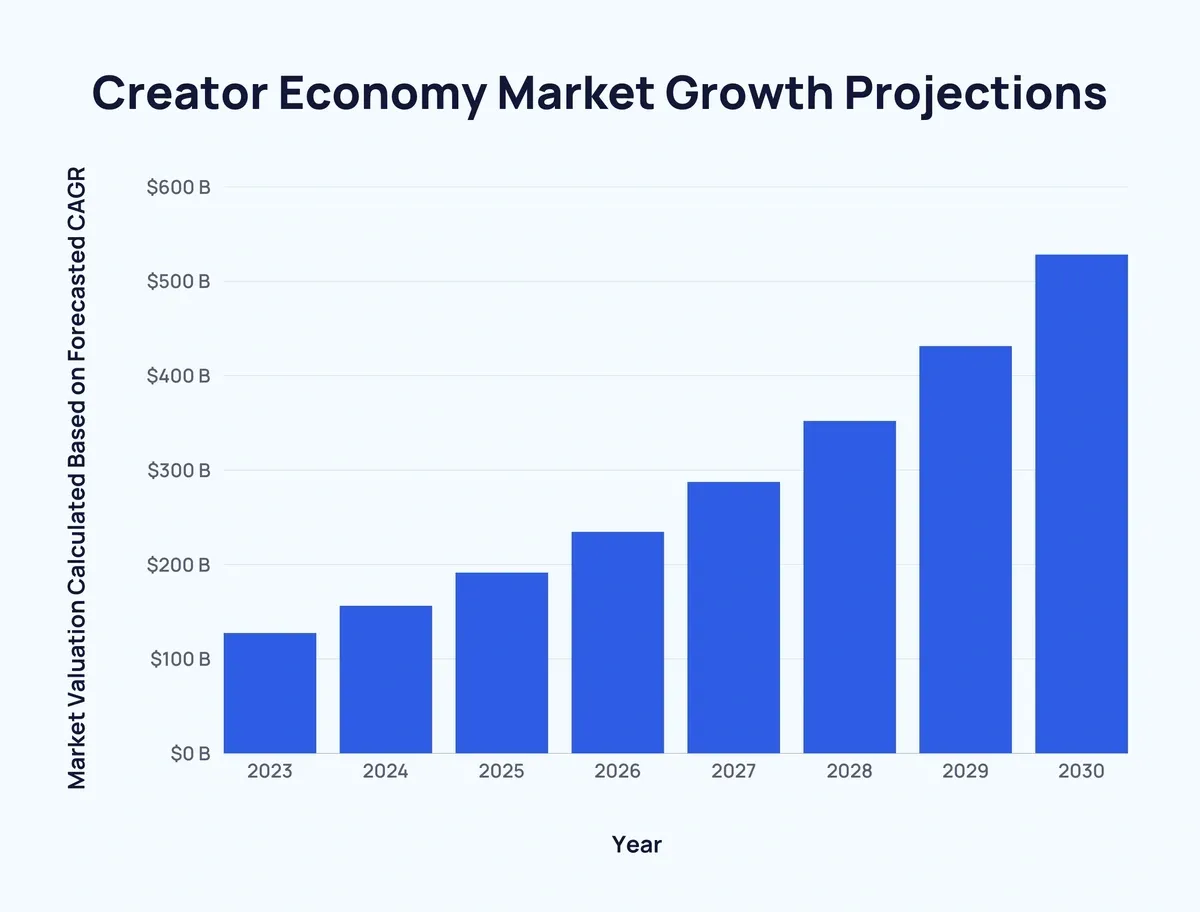
The calendar has turned, and with the arrival of 2026, the digital landscape is undergoing a profound metamorphosis. The "creator economy"—once a fragmented collection of hobbyists and influencers—has solidified into a $100 billion-plus global powerhouse. For those looking to launch or refine their digital presence, the message is clear: the era of "content for content’s sake" is over. We have entered the age of intentionality, sustainable growth, and deep audience integration.
The State of the Union: From Niche to Necessity
The World Wide Web has long served as a canvas for the human experience, but the current economic climate has elevated the creator from a digital peripheral to a cornerstone of modern commerce. Data from industry analysts indicates that the market size of the creator economy continues to expand, fueled by a shift in consumer behavior. Audiences are no longer satisfied with ephemeral, low-effort content; they are seeking value, expertise, and community.
In 2026, the barrier to entry remains low, but the threshold for success has risen. Whether you are dusting off a legacy system or deploying a cutting-edge workstation, the foundational principles remain the same: authenticity, consistency, and strategic value. As Kendall Breitman, Social Media and Community Lead at Riverside, notes, the roadmap to becoming a professional creator this year requires a pivot toward high-production standards and a clear understanding of one’s unique value proposition.
Chronology: The Evolution of the Creator
To understand where we are going, we must look at how we arrived here.
- The Early Days (2010–2015): The "Wild West" era, defined by the rise of platforms like YouTube and early blogging. Content was largely driven by discovery and the novelty of digital celebrity.
- The Influencer Boom (2016–2021): The rise of the "brand deal" model. Creators became extensions of marketing departments, focusing heavily on reach, follower counts, and transactional sponsorship agreements.
- The Professionalization Era (2022–2025): The introduction of sophisticated monetization tools, newsletters, and direct-to-audience payment models.
- The Sustainability Pivot (2026–Present): The current landscape, where the focus has shifted from "reach" to "retention." Creators are now treated as small businesses, prioritizing diversified revenue streams and community-first platforms.
Strategic Trends: Navigating the 2026 Pipeline
The team at Neoreach has identified several critical shifts that will define the trajectory of the coming year. These trends are not merely suggestions; they are indicators of how the marketplace is maturing.
1. Diversification Beyond Sponsorships
Reliance on a single revenue stream—particularly one-off brand deals—is becoming a liability. In 2026, successful creators are treating their content like a multifaceted media company. This includes integrating recurring subscription models, proprietary merchandise, and affiliate revenue. By diversifying, creators build a financial buffer against the volatility of platform algorithms.

2. The Return to Long-Form Content
While short-form video remains a potent discovery tool, the "conversion" power is moving back to long-form content. Podcasts, in-depth newsletters, and long-form video essays are currently outperforming short-form clips in terms of trust and engagement. These formats allow for a deeper narrative arc, which is essential for cultivating a loyal, high-intent audience.
3. Quality Over Quantity (The Micro-Community Model)
The "vanity metric" of follower count is losing its luster. Investors and brands are now prioritizing "engagement quality." A creator with 10,000 highly engaged, loyal followers is now more valuable than a creator with 500,000 passive subscribers. This shift rewards creators who prioritize community interaction and trust-building over viral, shallow trends.
4. Direct-to-Audience Ownership
There is a growing trend toward "creator-first" platforms. The reliance on centralized social media giants is decreasing as creators realize the danger of building a house on rented land. By migrating audiences to newsletters, private community forums, and proprietary websites, creators are regaining ownership of their data and their relationships.

Archetypes: Finding Your Creator Identity
Not every creator is destined to be a high-energy performer or a viral sensation. Identifying your specific "creator archetype" is the first step toward avoiding burnout. Dayna Winter of Shopify categorizes the modern creator into several distinct personas:
- The Virtuoso: These are the domain experts. Whether your niche is forensic accounting, high-end culinary arts, or software engineering, your value lies in your ability to synthesize complex information into digestible, actionable tutorials.
- The Bellwether: These creators act as the culture’s compass. They possess an innate ability to curate, trend-spot, and influence taste. They thrive on visual platforms like Instagram and Pinterest.
- The Performer: For those with the gift of charisma and stage presence, the camera is your instrument. Whether through comedy, music, or acting, your brand is defined by your personality and performance.
- The Technophile: This archetype sits at the intersection of hardware and software. By streaming on platforms like Twitch or providing deep-dive tech reviews, they build revenue through hardware partnerships and live event tickets.
- The Maker: Physical products are the hallmark of the Maker. Using platforms like Shopify to integrate e-commerce directly with their content, they bridge the gap between creation and consumption.
- The Iconoclast: The independent professional. These are your designers, photographers, and writers who leverage their service-based skills to sell digital products, courses, and educational assets.
Official Industry Perspectives: The Shift Toward Sustainability
Industry experts agree that the "hustle culture" that dominated the early 2020s is being replaced by a "strategy culture." The consensus among top-tier creators and venture capital firms alike is that the creator economy is no longer a niche industry—it is a cornerstone of the modern media landscape.
By integrating into traditional media—such as YouTube channels evolving into full-scale production studios that rival network television—creators are becoming the new media moguls. The advice from the experts is unanimous: stop acting like an influencer and start acting like a business owner.
Implications for the Future: What This Means for You
The trajectory of 2026 suggests that the digital space is becoming more democratic yet more demanding. The implication for new creators is twofold:
- The Need for Systems: You cannot scale if you are doing everything manually. Investing in professional-grade tools, automation, and project management is no longer optional for those seeking to make a living.
- The Value of Trust: In a world saturated with AI-generated content and mass-produced media, the human element—the specific, idiosyncratic voice of the creator—is becoming the most valuable commodity. Trust is the currency of 2026.
As you embark on your journey this year, remember that the most successful creators are those who have stopped chasing the algorithm and started serving their specific, niche community. Whether you are building your first blog, launching a podcast, or designing your first e-commerce store, the tools are at your fingertips.
The market is massive, the opportunities are abundant, and the landscape is waiting for your unique perspective. It is time to step out of the shadows, define your archetype, and start building the brand that will define your career in 2026 and beyond.
For those seeking to further their education in this space, the industry offers a wealth of resources. Whether you are looking for advanced tutorials on building with specialized creator platforms or seeking to join a community of professional peers, the resources available today provide a comprehensive bridge from amateur to expert. Engage with your community, keep your strategy fluid, and above all, keep creating.