








For the first time since 2021, Apple is preparing a comprehensive hardware overhaul for one of its most beloved form factors. The compact tablet market is bracing for a significant shift as supply chain whispers and industry insiders point to a heavily redesigned iPad mini. Moving beyond minor internal spec bumps—the last of which occurred in 2024—Apple’s upcoming portable powerhouse is slated to receive cutting-edge display technology, next-generation processing silicon, and structural durability upgrades that could redefine what a small-form-factor tablet can achieve.
However, these high-end additions may come with a notable caveat: a substantially higher price tag. As leaks and analyst reports converge, here is a detailed breakdown of what Apple has in store for the all-new iPad mini.
Main Facts
The forthcoming iPad mini represents a generational leap for Apple’s smallest tablet line, transitioning the device into a more premium category. The core updates center around visual fidelity, local artificial intelligence processing, structural resilience, and cost.
- OLED Display Integration: Breaking away from traditional LCD panels, the new iPad mini will adopt an OLED screen. While it will reportedly forgo the complex "Tandem OLED" architecture found in the high-end iPad Pro models, users can still expect substantially richer colors, deeper blacks, infinite contrast ratios, and higher peak brightness levels.
- A20 Pro Performance and 12GB RAM: Moving past the current 3nm A17 Pro chip and 8GB of memory, the upcoming model is rumored to pack the powerhouse A20 Pro paired with a generous 12GB of RAM. This massive memory upgrade is specifically tailored to run Apple’s advanced on-device AI models locally, fundamentally improving capabilities like advanced voice synthesis, dictation, and Siri intelligence.
- Historic Water Resistance: Apple is reportedly engineering a newly reinforced casing and redesigned acoustic speaker modules designed to actively prevent liquid ingress. If successful, this will make the next-generation iPad mini the first water-resistant tablet in Apple’s hardware ecosystem.
- Steep Price Increase: According to reports from Bloomberg’s Mark Gurman, the combination of advanced OLED panels and top-tier silicon could push the starting price of the new iPad mini up to $799—representing a steep $200 jump from the current $599 entry point.
Chronology: The Evolution of the iPad Mini
To understand the magnitude of the upcoming 2026/2027 overhaul, it helps to look back at the trajectory of Apple’s compact tablet line and how it arrived at this pivotal crossroads.
The Form Factor Origins (2012–2019)
When Apple first introduced the original iPad mini in late 2012, critics praised its portability while critiquing its lack of a Retina display. Over the next several years, Apple refined the architecture—adding the Retina display with the second generation, introducing Touch ID with the iPad mini 3, and bringing Apple Pencil support with the iPad mini 5 in 2019. Despite these iterative internal upgrades, the device maintained its iconic, thick-bezeled home-button design aesthetic for nearly a decade.
The Modern Redesign (2021)
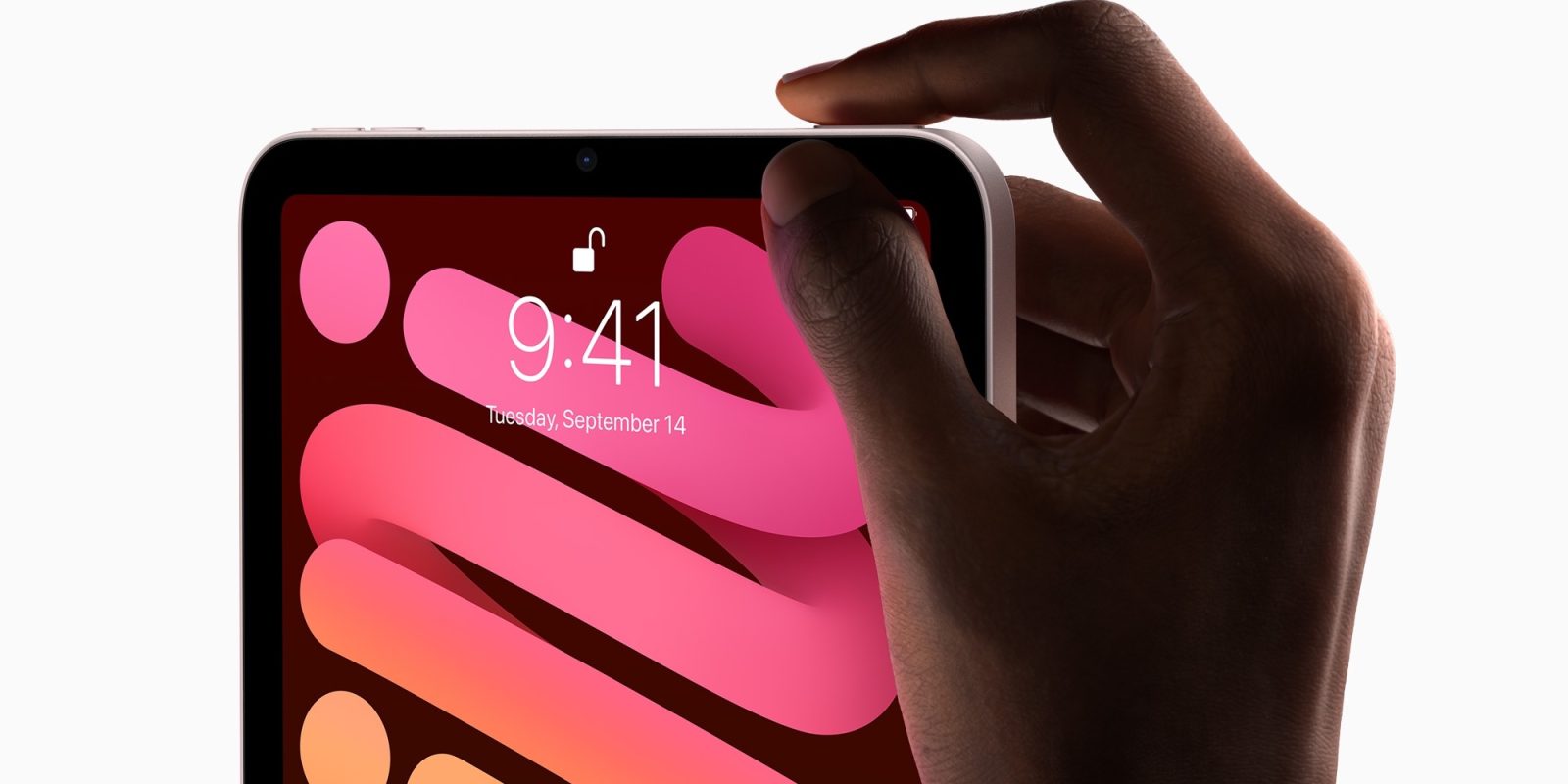
The true turning point for the lineup arrived in September 2021 with the launch of the iPad mini 6. Adopting the flat-edged, modern industrial design language of the iPad Air and iPad Pro, the device dropped the physical home button, integrated Touch ID into the top power button, shifted to USB-C, and expanded the screen real estate to 8.3 inches. It became an instant cult favorite among digital artists, pilots, and mobile professionals who required maximum power in a pocket-sized footprint.
The Minor Refresh (2024)
While fans anticipated a quicker hardware cadence following the 2021 overhaul, the subsequent update arrived quietly in 2024. This refresh primarily focused on bringing basic Apple Intelligence capabilities to the device via the A17 Pro chip and 8GB of RAM, leaving the underlying LCD display technology and external chassis largely untouched.
The Upcoming Paradigm Shift (2026 and Beyond)
Industry consensus now points to a major structural and technological departure from past iterations. By introducing OLED panels, flagship-level A-series silicon, and ruggedization features like water resistance, Apple is positioning the iPad mini not merely as a scaled-down media consumption device, but as a premier, uncompromised productivity tool.
Supporting Data & Performance Benchmarks
The transition from the A17 Pro to the rumored A20 Pro chip represents a generational performance leap for a device of this size. Early benchmark projections and leakage data indicate staggering architectural improvements across both processing and graphical output.
CPU and GPU Performance Projections
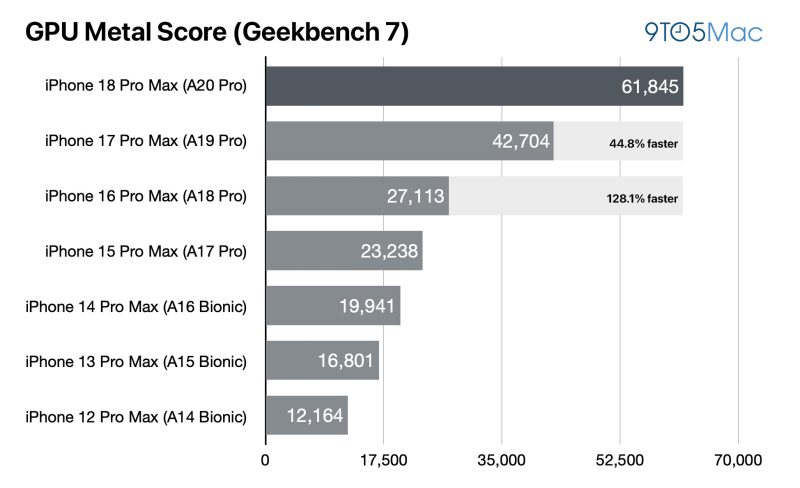
Based on internal hardware roadmaps and early Geekbench projections for Apple’s next-generation silicon architecture, the A20 Pro is expected to deliver monumental gains over its predecessor:
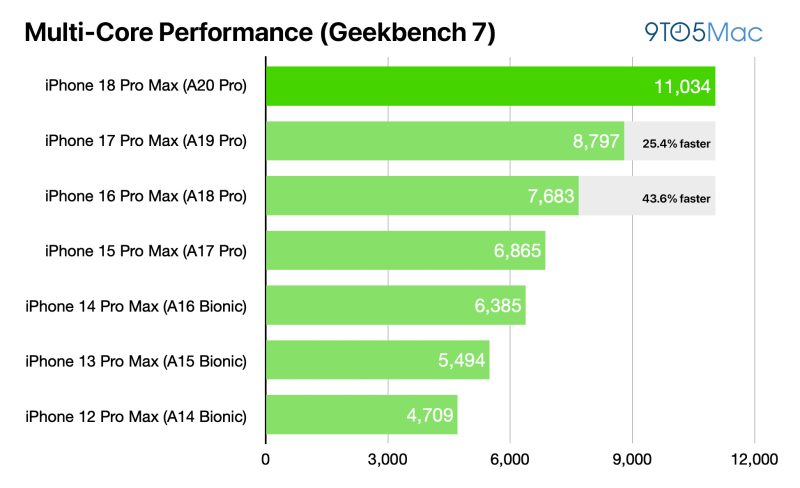
- Multi-Core CPU Performance: Expected to see a roughly 60% performance increase over the A17 Pro, allowing for lightning-fast app launching, seamless multitasking, and heavy creative workflows (such as 4K video editing and 3D rendering) executed natively on a mobile operating system.
- GPU Graphics Rendering: Projected to achieve up to a 166% improvement in GPU performance. This massive graphical headroom will transform the iPad mini into an elite portable gaming machine, capable of running console-grade titles with hardware-accelerated ray tracing effortlessly.
Memory Bandwidth for Artificial Intelligence
The inclusion of 12GB of unified memory is perhaps the most critical spec upgrade for the future-proofing of the device. Running localized Large Language Models (LLMs) requires substantial RAM bandwidth and capacity. With 12GB, the new iPad mini will be fully equipped to handle Apple Intelligence operations directly on the device without relying heavily on cloud servers, ensuring faster response times and enhanced user privacy.
The Refresh Rate Debate
While the integration of OLED technology is virtually guaranteed, a lingering point of contention among display analysts is whether Apple will finally bring its 120Hz ProMotion technology to the mini lineup. Current rumors suggest the device may launch with a standard 60Hz refresh rate to maintain product differentiation from the iPad Pro. Tech enthusiasts and consumers continue to voice hope that Apple will surprise the market by implementing smooth scrolling, though supply chain constraints and pricing boundaries make 60Hz a distinct possibility.
Official Responses and Industry Commentary
Apple, true to form, has declined to comment on unreleased products or supply chain rumors. However, prominent industry analysts and financial journalists have offered significant color regarding the strategic direction of the device.
Bloomberg’s Mark Gurman has been particularly vocal regarding the pricing trajectory of the upcoming model. In recent notes to investors, Gurman highlighted that the transition to custom OLED panels—which require complex manufacturing processes for smaller, high-density screens—inherently drives up production overhead.
"When you pack desktop-class silicon, heavy-duty AI memory configurations, and advanced organic light-emitting diode displays into an 8-inch chassis, the economics of manufacturing shift dramatically," notes supply chain analysis.
Display supply chain consultants have similarly pointed out that while single-stack OLED panels are cheaper to produce than the Tandem OLED architectures utilized in Apple’s professional-tier tablets, they still represent a substantial cost increase over the legacy IPS LCD panels utilized in the current iPad mini. Consequently, analysts emphasize that Apple must position the device as a "prosumer" offering rather than a budget-friendly entry point.
Implications for the Consumer Market
The pivot toward a high-end, premium iPad mini carries wide-ranging implications for consumers, competitors, and Apple’s broader product ecosystem.
The Price-to-Value Dilemma
The most immediate impact will be felt by everyday consumers. For years, the iPad mini occupied a comfortable middle ground for users who wanted Apple ecosystem integration without paying the steep $800+ entry fee of an iPad Pro or 11-inch iPad Air. A potential starting price of $799 places the iPad mini squarely in direct competition with fully-fledged laptops and top-tier smartphones. Buyers will need to weigh whether the portability of an 8-inch form factor justifies paying pro-level prices for a device that lacks a physical keyboard attachment ecosystem on the scale of the Magic Keyboard.
Redefining Rugged Mobile Computing
The addition of water resistance could fundamentally change how niche markets utilize the device. Aviation professionals (such as pilots utilizing electronic flight bags), marine navigators, field researchers, and outdoor enthusiasts often rely on the iPad mini due to its compact footprint. Historically, these users have had to purchase bulky, third-party waterproof enclosures that degrade touch sensitivity and add bulk. An inherently water-resistant iPad mini eliminates this friction point entirely, broadening its utility in extreme environments.
The AI Landscape on Small Screens
By equipping the form factor with 12GB of RAM and the A20 Pro chip, Apple is signaling that advanced AI capabilities should not be restricted to large-screen devices or flagship iPhones. Users who prefer a one-handed, highly portable reading and writing device will no longer have to sacrifice intelligence features for form factor preference.

As the official announcement window approaches, all eyes remain on Cupertino to see whether Apple can strike the delicate balance between bleeding-edge hardware innovation and accessible consumer pricing.