







While the tech community remains fixated on the impending release of the iPhone 17 series, the rumor mill has already begun to pivot toward the 2026 horizon. The iPhone 18 lineup, currently shrouded in the early stages of development, is shaping up to be a pivotal turning point for Apple’s hardware philosophy. If the latest industry reports are to be believed, Apple is preparing a radical overhaul of the device’s front-facing architecture—a move that could spell the end of one of the most recognizable UI elements in modern smartphone history: the Dynamic Island.
As Cupertino engineers look toward the 2026 cycle, the consensus suggests that the iPhone 18 Pro and Pro Max models will push for a "truly all-screen" experience, utilizing under-display Face ID technology. This shift would represent more than just a minor aesthetic change; it would fundamentally alter how users interact with their devices.
The Evolution of the Apple Display: From Notch to Island to Invisible
To understand the weight of these rumors, one must look at the chronology of Apple’s display design. Since the introduction of the iPhone X in 2017, Apple has struggled with the "sensor housing" dilemma—how to include high-fidelity facial recognition cameras and speakers without obscuring the display.
- 2017-2021 (The Notch Era): Starting with the iPhone X, Apple popularized the "notch," a black cutout that housed the TrueDepth camera system. It became a polarizing signature of the brand.
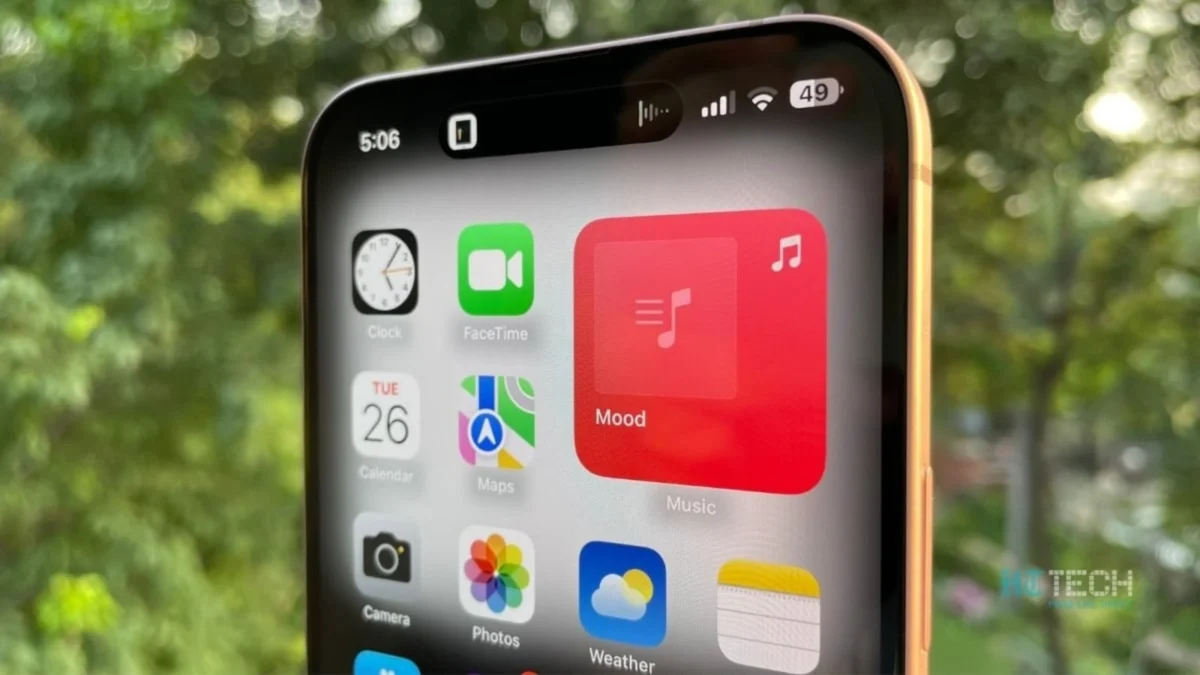
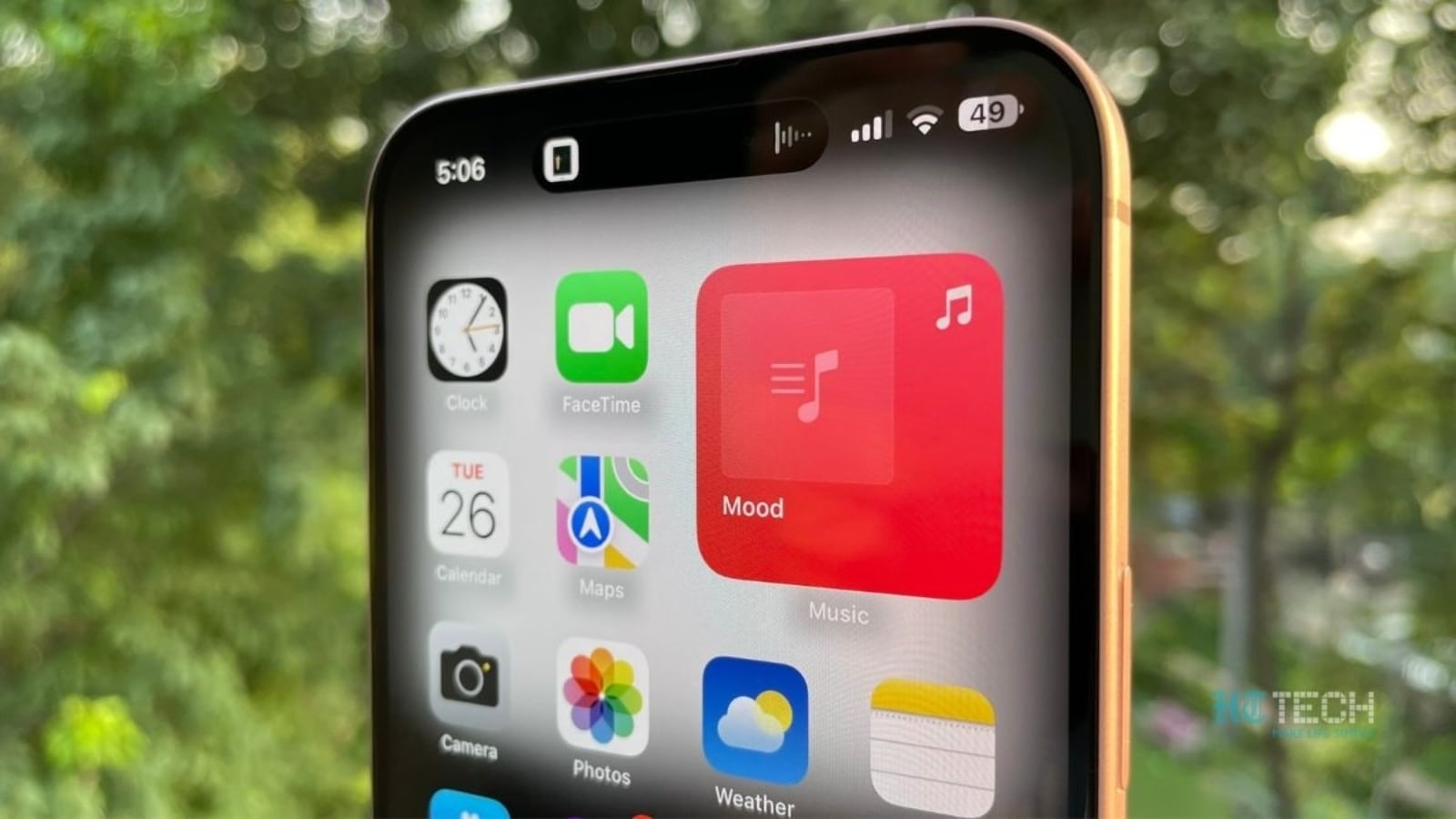
- 2022 (The Dynamic Island Revolution): With the iPhone 14 Pro, Apple turned a hardware limitation into a software superpower. By surrounding the camera cutouts with pixels and utilizing clever animation, the "Dynamic Island" was born. It transformed the static notch into an interactive hub for Live Activities, media controls, and system notifications.
- 2026 (The Under-Display Transition): Reports from The Information indicate that Apple is finally on the cusp of perfecting under-display Face ID. By tucking the complex sensor array beneath the OLED panel, the need for a large cutout may vanish, leaving only a small, discreet hole-punch for the front-facing camera.
Under-Display Face ID: The Technological Hurdle
The primary driver behind this potential design shift is the maturation of under-display sensor technology. For years, the challenge for engineers has been light transparency. Sensors, specifically the infrared components used for Face ID, require significant light throughput to function accurately. Placing these sensors behind an OLED screen often results in signal degradation, which can lead to slower authentication speeds or security compromises.
According to industry insiders, Apple has been refining its OLED panel integration to ensure that the display area over the Face ID sensors remains transparent enough for high-speed, high-security recognition, yet dense enough to remain visually indistinguishable from the rest of the screen.
If successful, the iPhone 18 Pro will likely shift the front-facing camera to the top-left corner of the display. This positioning would be a departure from the current center-aligned layout, marking a significant visual break from the design language established over the last four years.
Contradictions and Market Speculation
It is important to approach these rumors with a degree of healthy skepticism. The mobile tech industry is a landscape of shifting priorities. Previous reports suggested that Apple might simply shrink the Dynamic Island to a more compact, less intrusive size. This "middle-ground" approach would allow Apple to keep the interactive UI elements that users have grown to love while minimizing the visual footprint.
The conflict between the "Total Removal" theory and the "Minimized Island" theory creates a fascinating narrative. Does Apple view the Dynamic Island as a temporary stopgap or a permanent feature of iOS? If the company decides to remove the island, it must find a way to replicate the functionality—shortcuts, background notifications, and live status updates—within the standard UI, perhaps through a more integrated Notification Center or an expanded Control Center.
The iPhone 18 Roadmap: A Two-Phase Launch Strategy
Beyond the display, the structural organization of the iPhone 18 series suggests a radical change in Apple’s release cadence. Traditionally, Apple hosts a singular, massive event in September to showcase its entire new lineup. However, current reports indicate that the Cupertino giant may adopt a staggered, two-phase rollout strategy for 2026.
Phase One: September 2026
- iPhone 18 Pro & Pro Max: These flagships will likely showcase the cutting-edge under-display tech, the latest A-series Pro silicon, and advanced camera arrays.
- iPhone 18 Air: A new, high-end "slim" model intended to replace the "Plus" branding, focusing on portability and a premium, ultra-thin industrial design.
Phase Two: March 2027
- iPhone 18 (Standard): The baseline model, designed for mass-market appeal.
- iPhone 18e: An entry-level "essential" device, likely acting as a successor to the SE line, aimed at budget-conscious consumers who still want the latest software experience.
This shift suggests that Apple is attempting to better segment its market. By separating the premium launches from the entry-level ones, Apple can manage its supply chain more efficiently and ensure that the "Pro" hardware remains the clear, unadulterated focus of the autumn season.
Implications for User Experience
The removal of the Dynamic Island would have profound implications for iOS. For three years, developers have been building "Live Activities" around the assumption that the island exists. If the hardware is removed, Apple faces a major UX challenge: how does the system display a timer, a flight status, or a sports score without that dedicated "space"?
One possibility is that Apple transitions to a "Ghost Island" UI—a software-based, floating interface that mimics the island’s functionality without requiring the physical cutout. Alternatively, Apple may be preparing a total redesign of the iOS status bar, pushing information into the corners of the display or utilizing the edges of the screen in entirely new ways.

Official Responses and Corporate Strategy
As is standard protocol, Apple has declined to comment on "rumors or unannounced products." However, the company’s recent patent filings paint a clear picture of their R&D focus. Multiple patents registered by Apple over the last 24 months detail mechanisms for "light-transmissive display regions" and "sub-pixel adjustment for integrated optical sensors." These filings confirm that the internal research is active and moving toward the exact specifications rumored for the 2026 lineup.
The Competitive Landscape
The pressure to innovate is immense. Competitors in the Android ecosystem, particularly brands like Samsung, Xiaomi, and ZTE, have already experimented with under-display cameras. However, these implementations have often been criticized for poor photo quality or visible pixel grid patterns over the lens.
Apple’s strategy has always been to wait until a technology is "good enough" to be indistinguishable from the rest of the device. If the iPhone 18 Pro hits the market with a perfect under-display sensor, it will likely be heralded as the industry benchmark, effectively ending the "notch" era for the entire smartphone industry.
Final Thoughts: The Cost of Progress
If Apple moves forward with these plans, the iPhone 18 Pro will be the most significant hardware departure in a decade. While the Dynamic Island brought personality and utility to the top of our screens, its removal signals Apple’s ultimate ambition: a piece of glass that is entirely display, with no distractions, no cutouts, and no compromises.
For the consumer, this presents a bittersweet prospect. We may be saying goodbye to a beloved interface element that helped define the iPhone 14, 15, and 16 generations. But in its place, we are promised the realization of the "all-screen" dream—a device that is finally as close to a seamless pane of glass as modern physics allows.
As we look toward September 2026, the question is not just whether Apple will ditch the island, but whether they can replace its functionality with something even more intuitive. The transition will be a testament to Apple’s ability to evolve its identity, proving once again that in the world of high-end technology, the only constant is change.