









In an era where digital landscapes shift overnight, staying ahead of the curve is no longer a luxury—it is a necessity for survival. From the granular details of search engine optimization to the complex psychological frameworks driving social media advertising, the marketing ecosystem is undergoing a radical transformation. This report synthesizes the latest industry insights, providing a comprehensive guide to navigating today’s complex digital environment.
The Strategy of Restoration: Breathing New Life Into Legacy Content
For many content creators and businesses, the pressure to produce a relentless stream of fresh material often leads to burnout and diminishing quality. However, industry experts suggest that the most potent growth opportunity often lies in the past.
Why Content Refreshes Outperform New Creations
Search engine algorithms prioritize relevance, but they also place a high premium on authority. As content ages, it often loses its "freshness" score, causing search rankings to dip. However, the foundational authority—the backlink profile and historical engagement—remains. By updating old content with current statistics, new expert insights, and updated formatting, marketers can restore relevance without building authority from scratch.
As Melanie Deziel highlighted at Social Media Marketing World, the "content refresh" is a tactical move that maximizes existing assets. Instead of starting from a blank page, marketers should audit their top-performing legacy posts and ask: What has changed in this industry since this was published? By simply updating a date, adding a new data point, or incorporating a modern video embed, a page can often regain its former traffic dominance in a fraction of the time it takes to produce a new long-form article.
The Behavioral Shift: Why Emotion Beats Sales Tactics
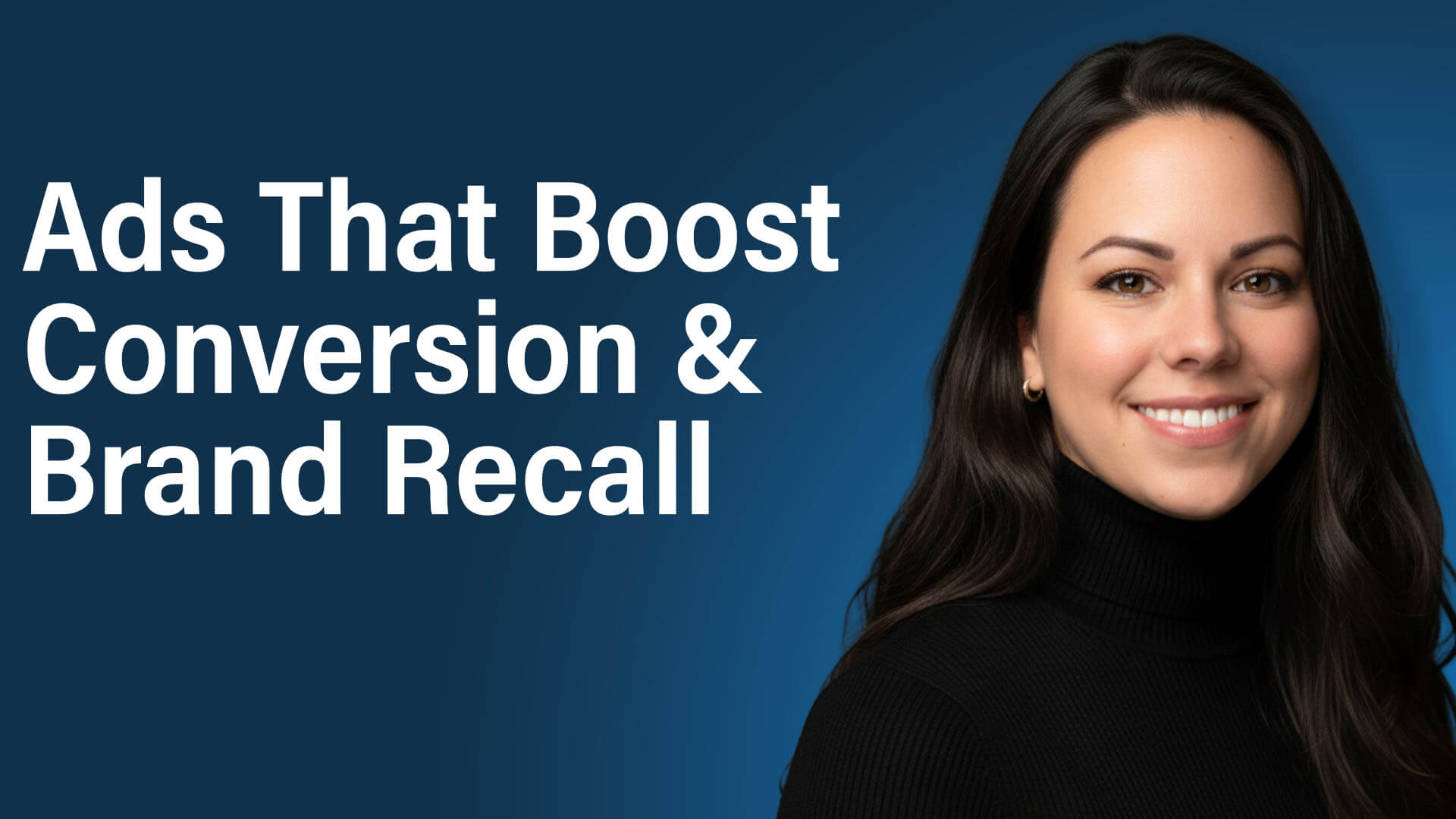
The traditional "sales funnel" is increasingly being bypassed by algorithmic feeds that prioritize engagement over intent. Consumer behavior analyst Sarah Levinger, founder of Tether Insights, argues that the shift in how social platforms deliver content necessitates a complete overhaul of how we approach ad creative.
Moving Beyond the "Sell"
Modern algorithms serve content based on perceived interest rather than user intent. Consequently, an ad that immediately pivots to a hard sell is often filtered out by users who aren’t in a "buying" mindset. Levinger suggests that ads should perform a "job"—typically educating or entertaining—before attempting to convert.

The Psychology of Emotional Dials
Two core psychological concepts—valence (the pleasantness of an emotion) and intensity (the arousal level)—dictate how a message is received. A subtle word choice can shift a campaign from ignored to viral. Levinger advocates for using AI-driven analysis of customer reviews to identify the specific emotional vocabulary of your audience. If your customers use specific, high-intensity words, your ad creative should mirror that linguistic landscape to create immediate cognitive resonance.
Abandoning the Avatar
Perhaps the most controversial point in modern behavioral marketing is the rejection of the "customer avatar." Traditional marketing taught us to create a singular, static persona. However, Levinger points out that human beings are multifaceted. A buyer might act as a professional in the morning, a parent in the afternoon, and a hobbyist at night. Targeting a "version of self" rather than a fixed demographic persona allows for more fluid, context-aware advertising that connects with the buyer exactly where they are in their daily cycle.
Hallway Connections: The Value of Unwritten Marketing Wisdom
While digital tools dominate our workflows, the most transformative marketing strategies are rarely found in a blog post or a white paper. They occur in the "hallway"—those spontaneous, unfiltered conversations at industry conferences where experts trade secrets that are too sensitive or too nuanced for public consumption.
The networking opportunities at events like Social Media Marketing World serve as an incubator for long-term collaboration. The marketers you meet at these events often become the trusted partners you rely on to solve complex problems throughout the year. It is a reminder that in an age of AI and automation, the human element remains the most significant competitive advantage.
Industry News: A Rapid-Fire Breakdown
The landscape of social media platforms and advertising tools is evolving at a breakneck pace. Here is a summary of the most critical platform updates from the past week.
Meta Enhances Community and Ad Management
Meta has unveiled significant upgrades to its Forum app, designed to streamline community management for Facebook Groups. With AI-integrated moderation tools, admins can now automate post reviews, drastically reducing the manual labor required to maintain group quality. Simultaneously, Meta has introduced "Creative-Level Audience Selection," a feature that allows advertisers to specify demographic preferences for individual creative assets within a single ad set. This eliminates the need for redundant ad sets, allowing for cleaner campaign structures.
LinkedIn Expands CTV Reach
B2B marketers now have a more powerful tool for reaching professional audiences via Connected TV (CTV). By integrating LinkedIn’s professional targeting data into Google’s Display & Video 360, advertisers can now execute programmatic CTV campaigns that leverage the precision of LinkedIn’s data on the scale of streaming television.
Reddit’s New Planning and Optimization Suite
Reddit is maturing its advertising platform with a new "Campaign Planner" and an optimization scoring system. These tools are designed to move Reddit away from being a "niche" advertising option and toward a performance-based powerhouse. The inclusion of automated budget allocation, which shifts funds to the highest-performing ad groups in real-time, indicates a major push to compete with the performance metrics offered by Meta and Google.
YouTube’s Security Safeguards
In an effort to curb the rise of account compromises, YouTube has launched a new automated feature that places a "temporary security pause" on channels exhibiting suspicious activity. While this may temporarily restrict a creator’s ability to publish, it serves as a critical shield against unauthorized access, ensuring that years of content and audience trust aren’t wiped out by a hack.

Chronology of Trends: From Funnels to Buying Behaviors
The evolution of digital marketing can be mapped across several distinct eras:
- The Awareness Era (Early 2000s): Focus on search engine rankings and keywords.
- The Social Era (2010s): Focus on community growth and follower counts.
- The Algorithmic/Behavioral Era (2025-Present): Focus on emotional resonance, intent-based delivery, and cross-channel behavioral mapping.
Google’s recent studies on buying behavior suggest that the traditional "linear funnel" is dead. Instead, customers engage in a "messy middle" of exploration and evaluation. Marketers who build a library of content specifically mapped to these non-linear stages—rather than forcing a linear progression—are seeing higher conversion rates across the board.
Implications for the Modern CMO
The takeaway from these developments is clear: efficiency is no longer about doing more; it is about being more precise.

- Audit Before Creating: Never create new content if you have a legacy piece that can be refreshed.
- Embrace AI for Sentiment, Not Just Content: Use AI to analyze the "emotional dials" of your customer base rather than just using it to write copy.
- Diversify Your Reach: The integration of LinkedIn data with CTV and Reddit’s new optimization tools suggests that the "walled gardens" of advertising are becoming more porous. Multi-channel integration is now a technical reality rather than a conceptual goal.
- Human-Centric Strategy: As AI automates the "how" of marketing, the "why"—driven by strategy, networking, and deep consumer psychology—remains the sole province of the human marketer.
As we move toward the end of the year, the most successful campaigns will be those that balance technical automation with a profound, almost ethnographic, understanding of the audience. The tools are changing, but the fundamental need to connect, resonate, and solve problems remains the bedrock of effective marketing.