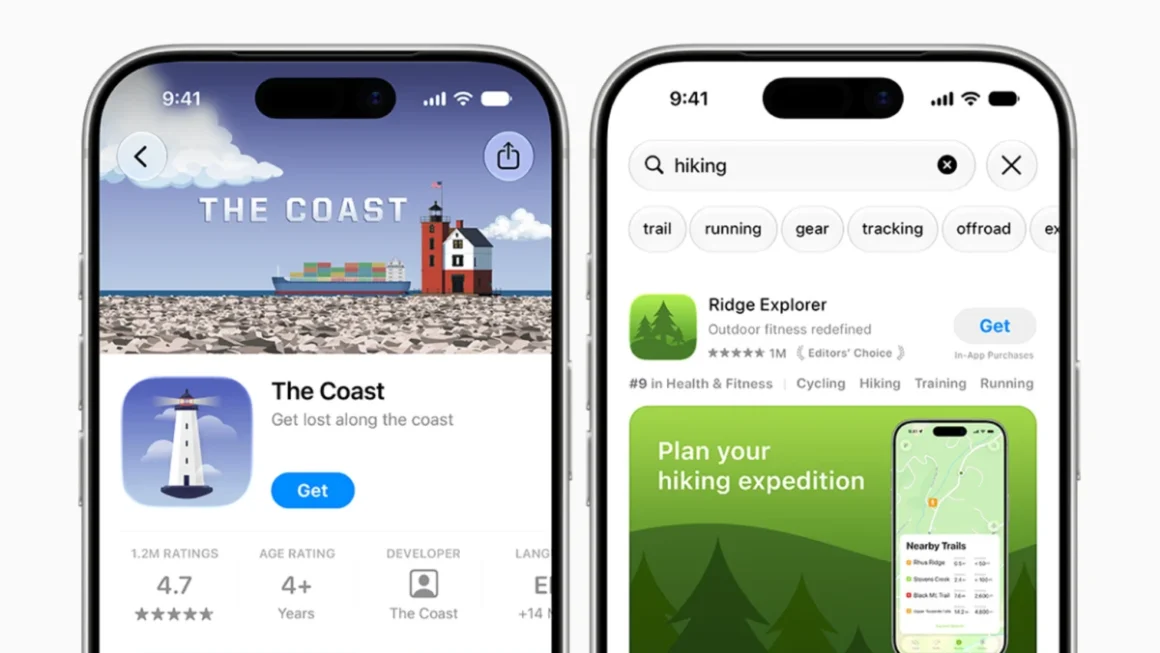







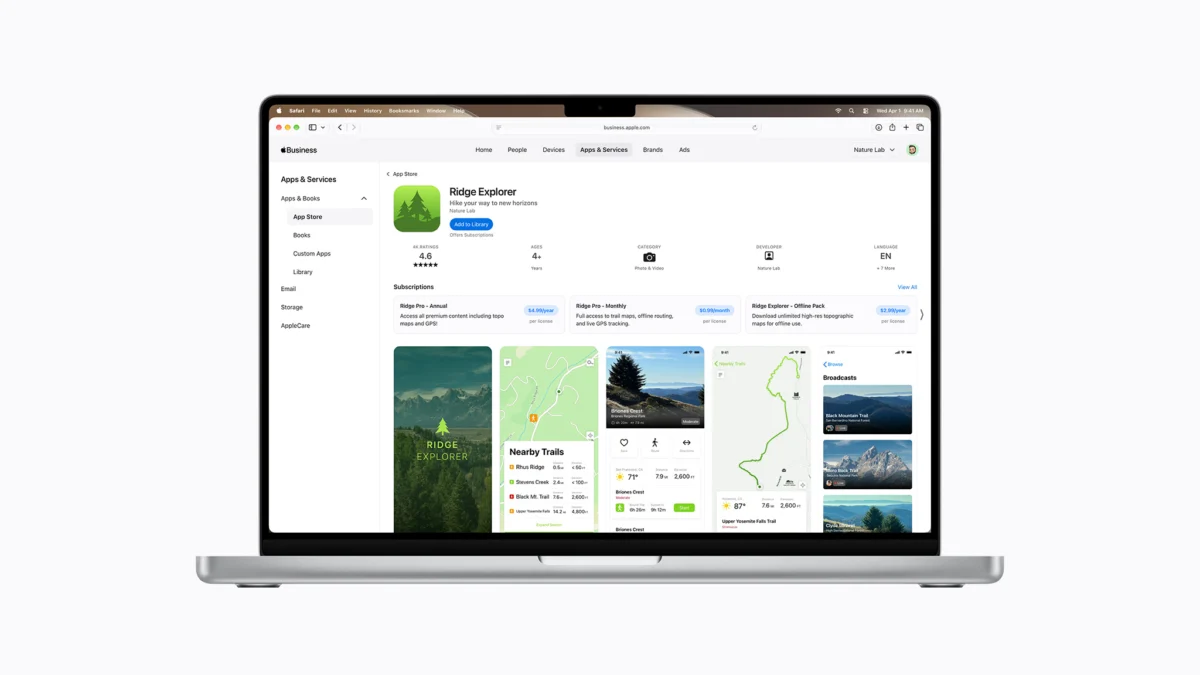
CUPERTINO, CALIFORNIA — In a major expansion of its enterprise and education ecosystem, Apple has officially launched multiseat purchasing for auto-renewable app subscriptions. Rolled out globally today, the new framework allows organizations, businesses, and educational institutions to acquire volume subscriptions through a streamlined, centralized process.
The announcement, which marks a significant evolution in how software is deployed and monetized on Apple platforms, bridges a long-standing gap between individual consumer app subscriptions and the complex procurement requirements of large institutions. By integrating multiseat capabilities directly into Apple Business Manager, Apple School Manager, and App Store Connect, Apple is empowering developers to tap into lucrative institutional markets with minimal friction.
Main Facts
The core of Apple’s new offering centers on flexibility, scalability, and centralized administration. Historically, selling auto-renewable subscriptions to organizations presented logistical hurdles. Businesses often had to manage individual corporate credit cards for dozens—or hundreds—of employees, or rely on convoluted invoicing systems that lacked the seamless renewal mechanics of consumer-grade App Store subscriptions.
Under the new system, organizations can now purchase multiple subscription seats in a single Apple In-App Purchase transaction. Key elements of the rollout include:
- Centralized Management: IT administrators can purchase, assign, revoke, and reallocate seats using their existing mobile device management (MDM) tools.
- Dynamic Scalability: Organizations can add or remove seats at any time to match fluctuating headcount, seasonal hiring, or shifting educational cohorts.
- Default Opt-In: Multiseat purchasing is enabled by default for existing auto-renewable subscriptions in App Store Connect, allowing immediate availability through Apple Business Manager and Apple School Manager unless developers manually opt out.
- Upcoming Group Purchasing Support: Extending beyond formal organizations, Apple is introducing group purchasing capabilities later this year, enabling individuals to buy multi-seat packages and share access with family, friends, or small teams.
Developers retain full control over their catalog. Through App Store Connect and the App Store Connect API, creators can configure availability options, test transaction flows, and integrate these volume-based models directly into their existing software architecture.
Chronology
The path to multiseat subscription purchasing represents the culmination of years of iterative improvements to Apple’s enterprise infrastructure and developer tools.
Foundation and Early Infrastructure (2014–2020)
Apple’s journey into volume software distribution began in earnest with the introduction of the Volume Purchase Program (VPP), which was eventually subsumed into Apple Business Manager and Apple School Manager. While VPP successfully streamlined the distribution of perpetual-license apps and paid applications, it struggled to accommodate the modern software-as-a-service (SaaS) economy, which rapidly shifted toward auto-renewable subscriptions. For years, developers offering subscription services had to build custom enterprise licensing portals or rely on manual redemption codes—a cumbersome workaround that limited adoption in corporate and academic sectors.
WWDC 2026: The Paradigm Shift
The framework for today’s release was first unveiled during Apple’s Worldwide Developers Conference (WWDC) in June 2026. During Session 391, titled "Offer subscriptions to groups and organizations," Apple engineers laid out the architectural vision for multiseat purchasing. Developers were given their first look at how App Store Connect would handle bulk transactions, API configurations, and MDM integration.
October 22, 2026: Official Launch
Today marks the official commercial debut of multiseat purchasing for organizations and educational institutions. Enterprises utilizing Apple Business Manager and Apple School Manager can immediately begin purchasing, assigning, and managing auto-renewable app subscriptions at scale.
October 28, 2026: Sandbox Testing for Groups
Building on the enterprise rollout, Apple has scheduled October 28, 2026, as the date when developers can begin configuring and testing group purchases within their Sandbox Apple Accounts. This sandbox phase is designed to ensure developers can rigorously test invite mechanisms, multi-seat billing, and access controls ahead of the consumer-facing winter launch.
Winter 2026: Consumer Group Purchases
Looking ahead, Apple will expand multiseat functionality to everyday consumers this winter. This phase will allow individual users to purchase multi-seat subscriptions—ideal for collaborative consumer apps, shared household utilities, or small study groups—and seamlessly invite others to share the subscription pool.
Supporting Data and Technical Architecture
To understand the magnitude of this release, one must examine the underlying mechanics provided by Apple’s developer ecosystem. The integration relies heavily on three core pillars: App Store Connect, the App Store Connect API, and MDM protocols.
Adoption Metrics and Market Opportunity
According to industry estimates, the global B2B SaaS market continues to expand exponentially, with mobile-first enterprise applications commanding a substantial share of software spending. By streamlining procurement, Apple is removing the administrative overhead that historically caused enterprise procurement departments to bypass iOS and iPadOS apps in favor of web-based alternatives.
Educational institutions, a cornerstone of Apple’s hardware ecosystem, stand to benefit immensely. School districts using Apple School Manager can now provision software licenses for entire classrooms or grade levels with the same transactional ease previously reserved for free educational apps or bulk textbook purchases.
API and Developer Implementation
For developers, implementing multiseat capabilities does not require rewriting core subscription logic. Because the feature is enabled by default in App Store Connect, qualifying auto-renewable subscriptions automatically become visible to institutional buyers.
However, developers wishing to customize their offerings can utilize the App Store Connect API for Configuring Multiseat Subscriptions for Organizations. This API allows back-end systems to:
- Monitor seat allocation and utilization trends.
- Programmatically handle institutional pricing tiers.
- Sync in-app user entitlements with corporate directory services (such as Azure AD or Google Workspace) when paired with MDM solutions.
[Institutional Buyer / IT Admin]
       │
       ▼ (Single In-App Purchase)
[Apple Business Manager / Apple School Manager]
       │
       ▼ (Seat Assignment & Management)
[MDM Tools / Enterprise Network]
       │
       ▼ (Validation & Entitlement)
[Developer's App Server via App Store Connect API]
This clean separation of duties ensures that Apple handles the billing and heavy lifting of volume transactions, while the developer’s server simply verifies seat tokens issued by the App Store.
Official Responses and Industry Perspectives
Reaction from the developer community and enterprise IT sectors has been overwhelmingly positive, tempered by a keen interest in how edge cases will be managed.
Speaking on background, a lead product manager for a prominent productivity app suite noted:
"For years, corporate sales for mobile-first apps were an administrative nightmare. We had to issue custom invoices, manually track license keys, or watch enterprise customers give up entirely because they couldn’t expense five separate individual subscriptions on a single corporate card. Apple’s multiseat framework solves a massive pain point for B2B developers overnight."
Educational technology leaders have expressed similar enthusiasm. School district IT directors frequently cited the friction of managing individual teacher-account subscriptions as a major bottleneck in deploying specialized learning apps. With Apple School Manager now supporting auto-renewable volume subscriptions, districts can maintain continuous software access across academic years without manual license renewals.
Apple’s official documentation emphasizes that the system is designed to protect user privacy while giving administrators the oversight they require. Organizations do not gain access to personal Apple Account data; instead, they manage "seats" that can be mapped to organizational device identifiers via MDM.
Implications for Developers, Enterprises, and the App Economy
The introduction of multiseat app subscriptions carries profound implications across the entire technology landscape.
1. A New Growth Vector for B2B Developers
Independent developers and venture-backed SaaS companies alike now have a direct pipeline into the enterprise and education markets. By leveraging the App Store’s trusted payment infrastructure, developers no longer need to build and maintain bespoke enterprise billing engines or navigate lengthy procurement cycles with corporate purchasing departments. The familiarity and security of the App Store checkout process instill immediate trust among enterprise buyers.
2. Streamlined IT Administration
For Chief Information Officers (CIOs) and school administrators, software asset management (SAM) on Apple devices becomes significantly more cohesive. Managing subscriptions through Apple Business Manager means that employee turnover no longer results in orphaned or wasted subscriptions; IT admins can instantly revoke a seat from a departing employee and reassign it to a new hire with a few clicks in their MDM dashboard.
3. Shift in Consumer Dynamics This Winter
While today’s launch focuses heavily on businesses and schools, the upcoming winter rollout of group purchases will redefine consumer app monetization. Apps geared toward productivity, creativity, fitness, and entertainment will soon be able to offer bundled family or peer plans that users can purchase and distribute directly through the App Store, increasing average revenue per user (ARPU) while reducing churn.
4. Competitive Pressure on Other Platforms
Apple’s comprehensive integration of multiseat volume licensing directly into its operating system framework sets a high benchmark for competing ecosystems. By uniting consumer convenience with enterprise-grade manageability, Apple continues to solidify its position as the premier platform for professional and educational mobile computing.
Conclusion
Apple’s launch of multiseat subscription purchasing marks a watershed moment for the App Store ecosystem. By bridging the gap between massive institutional buyers and agile software developers, Apple has unlocked a new era of commercial scalability. As organizations begin utilizing these tools today, and as group purchases loom on the horizon for this winter, the way we buy, manage, and share digital subscriptions is permanently changed. Developers who embrace these new APIs stand to capture significant market share in the rapidly expanding enterprise and education app economy.