






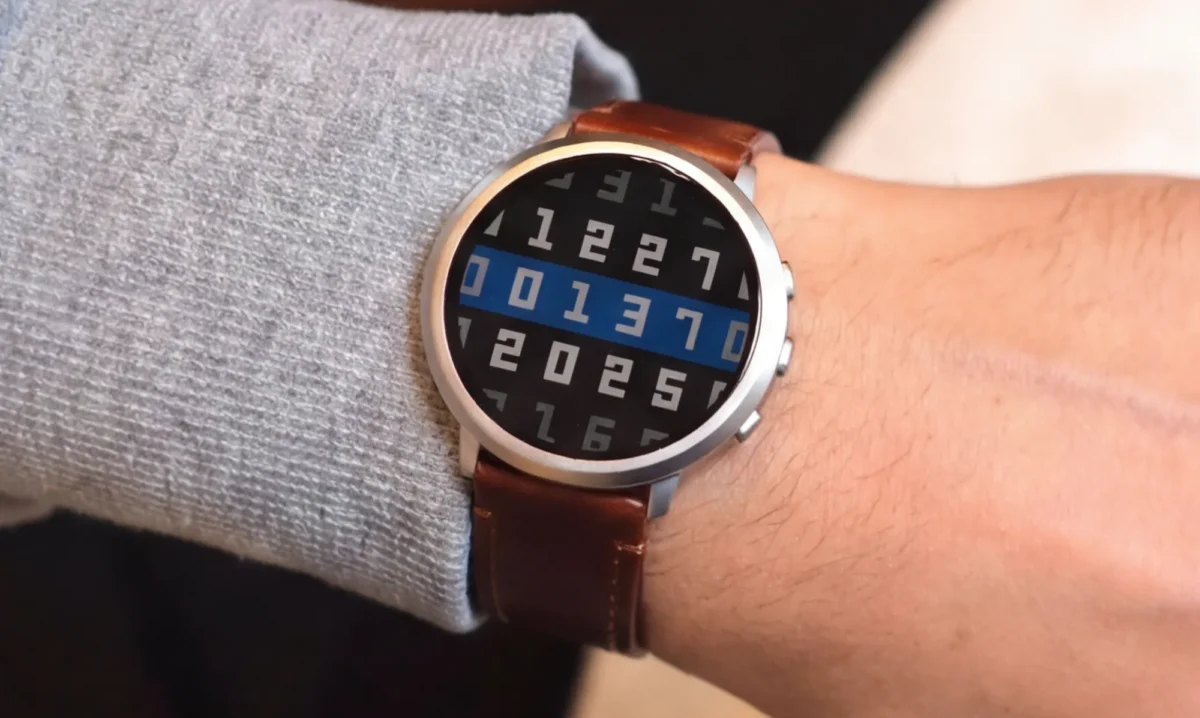
The wearable technology landscape is a graveyard of ambitious startups and discarded hardware, yet few brands evoke the same level of nostalgia and fervent loyalty as Pebble. After years of dormancy, the brand that arguably defined the early smartwatch era is undergoing a massive, community-driven revitalization. Following Google’s decision to open-source the Pebble legacy code, founder Eric Migicovsky has spearheaded a movement to bring the hardware back into the modern age. Now, that effort has reached its most significant milestone yet: the introduction of a robust plugin architecture that promises to transform the Pebble from a charming relic into a versatile, modern companion.
The Evolution of the Pebble Ecosystem: A Chronology
To understand the significance of this update, one must look at the tumultuous history of the platform. Pebble’s journey began as a record-breaking Kickstarter project in 2012, setting the gold standard for e-paper displays and week-long battery life. Despite its success, the company was acquired by Fitbit in 2016, effectively killing the software support for millions of devices.
For years, the Pebble community kept the dream alive through third-party services like Rebble. However, the true "resurgence" began in early 2025, when rumors of a formal brand revival began to circulate. By mid-2025, the vision became reality. The announcement of new hardware—specifically the Pebble Time 2 and the Pebble Round 2—galvanized the tech community.
The timeline of this modern era is marked by rapid development:
- January 2025: Initial industry reports suggest a potential formal return of the Pebble brand.
- Mid-2025: Official confirmation follows, paired with the release of source code by Google, allowing developers to rebuild the backend architecture.
- Late 2025: The launch of the Pebble Time 2 and Pebble Round 2 proves that the demand for "distraction-free" wearable tech remains high.
- October 2026: The announcement of a new "Plugin" framework signals a shift from static, app-based functionality to a dynamic, data-rich ecosystem.
Deconstructing the Plugin Architecture
For the better part of a decade, Pebble users have relied on the traditional app model. While effective for simple tasks, this structure was inherently limited by the constraints of legacy code and the inability to pull live, contextual data without dedicated, high-overhead applications.
Eric Migicovsky’s latest update on X (formerly Twitter) reveals a paradigm shift. The introduction of plugins—written in JavaScript and executing in the background on the companion smartphone app—allows for a "headless" approach to wearable data.
Why Plugins Matter
In the current ecosystem, if a user wants weather data or stock updates, they must install a specific application that consumes precious memory and battery. With the new plugin system, these functions are offloaded to the phone.
- Background Execution: Plugins act as data conduits, pulling information like traffic, weather, or financial data and pushing it directly to the watch interface.
- Dynamic Complications: Watchfaces will no longer require hardcoded data fields. Instead, they can dynamically query plugins for updated information, allowing for cleaner, more customizable design.
- Advanced Logic: Beyond simple data display, plugins can trigger webhooks, control smart home devices via voice or button commands, and interact with calendar events—tasks that previously required complex, often buggy workarounds.
Security and Permission: The Modernization Requirement
As the Pebble platform matures, it must align with modern privacy standards. A significant component of this update is the introduction of a granular permissions system. In the past, apps often operated with broad access levels. Under the new framework, users must explicitly grant permission for specific plugins to access sensitive data, such as GPS coordinates or specific web URLs.
This focus on privacy is not just a safety feature; it is a necessity for user adoption in 2026. By running these plugins locally on the smartphone rather than through a cloud-based relay, Pebble ensures that the user’s data remains under their direct control, mitigating the risk of the data-harvesting practices common in modern "big tech" wearable platforms.
Implications for the Wearable Market
The resurgence of Pebble is a fascinating case study in "anti-tech" sentiment. In a market dominated by power-hungry OLED screens and devices that demand daily charging, Pebble offers a compelling alternative: the e-paper display.
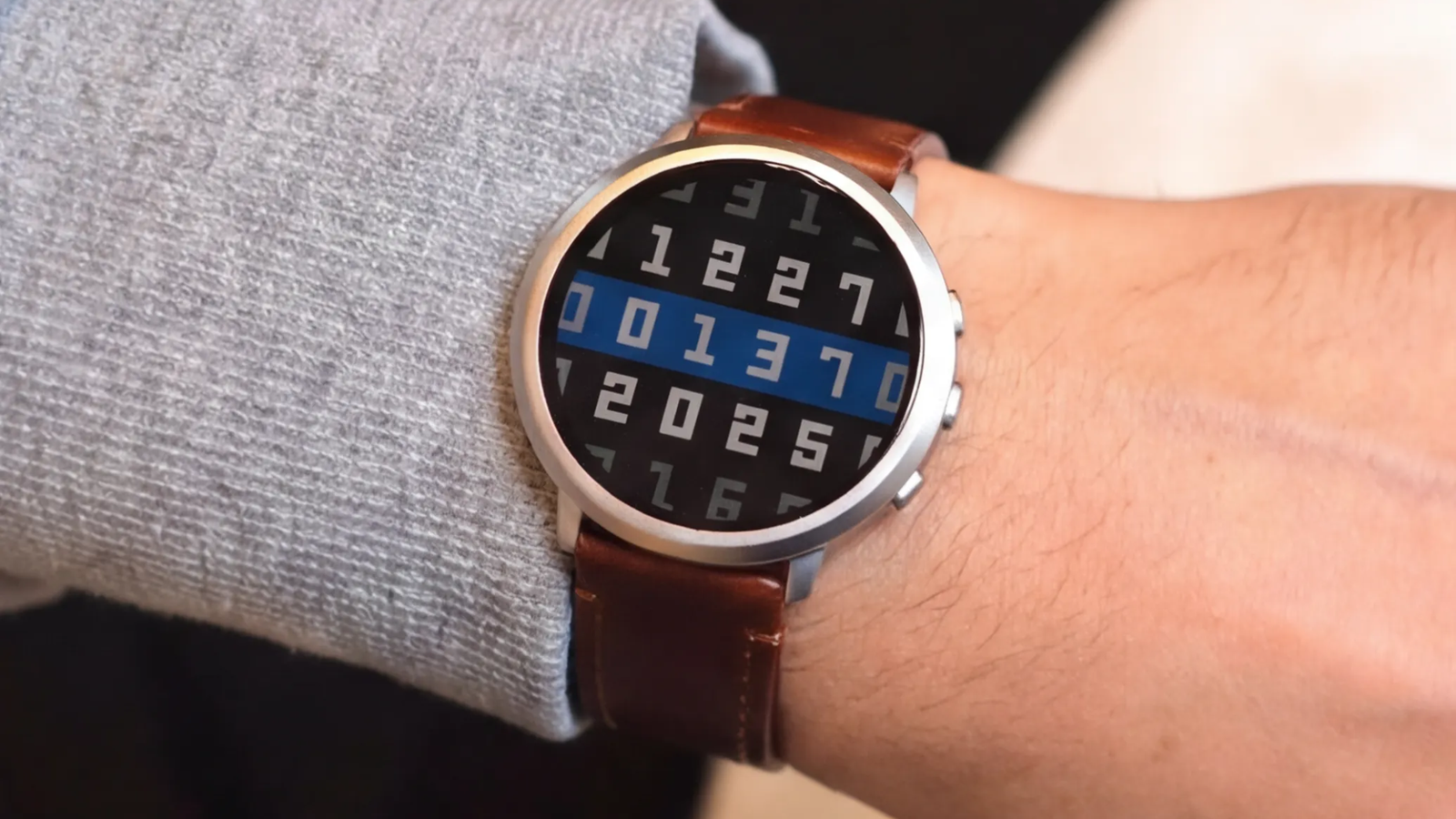
The implications of this plugin update are twofold:
1. Longevity and Developer Interest
By opening the SDK to developers for plugin creation, the platform is effectively crowdsourcing its own future. Instead of relying on a small team of engineers to build every integration, the community can now build modular, lightweight tools. This is the same philosophy that fueled the success of platforms like Home Assistant or Linux, suggesting that Pebble could enjoy a much longer lifecycle than standard commercial smartwatches.
2. Filling the "Distraction-Free" Gap
The modern consumer is increasingly suffering from "notification fatigue." High-end smartwatches often act as mirrors for smartphones, bombarding users with constant alerts. Pebble’s plugin-first approach allows for "smart" behavior—like home automation control or traffic updates—without the intrusive design of modern WearOS or watchOS devices. It occupies a unique niche: the "smart enough" watch.
Official Guidance and Getting Started
While the current implementation is strictly for the developer community, the roadmap for public release appears aggressive. Migicovsky has encouraged early adopters and developers to begin stress-testing the architecture immediately.
To access these features on a supported device, users currently need to navigate to the Settings menu within the latest Pebble companion app, proceed to the Debug section, and toggle the Use Experimental Plugins setting.
It is important to note that this is an experimental phase. Developers are encouraged to submit feedback, report bugs, and share their plugin builds on community forums. This collaborative spirit is the backbone of the "Pebble 2.0" era.
The Road Ahead: What’s Next for Pebble?
The current hardware lineup—the Pebble Time 2 and the Pebble Round 2—serves as the flagship for this movement. However, industry insiders have hinted that the Index 01 is only the beginning. There is ongoing speculation regarding future iterations, including potential advancements in display technology or even more specialized hardware designed specifically to interface with these new plugins.
However, the real test will be the transition from "experimental" to "standard." If the plugin system proves stable and the community continues to develop useful integrations, the Pebble may shed its image as a nostalgia-driven project and re-establish itself as a legitimate, viable alternative to the corporate-dominated wearable market.
For those who have held onto their original Pebbles or invested in the new hardware, the future looks brighter than it has in years. By embracing modular software and community-driven development, Pebble is proving that the best way to innovate isn’t always to add more sensors or pixels—sometimes, it’s just about making the data you have work harder, smarter, and more securely.
As we look toward the end of 2026, the question is no longer whether Pebble can survive, but whether it can redefine what it means to be a "smart" watch in an age of digital minimalism. With the foundation now laid, the next chapter of the Pebble story will be written by the developers who decide what these watches can do next.