SEATTLE — Amazon Web Services (AWS) has announced a major expansion of its artificial intelligence portfolio with the public preview of Amazon Bedrock Managed Agents powered by OpenAI. Revealed last week by principal developer advocate Channy Yun, this significant development introduces a customized version of OpenAI’s Agents API that has been specifically engineered to be natively integrated with AWS infrastructure.
The announcement highlights AWS’s ongoing strategy to provide developers and enterprises with greater flexibility, powerful frontier models, and enterprise-grade security controls within a unified cloud ecosystem. Alongside the Bedrock integration, AWS rolled out vital product lifecycle updates, upcoming developer event schedules, and new resources geared toward the global builder community.
Main Facts
The cornerstone of the latest AWS announcements is the introduction of Amazon Bedrock Managed Agents powered by OpenAI. Built on a tailored adaptation of OpenAI’s Agents API, the new capability bridges the gap between OpenAI’s advanced model logic and AWS’s robust cloud architecture.
- AWS-Native Integration: Developers can now build, deploy, and scale AI agents optimized for OpenAI models that operate entirely within their AWS environments.
- Enterprise Governance: The integration inherits pre-existing AWS security frameworks, allowing organizations to leverage their established AWS identities, granular permissions, and comprehensive governance controls.
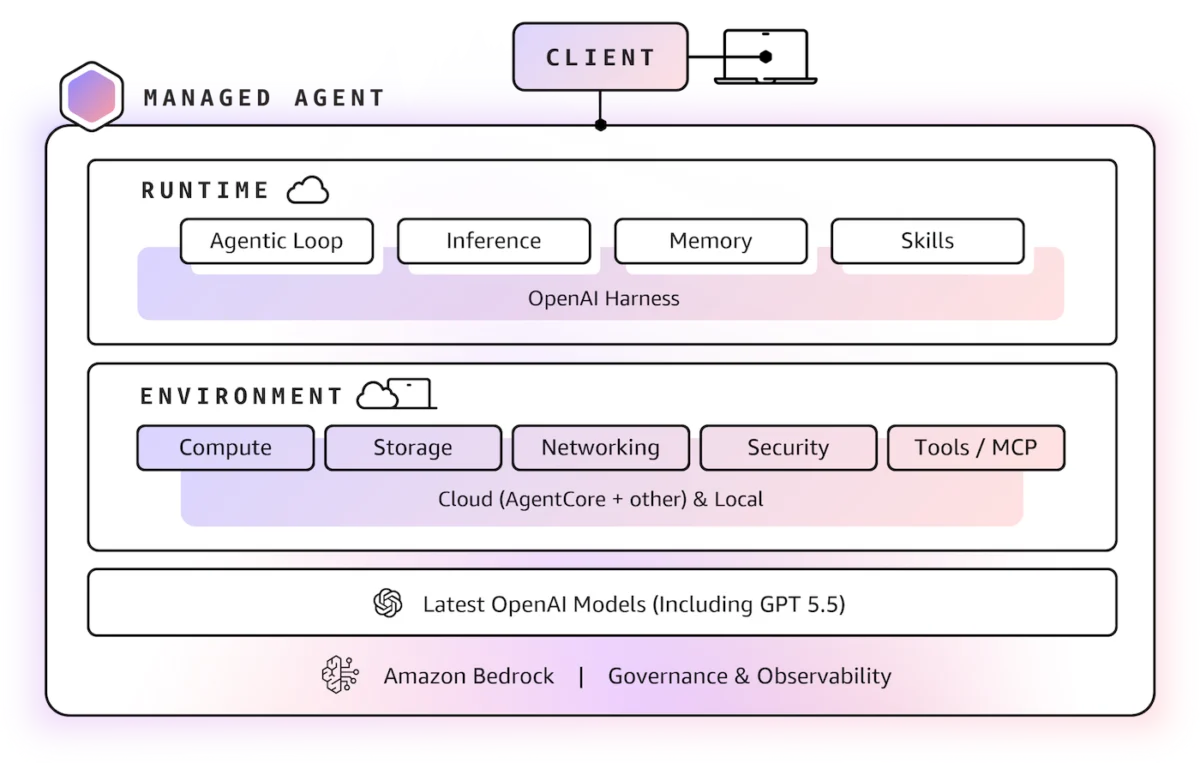
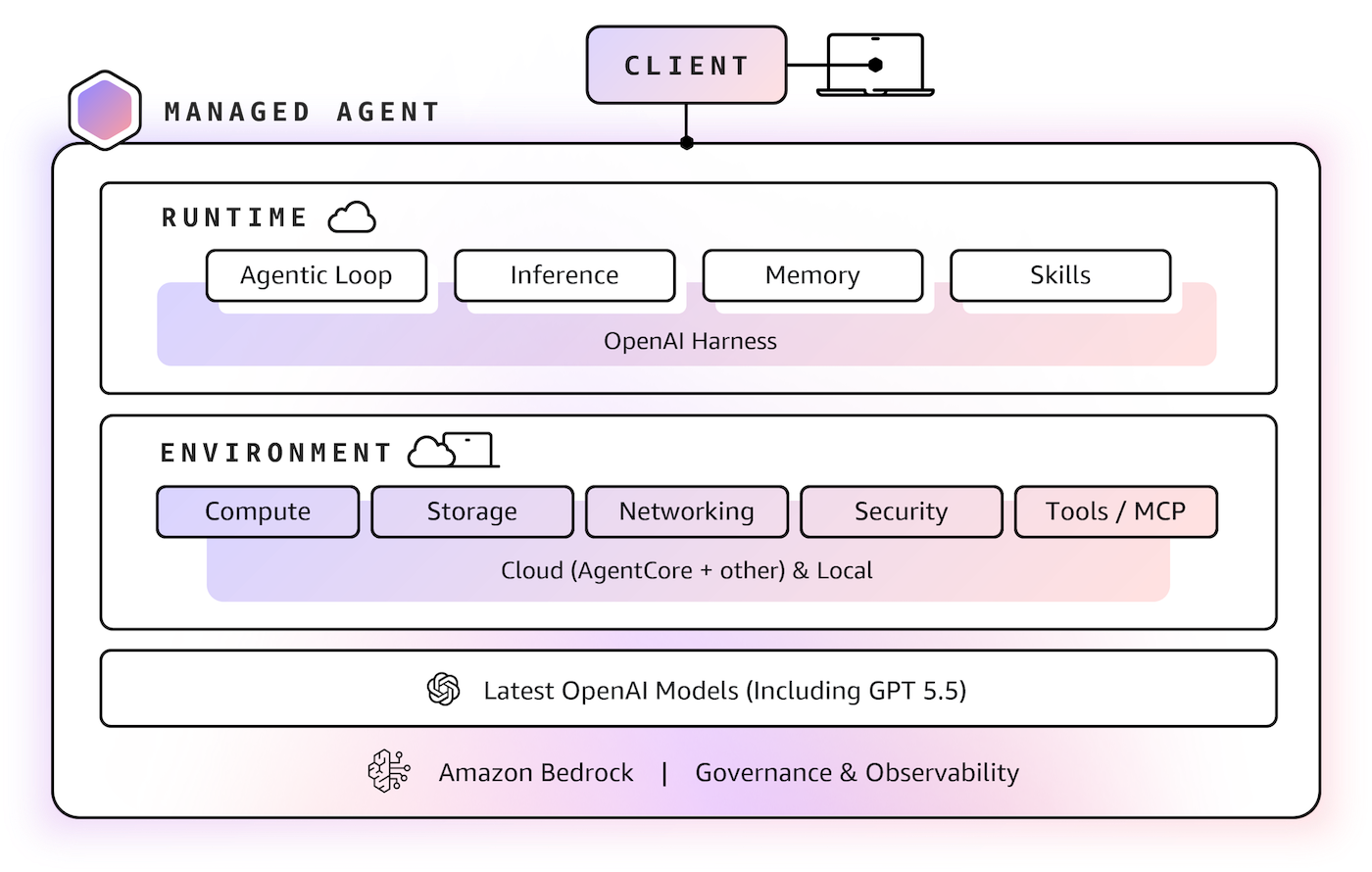
- Flexible Execution Environments: Customers can select between two primary execution models:
- Self-Hosted Compute: Ideal for developers wishing to utilize their existing development machines, custom containers, or preferred compute environments.
- Amazon Bedrock AgentCore Runtime: A fully managed runtime session layer that offers configurable storage directly inside the user’s AWS account.
- Ecosystem Expansion: In tandem with the managed agents preview, AWS continues to broaden its model catalog on Amazon Bedrock, integrating new frontier models to give builders a wider selection of foundational AI technologies.
Chronology of Events
The announcements unfolded over a structured timeline reflecting AWS’s regular cadence of product releases, service updates, and community outreach:
- September 29, 2026: AWS implemented its latest batch of product lifecycle changes, updating the status of select services entering Maintenance, Sunset, and End of Support phases to help organizations plan migrations with minimal operational disruption.
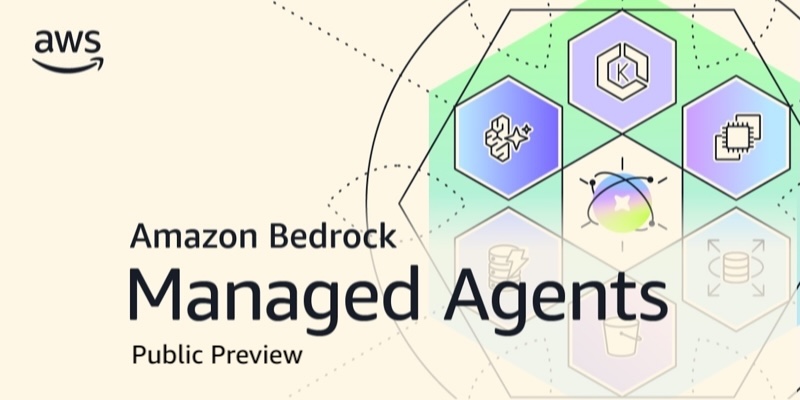
- Early October 2026: AWS officially launched the public preview of Amazon Bedrock Managed Agents powered by OpenAI, accompanied by architectural documentation and technical guides for the Bedrock AgentCore Runtime.
- Ongoing (October 2026): AWS continues to roll out weekly updates across its "What’s New with AWS" and official AWS Blog pages, while driving engagement toward upcoming developer conferences, startup showcases, and community-led events.
Supporting Data and Technical Architecture
To understand the scope of the Amazon Bedrock Managed Agents integration, developers must examine how the architecture bridges external AI capabilities with internal cloud controls.
[User / Application Layer]
           │
           ▼
[Amazon Bedrock AgentCore Runtime] or [Self-Hosted Compute]
           │
           ▼
[Customized OpenAI Agents API (AWS-Native)]
           │
           ├──> AWS Identity and Access Management (IAM)
           ├──> AWS Governance & Security Controls
           └──> Enterprise Storage & AWS Resources
Execution Environment Breakdown
- Bedrock AgentCore Runtime: Designed for teams seeking reduced operational overhead. It manages session lifecycles automatically while maintaining secure data persistence within the boundaries of the customer’s AWS account.
- Self-Hosted Compute: Tailored for advanced engineering teams requiring hyper-specific pipeline control, allowing integration into existing CI/CD pipelines, local developer environments, or specialized container clusters.
Service Lifecycle Metrics
As part of its routine governance, AWS updated its product lifecycle registry on September 29, 2026. Services designated for Maintenance will officially become inaccessible to new customers starting October 29, 2026. AWS has urged teams utilizing affected legacy infrastructure to consult the AWS Product Lifecycle Changes portal to review migration pathways and alternative services.
Official Responses and Industry Context
The convergence of AWS infrastructure and OpenAI model architecture marks a notable shift in the enterprise cloud landscape. Historically, cloud providers heavily emphasized proprietary foundational models or distinct third-party partnerships. By offering a natively integrated OpenAI Agents API within Amazon Bedrock, AWS is signaling a pragmatic, customer-driven approach: meeting developers wherever their preferred tools lie.
In his weekly update, Channy Yun emphasized that the primary goal is friction reduction. By allowing enterprises to use the exact same identity, permissioning, and compliance frameworks they already rely on for core cloud workloads, AWS removes the traditional security hurdles associated with adopting external generative AI APIs.

Industry analysts note that this move strengthens Amazon Bedrock’s position as a comprehensive orchestration hub. Rather than forcing organizations to migrate their entire AI stack to a single provider, Bedrock acts as a flexible layer where teams can mix and match frontier models—whether from Anthropic, Meta, Cohere, or now enhanced OpenAI integrations—while maintaining strict enterprise oversight.
Implications for Developers and Enterprises
The introduction of Amazon Bedrock Managed Agents powered by OpenAI carries far-reaching consequences for cloud architects, software developers, and enterprise IT leaders:
1. Streamlined Compliance and Security
Security teams often flag third-party AI APIs due to data residency, audit trail, and access control concerns. Because these managed agents run inside AWS and bind directly to AWS Identity and Access Management (IAM) policies, compliance officers can enforce the same rigorous standards applied to databases and serverless functions directly onto autonomous AI agents.
2. Accelerated Agentic AI Development
Building multi-step, autonomous agents from scratch requires complex orchestration regarding state management, tool usage, and error handling. By utilizing a customized Agents API running on managed runtimes like Bedrock AgentCore, engineering teams can significantly reduce time-to-market for complex automation workflows, customer service bots, and internal data retrieval systems.
3. Operational Planning for Service Lifecycles
With multiple legacy services transitioning into Maintenance and Sunset phases, enterprise cloud administrators must audit their current architectures. Organizations are encouraged to leverage AWS Support and documentation to execute smooth transitions before the end-of-support deadlines take full effect.
4. Engaging the Global Builder Community
Beyond infrastructure updates, AWS continues to heavily invest in community connectivity. Builders looking to dive deeper into these new features can participate in upcoming global events, including:
- AWS re:Invent: The premier annual learning conference for the global cloud computing community.
- AWS Community Days: Peer-led technical conferences organized by local user groups worldwide.
- AWS Builder Center: An interactive platform designed for developers to share solutions, collaborate on projects, and access advanced technical content.
As cloud-based artificial intelligence matures, announcements like the Amazon Bedrock Managed Agents preview illustrate that the future of enterprise AI lies in deep integration, robust governance, and ultimate architectural choice. Developers can access the public preview documentation today via the official Amazon Bedrock user guide to begin building native, secure, and intelligent agents on AWS.