










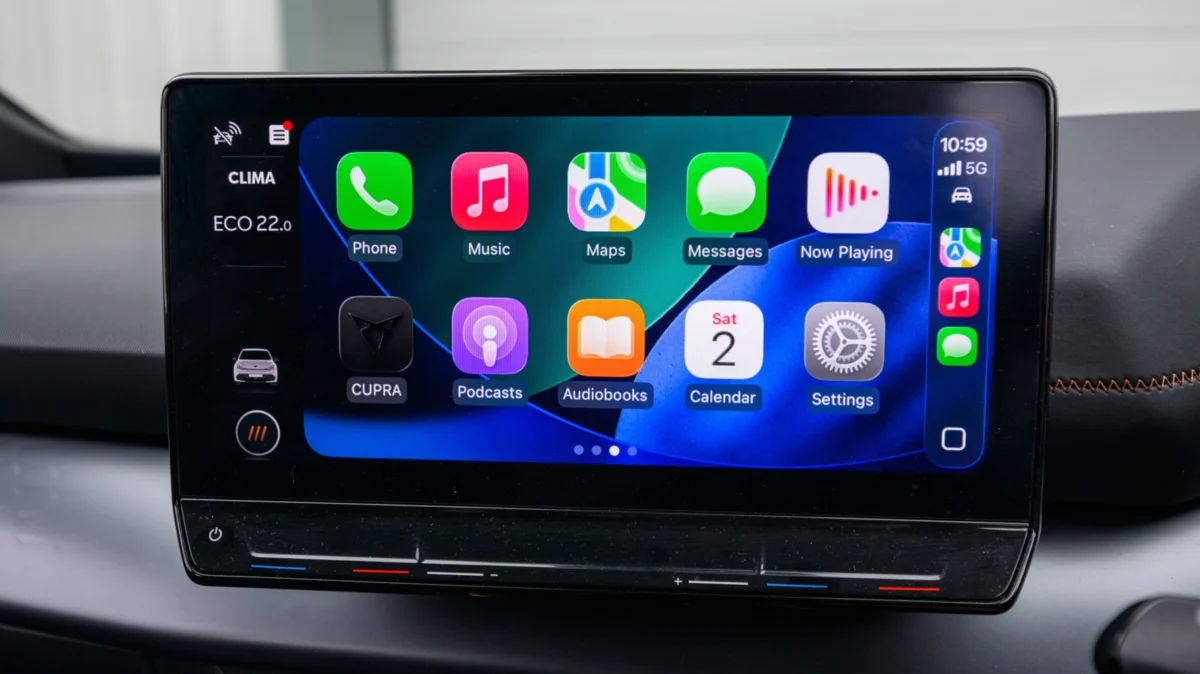
The automotive dashboard has become the latest frontier in the smartphone wars. For the past decade, Apple’s CarPlay has served as the gold standard for bridging the gap between mobile connectivity and vehicle infotainment. By projecting a familiar, driver-focused interface onto the vehicle’s central display, Apple successfully mitigated the dangers of phone-tinkering while driving. However, as software becomes the defining characteristic of the modern automobile, Apple has sought to deepen this integration. Enter "CarPlay Ultra"—the next-generation vision for the connected car, which promises to transform the entire driving experience from a mere projection to a deeply embedded operating system.
The Foundations: The CarPlay We Know
Since its official introduction in 2014 alongside iOS 7.1, Apple CarPlay has revolutionized how we interact with our vehicles. Designed as a safety-first extension of the iPhone, CarPlay acts as a secondary screen for essential tasks. By tethering an iPhone—either via a standard USB cable or a wireless connection—users gain access to a curated selection of apps optimized for the driving environment.
The core philosophy of standard CarPlay is simplicity. It filters out distracting content, focusing exclusively on navigation (Apple Maps, Google Maps, Waze), communication (Messages, Phone), and media (Apple Music, Spotify, Podcasts). By leveraging Siri, Apple ensured that drivers could maintain their focus on the road, utilizing voice commands to dictate text messages or request turn-by-turn directions.
Despite its ubiquity—appearing in over 800 vehicle models today—standard CarPlay remains a "guest" in the car’s ecosystem. It exists as a secondary application running on top of the manufacturer’s native software. This separation creates a "friction point": when a driver wants to adjust climate control, check vehicle telemetry, or toggle drive modes, they must often exit the CarPlay interface, return to the manufacturer’s proprietary menus, and then jump back into the Apple environment. This constant switching disrupts the user experience and, in some cases, creates the very distractions Apple originally sought to eliminate.
Chronology: A Decade of Automotive Disruption
- 2014: Apple officially launches CarPlay, bringing the iPhone interface to the dashboard for the first time.
- 2015-2018: Rapid adoption occurs across the automotive industry; CarPlay becomes a must-have feature for new vehicle buyers, forcing legacy automakers to adapt.
- 2019-2021: Wireless CarPlay becomes the industry standard, removing the need for cable clutter and solidifying Apple’s dominance in the cabin.
- 2022: At WWDC, Apple unveils the "next generation" of CarPlay—later colloquially dubbed "CarPlay Ultra"—promising a unified interface that spans all screens in the vehicle, including the instrument cluster.
- 2023-2024: The industry experiences a cooling period. While luxury brands like Aston Martin and Porsche initially express interest, widespread rollout stalls. Some manufacturers, most notably General Motors, announce plans to phase out CarPlay in favor of internal, subscription-based operating systems.
CarPlay Ultra: The Deep Integration Model
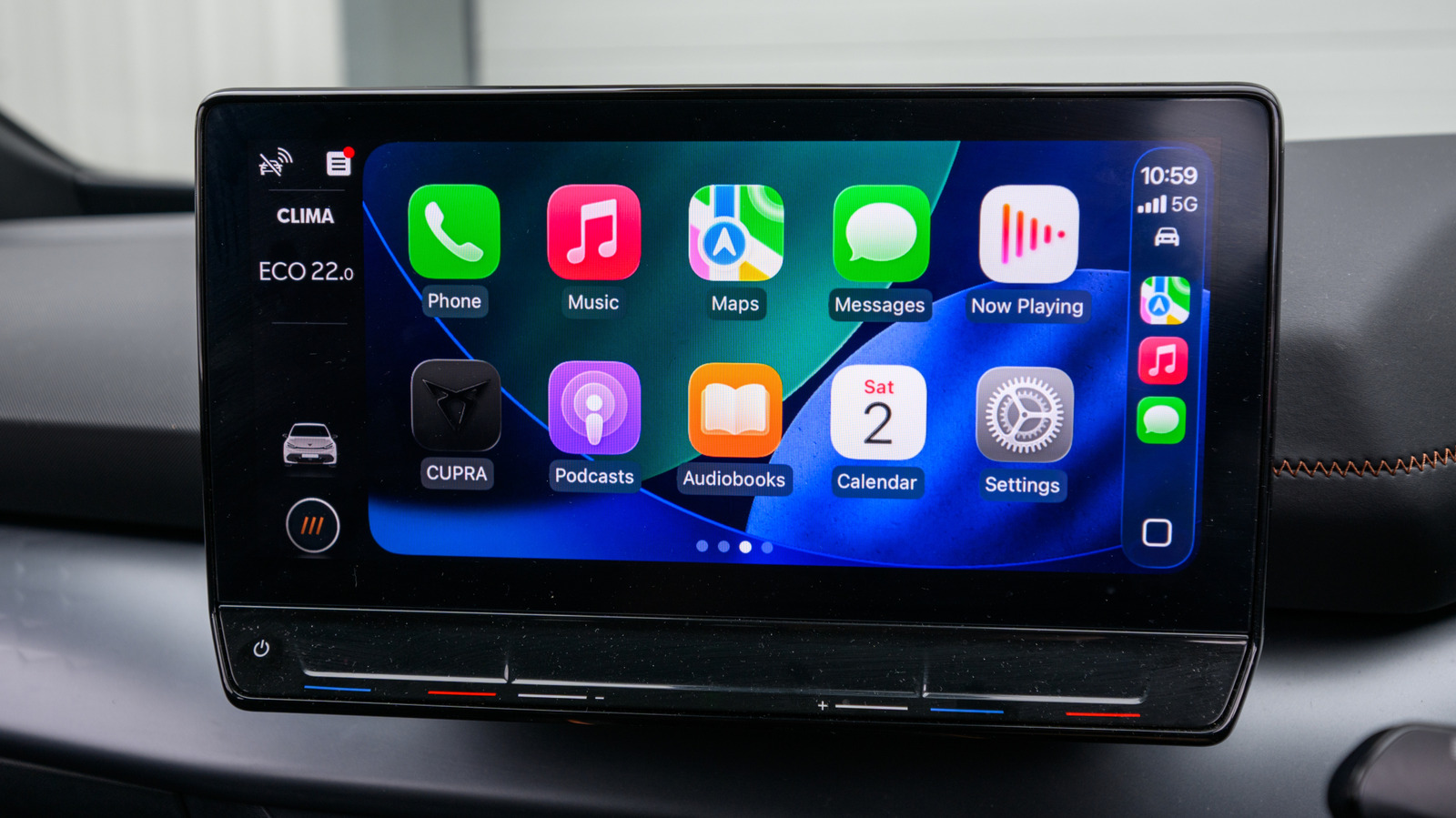
The "Ultra" iteration represents a fundamental shift in the relationship between Silicon Valley and Detroit. Unlike the standard version, which is restricted to the center console, CarPlay Ultra is designed to communicate directly with the vehicle’s internal hardware.
Unified Screen Real Estate
CarPlay Ultra aims to take over every display within the vehicle. This includes the digital instrument cluster, the passenger-side infotainment screen, and the heads-up display (HUD). By doing so, it creates a cohesive visual identity across the entire cockpit. A driver can view their speedometer, tachometer, fuel levels, and navigation maps all within a unified, high-resolution aesthetic designed by Apple.
Hardware Command
Perhaps the most significant leap is the integration of vehicle controls. CarPlay Ultra interfaces with the car’s CAN bus (Controller Area Network) to manage critical settings. This means that tasks like adjusting the cabin temperature, managing seat heating, and monitoring tire pressure can be handled directly through the Apple interface. The user is no longer leaving the Apple environment to interact with the car; the car has effectively become an Apple device.
Customization and Personalization
Apple has touted deep personalization features, allowing users to customize the "skin" or layout of their instrument cluster. Similar to how one might customize a watch face on an Apple Watch, drivers can choose between various styles, layouts, and data points, effectively turning the dashboard into a personalized digital workspace.
Supporting Data and Technical Requirements
Transitioning to CarPlay Ultra is not a simple software update. It requires a fundamental shift in vehicle architecture.
- Hardware Compatibility: To support the level of data transmission required for Ultra, vehicles must have the processing power to handle real-time telemetry alongside high-definition graphics.
- Device Requirements: Users must be equipped with an iPhone 12 or newer. The reliance on advanced wireless protocols is absolute; the system operates exclusively via an encrypted wireless connection, utilizing the iPhone’s processing power to render the vehicle’s displays.
- Market Reach: While standard CarPlay is found in nearly every price segment, Ultra is currently restricted to ultra-luxury marques like Aston Martin. The complexity of integrating with proprietary vehicle hardware makes it a difficult and costly endeavor for manufacturers producing high-volume, lower-margin vehicles.
Industry Implications: A Struggle for Control
The rollout of CarPlay Ultra has hit a significant roadblock: the car manufacturers themselves.
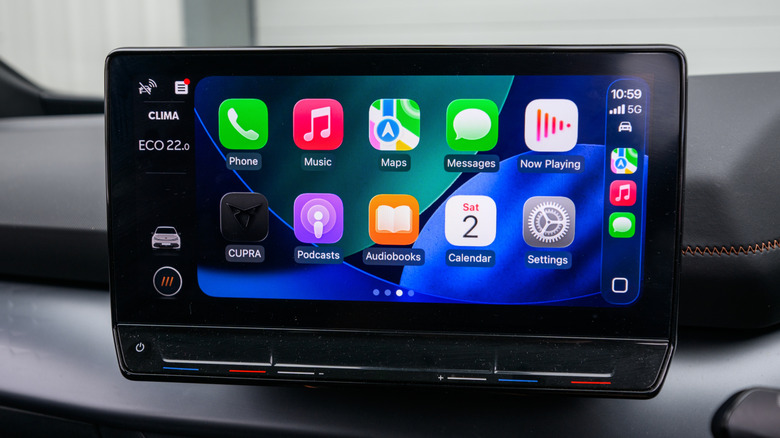
For automakers, the dashboard is the primary touchpoint for customer data and brand identity. By allowing Apple to control the entire screen ecosystem, manufacturers fear they are losing their "digital brand." If a customer spends 90% of their time inside the Apple interface, the manufacturer’s own software, design language, and unique features become invisible.
This has led to a bifurcated industry approach. Some, like Porsche, have expressed interest in the deep integration provided by Apple. Others, such as General Motors, have taken an aggressive stance, opting to build their own Android-based infotainment systems. By building their own software stacks, these companies hope to unlock new recurring revenue streams through software-as-a-service (SaaS) models, such as subscription-based performance upgrades or in-car commerce.
The Future: A Divided Dashboard?
The future of in-car technology appears to be a tug-of-war between convenience and control. For the consumer, CarPlay Ultra represents the ultimate convenience: a seamless, high-quality digital experience that feels like a natural extension of their phone. For the manufacturer, it represents a threat to their business model and their ability to differentiate their vehicles.
As we move forward, we are likely to see three distinct paths:
- The Apple Loyalists: High-end manufacturers who prioritize customer experience above all else will lean into the Apple ecosystem, offering deep CarPlay Ultra integration as a premium feature.
- The Independent Holdouts: Massive conglomerates with the resources to build their own software will continue to resist, betting that they can create a superior, proprietary experience that keeps the customer within their own ecosystem.
- The Hybrid Compromise: Many manufacturers will likely attempt to build systems that offer basic CarPlay support while keeping their native software robust enough to compete, leading to a "best of both worlds" approach that may eventually satisfy both parties.
Ultimately, CarPlay Ultra is a bold declaration by Apple that the car is merely another peripheral in the personal technology ecosystem. Whether the automotive industry accepts this role or chooses to fight to retain its digital independence remains one of the most critical storylines in the future of mobility. For now, the "Ultra" experience remains a luxury, but as software becomes the primary driver of vehicle value, the pressure on manufacturers to adopt or adapt will only intensify.



