
GLOBAL — For millions of independent professionals, the modern digital economy was built on the backs of mega-marketplaces like Upwork. Offering a centralized hub of digital commerce, these platforms transformed how talent and clients connect across borders. Yet, a growing sentiment of fatigue is sweeping through the freelance community. Driven by rising platform fees, hyper-saturated applicant pools, and the inherent vulnerability of relying on a single digital ecosystem for livelihood, independent workers are aggressively pursuing diversification.
Market analysts and veteran remote workers agree: relying on a single platform is no longer just risky—it is an antiquated business strategy. As algorithms fluctuate, corporate policies shift, and global labor markets evolve, true career stability for freelancers depends on multi-channel sourcing.

This comprehensive report examines the structural shifts in the freelance economy, reviews 21 viable alternatives to Upwork, and outlines the strategic implications for independent contractors navigating the future of work.
Main Facts: The Shift Away from Monolithic Marketplaces
The contemporary freelance landscape is characterized by a paradox. On one hand, the demand for remote, specialized talent has never been higher. Enterprises and agile startups alike are increasingly outsourcing key operations rather than hiring full-time staff. On the other hand, the traditional, monolithic bidding marketplaces have grown increasingly hostile to newcomers and mid-tier professionals alike.

- The Cost of Doing Business: Rising platform fees, paid "connect" systems, and transaction overheads have significantly compressed profit margins for independent operators.
- Hyper-Competition: Popular marketplaces feature thousands of international applicants bidding on single projects, frequently driving down rates and commoditizing specialized skills.
- Policy Volatility: Sudden algorithmic changes or account suspensions can obliterate an independent contractor’s sole revenue stream overnight.
Consequently, the industry is witnessing a structural migration toward curated job boards, niche-specific talent networks, and international marketplaces that offer lower barriers to entry and higher-intent clientele.
Chronology: How the Freelance Marketplace Ecosystem Evolved
Understanding the current exodus from platforms like Upwork requires looking back at the evolution of remote work:
- Early 2010s (The Wild West Era): The emergence of early freelance platforms democratized digital work, connecting Western enterprises with global freelancers primarily through basic bidding boards.
- Mid-2010s (Consolidation and Monetization): Major mergers (such as Elance and oDesk forming Upwork) centralized the market power. Platforms began introducing tiered subscriptions, mandatory payment processing fees, and algorithmic matching.
- Late 2010s to 2020 (The Remote Boom): Global events catalyzed a massive surge in remote work adoption. Specialized job boards (like RemoteOK and We Work Remotely) began capturing significant traffic from professionals seeking direct-to-company employment without middleman fees.
- 2021–Present (The Multi-Channel Diversification): Facing heightened competition and fees, freelancers increasingly treat major marketplaces as just one piece of a broader prospecting puzzle, turning heavily toward vetted talent networks, regional hubs, and curated remote job aggregates.
Supporting Data: The Case for Multi-Channel Freelancing
Industry data highlights the fragility of relying on a single client-acquisition channel. Independent worker surveys consistently show that freelancers who diversify their income streams across multiple platforms, direct outreach, and inbound marketing experience:
- 35% higher average hourly rates compared to those restricted to bidding-only marketplaces.
- Significantly lower income volatility, weathering algorithm updates or policy shifts with minimal financial disruption.
- Higher client retention rates, as direct relationships forged on niche boards bypass competitive bidding environments.
The 21 Best Upwork Alternatives for Independent Professionals
To help freelancers build a resilient business model, industry experts have compiled a detailed directory of platforms categorized by specialty, vetting requirements, and geographic focus.
General Remote Job Boards
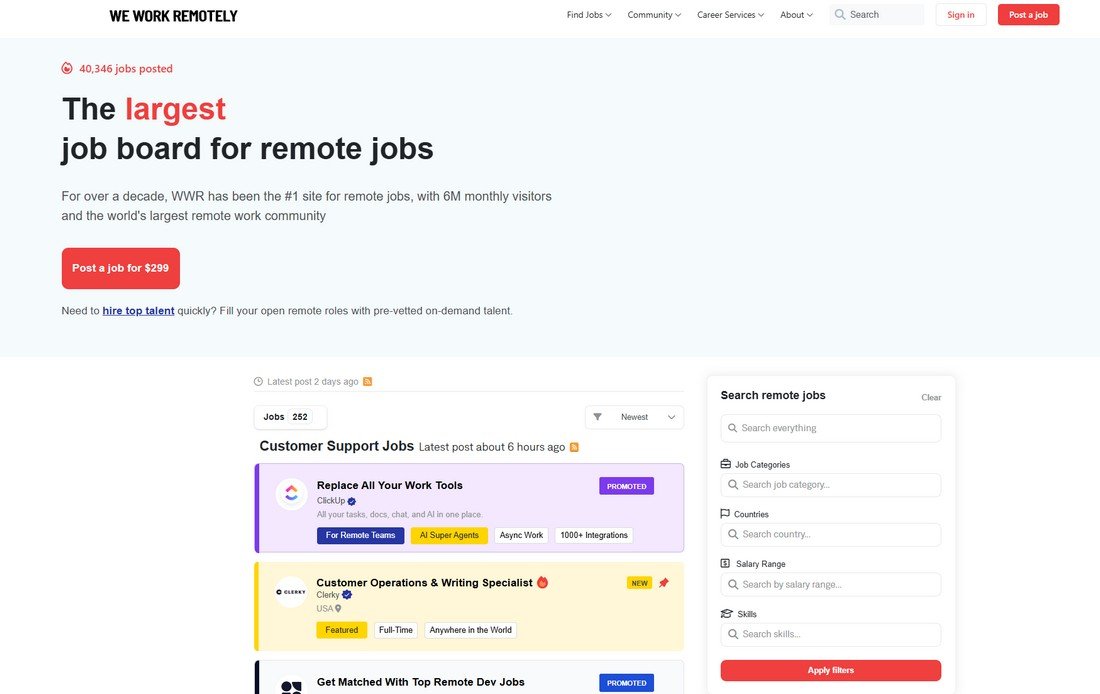
1. We Work Remotely
One of the oldest and most trusted remote job boards on the internet, We Work Remotely attracts high-caliber listings from global enterprises and scaling startups. It functions as a traditional job board rather than a bidding platform, meaning you apply directly to companies.
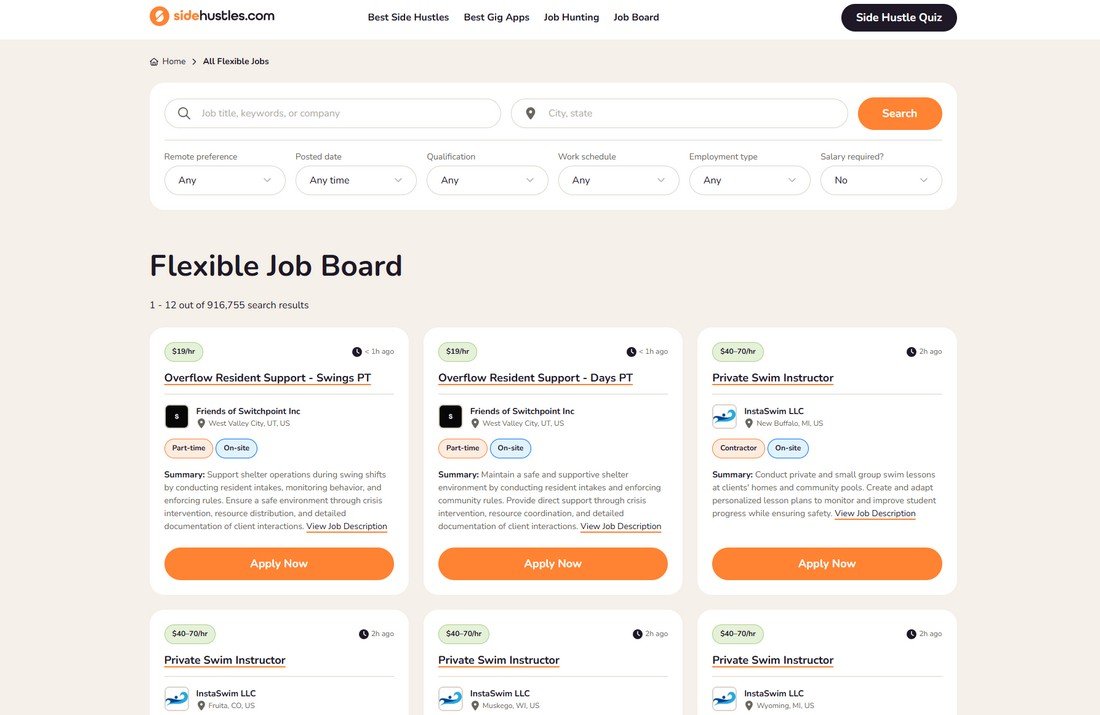
2. Side Hustles Job Board
A straightforward, no-nonsense job board tailored specifically for side hustles and agile freelance projects. It is an ideal hunting ground for smaller, flexible contracts designed to build portfolios or supplement primary income.
3. DailyRemote
DailyRemote aggregates high-quality remote opportunities across software development, design, writing, marketing, and customer support. Because its catalog updates daily, it serves as an efficient daily check-in for active job seekers.
4. SkipTheDrive
Functioning as a comprehensive remote job aggregator, SkipTheDrive pulls listings from multiple sources across diverse industries, saving freelancers the time of scouring dozens of disparate sites each morning.
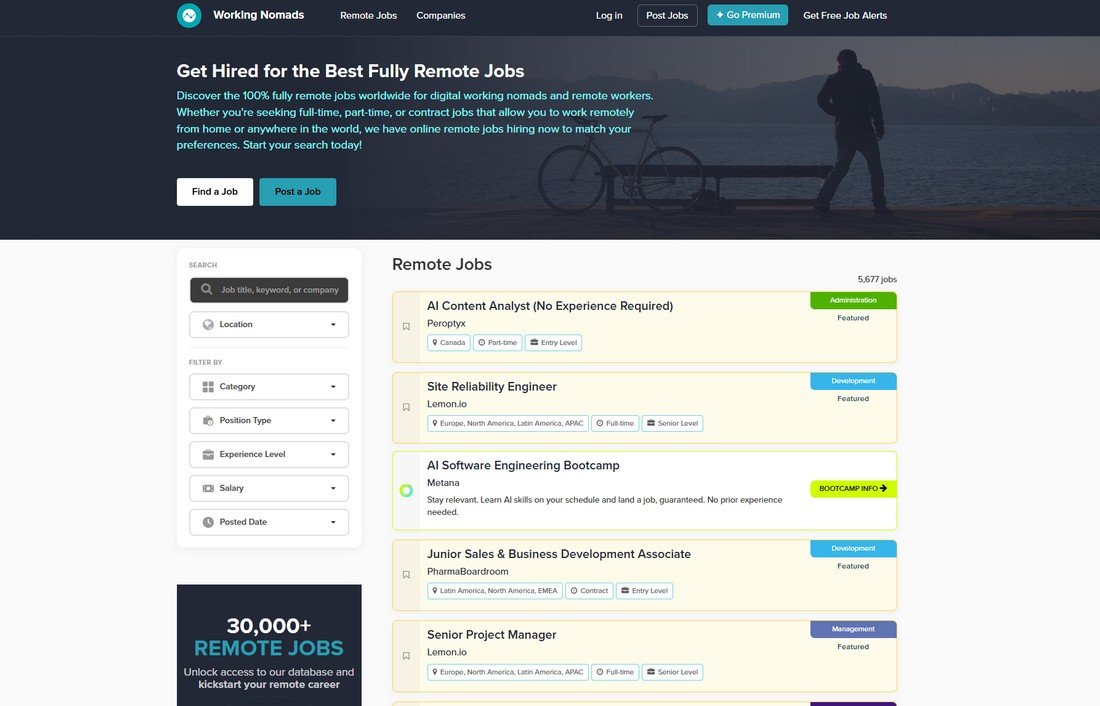
5. Working Nomads
Working Nomads curates remote job openings from around the world, sorting them into clean, highly navigable categories for writers, marketers, developers, and consultants.
Curated Marketplaces & Managed Platforms
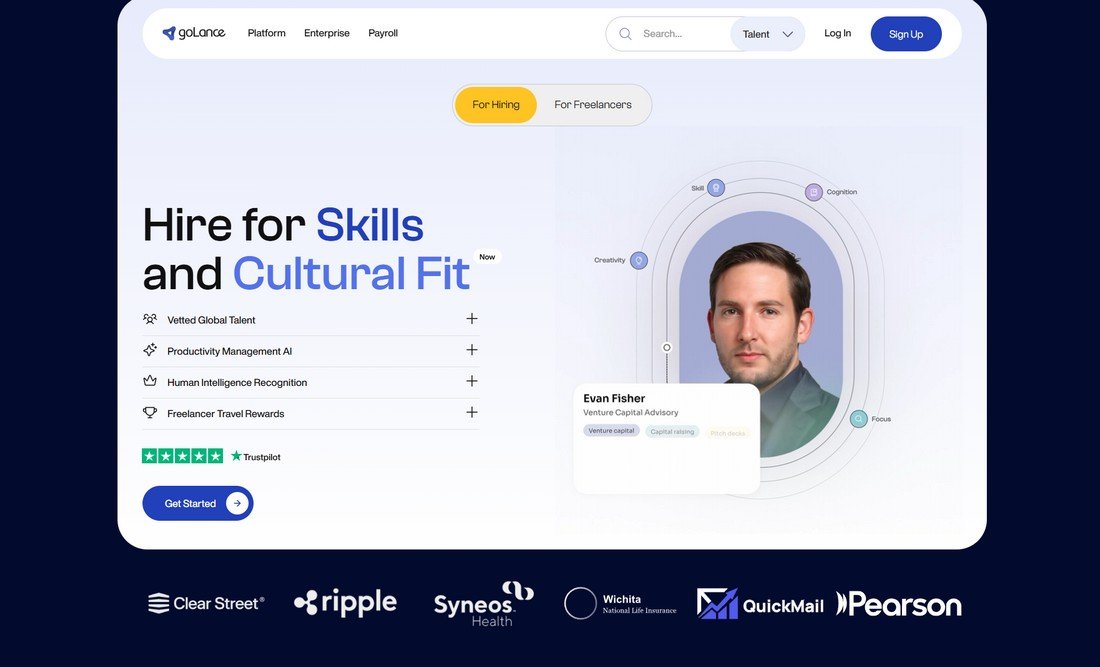
6. goLance
A strong direct competitor to Upwork, goLance features a wide array of categories ranging from administrative virtual assistance to software development. Because its user base is smaller, the competition per project is significantly more manageable.
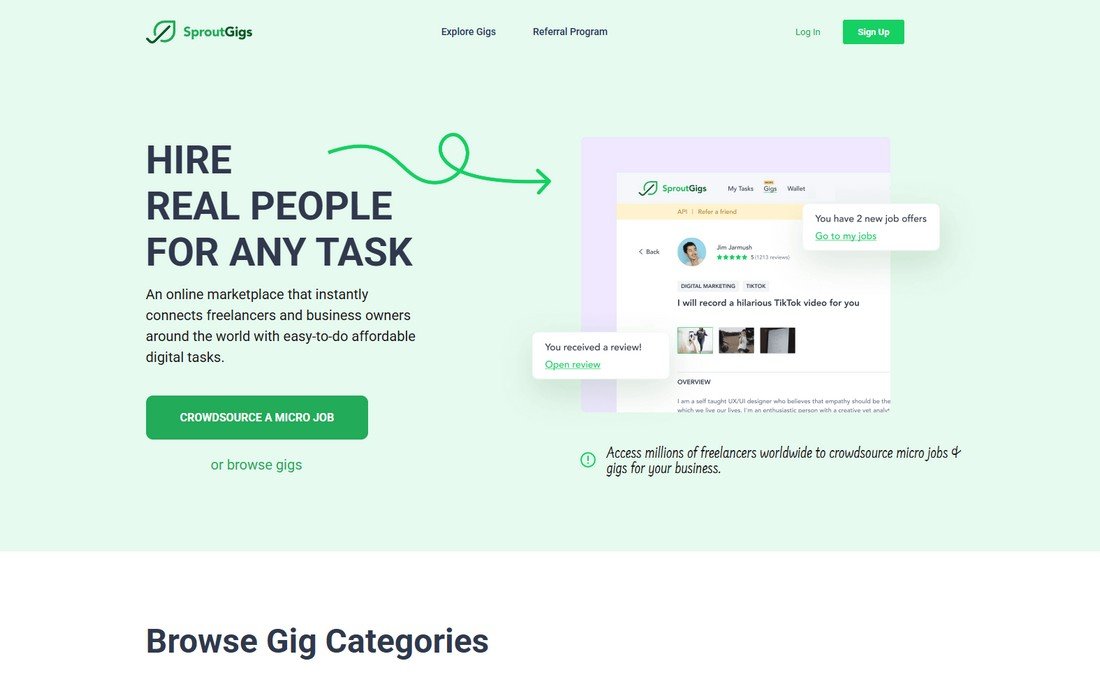
7. SproutGigs
Blending traditional freelance mechanics with micro-gig marketplaces, SproutGigs allows professionals to publish fixed-service listings while simultaneously applying for custom client projects. It is particularly welcoming to beginners.
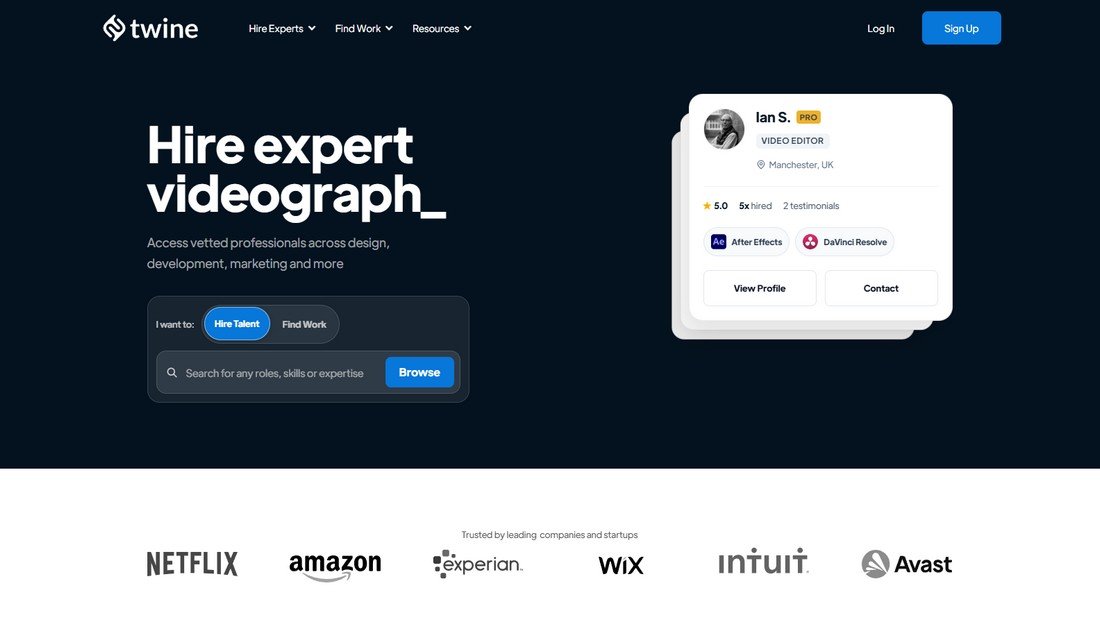
8. Workana
As one of the largest freelance marketplaces serving Latin America, Workana is an exceptional portal for professionals looking to tap into international markets and work with cross-border clients outside the saturated US/European hubs.
Vetted Talent Networks
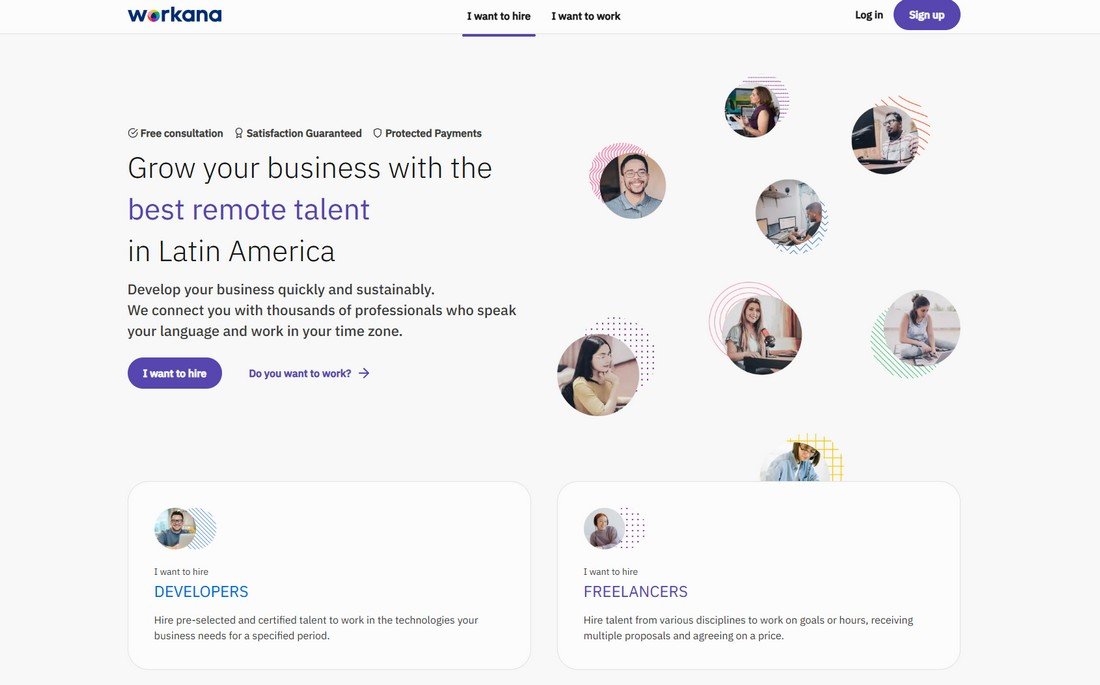
9. 1840 & Company
Operating more like a premier staffing network than an open marketplace, 1840 & Company rigorously vets freelancers before acceptance. Passing this screening grants professionals immediate access to high-tier global clients.
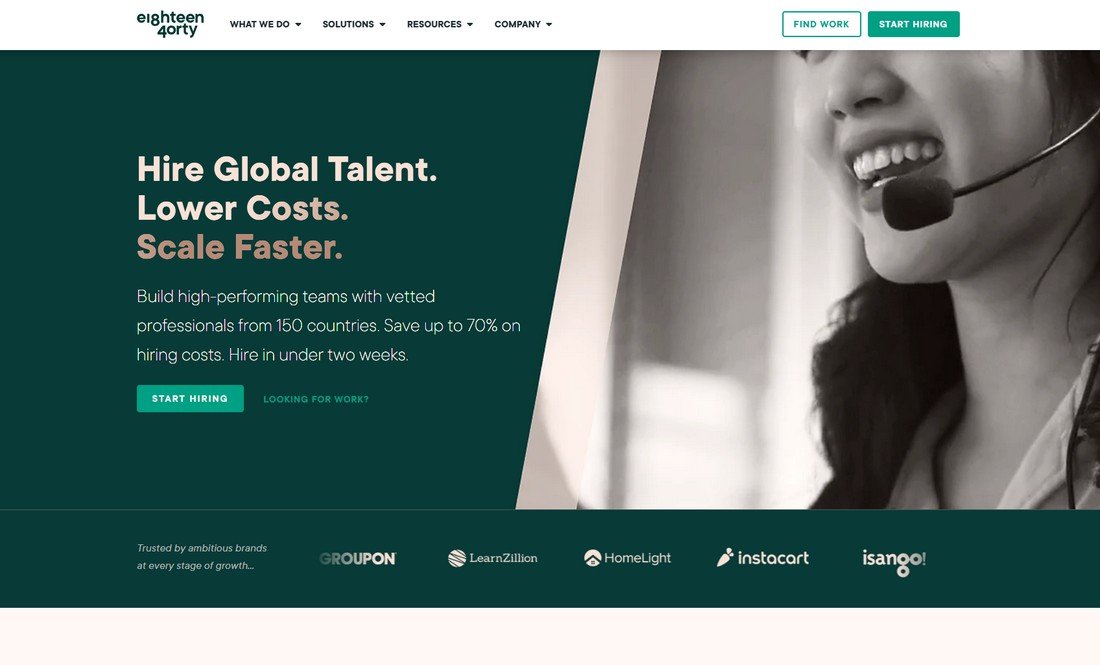
10. FreeeUp
Similar in philosophy to 1840 & Company, FreeeUp prioritizes quality over quantity. A strict onboarding and screening process keeps internal competition low, protecting rates for accepted professionals.
11. Robert Half Talent Solutions
Operating essentially as a digital-age staffing agency, Robert Half connects contractors with long-term, high-value engagements in marketing, finance, corporate administration, and creative sectors.
Creative & Niche Industry Hubs
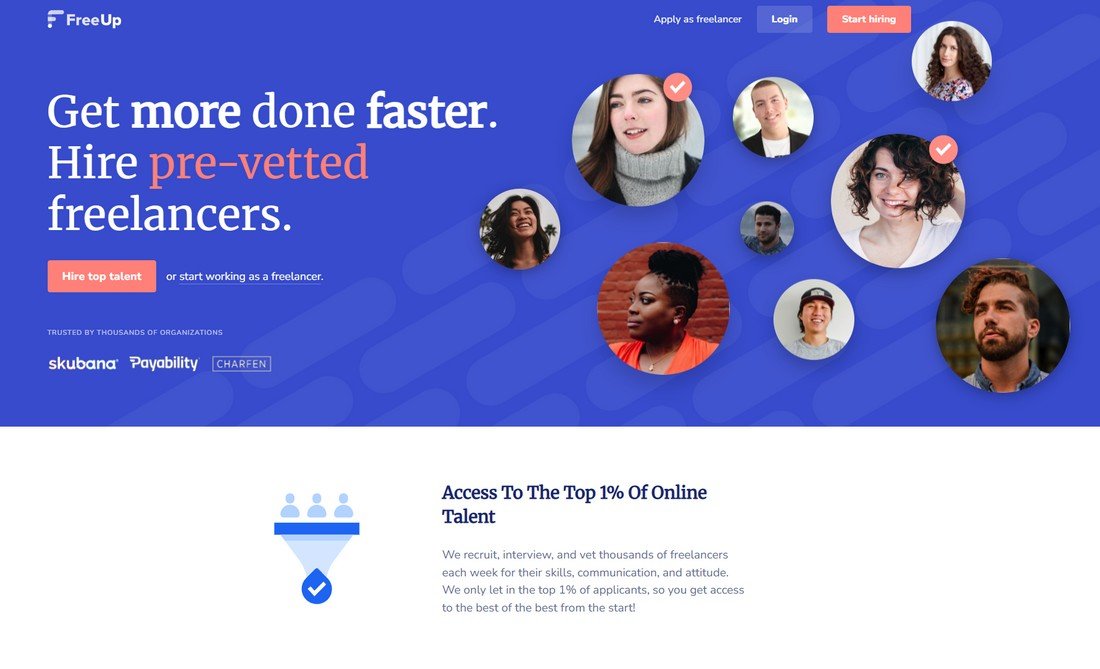
12. Twine
Twine focuses intensely on the creative and digital industries. Animators, video editors, music producers, illustrators, and game developers will find targeted briefs posted by clients who understand creative workflows.
13. Authentic Jobs
A long-standing favorite for web designers, developers, digital marketers, and content creators. It features a curated mix of agencies, tech startups, and major universities seeking specialized talent.
14. ServiceScape
ServiceScape hones in on the precise fields of writing, editing, translation, proofreading, and graphic design. Its narrow focus ensures that clients arrive looking for deep expertise rather than bargain-basement pricing.
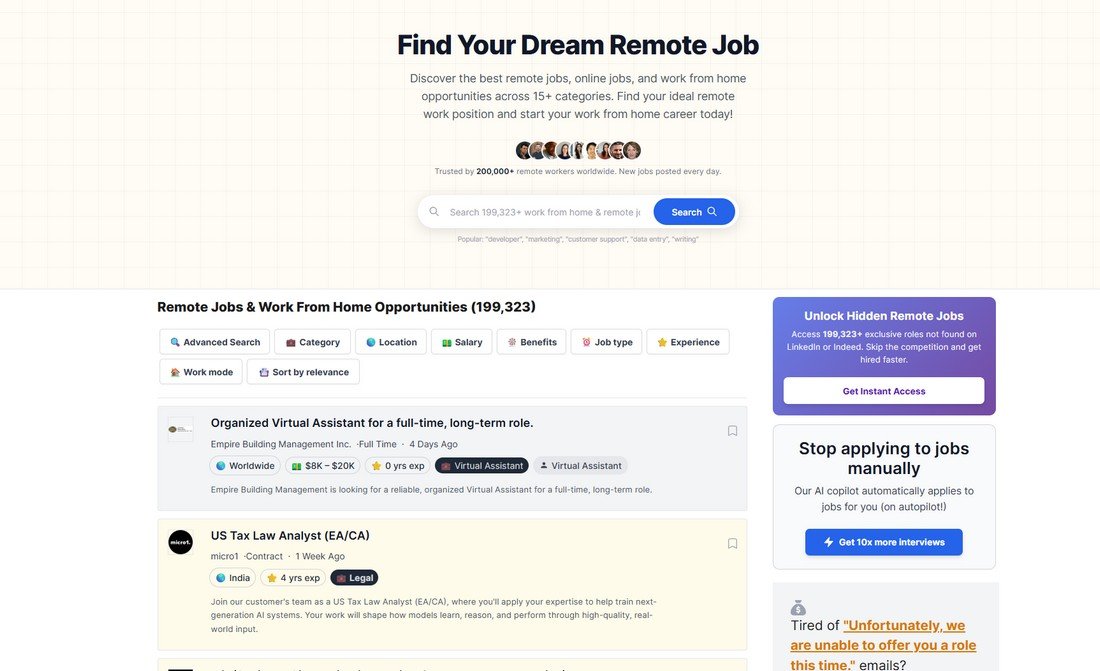
15. ProZ
For language professionals and translators, ProZ is the definitive industry standard. It boasts one of the largest online communities and job databases dedicated exclusively to linguistic services.
Startup & Tech-Focused Networks
16. Wellfound (Formerly AngelList)
Wellfound remains the premier destination for professionals seeking opportunities within the startup ecosystem. Most listings display clear salary or compensation ranges upfront, facilitating transparent negotiations.
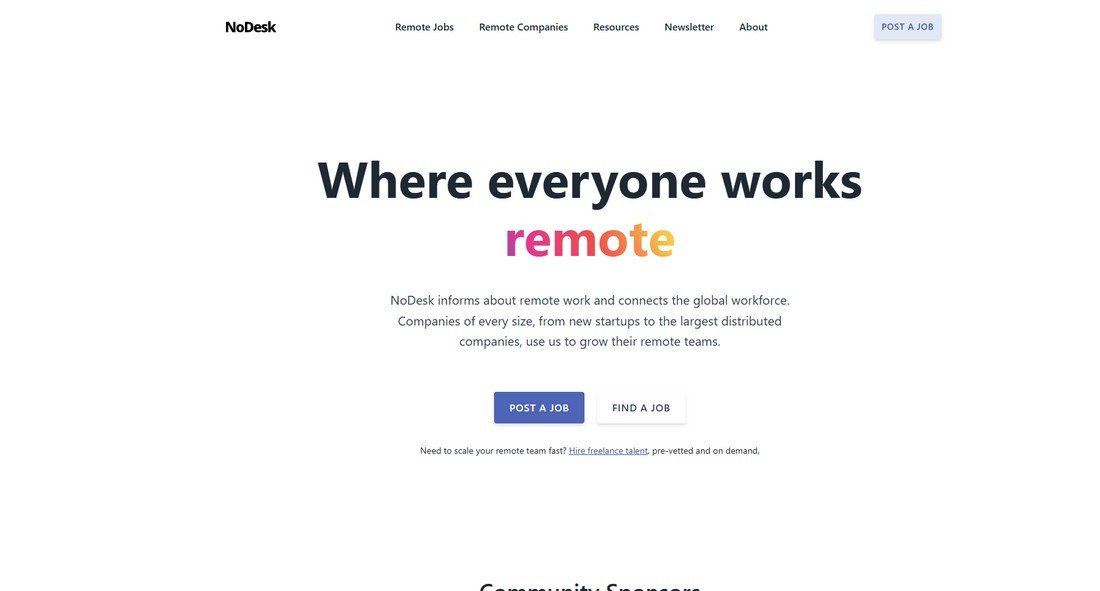
17. Remotive
Remotive specializes in remote positions offered by agile startups and distributed teams. Known for its strict quality control on listings, it spares applicants from wading through low-effort or spammy postings.
18. Jobspresso
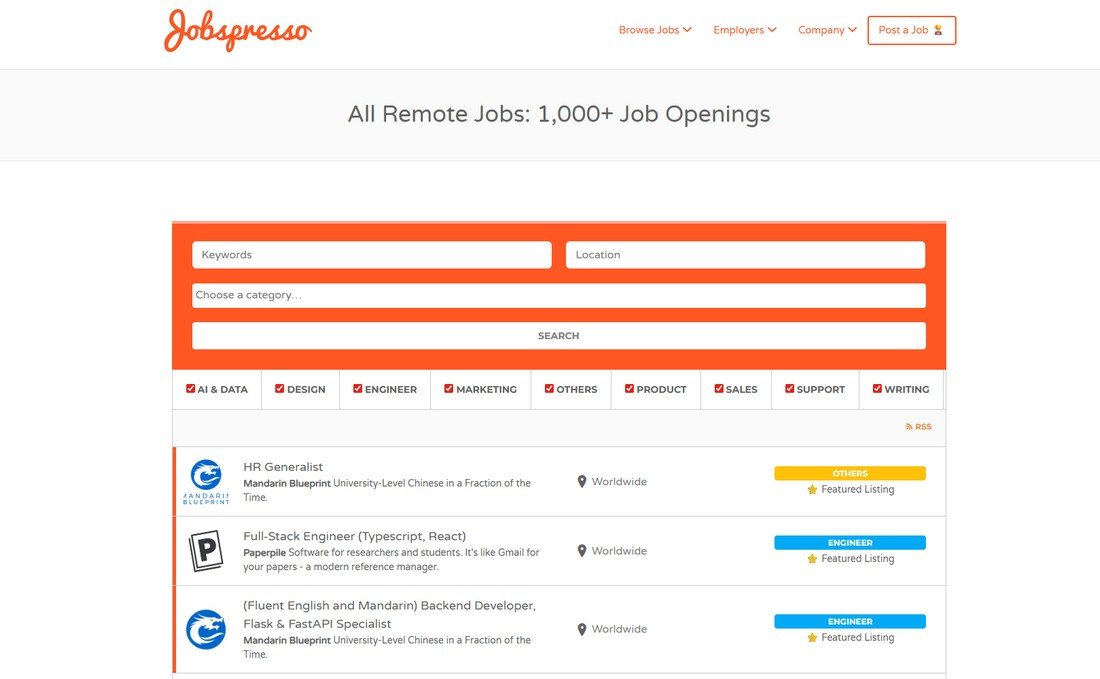
Jobspresso pairs a heavily curated remote job board with an active resume database, enabling employers to discover and recruit passive talent directly.
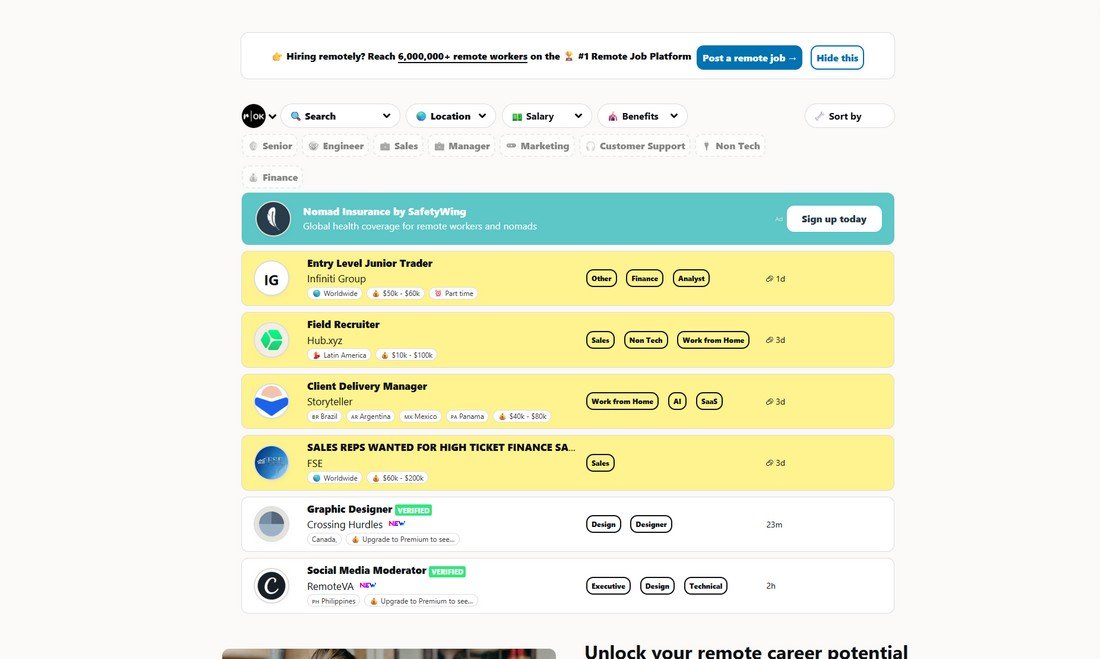
19. NoDesk
Beyond its robust remote job board, NoDesk maintains an extensive directory of remote-friendly companies that routinely hire independent contractors and remote staff.
20. RemoteOK
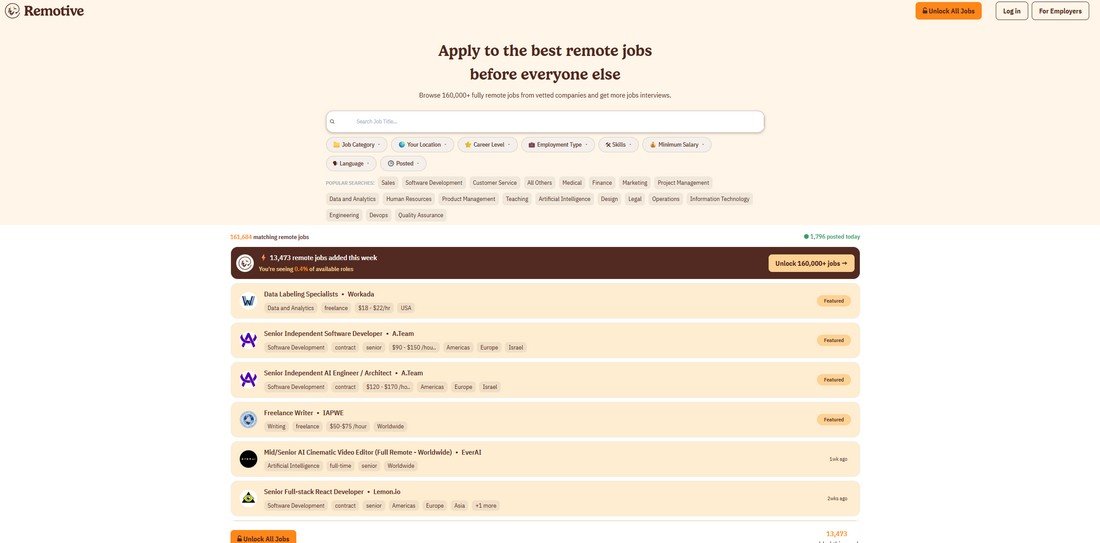
One of the internet’s largest remote job indexes, RemoteOK allows users to browse thousands of international listings instantly without requiring an account, frequently publishing upfront compensation data.
Specialized Directories
21. Virtual Vocations
Operating for over a decade, Virtual Vocations hand-screens remote opportunities across healthcare, education, technical writing, and administrative fields, making it a reliable resource for specialized non-tech professionals.
Official Responses and Industry Expert Perspectives
Industry leaders emphasize that diversifying away from centralized platforms does not mean burning bridges with market leaders like Upwork.
"The goal shouldn’t be isolation, but rather insulation," notes digital business strategist and author Nerijus Perera in his latest guide, Freelance Like A Pro. "Smart freelancers maintain a core presence on one major platform for baseline cash flow while cultivating direct client relationships and secondary channels through curated job boards and niche networks. When market shocks happen, diversified freelancers remain standing."
Labor economists point out that the rise of alternative job boards reflects a maturing freelance economy. As independent work transitions from an alternative career path to a dominant pillar of the global workforce, the infrastructure supporting it must naturally expand beyond a single business model.
Implications for the Future of Independent Work
The mass exploration of Upwork alternatives carries profound implications for both freelancers and enterprises:
- Shift in Pricing Power: As talent disperses across specialized niche platforms, downward pricing pressure is mitigated. Clients on niche boards often expect to pay professional rates, raising the ceiling for independent contractor earnings.
- Reduced Platform Lock-In: Freelancers are increasingly developing independent brands, portfolios, and client acquisition funnels rather than remaining dependent on platform reviews and internal ratings.
- Rise of Curated Micro-Economies: Platforms that enforce strict vetting procedures (such as FreeeUp and 1840 & Company) are setting a new standard for trust in remote hiring, reducing friction for enterprise clients wary of unverified overseas labor.
Final Strategic Takeaway
Freelancers are advised not to overwhelm themselves by attempting to manage profiles across all 21 platforms simultaneously. The optimal approach is methodical: select three to four platforms that align perfectly with your specific skill set, invest time in optimizing those profiles, and systematically test your acquisition pipeline. In an evolving digital economy, resilience belongs to those who build multiple bridges.